Emily A. Daniels – författare
Visar alla böcker från författaren Emily A. Daniels. Handla med fri frakt och snabb leverans.
5 produkter
5 produkter
Häftad, Engelska, 2013
601 kr
Skickas inom 5-8 vardagar
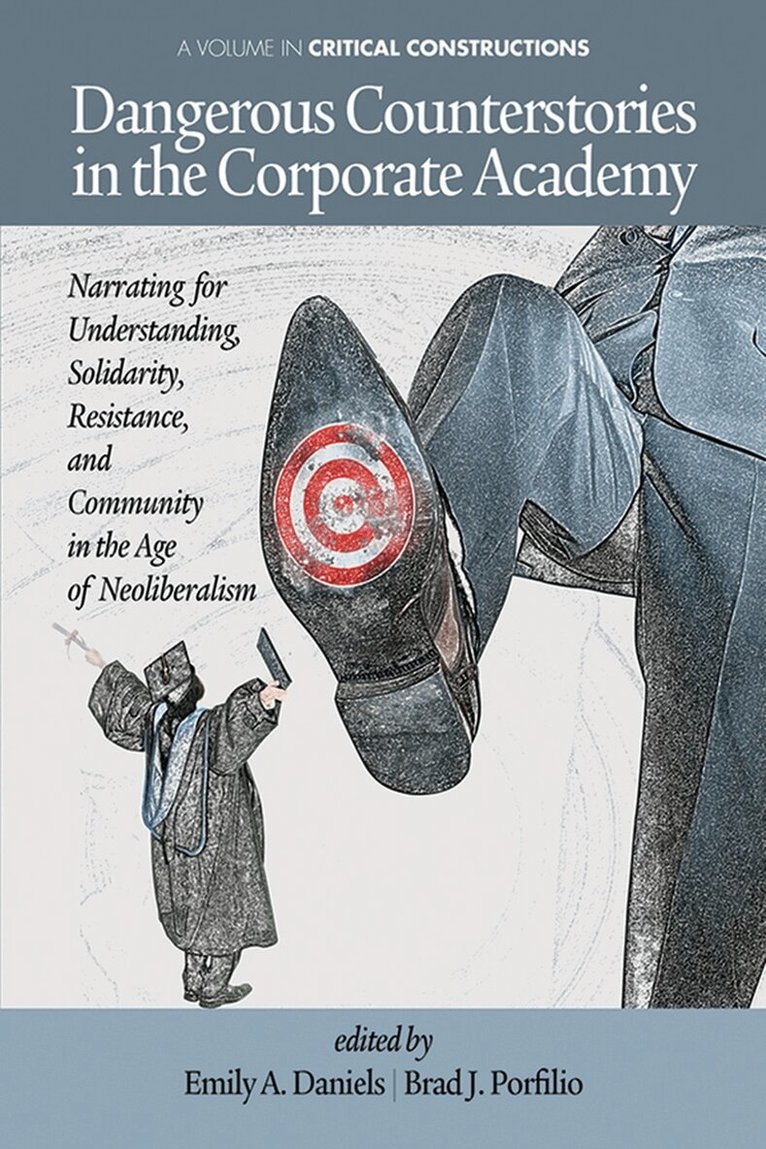
Although the social reality is stark for progressive scholars who engage in scholarly activities or are committed to guiding their students to develop a social-just praxis in the circles of higher education, some scholars have found fissures amid the alienating, often hostile academic world to learn, grow, and create transformative communities. Up to this date, however, their stories have not been captured. Therefore, the purpose of this volume is to highlight alternative narratives generated by transformative scholars who have maintained their oppositional identity to the structures that oppress the vast majority of citizens. By bringing together these narratives, we focus on those who have joined with likeminded colleagues to teach, engage in activism, and conduct emancipatory forms of research, learning to negotiate and survive academic and corporate realities in spite of restrictive climates.Not only are these stories vital for helping students, academics, and the wider community understand how commercialized forces are impacting the professional lives of critical scholars in the academy, they have the power to help current and future critical pedagogues define (and redefine) themselves in a social world which is continually 'promoting a narrow and intellectually stifling agenda for the role of education and turning the public against the very idea of a critical education' (McLaren, 2006). As stated by Bruner (1986) stories give 'a map of possible roles and possible worlds in which action, thought, and self-definition are possible (or desirable)' (p. 2, cited in Collins & Cooper, 2005). These possibilities for definition and redefinition are what we seek to present, explore and understand.
Inbunden, Engelska, 2013
1 064 kr
Skickas inom 5-8 vardagar
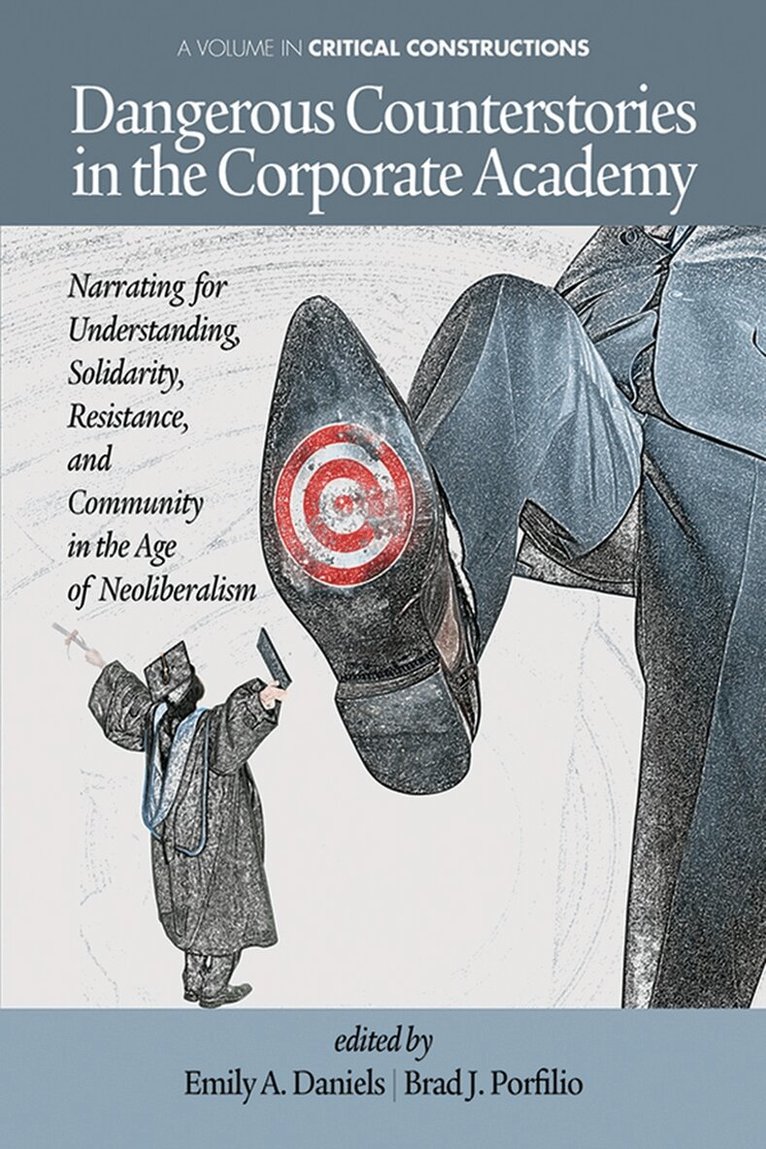
Although the social reality is stark for progressive scholars who engage in scholarly activities or are committed to guiding their students to develop a social-just praxis in the circles of higher education, some scholars have found fissures amid the alienating, often hostile academic world to learn, grow, and create transformative communities. Up to this date, however, their stories have not been captured. Therefore, the purpose of this volume is to highlight alternative narratives generated by transformative scholars who have maintained their oppositional identity to the structures that oppress the vast majority of citizens. By bringing together these narratives, we focus on those who have joined with likeminded colleagues to teach, engage in activism, and conduct emancipatory forms of research, learning to negotiate and survive academic and corporate realities in spite of restrictive climates.Not only are these stories vital for helping students, academics, and the wider community understand how commercialized forces are impacting the professional lives of critical scholars in the academy, they have the power to help current and future critical pedagogues define (and redefine) themselves in a social world which is continually 'promoting a narrow and intellectually stifling agenda for the role of education and turning the public against the very idea of a critical education' (McLaren, 2006). As stated by Bruner (1986) stories give 'a map of possible roles and possible worlds in which action, thought, and self-definition are possible (or desirable)' (p. 2, cited in Collins & Cooper, 2005). These possibilities for definition and redefinition are what we seek to present, explore and understand.
E-bok
Engelska, 2013418 kr
Läs direkt efter köp
Although the social reality is stark for progressive scholars who engage in scholarly activities or are committed to guiding their students to develop a social-just praxis in the circles of higher education, some scholars have found fissures amid the alienating, often hostile academic world to learn, grow, and create transformative communities. Up to this date, however, their stories have not been captured. Therefore, the purpose of this volume is to highlight alternative narratives generated by transformative scholars who have maintained their oppositional identity to the structures that oppress the vast majority of citizens. By bringing together these narratives, we focus on those who have joined with likeminded colleagues to teach, engage in activism, and conduct emancipatory forms of research, learning to negotiate and survive academic and corporate realities in spite of restrictive climates.Not only are these stories vital for helping students, academics, and the wider community understand how commercialized forces are impacting the professional lives of critical scholars in the academy, they have the power to help current and future critical pedagogues define (and redefine) themselves in a social world which is continually 'promoting a narrow and intellectually stifling agenda for the role of education and turning the public against the very idea of a critical education' (McLaren, 2006). As stated by Bruner (1986) stories give 'a map of possible roles and possible worlds in which action, thought, and self-definition are possible (or desirable)' (p. 2, cited in Collins & Cooper, 2005). These possibilities for definition and redefinition are what we seek to present, explore and understand.
E-bok
Engelska, 2013626 kr
Läs direkt efter köp
Although the social reality is stark for progressive scholars who engage in scholarly activities or are committed to guiding their students to develop a social-just praxis in the circles of higher education, some scholars have found fissures amid the alienating, often hostile academic world to learn, grow, and create transformative communities. Up to this date, however, their stories have not been captured. Therefore, the purpose of this volume is to highlight alternative narratives generated by transformative scholars who have maintained their oppositional identity to the structures that oppress the vast majority of citizens. By bringing together these narratives, we focus on those who have joined with likeminded colleagues to teach, engage in activism, and conduct emancipatory forms of research, learning to negotiate and survive academic and corporate realities in spite of restrictive climates.Not only are these stories vital for helping students, academics, and the wider community understand how commercialized forces are impacting the professional lives of critical scholars in the academy, they have the power to help current and future critical pedagogues define (and redefine) themselves in a social world which is continually 'promoting a narrow and intellectually stifling agenda for the role of education and turning the public against the very idea of a critical education' (McLaren, 2006). As stated by Bruner (1986) stories give 'a map of possible roles and possible worlds in which action, thought, and self-definition are possible (or desirable)' (p. 2, cited in Collins & Cooper, 2005). These possibilities for definition and redefinition are what we seek to present, explore and understand.
E-bok
PDF, Engelska, 20121 545 kr
Läs direkt efter köp
Despite challenges and continuing inequalities surrounding urban education, there are instances which provide a counter narrative to the dominant discourses of failure. Urban educators who engage conscious caring and “armed love” in their practice are an example of this. This qualitative instrumental case study examines the practices of two transformative urban educators, around caring and armed love in their classroom praxis. This study examines their conceptions and practice of these approaches through interview, field-notes and video data. The findings involve manifestations of both caring and armed love, including connection, nurturance through food, community, directness, relationships, honesty, respect and demand, as well as high expectations. Despite the challenges that surrounded this school, the atmosphere of caring and armed love acted like a protective barrier or space of safety for the students. My conclusion points to the vital significance of re-humanizing our educational discourse in favor of the genuine care and connections that exist in urban settings, and the importance of re-centering our discussion to focus on the human aspects of education which lie at the core of our profession. Firmly anchored in a critical educational tradition of struggle, Fighting, Loving, Teaching reawakens teachers to educational justice and the everyday possibilities of a pedagogy of the heart. With uncompromising passion and commitment, this timely book weaves a narrative of critical persistence and radical hope, in an effort to reinsert the revolutionary power of love into current discourses of democratic schooling and society.Antonia DarderLeavey Endowed Chair of Ethics and Moral LeadershipLoyola Marymount University, Los Angeles Author of Reinventing Paulo Freire: A Pedagogy of Love