Emily Brady - Böcker
Visar alla böcker från författaren Emily Brady. Handla med fri frakt och snabb leverans.
10 produkter
10 produkter
2 705 kr
Skickas inom 10-15 vardagar
Environment and Philosophy provides an accessible introduction to the radical challenges that environmentalism poses to concepts that have become almost second nature in the modern world. These include:* the ideas of science and objectivity* the conventional placement of the human being within the environment* the individualism of convential Modern thoughtWritten in an accessible way for those without a background in philosophy, this text examines ways of thinking about ourselves, nature and our relationship with nature. It offers an introduction to the phenomenological perspective on environmental issues, and also to the questions of what natural beauty is.
552 kr
Skickas inom 10-15 vardagar
Environment and Philosophy provides an accessible introduction to the radical challenges that environmentalism poses to concepts that have become almost second nature in the modern world. These include:* the ideas of science and objectivity* the conventional placement of the human being within the environment* the individualism of convential Modern thoughtWritten in an accessible way for those without a background in philosophy, this text examines ways of thinking about ourselves, nature and our relationship with nature. It offers an introduction to the phenomenological perspective on environmental issues, and also to the questions of what natural beauty is.
417 kr
Skickas inom 7-10 vardagar
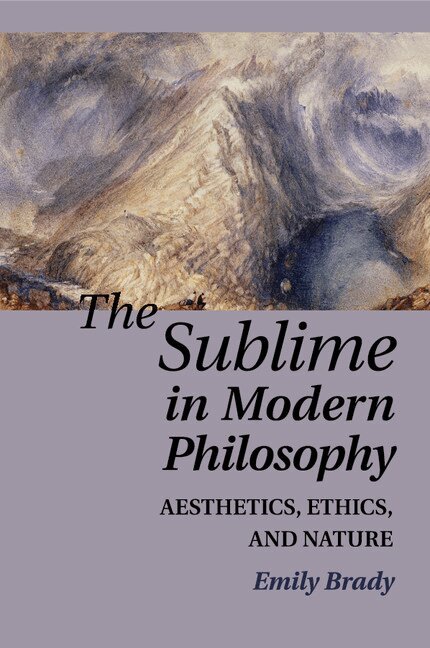
In The Sublime in Modern Philosophy: Aesthetics, Ethics, and Nature, Emily Brady takes a fresh look at the sublime and shows why it endures as a meaningful concept in contemporary philosophy. In a reassessment of historical approaches, the first part of the book identifies the scope and value of the sublime in eighteenth-century philosophy (with a focus on Kant), nineteenth-century philosophy and Romanticism, and early wilderness aesthetics. The second part examines the sublime's contemporary significance through its relationship to the arts; its position with respect to other aesthetic categories involving mixed or negative emotions, such as tragedy; and its place in environmental aesthetics and ethics. Far from being an outmoded concept, Brady argues that the sublime is a distinctive aesthetic category which reveals an important, if sometimes challenging, aesthetic-moral relationship with the natural world.
1 245 kr
Skickas inom 7-10 vardagar
In The Sublime in Modern Philosophy: Aesthetics, Ethics, and Nature, Emily Brady takes a fresh look at the sublime and shows why it endures as a meaningful concept in contemporary philosophy. In a reassessment of historical approaches, the first part of the book identifies the scope and value of the sublime in eighteenth-century philosophy (with a focus on Kant), nineteenth-century philosophy and Romanticism, and early wilderness aesthetics. The second part examines the sublime's contemporary significance through its relationship to the arts; its position with respect to other aesthetic categories involving mixed or negative emotions, such as tragedy; and its place in environmental aesthetics and ethics. Far from being an outmoded concept, Brady argues that the sublime is a distinctive aesthetic category which reveals an important, if sometimes challenging, aesthetic-moral relationship with the natural world.
1 706 kr
Skickas inom 7-10 vardagar
In the first systematic account of aesthetics in relation to the natural environment, Emily Brady provides critical understanding of what aesthetic appreciation of nature involves and develops her own distinctive aesthetic theory. In particular, she develops a theory of aesthetic appreciation which integrates subjective and objective approaches. Among the topics discussed which bring together philosophical aesthetics and environmental philosophy are: *The nature of aesthetic experience*Aesthetic value*Theories of aesthetic appreciation of nature*Art and environment*Imagination, emotion and meaning in aesthetic appreciation of nature*The justification of aesthetic judgements of nature*The intersection between aesthetic and ethical value*The role of aesthetics in nature conservation and environmental policyIn providing a thorough account of the literature together with original critical insights this book will be of interest to undergraduates, postgraduates and academics in environmental philosophy and aesthetics as well as those in geography, landscape architecture, art theory and sociology.Features:*Offers a new approach to the subject*Provides a solid grounding in environmental aesthetics*Connects with ecological issues, conservation and environmental planning
430 kr
Skickas inom 3-6 vardagar
1 572 kr
Skickas inom 10-15 vardagar
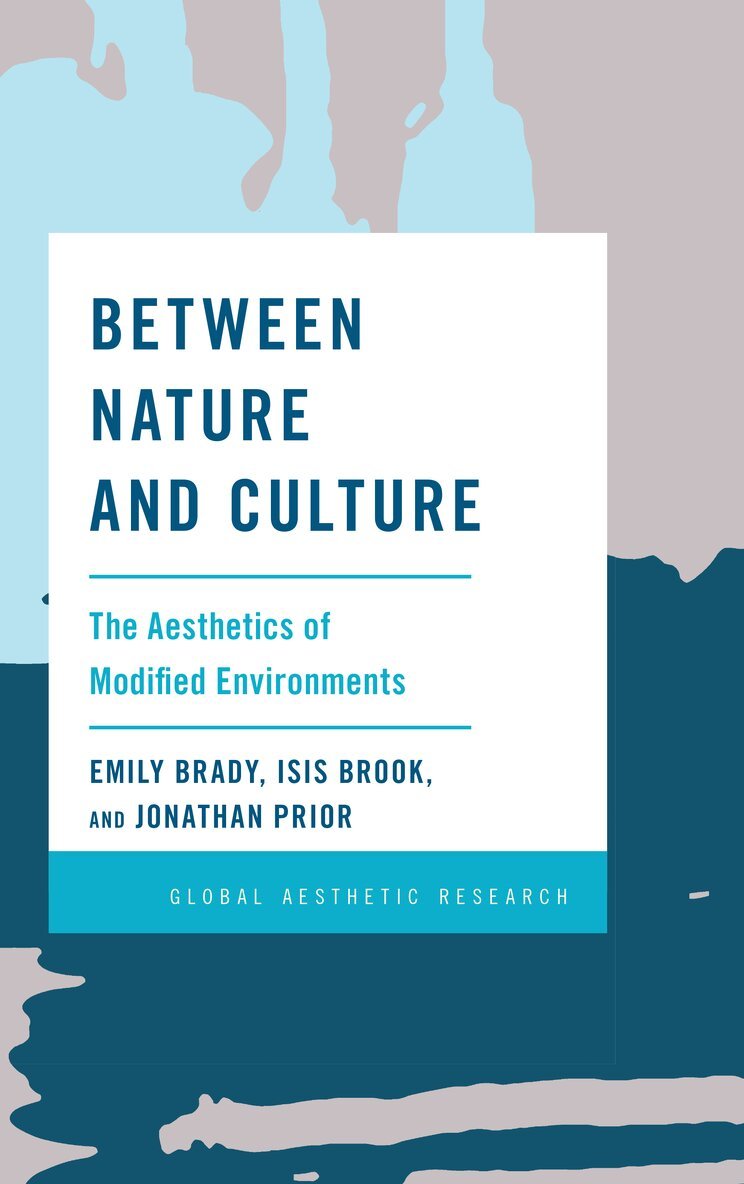
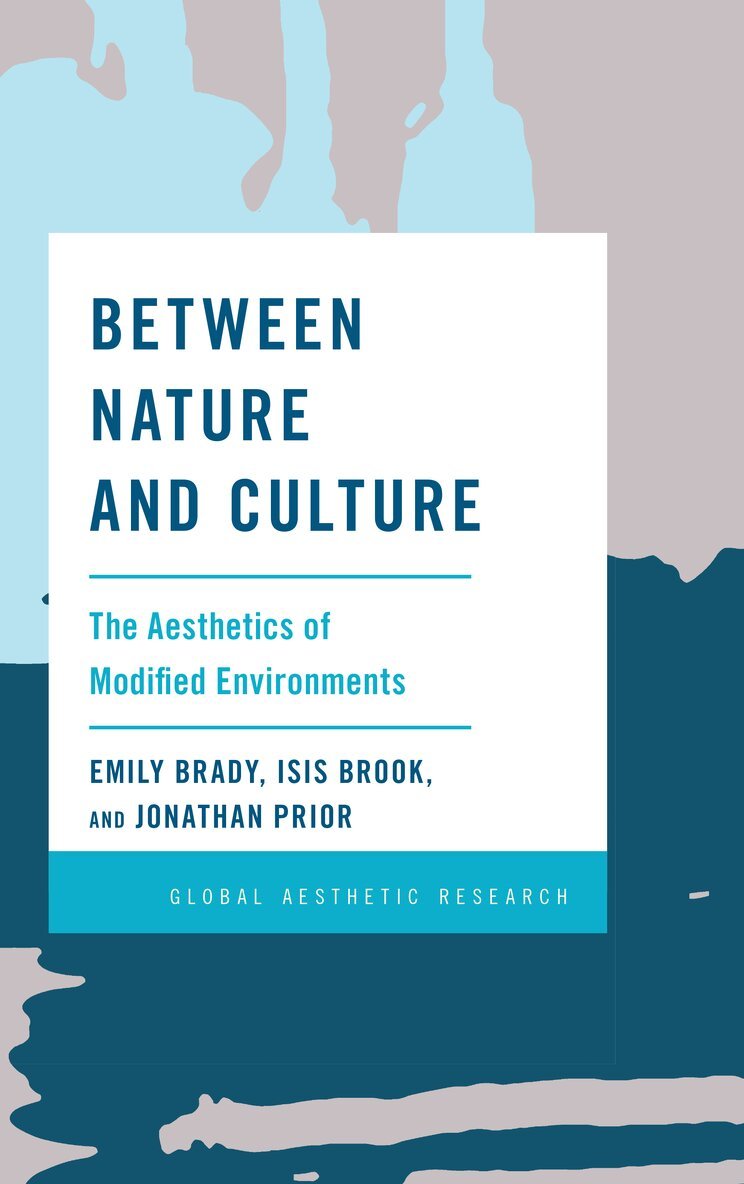
Within philosophy, a new interest in aesthetics beyond the arts has encouraged the rapid growth of environmental aesthetics. Within this literature, however, less attention has been given to the spaces and places that emerge from various nature-culture interactions. This has meant the relative neglect of types of environments to which the majority of people have access, and interact with, in a sustained manner. In this respect, these are the environments in which many of us understand and value nature. Through a greater understanding of how humans interact with these environments and the types of relationships that emerge through this interaction, we address seek to address this gap.Between Nature and Culture provides a systematic, philosophical account of the main issues and problems that pertain to the aesthetics of modified environments, as well as new insights concerning the generation and appreciation of landscapes and environments that fall between (non-human) nature and (human) culture, including gardens, agricultural and ecologically restored landscapes, and land and ecological art works.
568 kr
Skickas inom 10-15 vardagar
Within philosophy, a new interest in aesthetics beyond the arts has encouraged the rapid growth of environmental aesthetics. Within this literature, however, less attention has been given to the spaces and places that emerge from various nature-culture interactions. This has meant the relative neglect of types of environments to which the majority of people have access, and interact with, in a sustained manner. In this respect, these are the environments in which many of us understand and value nature. Through a greater understanding of how humans interact with these environments and the types of relationships that emerge through this interaction, we address seek to address this gap.Between Nature and Culture provides a systematic, philosophical account of the main issues and problems that pertain to the aesthetics of modified environments, as well as new insights concerning the generation and appreciation of landscapes and environments that fall between (non-human) nature and (human) culture, including gardens, agricultural and ecologically restored landscapes, and land and ecological art works.
1 069 kr
Skickas inom 10-15 vardagar
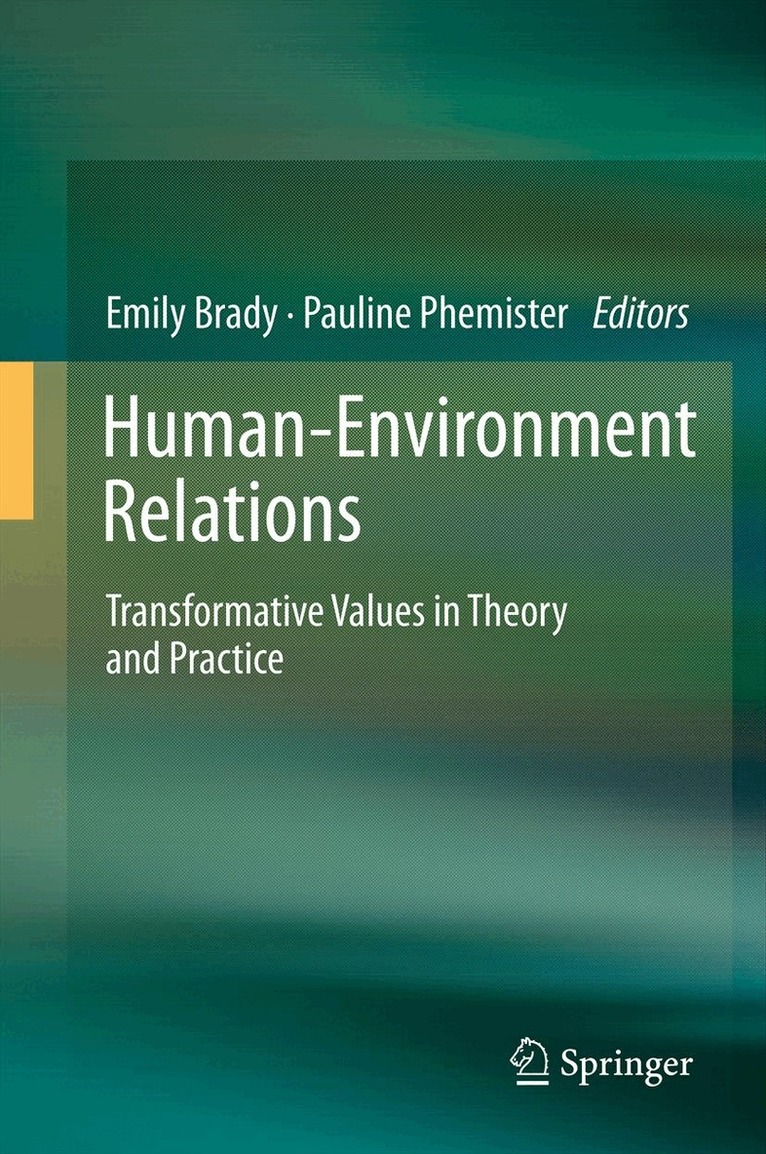
This fresh and innovative approach to human-environmental relations will revolutionise our understanding of the boundaries between ourselves and the environment we inhabit. The anthology is predicated on the notion that values shift back and forth between humans and the world around them in an ethical communicative zone called ‘value-space’. The contributors examine the transformative interplay between external environments and human values, and identify concrete ways in which these norms, residing in and derived from self and society, are projected onto the environment.
1 069 kr
Skickas inom 10-15 vardagar
This fresh and innovative approach to human-environmental relations will revolutionise our understanding of the boundaries between ourselves and the environment we inhabit. The anthology is predicated on the notion that values shift back and forth between humans and the world around them in an ethical communicative zone called ‘value-space’. The contributors examine the transformative interplay between external environments and human values, and identify concrete ways in which these norms, residing in and derived from self and society, are projected onto the environment.