Emily Selove – författare
Visar alla böcker från författaren Emily Selove. Handla med fri frakt och snabb leverans.
13 produkter
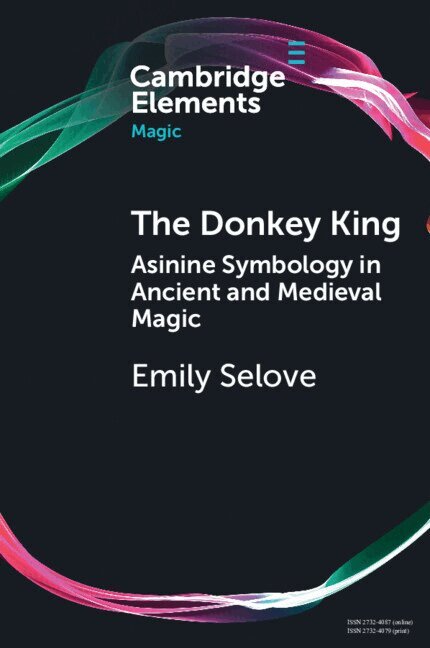
The Donkey King
Asinine Symbology in Ancient and Medieval Magic
Av Emily Selove
Häftad, 2023
354 kr
Lägg i varukorg
The 13th-century Arabic grimoire, al-Sakkākī's Kitāb al-Shāmil (Book of the Complete), provides numerous methods of contacting jinn. The first such jinn described, Abū Isrā'īl Būzayn ibn Sulaymān, arrives with a donkey. In the course of offering an explanation for his ritual, this Element reveals …
Donkey King
Asinine Symbology in Ancient and Medieval Magic
Av Emily Selove
E-bok, 2023
338 kr
Lägg i varukorg
Donkey King
Asinine Symbology in Ancient and Medieval Magic
Av Emily Selove
E-bok, 2023
338 kr
Lägg i varukorg
The Donkey King
Asinine Symbology in Ancient and Medieval Magic
Av Emily Selove
Inbunden, 2023
1048 kr
Lägg i varukorg
The 13th-century Arabic grimoire, al-Sakkākī's Kitāb al-Shāmil (Book of the Complete), provides numerous methods of contacting jinn. The first such jinn described, Abū Isrā'īl Būzayn ibn Sulaymān, arrives with a donkey. In the course of offering an explanation for his ritual, this Element reveals …
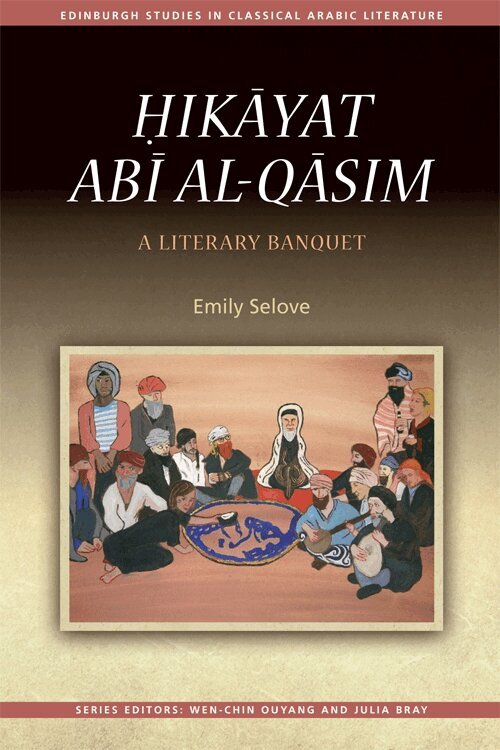
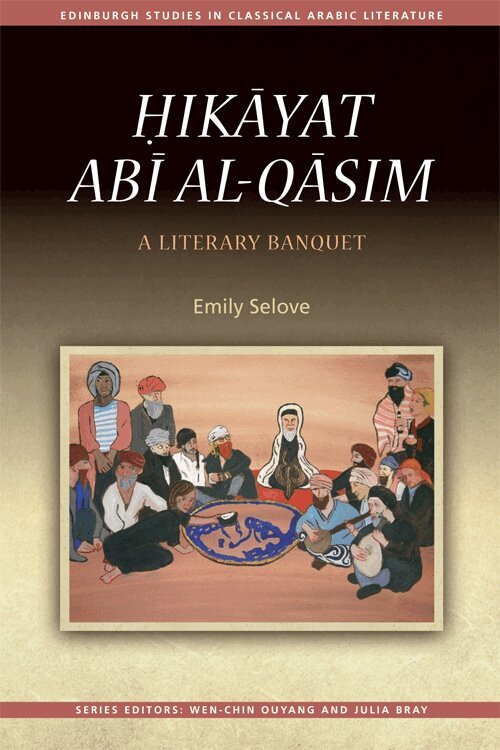
Ḥikāyat Abī al-Qāsim
A Literary Banquet
Av Emily Selove
Inbunden, 2016
1721 kr
Lägg i varukorg
Ḥikāyat Abu al-Qāsim, probably written in the 11th century by the otherwise unknown al-Azdī, tells the story of a gate-crasher from Baghdad named Abū al-Qāsim, who shows up uninvited at a party in Isfahan. Dressed as a holy man and reciting religious poetry, he soon relaxes his demeanour, and, …
Ḥikāyat Abī al-Qāsim
A Literary Banquet
Av Emily Selove
Häftad, 2017
404 kr
Lägg i varukorg
This study compares ?ikayah, a mysterious text surviving in a single manuscript, to other comical banquet texts and party-crashing characters, especially from Ancient Greece and Rome.
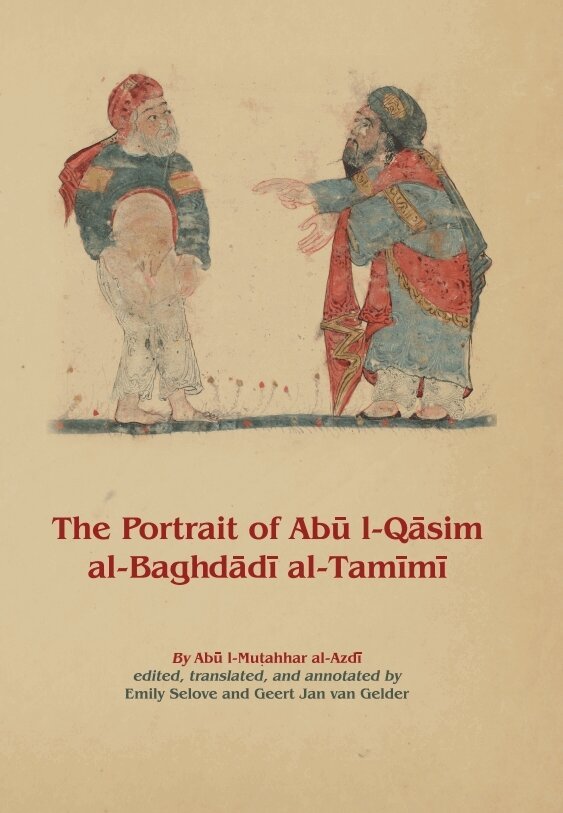
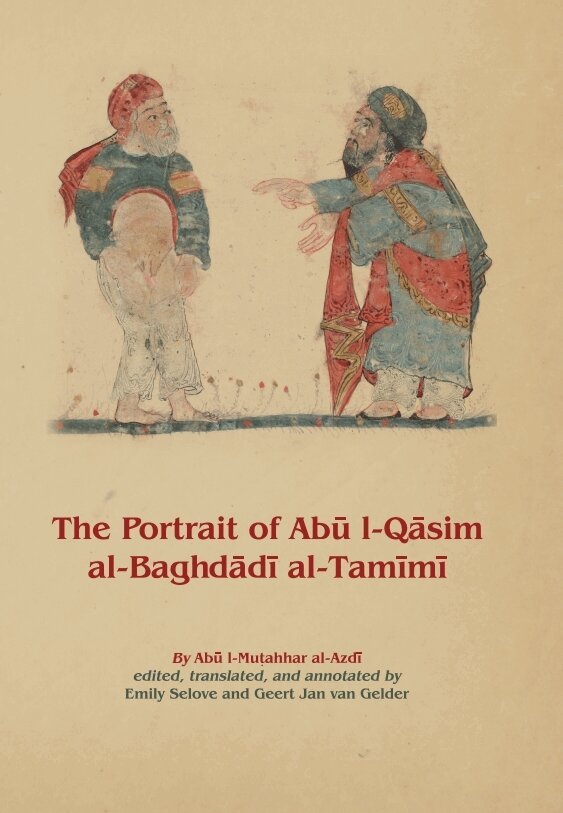
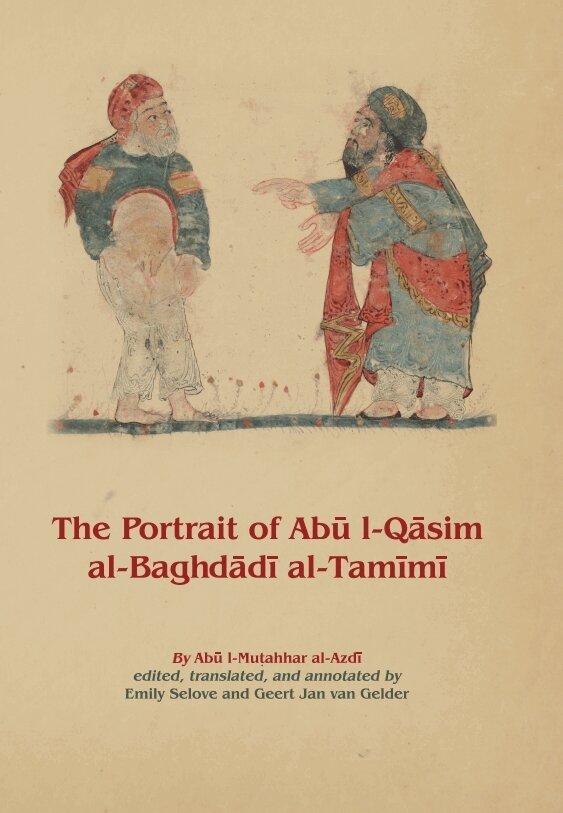
Portrait of Abū l-Qāsim al-Baghdādī al-Tamīmī
Av Abū l-Muṭahhar Muḥammad ibn Aḥmad al-Azdī, Emily Selove m. fl.
Inbunden, 2021
1626 kr
Lägg i varukorg
Hikayat Abi l-Qasim al-Baghdadi (The Portrait of Abu l-Qasim al-Baghdadi) is an 11th-century Arabic work by Abu l-Mutahhar Muhammad ibn Ahmad al-Azdi which tells the story of a Baghdadi party-crasher crashing a party in Isfahan. It is introduced by its author as a microcosm of Baghdad. This work, …
Portrait of Abū l-Qāsim al-Baghdādī al-Tamīmī
Av Abū l-Muṭahhar Muḥammad ibn Aḥmad al-Azdī, Emily Selove m. fl.
E-bok, 2021
2127 kr
Lägg i varukorg
Hikayat Abi l-Qasim al-Baghdadi (The Portrait of Abu l-Qasim al-Baghdadi) is an 11th-century Arabic work by Abu l-Mutahhar Muhammad ibn Ahmad al-Azdi which tells the story of a Baghdadi party-crasher crashing a party in Isfahan. It is introduced by its author as a microcosm of Baghdad. This work, …
Portrait of Abū l-Qāsim al-Baghdādī al-Tamīmī
Av Abū l-Muṭahhar Muḥammad ibn Aḥmad al-Azdī, Emily Selove m. fl.
E-bok, 2021
2196 kr
Lägg i varukorg
Hikayat Abi l-Qasim al-Baghdadi (The Portrait of Abu l-Qasim al-Baghdadi) is an 11th-century Arabic work by Abu l-Mutahhar Muhammad ibn Ahmad al-Azdi which tells the story of a Baghdadi party-crasher crashing a party in Isfahan. It is introduced by its author as a microcosm of Baghdad. This work, …
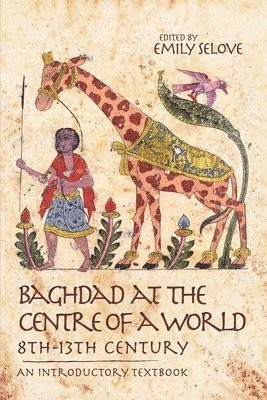
Baghdad at the Centre of a World, 8th-13th Century: An Introductory Textbook
Av Emily Selove
Häftad, 2019
376 kr
Lägg i varukorg