Emily Vine - Böcker
Visar alla böcker från författaren Emily Vine. Handla med fri frakt och snabb leverans.
2 produkter
2 produkter
1 192 kr
Skickas inom 7-10 vardagar
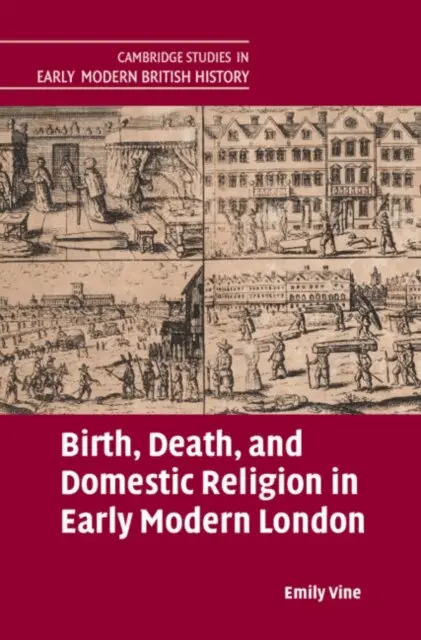
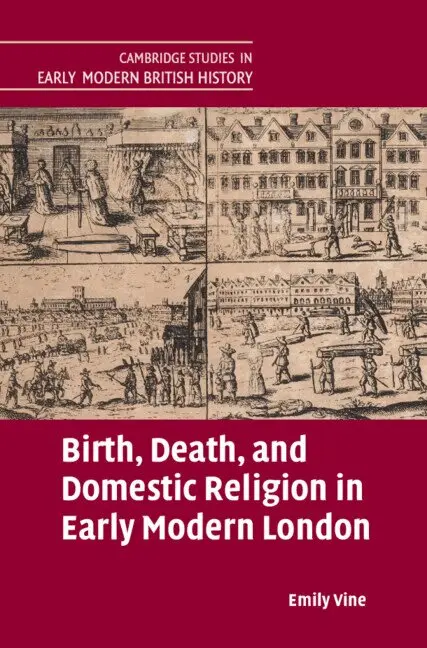
Early modern London has long been recognised as a centre of religious diversity, yet the role of the home as the setting of religious practice for all faiths has been largely overlooked. In contrast, this study offers the first examination of domestic religion in London during a period of intense religious change, between the Gunpowder Plot of 1605 and the Gordon Riots of 1780. Emily Vine considers both Christian and Jewish practices, comparing the experiences of Catholics, Sephardi and Ashkenazi Jews, Huguenots, and confirming and nonconfirming Protestants alike. Through its focus on the crowded metropolis as a place where households of different faiths coexisted, this study explores how religious communities operated beyond and in parallel to places of public worship. Vine demonstrates how families of different faiths experienced childbirth and death, arguing that homes became 'permeable' settings of communal religion at critical moments of the life cycle. By focusing on practices beyond the synagogue, meeting house, or church, this book demonstrates the vitality of collective devotion and kinship throughout the long eighteenth century.
Del 14 - Seventeenth- and Eighteenth-Century Studies
Religion and Life Cycles in Early Modern England
Inbunden, Engelska, 2021
1 235 kr
Skickas inom 5-8 vardagar
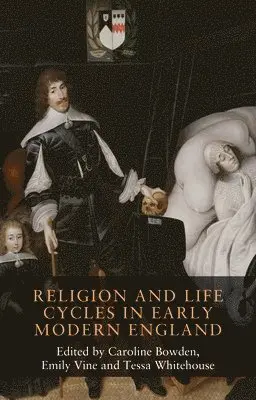
Religion and life cycles in early modern England assembles scholars working in the fields of history, English literature and art history to further our understanding of the intersection between religion and the life course in the period c. 1550–1800. Featuring chapters on Catholic, Protestant and Jewish communities, it encourages cross-confessional comparison between life stages and rites of passage that were of religious significance to all faiths in early modern England. The book considers biological processes such as birth and death, aspects of the social life cycle including schooling, coming of age and marriage and understandings of religious transition points such as spiritual awakenings and conversion. Through this inclusive and interdisciplinary approach, it seeks to show that the life cycle was not something fixed or predetermined and that early modern individuals experienced multiple, overlapping life cycles.