Emir Sader - Böcker
Visar alla böcker från författaren Emir Sader. Handla med fri frakt och snabb leverans.
2 produkter
2 produkter
454 kr
Skickas inom 3-6 vardagar
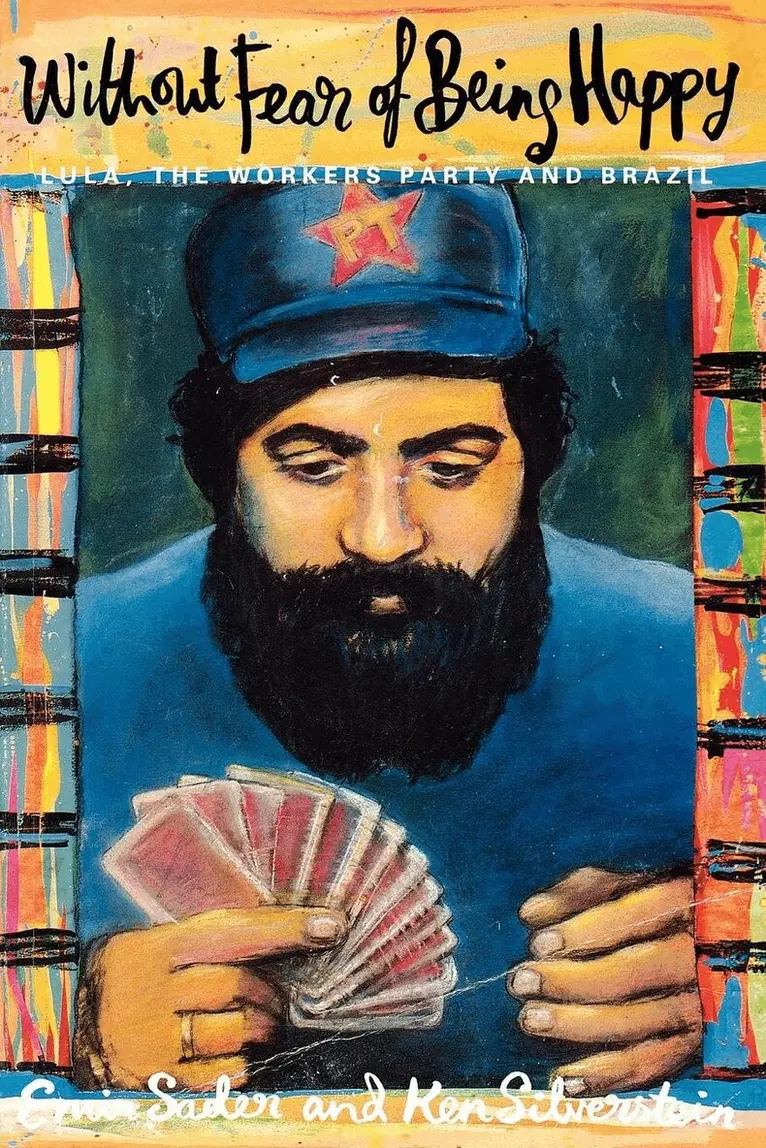
The Brazilian Workers Party is the most important political formation to emerge in Latin America for many years. Under the charismatic leadership of an ex-metalworker and union official, Luis Inácio da Silva, known simply as "Lula" by the Brazilian masses, the Workers Party won 31 million votes to come within three per cent of winning the 1989 presidential election on a bold anti-capitalist platform.Taking its title from the Workers Party's slogan in these elections, Without Fear of Being Happy shows how the party's development reflected the increasing social inequalities under Brazil's military dictatorship of 1964 to 1985, and gives an account of the wave of strikes organized by Workers Party leaders which accelerated the collapse of the generals' regime.Since its formation in 1980, the party has brought together trade unionists, landless peasants, shantytown activists, the progressive wing of the Catholic Church and human rights campaigners. Drawing on the experiences and aspirations of this wide coalition, it has attempted to redefine a socialist perspective in a time of triumphant neo-liberalism.In a detailed assessment of the organization, program and electoral prospects of the Workers Party today, Emir Sader and Ken Silverstein highlight the dilemmas it faces as a radical political force in a country who economy-the eighth largest in the West-attracts keen interest from the United States.The Workers Party's success has foreshadowed the emergence of leftwing coalitions in other countries of the region and has been an inspiration for socialists throughout the Third World. The first comprehensive account of this remarkable political phenomenon, Without Fear of Being Happy will be of lasting value to all those interested in Latin American politics and anti-imperialist strategies in the era of the New World Order.
175 kr
Tillfälligt slut
The New Mole is a major new analysis of recent developments in Latin American politics by one of the continent's leading political thinkers. Emir Sader explains the resurgence of radicalism in terms of the region's history and explores its theoretical underpinning. The book is unusual in combining succinct judgments with broad chronological and geographical sweep-covering a period running from the early twentieth century to the present and detailing the political interplay between nations.Sader points to areas where Latin America offers new insights to the world-on indigenous questions, for example-and areas where political thought lags behind practice, as in Venezuela. He also examines the process of regional integration under way in Latin America, which stands out because it is occurring independently of Washington. Looking at the role of political and ideological struggles in defining the continent's trajectory, Sader concludes with an optimistic affirmation of agency that is all the more convincing for its sobriety.