Emma Elfversson – författare
2 195 kr
Skickas inom 10-15 vardagar
757 kr
Läs direkt efter köp
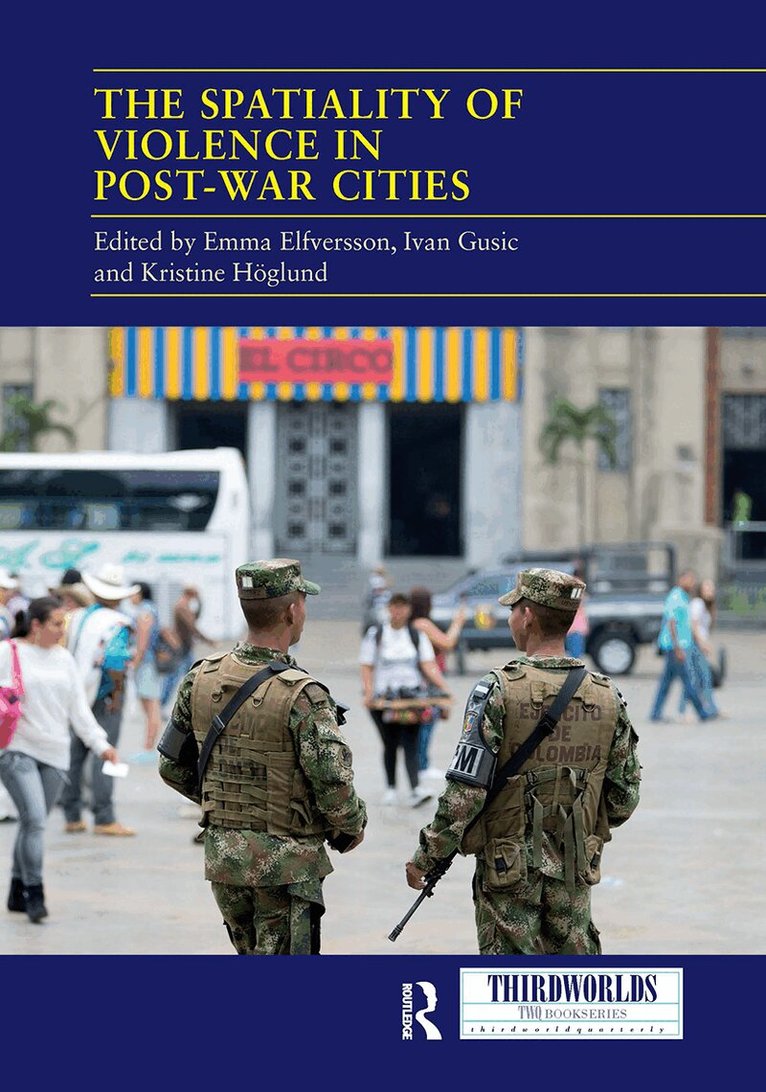
The Spatiality of Violence in Post-war Cities analyses violence in post-war cities from different perspectives and in different parts of the world, with a shared attention to space and how it affects violent dynamics.
The world is urbanising rapidly and cities are increasingly held as the most important arenas for sustainable development. Cities emerging from war are no exception, but across the globe, many post-war cities are ravaged by residual or renewed violence, which threatens progress towards peace and stability. This volume addresses why such violence happens, where and how it manifests, and how it can be prevented. It includes contributions that are informed by both post-war logics and urban particularities, that take intra-city dynamics into account, and that adopt a spatial analysis of the city. They focus on cases around the world, including Medellín (Colombia), Johannesburg (South Africa) and Mitrovica (Kosovo). The volume makes a threefold contribution to the research agenda on violence in post-war cities. First, the contributions nuance our understanding of the causes and forms of the uneven spatial distribution of violence, insecurities, and trauma within and across post-war cities. Second, the collection demonstrates how urban planning and the built environment shape and generate different forms of violence in post-war cities. Third, the contributions explore the challenges, opportunities, and potential unintended consequences of conflict resolution in violent urban settings.
Providing novel insights into the causes and dynamics of violence in post-war cities, and challenges and opportunities for violence reduction, The Spatiality of Violence in Post-war Cities will be of great interest to scholars of peace, violence, conflict and its resolution, urban studies, built environment and planning.
The chapters were originally published as a special issue of Third World Thematics.
730 kr
Läs direkt efter köp
The Spatiality of Violence in Post-war Cities analyses violence in post-war cities from different perspectives and in different parts of the world, with a shared attention to space and how it affects violent dynamics.
The world is urbanising rapidly and cities are increasingly held as the most important arenas for sustainable development. Cities emerging from war are no exception, but across the globe, many post-war cities are ravaged by residual or renewed violence, which threatens progress towards peace and stability. This volume addresses why such violence happens, where and how it manifests, and how it can be prevented. It includes contributions that are informed by both post-war logics and urban particularities, that take intra-city dynamics into account, and that adopt a spatial analysis of the city. They focus on cases around the world, including Medellín (Colombia), Johannesburg (South Africa) and Mitrovica (Kosovo). The volume makes a threefold contribution to the research agenda on violence in post-war cities. First, the contributions nuance our understanding of the causes and forms of the uneven spatial distribution of violence, insecurities, and trauma within and across post-war cities. Second, the collection demonstrates how urban planning and the built environment shape and generate different forms of violence in post-war cities. Third, the contributions explore the challenges, opportunities, and potential unintended consequences of conflict resolution in violent urban settings.
Providing novel insights into the causes and dynamics of violence in post-war cities, and challenges and opportunities for violence reduction, The Spatiality of Violence in Post-war Cities will be of great interest to scholars of peace, violence, conflict and its resolution, urban studies, built environment and planning.
The chapters were originally published as a special issue of Third World Thematics.
642 kr
Skickas inom 10-15 vardagar
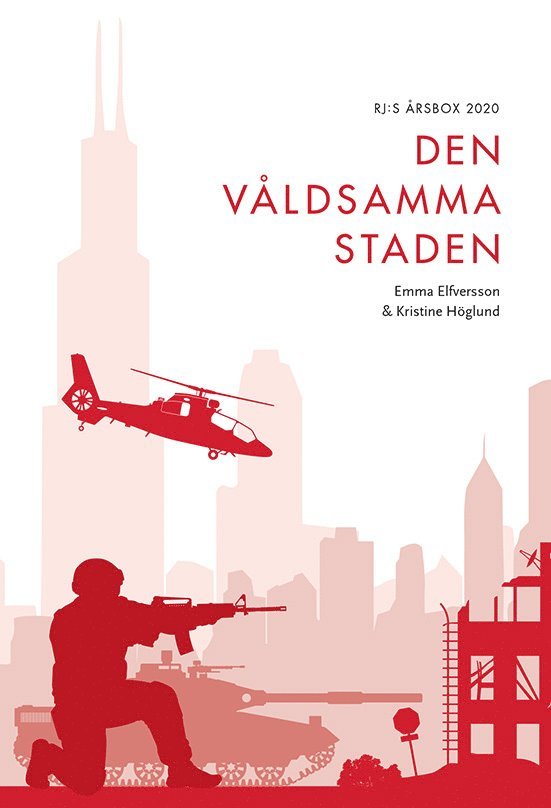
Den våldsamma staden (RJ:s årsbox 2020. Staden)
18 kr
Skickas
På senare år har vi i Sverige kunnat läsa om återkommande uppgörelser med skjutningar och sprängningar mellan olika kriminella gäng i svenska städer. Men olika former av våld uppgörelser, upplopp, terrorattentat tycks vara en ständig gäst i världens städer. Det verkar till och med som om städer har en särskild sårbarhet för våld och fungerar som magneter för konflikter. Vad beror det på? Och hur kan våldet förebyggas? I detta häfte presenterar freds- och konfliktforskarna Emma Elfversson och Kristine Höglund, som gjort fältstudier bland annat i Kenyas huvudstad Nairobi, en analys av vad det är som driver på våldsamheter i just staden.
Emma Elfversson är forskare inom freds- och konfliktforskning vid Uppsala universitet. Hon leder två forskningsprojekt om etnopolitiskt våld i städer. Hennes forskning berör urbanisering och konflikt i utvecklingsländer, konfliktlösning i lokala etniska konflikter och olika statliga och icke-statliga aktörers roll i konflikthantering. Kristine Höglund är professor i freds- och konfliktforskning vid Uppsala universitet. Hon forskar om orsaker till fred i södra Afrika, lokalt fredsbyggande, politiskt våld i samband med val och demokratiseringsprocesser, våld i städer samt hur urbana konflikter kan förebyggas och lösas.
Stiftelsen Riksbankens Jubileumsfond (RJ) publicerar sedan 2008 en årsbok. Ambitionen med årsböckerna är att ge en bild av kvaliteten och bredden i dagens forskning inom humaniora och samhällsvetenskap. Varje bok behandlar ett övergripande tema med utgångspunkt i den forskning stiftelsen stödjer. År 2020 består årsboken av sex häften, essäer på temat Staden, som tillsammans utgör en årsbox. Den våldsamma staden är andra häftet i boxen.