Emma Kay – författare
Visar alla böcker från författaren Emma Kay. Handla med fri frakt och snabb leverans.
19 produkter
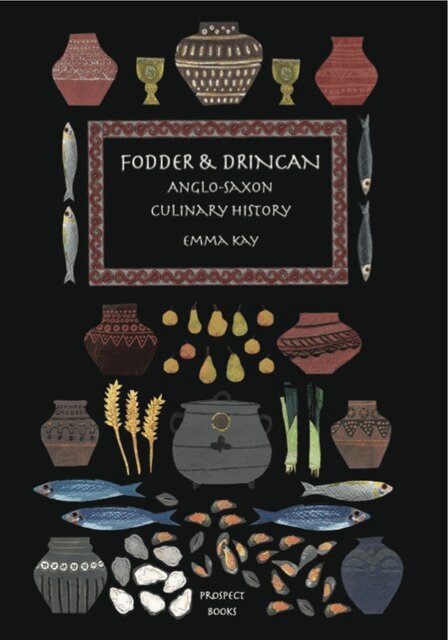
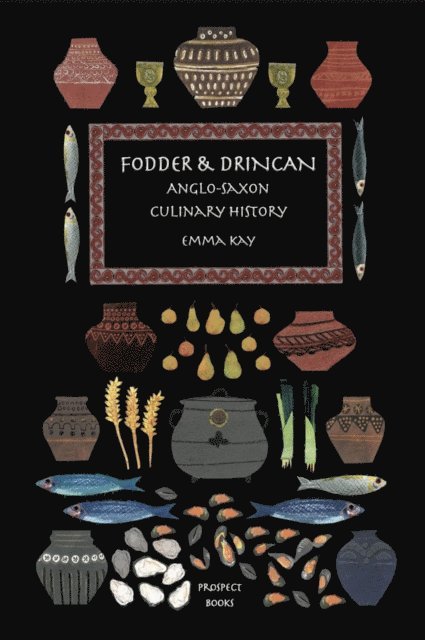
Fodder & Drincan
Anglo-Saxon Culinary History
Av Emma Kay
Häftad, 2022
259 kr
Lägg i varukorg
A feisty, entertaining and historical account of Anglo Saxon cooking and eating, with reconstructed recipes of the period circa 400 to 1066. Emma Kay believes that the modern world has a huge amount to learn from ancient times. We are now interested in the preservation of original species and …
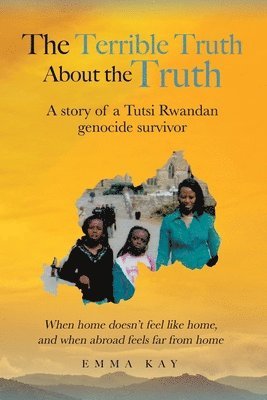
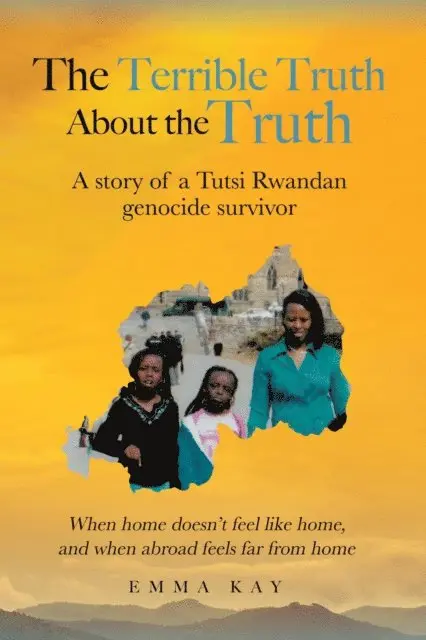
Terrible Truth about the Truth
A story of a Tutsi Rwandan genocide survivor - When home doesn't feel like home, and when abroad feels far from home
Av Emma Kay
Häftad, 2022
303 kr
Lägg i varukorg
Terrible Truth about the Truth
A story of a Tutsi Rwandan genocide survivor - When home doesn't feel like home, and when abroad feels far from home
Av Emma Kay
Inbunden, 2022
414 kr
Lägg i varukorg
Fodder & Drincan
Anglo-Saxon Culinary History
Av Emma Kay
E-bok, 2022
284 kr
Lägg i varukorg
The book is an entertaining historical account of Anglo-Saxon cooking, covering the centuries from 400 to 1066 CE.The author gives us evidence based information from historical artefacts and plants, showing what our early ancestors had at their disposal.
Wortes and All
Medieval Cooking
Av Emma Kay
Häftad, 2025
181 kr
Lägg i varukorg
Food was as important a part of daily life in the Middle Ages, as it is today. In Wortes and All: Medieval Cooking food historian Emma Kay examines what people were eating and drinking in England from the Norman Conquest in 1066 to the 1500s. We not only discover what people were cooking and how …
History of Herbalism
Cure, Cook and Conjure
Av Emma Kay
Inbunden, 2022
219 kr
Lägg i varukorg
Food historian Emma Kay tells the story of our centuries-old relationship with herbs. From herbalists of old to contemporary cooking, this book reveals the magical and medicinal properties of your favourite plants in colourful, compelling detail.At one time, every village in Britain had a …
History of Herbalism
Cure, Cook and Conjure
Av Emma Kay
E-bok, 2022
294 kr
Lägg i varukorg
Food historian Emma Kay tells the story of our centuries-old relationship with herbs. From herbalists of old to contemporary cooking, this book reveals the magical and medicinal properties of your favourite plants in colorful, compelling detail. At one time, every village in Britain had a …
History of Herbalism
Cure, Cook and Conjure
Av Emma Kay
E-bok, 2022
294 kr
Lägg i varukorg
Food historian Emma Kay tells the story of our centuries-old relationship with herbs. From herbalists of old to contemporary cooking, this book reveals the magical and medicinal properties of your favourite plants in colorful, compelling detail. At one time, every village in Britain had a …
Mrs Beeton and Mrs Marshall
A Tale of Two Victorian Cooks
Av Emma Kay
Inbunden, 2023
288 kr
Lägg i varukorg
The name Mrs Beeton has endured for well over a century, synonymous with all things reassuringly culinary, while her contemporary Agnes Bertha Marshall remains somewhat of an enigma.Both Isabella Beeton and Agnes Bertha Marshall lived within a short distance of each other in Pinner, worked in …
Stinking Bishops and Spotty Pigs
Gloucestershire's Food and Drink
Av Emma Kay
Häftad, 2019
176 kr
Lägg i varukorg
Gloucestershire is a large county, rich in food and drink heritage. Famous for Double Gloucester cheese and the cheese rolling event, Old Spot pigs, cider and the birthplace of prominent tea merchant Thomas Twining, Gloucestershire’s culinary history is both colourful and diverse. Nutcrack Sunday …
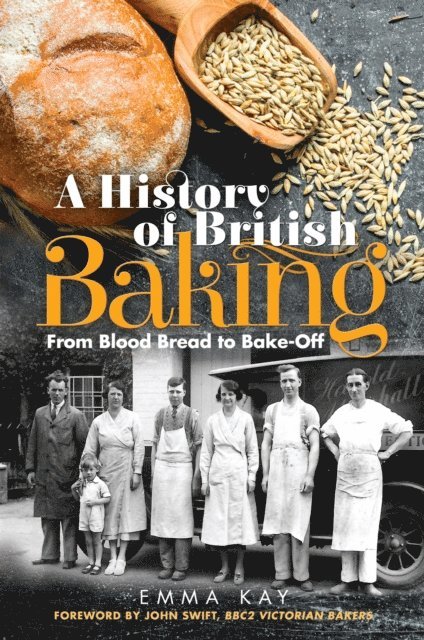
History of British Baking
From Blood Bread to Bake-Off
Av Emma Kay
Inbunden, 2020
280 kr
Lägg i varukorg
The British have been baking for centuries. Here, for the first time, is a comprehensive account of how our relationship with this much-loved art has changed, evolved and progressed over time. Renowned food historian and author, Emma Kay, skilfully combines the related histories of Britain's …
History of British Baking
From Blood Bread to Bake-Off
Av Emma Kay
E-bok, 2020
88 kr
Lägg i varukorg
A cultural and social history of Britain''s breads, cakes, and pastries through the ages, from the author of Dining with the Victorians.The Great British Baking Show and its spinoffs are a modern-day phenomenon, but the British, of course, have been baking for centuries—and here, for the first …
History of British Baking
From Blood Bread to Bake-Off
Av Emma Kay
E-bok, 2020
88 kr
Lägg i varukorg
A cultural and social history of Britain''s breads, cakes, and pastries through the ages, from the author of Dining with the Victorians.The Great British Baking Show and its spinoffs are a modern-day phenomenon, but the British, of course, have been baking for centuries—and here, for the first …
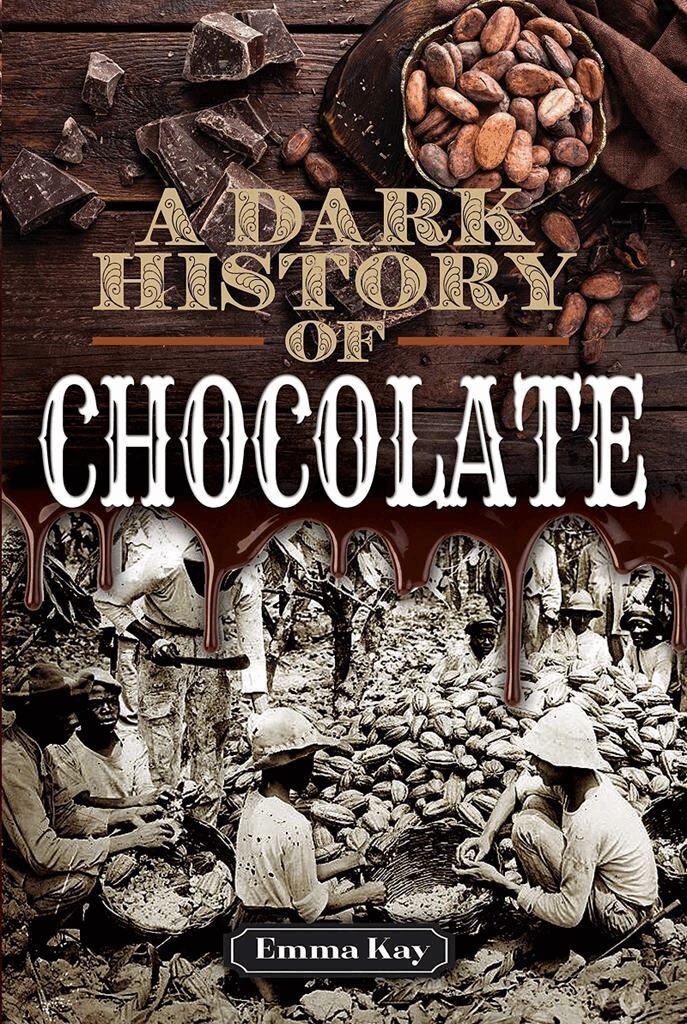
Dark History of Chocolate
Av Emma Kay
Inbunden, 2021
218 kr
Lägg i varukorg
_A Dark History of Chocolate_ looks at our long relationship with this ancient 'food of the Gods'. The book examines the impact of the cocoa bean trade on the economies of Britain and the rest of Europe, as well as its influence on health, cultural and social trends over the centuries. Renowned …
Dark History of Chocolate
Av Emma Kay
E-bok, 2021
152 kr
Lägg i varukorg
A Dark History of Chocolate looks at our long relationship with this ancient ''food of the Gods''. The book examines the impact of the cocoa bean trade on the economies of Britain and the rest of Europe, as well as its influence on health, cultural and social trends over the centuries. Renowned …
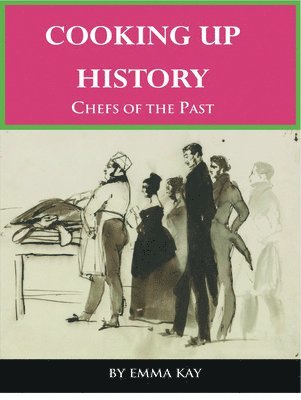
Cooking Up History
Chefs of the Past
Av Emma Kay
Häftad, 2017
196 kr
Lägg i varukorg
This book is an account of historys most forgotten cooks, from chefs Louis Eustache Ude, Charles Francatelli and Alexis Soyer, to American cooks. It includes Hercules, George Washingtons black enslaved American chef, George Speck, credited with the invention of the potato chip, Fannie Merritt …
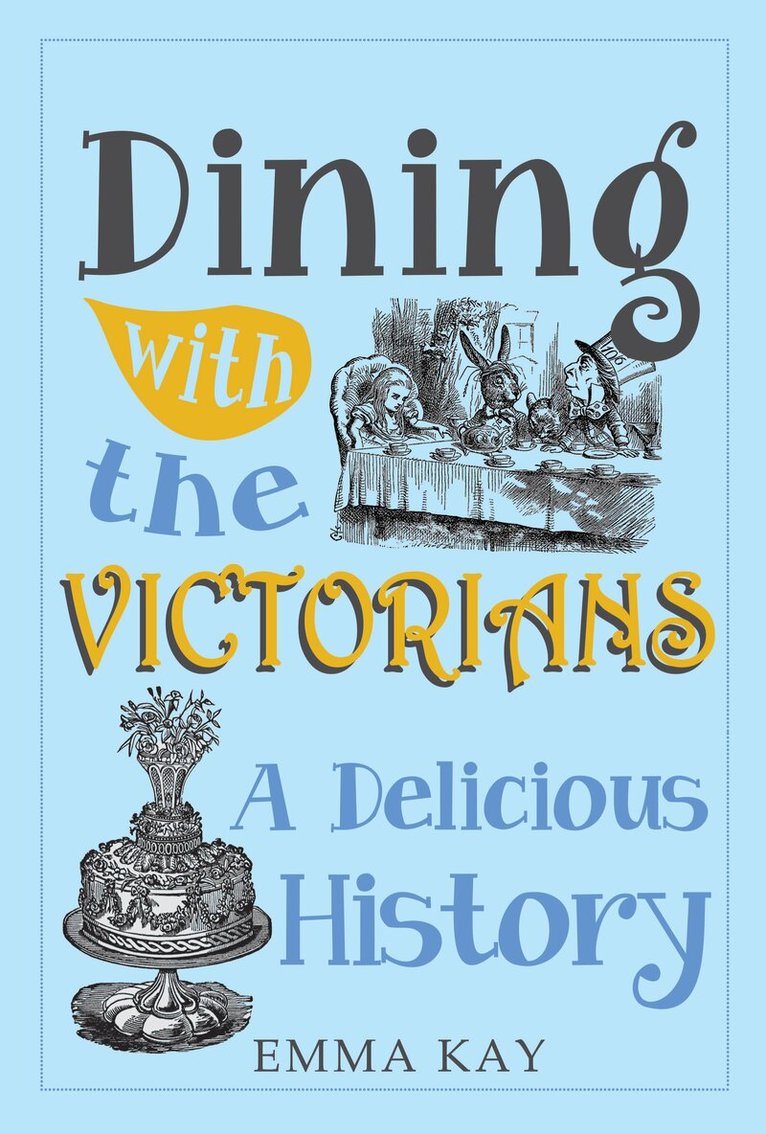
Dining with the Victorians
A Delicious History
Av Emma Kay
Inbunden, 2015
366 kr
Tillfälligt slut
From traditional seaside holiday treats like candy floss, ice cream and fish ‘n’ chips, to the British fascination for cooking and baking, the Victorian era has shaped British culinary heritage. Victoria’s austere attitude after an age of Regency indulgence generated enormous cultural change. …
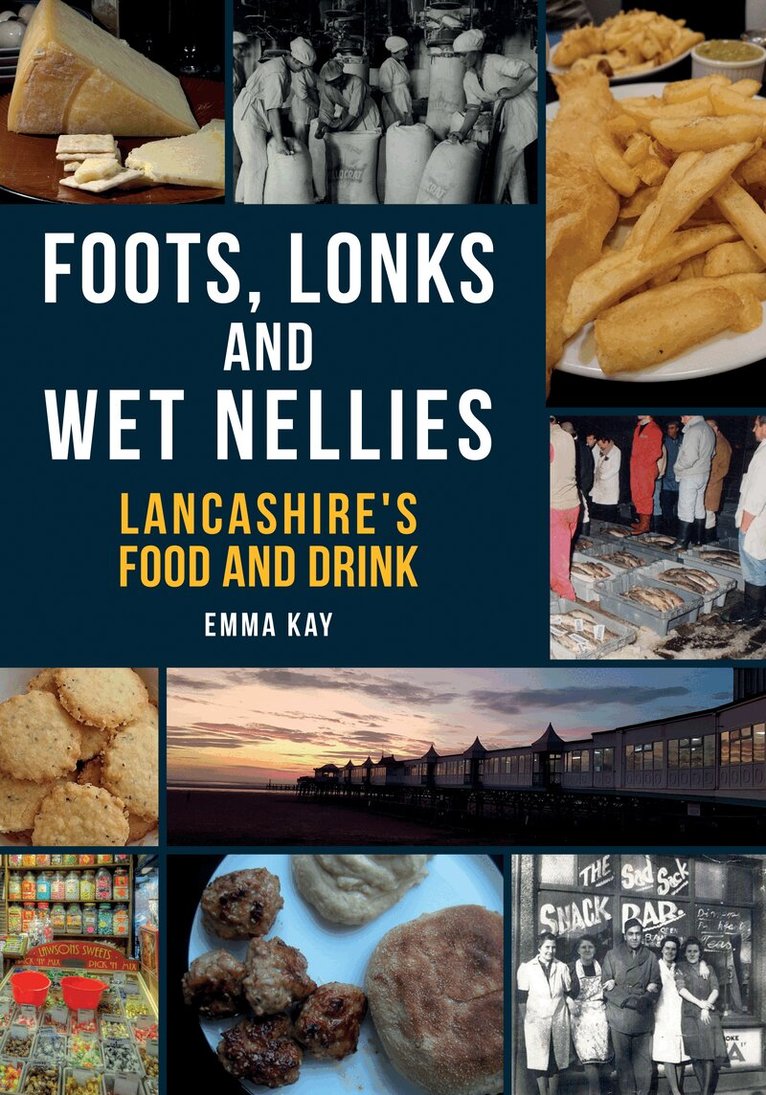
Foots, Lonks and Wet Nellies
Lancashire's Food and Drink
Av Emma Kay
Häftad, 2022
176 kr
Tillfälligt slut
Readers may be surprised to learn the real origins of Lancashire hotpot and discover that some of those all-time-favourites like Jelly Babies, Vimto, and Fox’s biscuits all have their roots in the county. While Eccles and Chorley cakes are well-known Lancashire staples, gingerbread production and …