Enrique Fernández - Böcker
Visar alla böcker från författaren Enrique Fernández. Handla med fri frakt och snabb leverans.
8 produkter
8 produkter
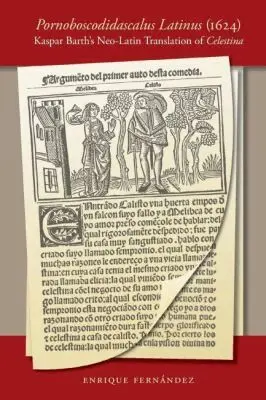
Pornoboscodidascalus Latinus (1624): Kaspar Barth's Neo-Latin Translation of Celestina
Häftad, Engelska, 2006
483 kr
Skickas inom 10-15 vardagar
In 1624 the German erudite Kaspar Barth translated the Spanish book Celestina (1499) into Neo-Latin with the title Pornoboscodidascalus (""teacher of the brothel master""). The translation, intended for the cultivated readers who still used Latin as their lingua franca, contained an extensive prologue and numerous translation notes. This first critical edition of Barth's translation is a valuable tool not only for Celestina scholars, but also for Neo-Latin scholars and for those interested in the history of translation and in early modern Europe. With such a wide readership in mind, the edition contains the transcription of the Neo-Latin text, as well as the English translation of Barth's prologue and notes. It also includes a critical apparatus, notes with full references to the sources quoted by Barth, and an introduction to the most relevant aspects of Barth's translation.
825 kr
Skickas inom 7-10 vardagar
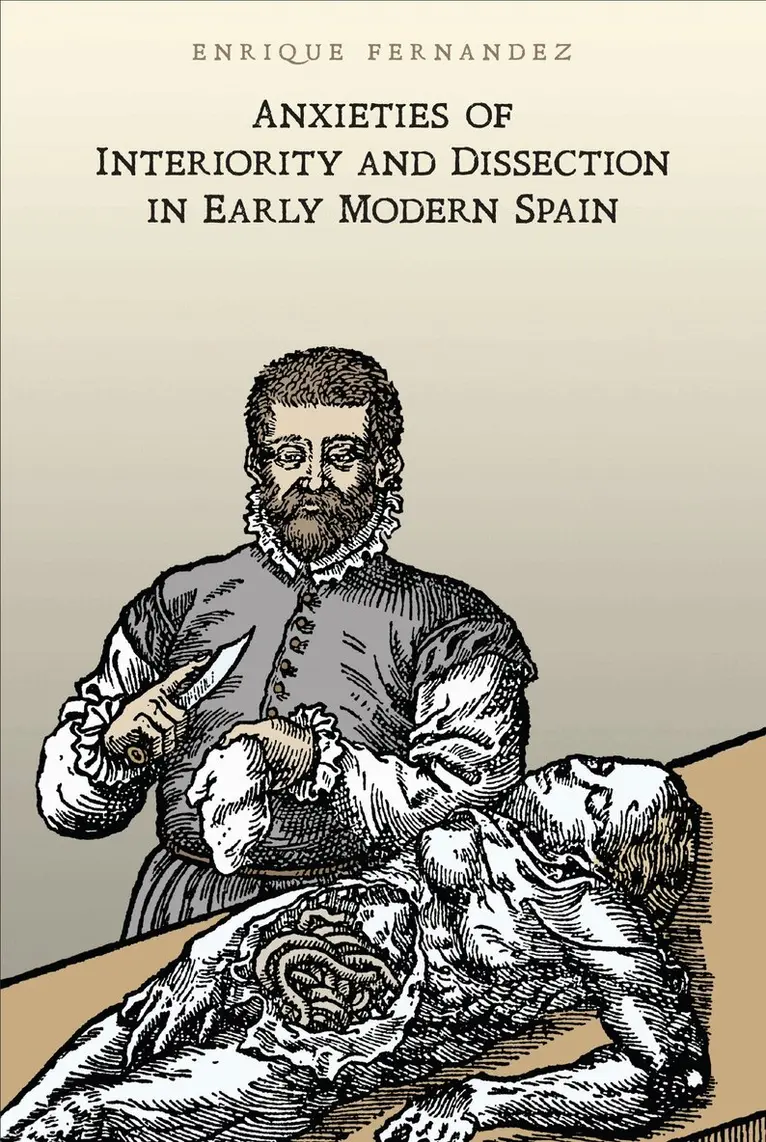
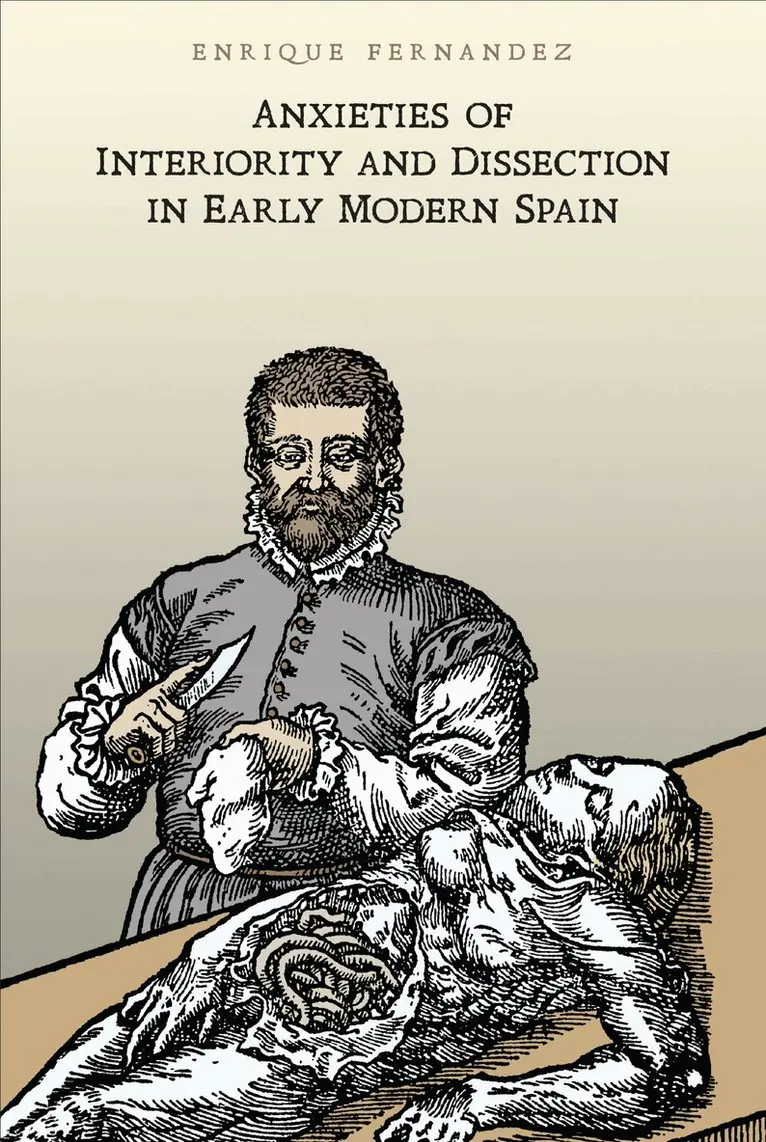
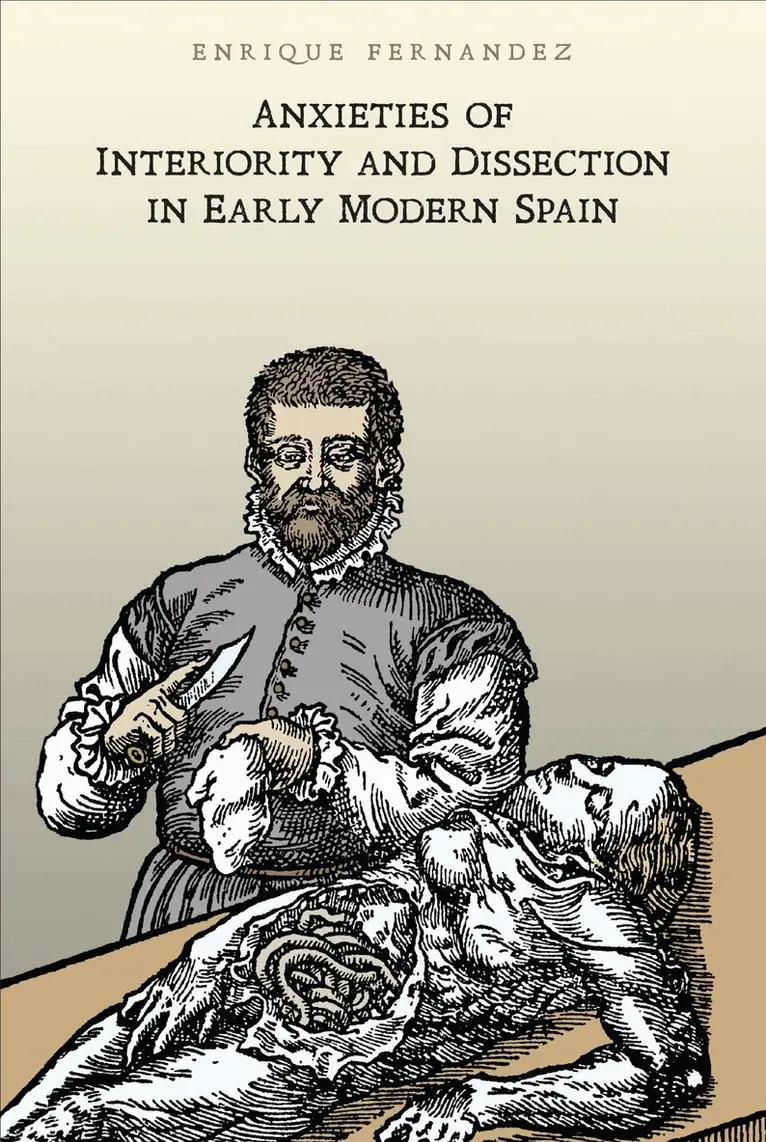
Anxieties of Interiority and Dissection in Early Modern Spain brings the study of Europe’s “culture of dissection” to the Iberian peninsula, presenting a neglected episode in the development of the modern concept of the self. Enrique Fernandez explores the ways in which sixteenth and seventeenth-century anatomical research stimulated both a sense of interiority and a fear of that interior’s exposure and punishment by the early modern state.Examining works by Miguel de Cervantes, MarÍa de Zayas, Fray Luis de Granada, and Francisco de Quevedo, Fernandez highlights the existence of narratives in which the author creates a surrogate self on paper, then “dissects” it. He argues that these texts share a fearful awareness of having a complex inner self in a country where one’s interiority was under permanent threat of punitive exposure by the Inquisition or the state. A sophisticated analysis of literary, religious, and medical practice in early modern Spain, Fernandez’s work will interest scholars working on questions of early modern science, medicine, and body politics.
855 kr
Skickas inom 7-10 vardagar
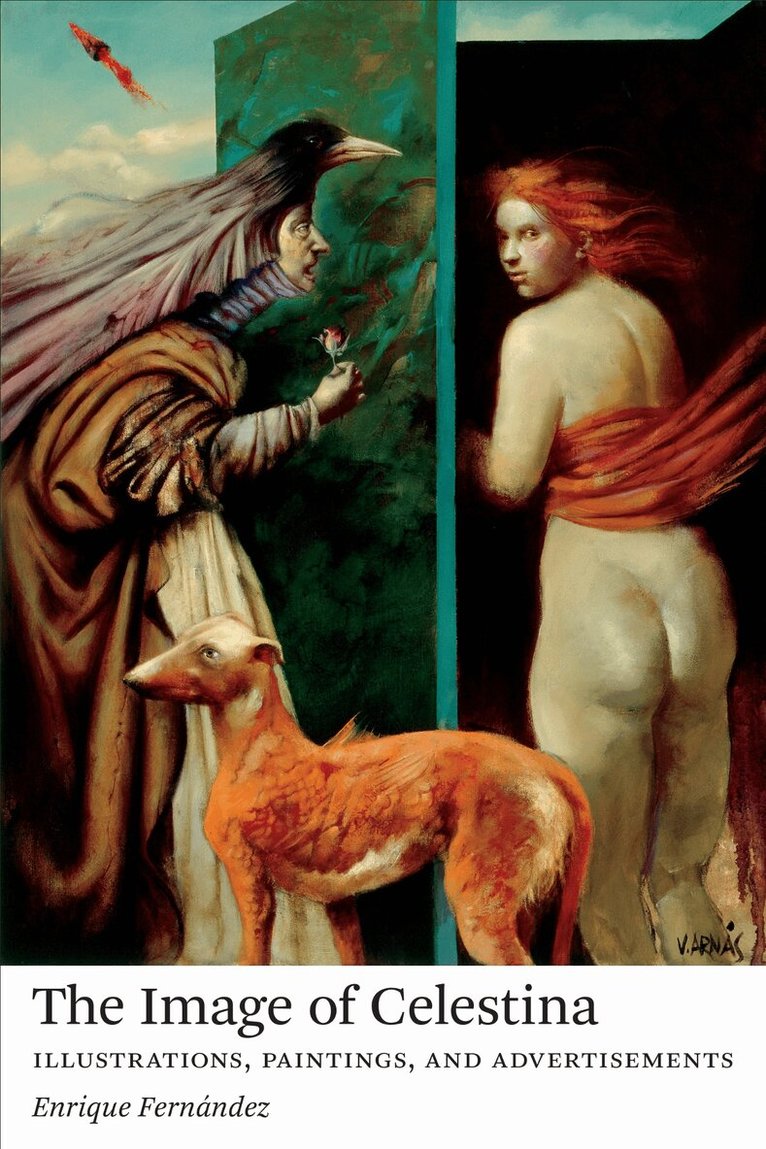
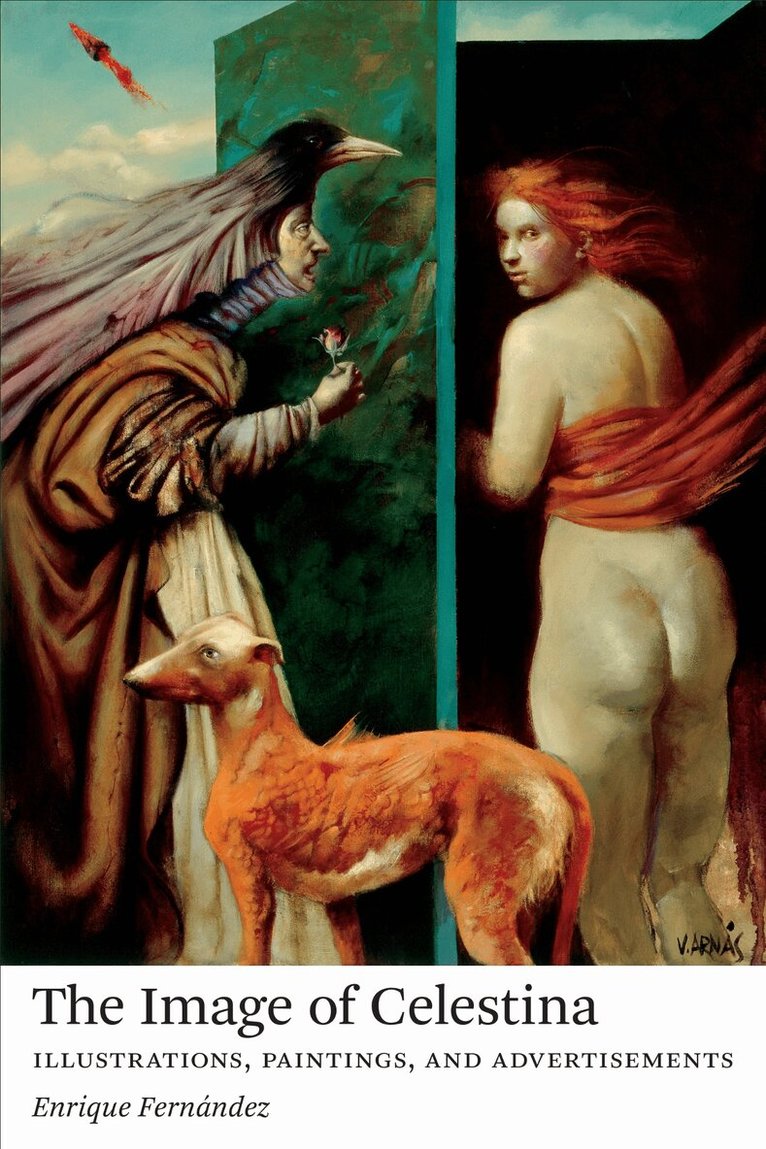
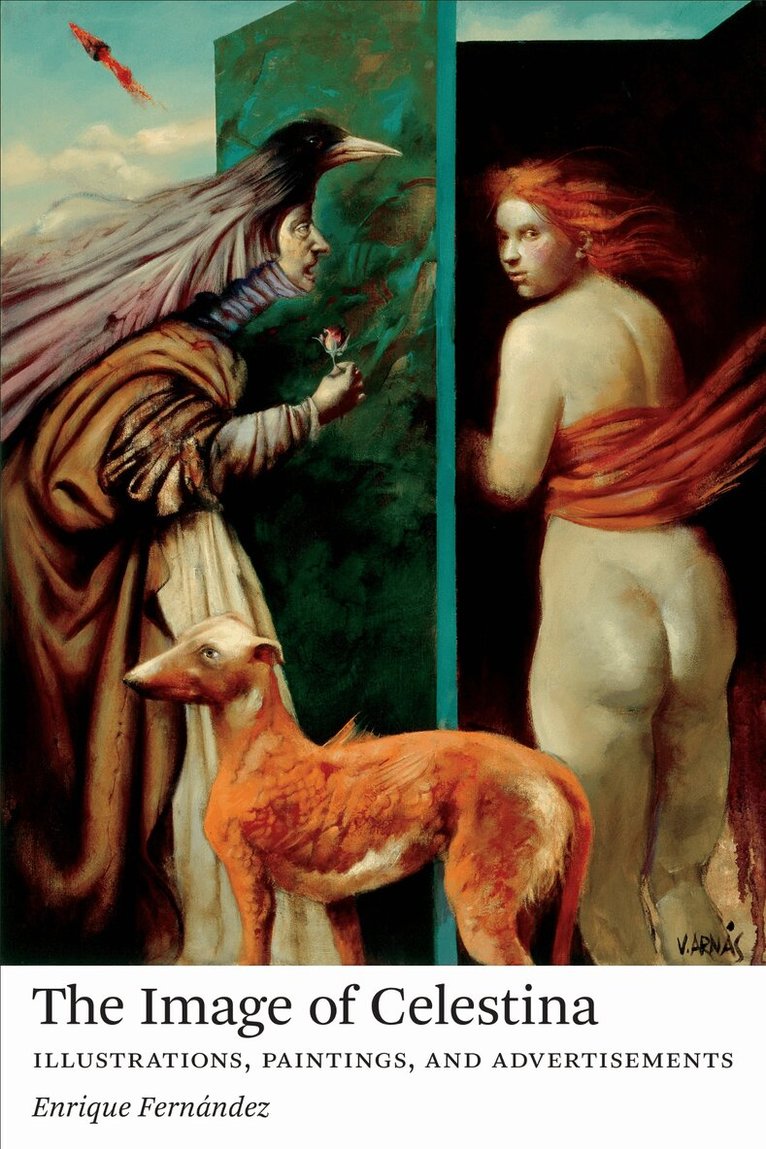
La Celestina, a Spanish literary masterpiece second only in importance to Don Quixote in Spanish literature, has been shaped by the inclusion of images from its very first edition in 1499. The subsequent five centuries were punctuated by many illustrated editions; imaginary portraits of the eponymous procuress Celestina by painters such as Murillo, Goya, and Picasso; and, more recently, screen and stage adaptations. Celestina became the prototype from which later representations of procuresses and bawds derived.The Image of Celestina sheds light on the visual culture that developed around La Celestina, including paintings, illustrations, and advertisements. Enrique Fernández examines La Celestina as a mixed-media text, incorporating methods from disciplines such as art history and women’s and cinema studies, and considers a variety of images including promotional posters, lobby pictures, and playbills of theatrical and cinematic adaptations of the book. Using a visual studies approach, The Image of Celestina ultimately illuminates the culture of Celestina, a mythical figure, who surpasses the literary text in which she originated.
386 kr
Skickas inom 7-10 vardagar
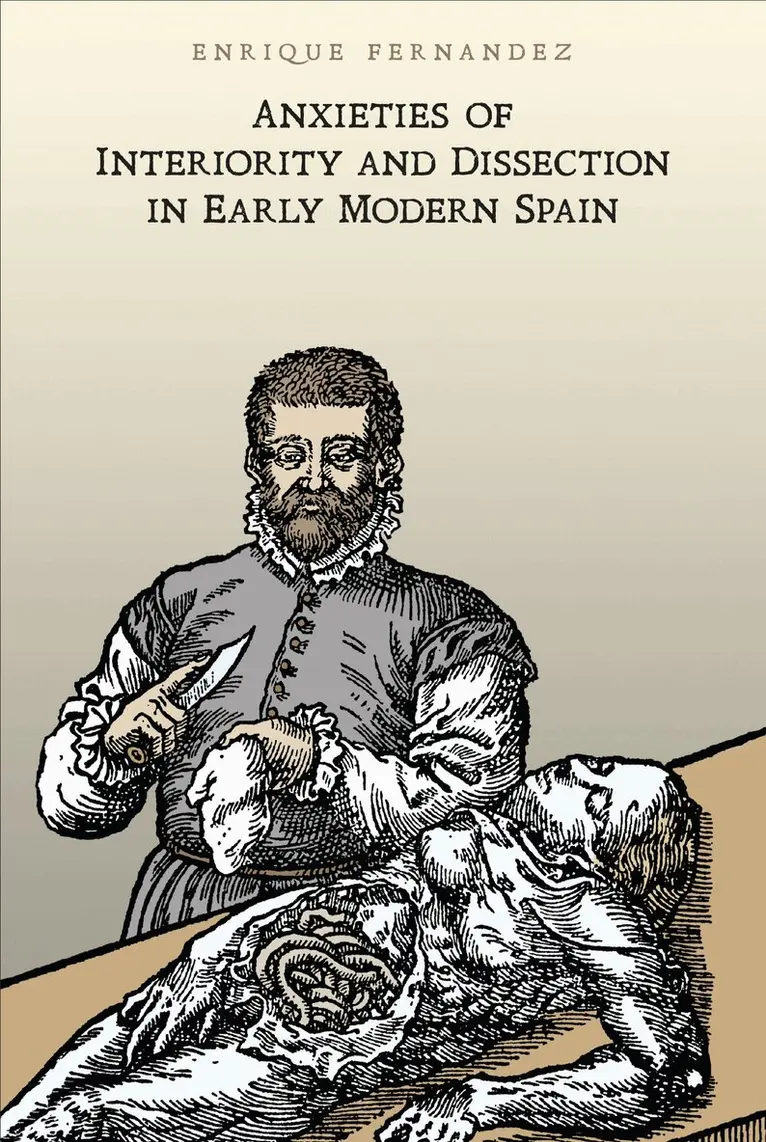
Anxieties of Interiority and Dissection in Early Modern Spain brings the study of Europe’s “culture of dissection” to the Iberian peninsula, presenting a neglected episode in the development of the modern concept of the self. Enrique Fernandez explores the ways in which sixteenth and seventeenth-century anatomical research stimulated both a sense of interiority and a fear of that interior’s exposure and punishment by the early modern state.Examining works by Miguel de Cervantes, MarÍa de Zayas, Fray Luis de Granada, and Francisco de Quevedo, Fernandez highlights the existence of narratives in which the author creates a surrogate self on paper, then “dissects” it. He argues that these texts share a fearful awareness of having a complex inner self in a country where one’s interiority was under permanent threat of punitive exposure by the Inquisition or the state. A sophisticated analysis of literary, religious, and medical practice in early modern Spain, Fernandez’s work will interest scholars working on questions of early modern science, medicine, and body politics.
653 kr
Skickas inom 5-8 vardagar
Your one-stop guide to the Robot Operating SystemAbout This Book• Model your robot on a virtual world and learn how to simulate it• Create, visualize, and process Point Cloud information• Easy-to-follow, practical tutorials to program your own robotsIn DetailIf you have ever tried building a robot, then you know how cumbersome programming everything from scratch can be. This is where ROS comes into the picture. It is a collection of tools, libraries, and conventions that simplifies the robot building process. What's more, ROS encourages collaborative robotics software development, allowing you to connect with experts in various fields to collaborate and build upon each other's work.Packed full of examples, this book will help you understand the ROS framework to help you build your own robot applications in a simulated environment and share your knowledge with the large community supporting ROS.Starting at an introductory level, this book is a comprehensive guide to the fascinating world of robotics, covering sensor integration, modeling, simulation, computer vision, navigation algorithms, and more. You will then go on to explore concepts like topics, messages, and nodes. Next, you will learn how to make your robot see with HD cameras, or navigate obstacles with range sensors. Furthermore, thanks to the contributions of the vast ROS community, your robot will be able to navigate autonomously, and even recognize and interact with you in a matter of minutes.What's new in this updated edition? First and foremost, we are going to work with ROS Hydro this time around. You will learn how to create, visualize, and process Point Cloud information from different sensors. This edition will also show you how to control and plan motion of robotic arms with multiple joints using MoveIt! By the end of this book, you will have all the background you need to build your own robot and get started with ROS.What You Will Learn• Install a complete ROS Hydro system• Create ROS packages and metapackages, using and debugging them in real time• Build, handle, and debug ROS nodes• Design your 3D robot model and simulate it in a virtual environment within Gazebo• Give your robots the power of sight using cameras and calibrate and perform computer vision tasks with them• Generate and adapt the navigation stack to work with your robot• Integrate different sensors like Range Laser, Arduino, and Kinect with your robot• Visualize and process Point Cloud information from different sensors• Control and plan motion of robotic arms with multiple joints using MoveIt! Who This Book Is ForIf you are a robotic enthusiast who wants to learn how to build and program your own robots in an easy-to-develop, maintainable, and shareable way, this book is for you. In order to make the most of the book, you should have a C++ programming background, knowledge of GNU/Linux systems, and general skill in computer science. No previous background on ROS is required, as this book takes you from the ground up. It is also advisable to have some knowledge of version control systems, such as svn or git, which are often used by the community to share code.Style and approachThis book is an easy-to-follow guide that will help you find your way through the ROS framework. This book is packed with hands-on examples that will help you program your robot and give you complete solutions using ROS open source libraries and tools.
206 kr
Tillfälligt slut
BRIGADA tells the story of Ivro, Dwarven Captain of a legendary brigade of cold-hearted, cut-throat Dwarven convicts who answer only to him. On the eve of a great battle, Ivro and his brigade are overtaken by the mist, which separates them into small groups, and throws them all into different, strange and alien lands. Now, Ivro and the remaining members of his brigade must wage a new and different war, for their own survival. But where did this mist come from, and what terrible secret lies at its heart? Will Ivro be able to reunite his brigade and lead them to safety while this strange land grows ever stranger…
Del 2 - Death in History, Culture, and Society
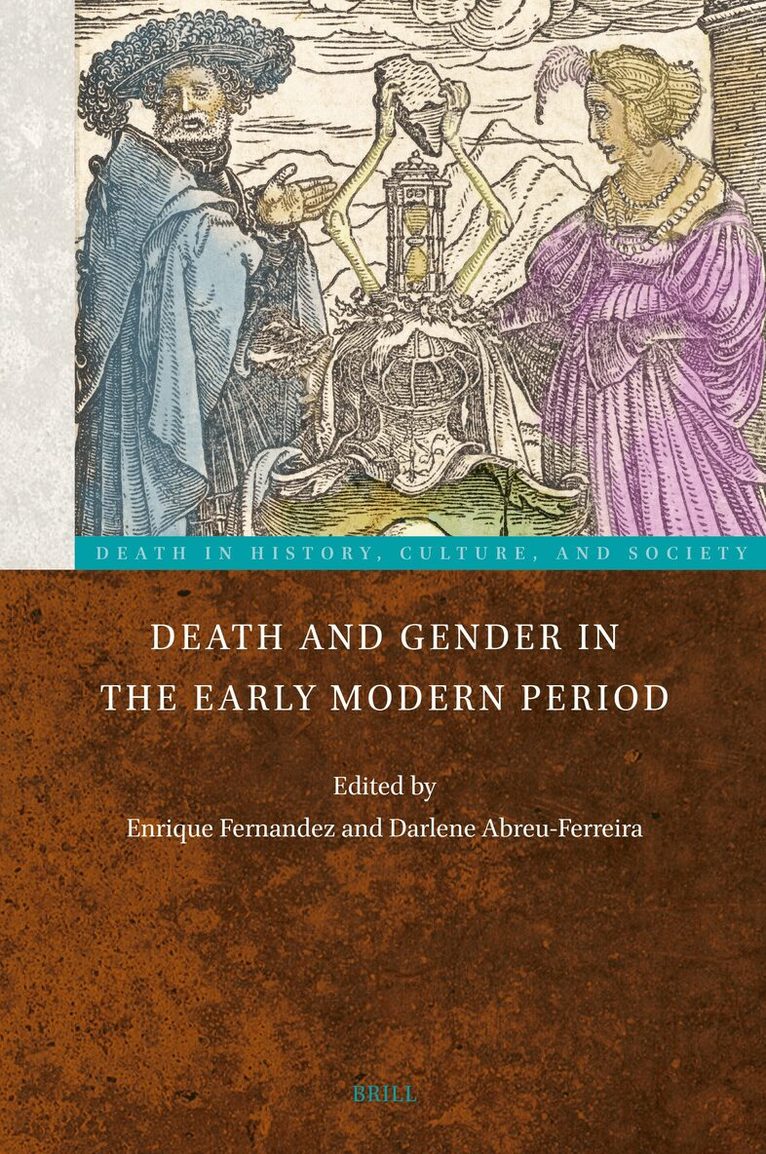
Death and Gender in the Early Modern Period
Inbunden, Engelska, 2024
1 903 kr
Skickas inom 5-8 vardagar
In premodern Europe, the gender identity of those waiting for Doomsday in their tombs could be reaffirmed, readjusted, or even neutralized. Testimonies of this renegotiation of gender at the encounter with death is detectable in wills, letters envisioning oneself as dead, literary narratives, provisions for burial and memorialization, the laws for the disposal of those executed for heinous crimes and the treatment of human remains as relics.
2 500 kr
Skickas inom 5-8 vardagar
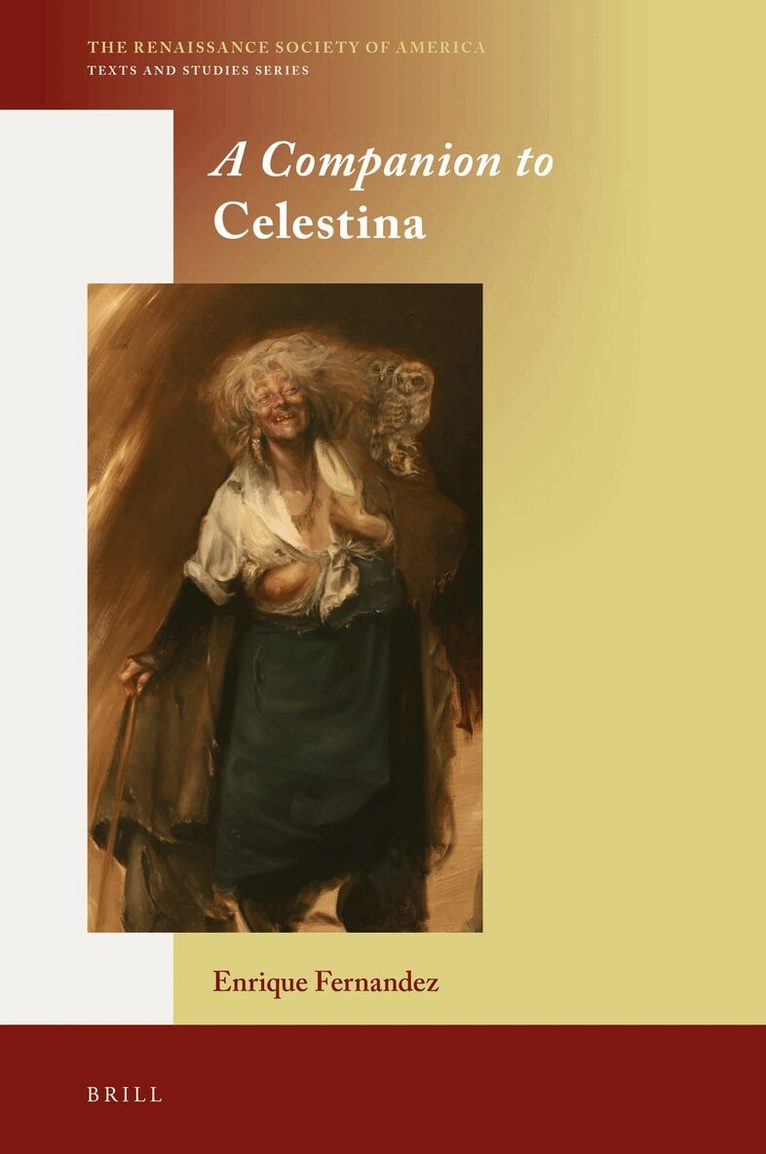
In A Companion to Celestina, Enrique Fernandez brings together twenty-three hitherto unpublished contributions on the Tragicomedia de Calisto y Melibea, popularly known as Celestina (c. 1499) written by leading experts who summarize, evaluate and expand on previous studies. The resulting chapters offer the non-specialist an overview of Celestina studies. Those who already know the field will find state of the art studies filled with new insights that elaborate on or depart from the well-established currents of criticism. Celestina's creation and sources, the parody of religious and erudite traditions, the treatment of magic, prostitution, the celestinesca and picaresque genre, the translations into other languages as well as the adaptations into the visual arts (engravings, paintings, films) are some of the topics included in this companion.Contributors are: Beatriz de Alba-Koch, Raúl Álvarez Moreno, Consolación Baranda, Ted L. Bergman, Patrizia Botta, José Luis Canet, Fernando Cantalapiedra, Ricardo Castells, Ivy Corfis, Manuel da Costa Fontes, Enrique Fernandez, José Luis Gastañaga Ponce de León, Ryan D. Giles, Yolanda Iglesias, Gustavo Illades Aguiar, Kathleen V. Kish, Bienvenido Morros Mestres, Devid Paolini, Antonio Pérez Romero, Amaranta Saguar García, Connie Scarborough, Joseph T. Snow, and Enriqueta Zafra.