Enrique R Lamadrid – författare
Visar alla böcker från författaren Enrique R Lamadrid. Handla med fri frakt och snabb leverans.
8 produkter
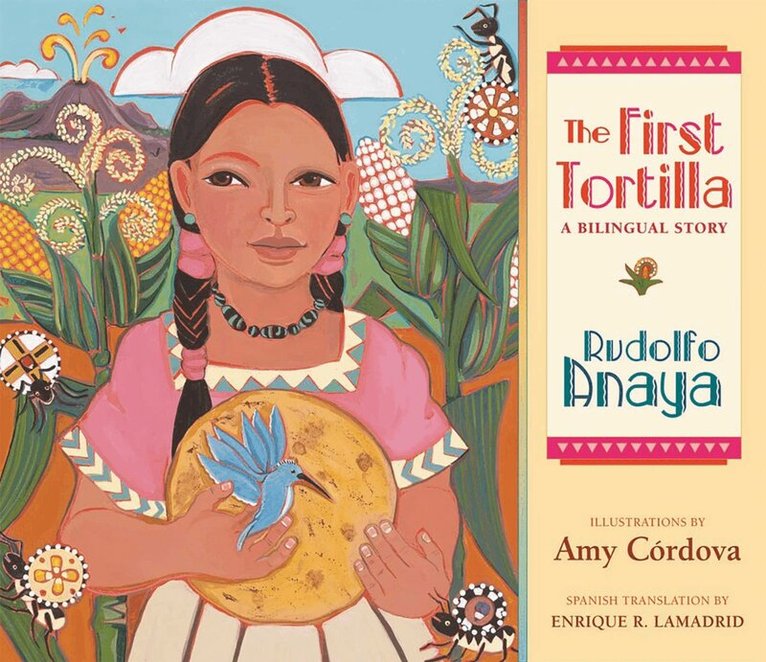
First Tortilla
A Bilingual Story
Av Rudolfo Anaya, Enrique R Lamadrid
Häftad, 2012
210 kr
Lägg i varukorg
Jade is a young girl who lives in a village next to a towering volcano. On its peak lives a Mountain Spirit who makes his presence known by rumbling the earth, filling the sky with smoke, and pouring lava down the mountainside. Angered by those who forget to honor him for providing their harvest, …
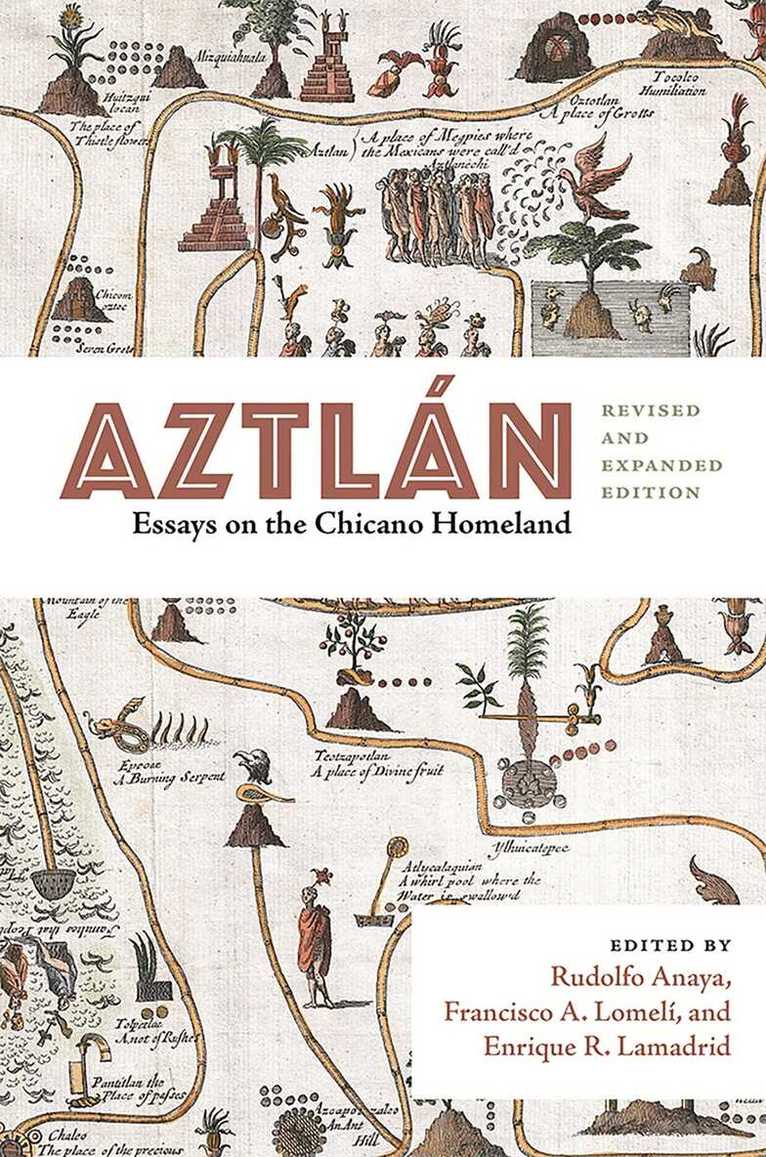
Aztlán
Essays on the Chicano Homeland
Av Rudolfo Anaya, Francisco A. Lomelí m. fl.
Häftad, 2017
374 kr
Lägg i varukorg
During the Chicano Movement in the 1960s and 1970s, the idea of Aztlán, homeland of the ancient Aztecs, served as a unifying force in an emerging cultural renaissance. Does the term remain useful? This expanded new edition of the classic 1989 collection of essays about Aztlán weighs its value. To …
Aztlan
Essays on the Chicano Homeland, Revised and Expanded Edition
Av Enrique R. Lamadrid, Francisco A. Lomeli m. fl.
E-bok, 2017
416 kr
Lägg i varukorg
During the Chicano Movement in the 1960s and 1970s, the idea of Aztlán, homeland of the ancient Aztecs, served as a unifying force in an emerging cultural renaissance. Does the term remain useful? This expanded new edition of the classic 1989 collection of essays about Aztlán weighs its value. To …
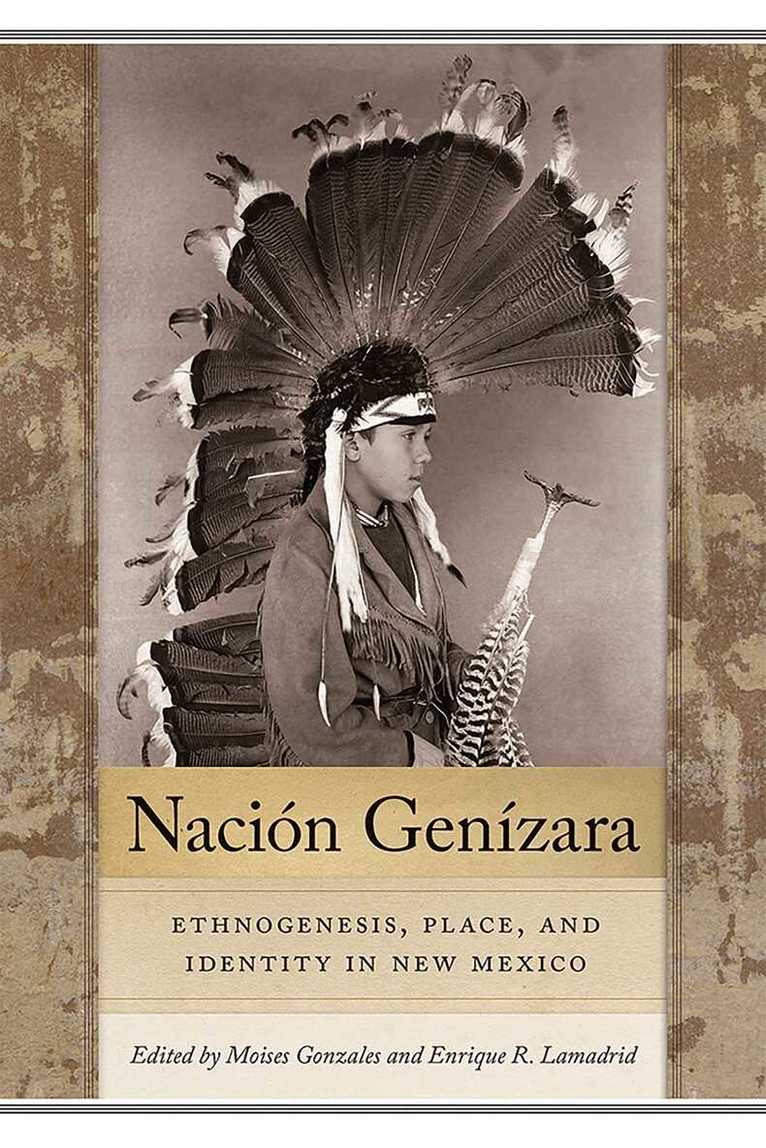
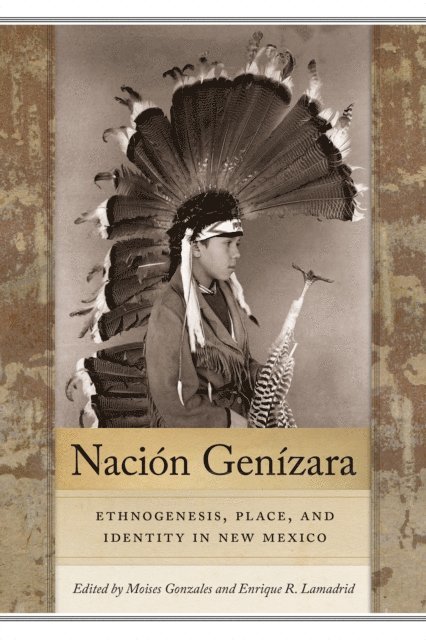
Nación Genízara
Ethnogenesis, Place, and Identity in New Mexico
Av Moises Gonzales, Enrique R. Lamadrid
Inbunden, 2019
1109 kr
Lägg i varukorg
Nación Genízara examines the history, cultural evolution, and survival of the Genízaro people. The Contributors to this volume cover topics including ethnogenesis, slavery, Settlements, poetics, religion, gender, family history, and mestizo genetics. Fray Angélico Chávez defined Genízaro as the …
Nacion Genizara
Ethnogenesis, Place, and Identity in New Mexico
Av Enrique R. Lamadrid, Moises Gonzales
E-bok, 2019
402 kr
Lägg i varukorg
Nación Genízara examines the history, cultural evolution, and survival of the Genízaro people. The contributors to this volume cover topics including ethnogenesis, slavery, settlements, poetics, religion, gender, family history, and mestizo genetics. Fray Angélico Chávez defined Genízaro as the …
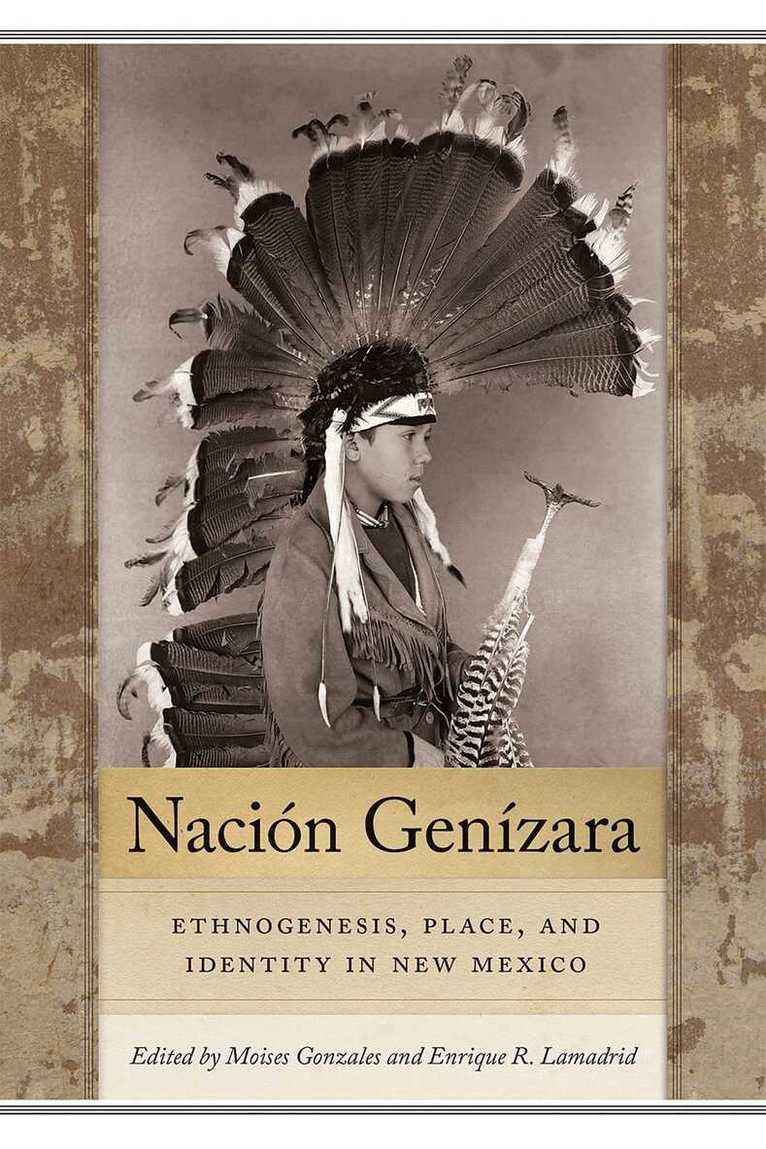
Nación Genízara
Ethnogenesis, Place, and Identity in New Mexico
Av Moises Gonzales, Enrique R. Lamadrid
Häftad, 2021
613 kr
Lägg i varukorg
Second Place Winner of the 2020 International Latino Book Award for Best History BookNación Genízara examines the history, cultural evolution, and survival of the Genízaro people. The contributors to this volume cover topics including ethnogenesis, slavery, settlements, poetics, religion, gender, …
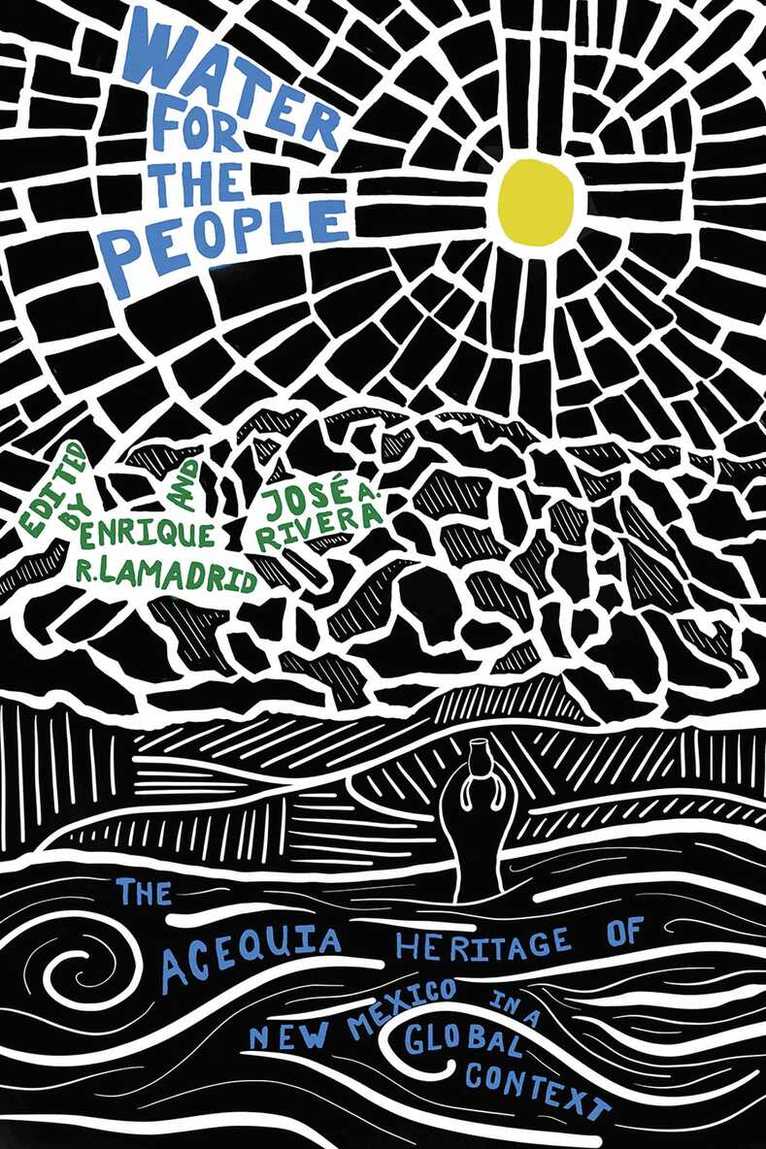
Water for the People
The Acequia Heritage of New Mexico in a Global Context
Av Enrique R. Lamadrid, José A. Rivera
Häftad, 2023
339 kr
Lägg i varukorg
Water for the People features twenty-five essays by world-renowned acequia scholars and community members that highlight acequia culture, use, and history in New Mexico, northern Mexico, Chile, Peru, Argentina, Spain, the Middle East, Nepal, and the Philippines, situating New Mexico's acequia …
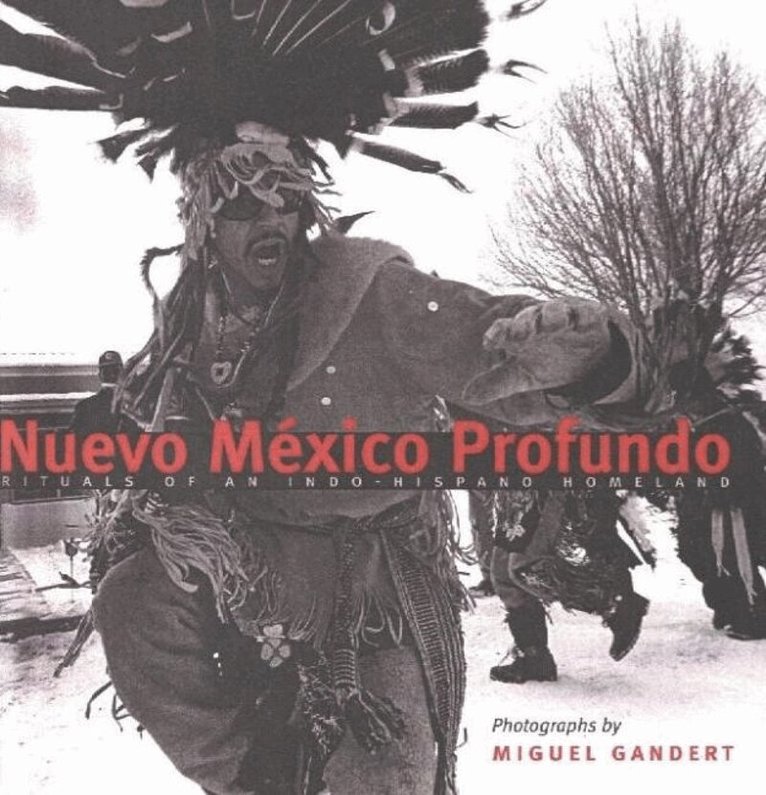
Nuevo Mexico Profundo
Rituals of an Indo-Hispano Homeland
Häftad, 2003
430 kr
Lägg i varukorg
In this book, award-winning photographer Miguel Gandert records the sacred rituals and dances of the mestizo peoples of the upper Río Grande in 130 exquisite black-and-white photographs. Included are images of the two great Indo-Hispano regional traditions, the Matachines conquest dance drama, …