Eric Mack – författare
Visar alla böcker från författaren Eric Mack. Handla med fri frakt och snabb leverans.
10 produkter
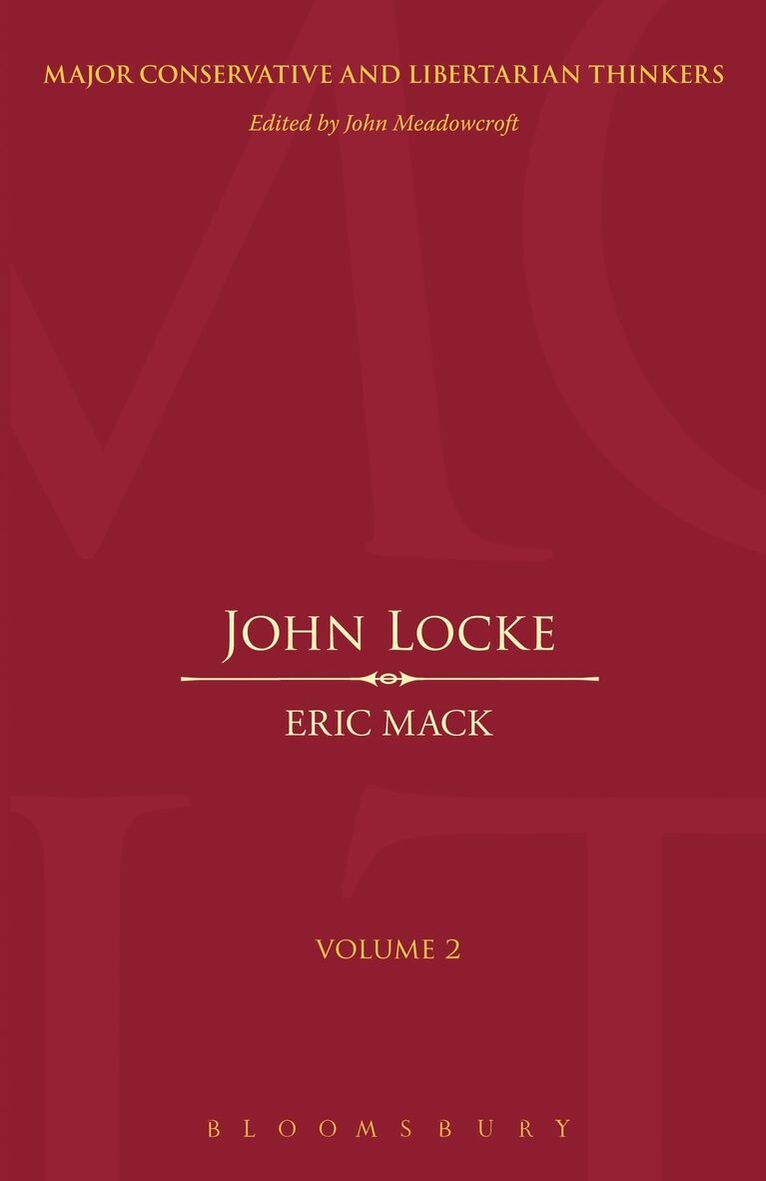
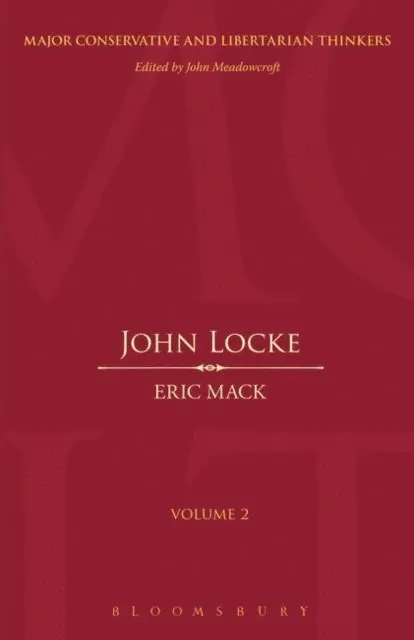
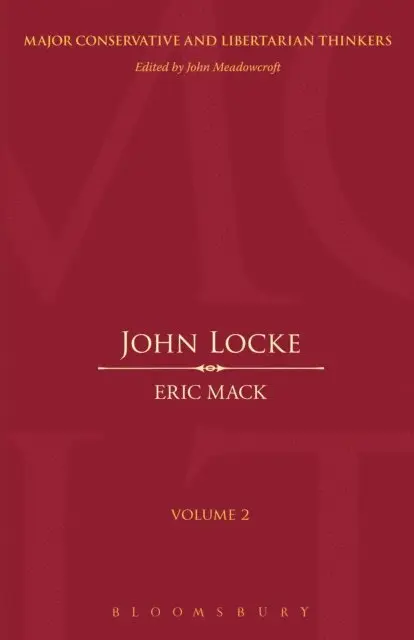
John Locke
Av Eric Mack, John Meadowcroft
Inbunden, 2009
2412 kr
Lägg i varukorg
This is the second volume in the "Major Conservative and Libertarian Thinkers". "Major Conservative and Libertarian Thinkers" provides comprehensive accounts of the works of seminal conservative thinkers from a variety of periods, disciplines and traditions - the first series of its kind. Even the …
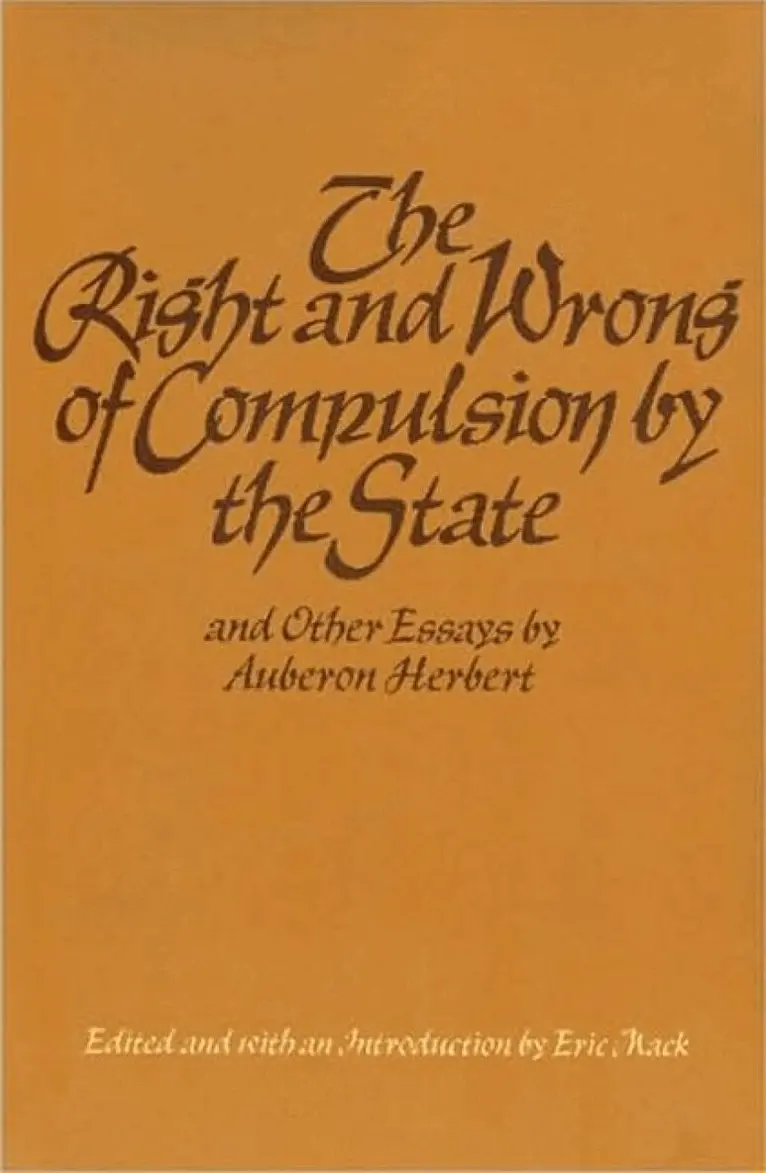
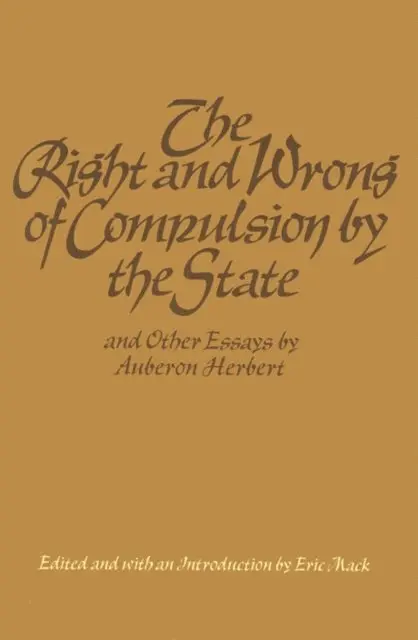
Right & Wrong of Compulsion by the State, & other Essays
Inbunden, 1978
307 kr
Lägg i varukorg
Auberon Herbert (1838-1906) is an eloquent, forceful, and uncompromising defender of liberty -- indeed, in the judgment of Richard M Ebeling he is "one of the most important and articulate advocates of liberty in the last two hundred years." Herbert was a major participant in the profound and …
Right & Wrong of Compulsion by the State, & other Essays
Häftad, 1978
126 kr
Lägg i varukorg
Auberon Herbert (1838-1906) is an eloquent, forceful, and uncompromising defender of liberty -- indeed, in the judgment of Richard M Ebeling he is "one of the most important and articulate advocates of liberty in the last two hundred years." Herbert was a major participant in the profound and …
John Locke
Av Eric Mack, John Meadowcroft
Häftad, 2013
488 kr
Lägg i varukorg
John Locke (1632-1704), one of the great philosophers, is probably best known for his contributions to political thought. In this outstanding volume, Eric Mack explains Locke's philosophical position, placing it in the tumultuous political and religious context of 17th century England. For Locke, …
John Locke
Av Eric Mack
E-bok, 2009
530 kr
Lägg i varukorg
John Locke (1632-1704), one of the great philosophers, is probably best known for his contributions to political thought. In this outstanding volume, Eric Mack explains Locke''s philosophical position, placing it in the tumultuous political and religious context of 17th century England. For Locke, …
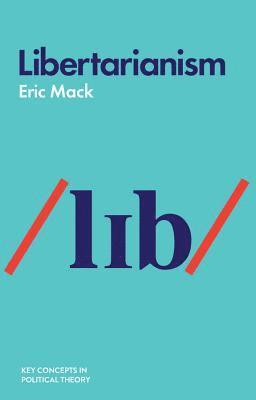
Libertarianism
Av Eric Mack
Inbunden, 2018
638 kr
Lägg i varukorg
The essence of libertarianism is the view that coercive political institutions, such as the state, are justified only insofar as they function to protect each person’s liberty to pursue their own goals and well-being in their own way. Libertarians accordingly argue that any attempt to enforce …
Libertarianism
Av Eric Mack
Häftad, 2018
231 kr
Lägg i varukorg
The essence of libertarianism is the view that coercive political institutions, such as the state, are justified only insofar as they function to protect each person’s liberty to pursue their own goals and well-being in their own way. Libertarians accordingly argue that any attempt to enforce …
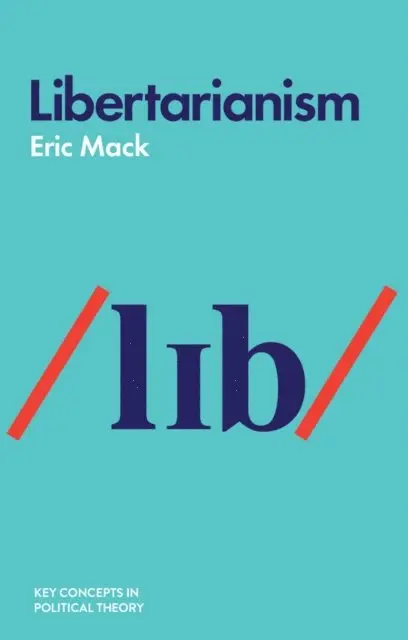
Libertarianism
Av Eric Mack
E-bok, 2018
261 kr
Lägg i varukorg
The essence of libertarianism is the view that coercive political institutions, such as the state, are justified only insofar as they function to protect each person’s liberty to pursue their own goals and well-being in their own way. Libertarians accordingly argue that any attempt to enforce …
Right and Wrong of Compulsion by the State, and Other Essays
E-bok, 1978
82 kr
Lägg i varukorg
Auberon Herbert (1838–1906) is an eloquent, forceful, and uncompromising defender of liberty—indeed, in the juEAment of Richard M. Ebeling he is “one of the most important and articulate advocates of liberty in the last two hundred years.” Herbert was a major participant in the profound and …
John Locke
Av Eric Mack
E-bok, 2013
530 kr
Lägg i varukorg
John Locke (1632-1704), one of the great philosophers, is probably best known for his contributions to political thought. In this outstanding volume, Eric Mack explains Locke's philosophical position, placing it in the tumultuous political and religious context of 17th century England. For Locke, …