Eric T. Kasper – författare
Visar alla böcker från författaren Eric T. Kasper. Handla med fri frakt och snabb leverans.
12 produkter
12 produkter
Inbunden, Engelska, 2011
1 518 kr
Skickas inom 5-8 vardagar
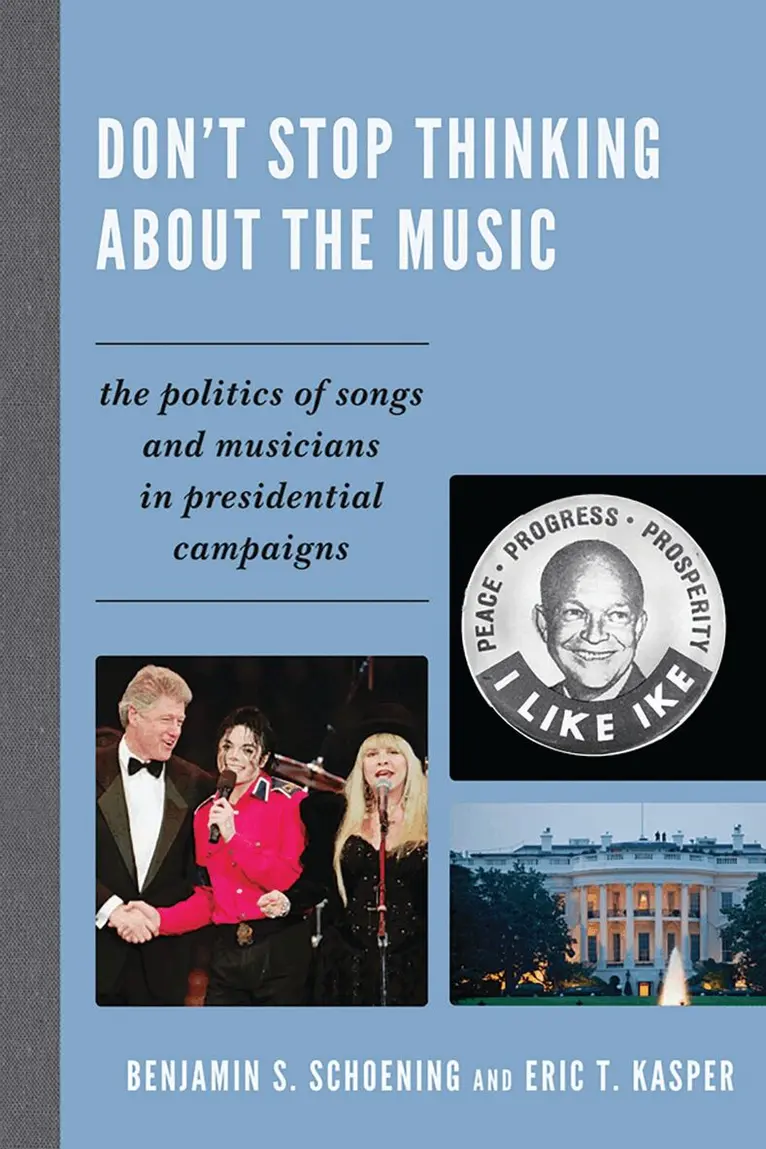
In this insightful, erudite history of presidential campaign music, musicologist Benjamin Schoening and political scientist Eric Kasper explain how politicians use music in American presidential campaigns to convey a range of political messages. From “Follow Washington” to “I Like Ike” to “I Got a Crush on Obama,” they describe the ways that song use by and for presidential candidates has evolved, including the addition of lyrics to familiar songs, the current trend of using existing popular music to connect with voters, and the rapid change of music’s relationship to presidential campaigns due to Internet sites like YouTube, JibJab, and Facebook. Readers are ultimately treated to an entertaining account of American political development through popular music and the complex, two-way relationship between music and presidential campaigns.
Häftad, Engelska, 2011
704 kr
Skickas inom 10-15 vardagar
In this insightful, erudite history of presidential campaign music, musicologist Benjamin Schoening and political scientist Eric Kasper explain how politicians use music in American presidential campaigns to convey a range of political messages. From “Follow Washington” to “I Like Ike” to “I Got a Crush on Obama,” they describe the ways that song use by and for presidential candidates has evolved, including the addition of lyrics to familiar songs, the current trend of using existing popular music to connect with voters, and the rapid change of music’s relationship to presidential campaigns due to Internet sites like YouTube, JibJab, and Facebook. Readers are ultimately treated to an entertaining account of American political development through popular music and the complex, two-way relationship between music and presidential campaigns.
Inbunden, Engelska, 2013
1 002 kr
Skickas inom 10-15 vardagar
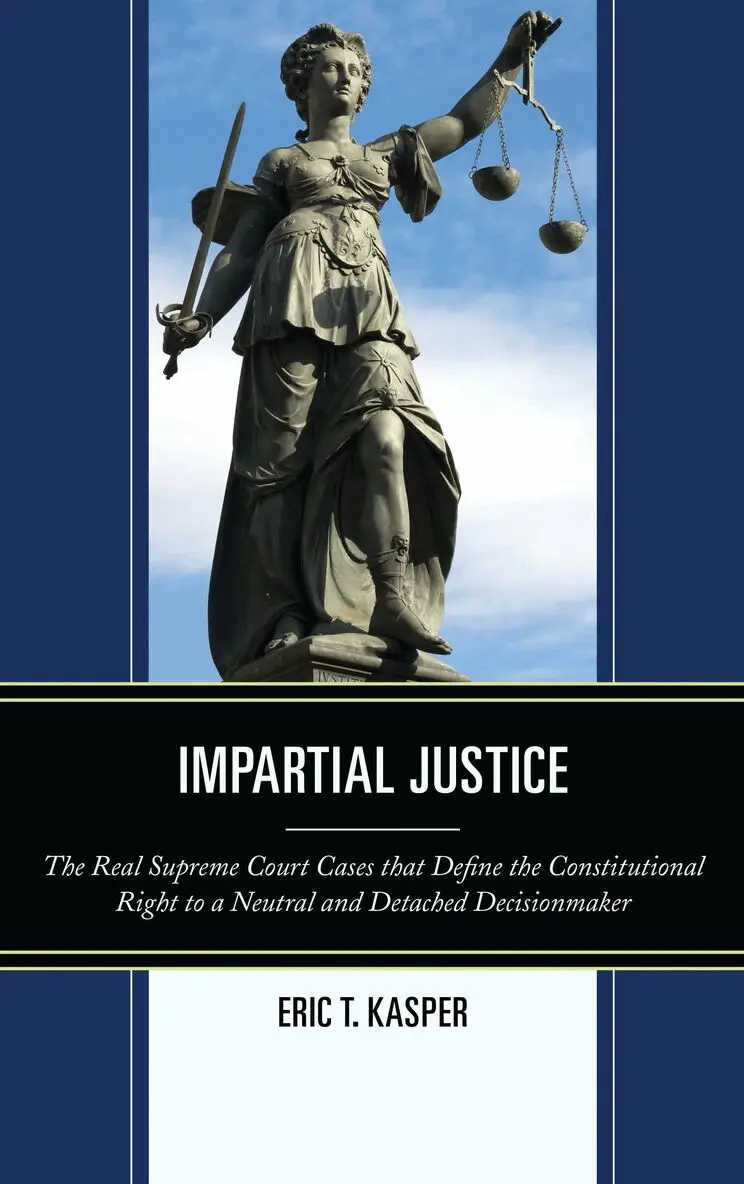
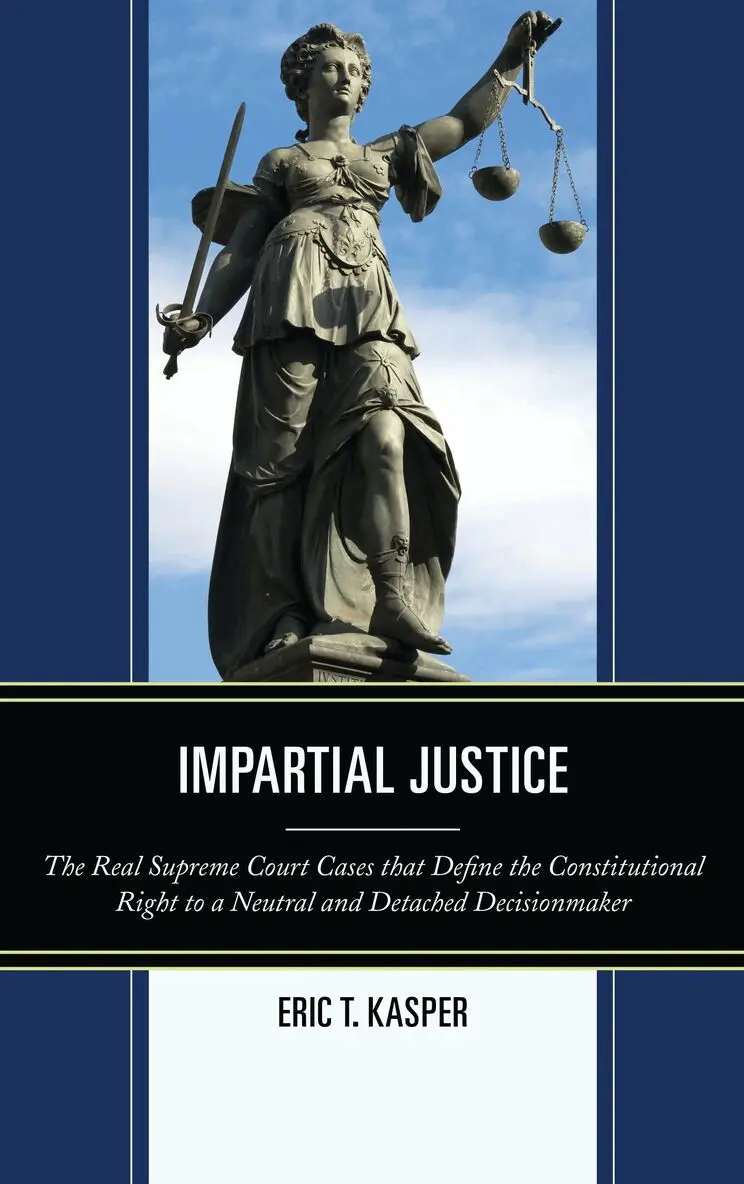
This book examines the right to a neutral and detached decisionmaker as interpreted by the U.S. Supreme Court. This right resides in the Constitution’s Fifth Amendment and Fourteenth Amendment guarantees to procedural due process and in the Sixth Amendment’s promise of an impartial jury. Supreme Court cases on these topics are the vehicles to understand how these constitutional rights have come alive. First, the book surveys the right to an impartial jury in criminal cases by telling the stories of defendants whose convictions were overturned after they were the victims of prejudicial pretrial publicity, mob justice, and discriminatory jury selection. Next, the book articulates how our modern notion of judicial impartiality was forged by the Court striking down cases where judges were bribed, where they had other direct financial stakes in the outcome of the case, and where a judge decided the case of a major campaign supporter. Finally, the book traces the development of the right to a neutral decisionmaker in quasi-judicial, non-court settings, including cases involving parole revocation, medical license review, mental health commitments, prison discipline, and enemy combatants. Each chapter begins with the typically shocking facts of these cases being retold, and each chapter ends with a critical examination of the Supreme Court’s ultimate decisions in these cases.
Häftad, Engelska, 2016
661 kr
Skickas inom 10-15 vardagar
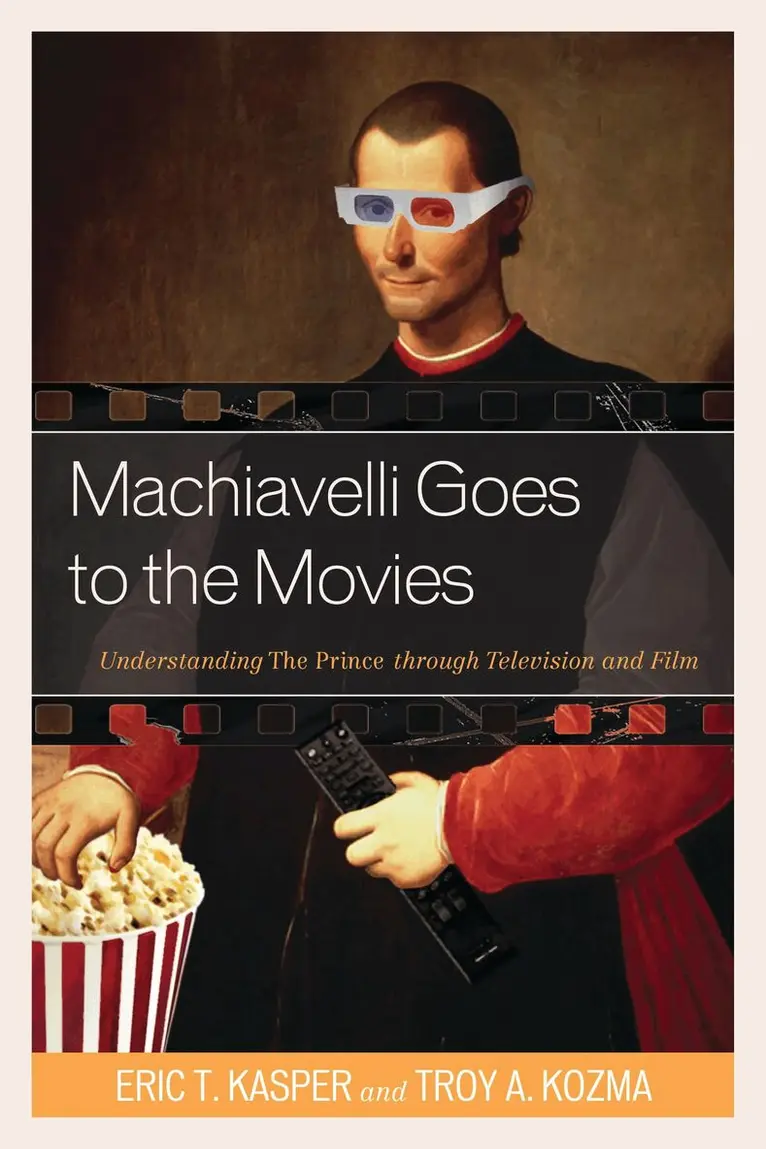
Niccolò Machiavelli’s The Prince remains an influential book more than five centuries after he wrote his timeless classic. However, the political philosophy expressed by Machiavelli in his tome is often misunderstood. Although he thought humans to be rational, self-interested creatures, and even though he proposed an approach to politics in which the ends justify the means, Machiavelli was not, as some have argued, simply “a teacher of evil.” The Prince’s many ancient and medieval examples, while relevant to sixteenth century readers, are lost on most of today’s students of Machiavelli. Examples from modern films and television programs, which are more familiar and understandable to contemporary readers, provide a better way to accurately teach Machiavelli’s lessons. Indeed, modern media, such as Breaking Bad, The Godfather, The Walking Dead, Charlie Wilson’s War, House of Cards, Argo, and The Departed, are replete with illustrations that teach Machiavelli’s critical principles, including the need to caress or annihilate, learning “how not to be good,” why it is better to be feared than loved, and how to act as both the lion and the fox. Modern media are used in this book to exemplify the tactics Machiavelli advocated and to comprehensively demonstrate that Machiavelli intended for government actors and those exercising power in other contexts to fight for a greater good and strive to achieve glory.
Inbunden, Engelska, 2025
1 726 kr
Skickas inom 5-8 vardagar
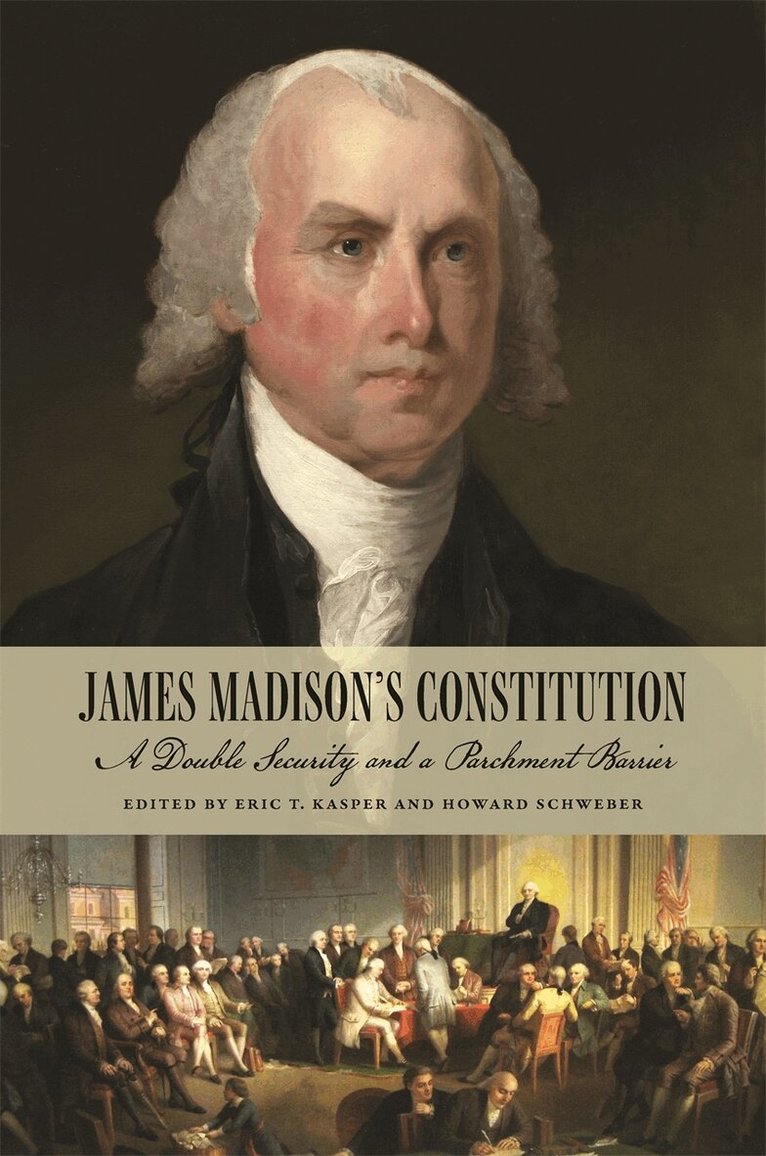
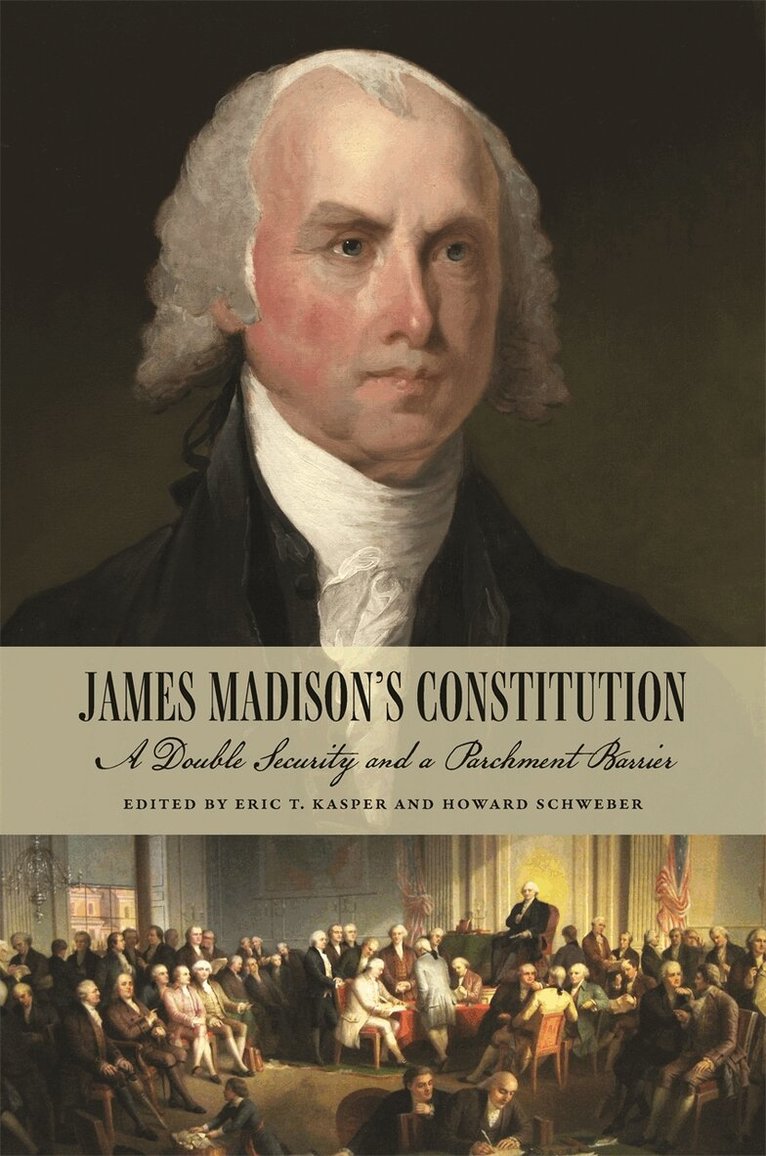
In James Madison's Constitution, Eric T. Kasper and Howard Schweber have assembled a roster of ten prominent contributors to excavate Madison’s thinking about key concepts and issues over questions of what the Constitution requires, permits, and prohibits. Madison’s key role at the Constitution’s drafting was instrumental in forging the document into what it is today. In many areas, the modern Constitution still reflects Madison’s conception and design. In other areas, however, the Constitution as it emerged in a final text—and as it has been amended and interpreted to the present day—does not always conform to Madison’s vision. Nevertheless, examining Madison’s thinking across a range of constitutional issues has much to offer for understanding our nation’s primary governing document today. Indeed, there are great disagreements among jurists, policymakers, journalists, academics, and the general public about how to interpret the Constitution and what various clauses mean. Frequently, Madison is cited as a source on both sides of political, scholarly, and legal debates over the meaning of various constitutional provisions. CONTRIBUTORS: Jeff Broadwater, Paul Finkelman, Zachary K. German, Alan R. Gibson, Jack N. Rakove, David J. Siemers, Quentin P. Taylor, George Thomas, Lynn Uzzell, and Michael P. Zuckert
Häftad, Engelska, 2025
356 kr
Skickas inom 5-8 vardagar
In James Madison's Constitution, Eric T. Kasper and Howard Schweber have assembled a roster of ten prominent contributors to excavate Madison’s thinking about key concepts and issues over questions of what the Constitution requires, permits, and prohibits. Madison’s key role at the Constitution’s drafting was instrumental in forging the document into what it is today. In many areas, the modern Constitution still reflects Madison’s conception and design. In other areas, however, the Constitution as it emerged in a final text—and as it has been amended and interpreted to the present day—does not always conform to Madison’s vision. Nevertheless, examining Madison’s thinking across a range of constitutional issues has much to offer for understanding our nation’s primary governing document today. Indeed, there are great disagreements among jurists, policymakers, journalists, academics, and the general public about how to interpret the Constitution and what various clauses mean. Frequently, Madison is cited as a source on both sides of political, scholarly, and legal debates over the meaning of various constitutional provisions. CONTRIBUTORS: Jeff Broadwater, Paul Finkelman, Zachary K. German, Alan R. Gibson, Jack N. Rakove, David J. Siemers, Quentin P. Taylor, George Thomas, Lynn Uzzell, and Michael P. Zuckert
Inbunden, Engelska, 2010
439 kr
Skickas inom 10-15 vardagar
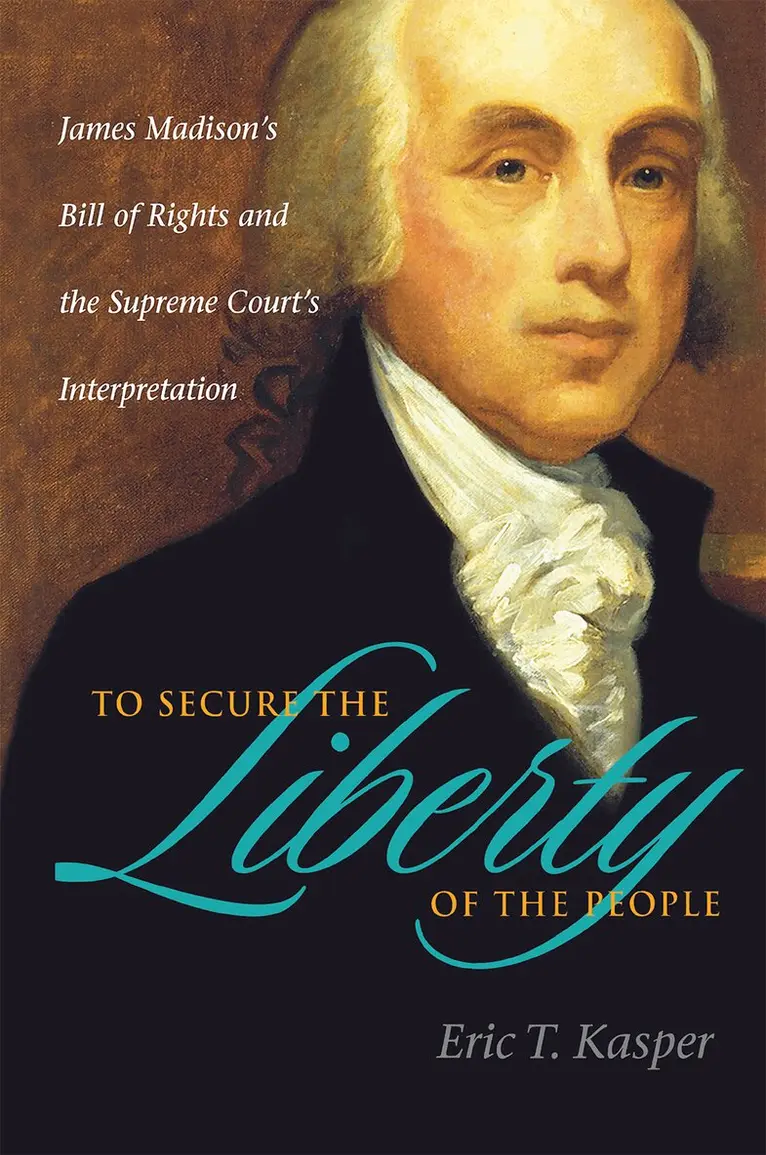
As the notoriously reluctant author of the Bill of Rights, James Madison has had a profound influence on the American government and legal system. This original study examines Madison's writings and speeches to explain his views of human nature and his political philosophy. Politicians, scholars, and even Supreme Court justices often look to Madison's broader body of work for guidance when interpreting the Bill of Rights. Here, Kasper presents an unusually thorough explanation of Madison's vision of the Bill of Rights in the context of his complete body of political thought. Unlike other studies of Madison, To Secure the Liberty of the People not only explores the breadth and depth of Madison's own writings, but also presents a thoughtful look at the philosophers and writers who influenced the Father of the Bill of Rights. Additionally, and perhaps most valuably, Kasper provides a unique examination of modern-era Supreme Court justices and the ways in which they have correctly or incorrectly cited Madison and his original intent in their own opinions. This fascinating analysis shows the enduring vibrancy of Madison's thought—even when misinterpreted—and his ongoing importance in American political thought. Legal historians, legal scholars, and political scientists will find satisfying new perspectives on Madison in this impeccably researched book.
Häftad, Engelska, 2020
575 kr
Skickas inom 10-15 vardagar
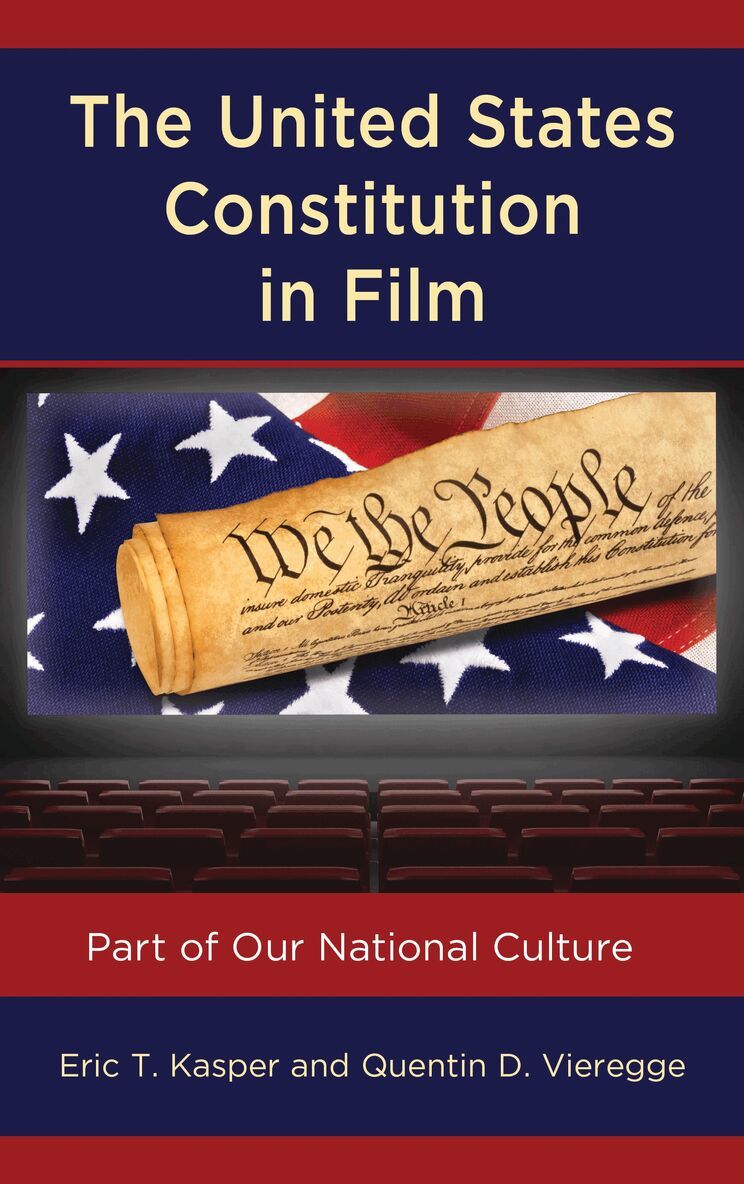
The U.S. Constitution is often depicted in popular films, teaching lessons about what this founding document means and what it requires. Mr. Smith Goes to Washington educates how a bill becomes a law. 12 Angry Men informs us about the rights of the accused. Selma explores the importance of civil rights, voting rights, and the freedom of speech. Lincoln shows us how to amend the Constitution. Not only have films like these been used to teach viewers about the Constitution; they also express the political beliefs of directors, producers, and actors, and they have been a reflection of what the public thinks generally, true or not, about the meaning of the Constitution. From the indictment of Warren Court rulings in Dirty Harry to the defense of the freedom of the press in All the President’s Men and The Post, filmmakers are often putting their stamp on what they believe the Constitution should mean and protect. These films can serve as a catalyst for nationwide conversations about the Constitution and as a way of either reinforcing or undermining the constitutional orthodoxies of their time. Put another way, these films are both symbols and products of the political tug of war over the interpretation of our nation’s blueprint for government and politics.To the contemporary student and the casual reader, popular films serve as an understandable way to explain the Constitution. This book examines several different areas of the Constitution to illuminate how films in each area have tried to engage the document and teach the viewer something about it. We expose myths where they exist in film, draw conclusions about how Hollywood’s constitutional lessons have changed over time, and ultimately compare these films to what the Constitution says and how the U.S. Supreme Court has interpreted it. Given the ever-present discussion of the Constitution in American politics and its importance to the structure of the U.S. government and citizens’ rights, there is no question that the popular perceptions of the document and how people acquire these perceptions are important and timely.
Häftad, Engelska, 2017
629 kr
Skickas inom 10-15 vardagar
This book examines the right to a neutral and detached decisionmaker as interpreted by the U.S. Supreme Court. This right resides in the Constitution’s Fifth Amendment and Fourteenth Amendment guarantees to procedural due process and in the Sixth Amendment’s promise of an impartial jury. Supreme Court cases on these topics are the vehicles to understand how these constitutional rights have come alive. First, the book surveys the right to an impartial jury in criminal cases by telling the stories of defendants whose convictions were overturned after they were the victims of prejudicial pretrial publicity, mob justice, and discriminatory jury selection. Next, the book articulates how our modern notion of judicial impartiality was forged by the Court striking down cases where judges were bribed, where they had other direct financial stakes in the outcome of the case, and where a judge decided the case of a major campaign supporter. Finally, the book traces the development of the right to a neutral decisionmaker in quasi-judicial, non-court settings, including cases involving parole revocation, medical license review, mental health commitments, prison discipline, and enemy combatants. Each chapter begins with the typically shocking facts of these cases being retold, and each chapter ends with a critical examination of the Supreme Court’s ultimate decisions in these cases.
Inbunden, Engelska, 2024
535 kr
Skickas inom 10-15 vardagar
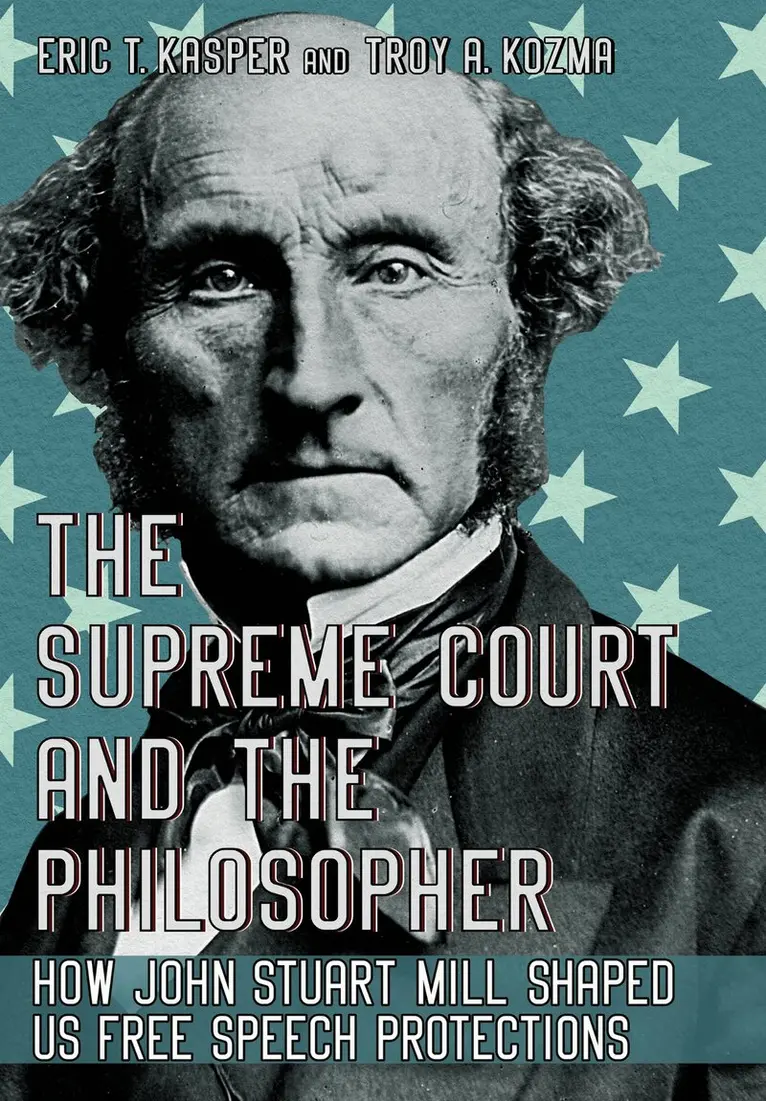
The Supreme Court and the Philosopher illustrates how the modern US Supreme Court has increasingly adopted a view of the constitutional right to the freedom of expression that is classically liberal in nature, reflecting John Stuart Mill's reasoning in On Liberty. A landmark treatise outlining the merits of limiting governmental and social power over the individual, On Liberty advocates for a maximum protection of human freedom. Proceeding case by case and covering a wide array of issues, such as campaign finance, offensive speech, symbolic speech, commercial speech, online expression, and false statements, Eric T. Kasper and Troy A. Kozma show how the Supreme Court justices have struck down numerous laws for infringing on the freedom of expression.Kasper and Kozma demonstrate how the adoption of Mill's version of free speech began with Justice Oliver Wendell Holmes Jr. more than a century ago and expanded over time to become the prevailing position of the Court today. The authors argue that this embrace of Mill's rationale has led to an unmistakable reorientation in the Court's understanding of free expression jurisprudence.The Supreme Court and the Philosopher is the first book to comprehensively explore how the political philosophy of Mill has influenced the highest court in the land. In targeting the underlying philosophical reasons that explain why the modern Supreme Court renders its First Amendment decisions, this book is particularly timely, as the issues of censorship and freedom of expression are debated in the public square today.
Inbunden, Engelska, 2025
1 273 kr
Skickas
Explores the line between free speech protected by the First Amendment and unprotected incitement to imminent lawless action.Free Speech and Incitement in the Twenty-First Century explores the line between free speech and incitement, which is a form of expression not protected by the First Amendment. Incitement occurs when a person intentionally provokes their audience to engage in illegal or violent action that is likely to, or will, occur imminently. This doctrine evolved from World War I through the Cold War and the civil rights movement era, culminating in a test announced by the US Supreme Court in Brandenburg v. Ohio (1969). Since the 1970s, this doctrine has remained largely unchanged by the Supreme Court and, as such, has received relatively little academic or media attention. Since the late 2010s, however, violence at political rallies, armed protests around Confederate statues, social unrest associated with demonstrations against police, and an attack on the US Capitol have led to new incitement cases in the lower courts and an opportunity to examine how incitement is defined and applied. Authors from different perspectives in Free Speech and Incitement in the Twenty-First Century help the reader understand the difference between free speech and incitement.
Häftad, Engelska, 2025
368 kr
Skickas
Explores the line between free speech protected by the First Amendment and unprotected incitement to imminent lawless action.Free Speech and Incitement in the Twenty-First Century explores the line between free speech and incitement, which is a form of expression not protected by the First Amendment. Incitement occurs when a person intentionally provokes their audience to engage in illegal or violent action that is likely to, or will, occur imminently. This doctrine evolved from World War I through the Cold War and the civil rights movement era, culminating in a test announced by the US Supreme Court in Brandenburg v. Ohio (1969). Since the 1970s, this doctrine has remained largely unchanged by the Supreme Court and, as such, has received relatively little academic or media attention. Since the late 2010s, however, violence at political rallies, armed protests around Confederate statues, social unrest associated with demonstrations against police, and an attack on the US Capitol have led to new incitement cases in the lower courts and an opportunity to examine how incitement is defined and applied. Authors from different perspectives in Free Speech and Incitement in the Twenty-First Century help the reader understand the difference between free speech and incitement.