Erik S. Reinert – författare
Visar alla böcker från författaren Erik S. Reinert. Handla med fri frakt och snabb leverans.
25 produkter
Global ekonomi : hur rika länder blev rika och varför fattiga länder förblir fattiga
Häftad, 2016
4,3 utav 5 stjärnor. Totalt antal röster: (3)
192 kr
Lägg i varukorg
Techno-Economic Paradigms
Essays in Honour of Carlota Perez
Av Wolfgang Drechsler, Rainer Kattel m. fl.
Häftad, 2011
435 kr
Lägg i varukorg
‘Techno-Economic Paradigms’ presents a series of essays by the leading academics in the field discussing one of the most interesting and talked-about socio-economic theories of our times, 'techno-economic paradigm shifts', and its role in explaining processes of innovation and development. This …
Ragnar Nurkse (1907-2007)
Classical Development Economics and its Relevance for Today
Av Rainer Kattel, Jan A. Kregel m. fl.
Häftad, 2011
422 kr
Lägg i varukorg
‘Ragnar Nurkse (1907-2007): Classical Development Economics and its Relevance for Today’ presents a selection of papers that casts new insight on Nurkse’s thought, and discusses his relevance for today, in light of the renewed interest in Nurkse amongst development economists. The volume also …
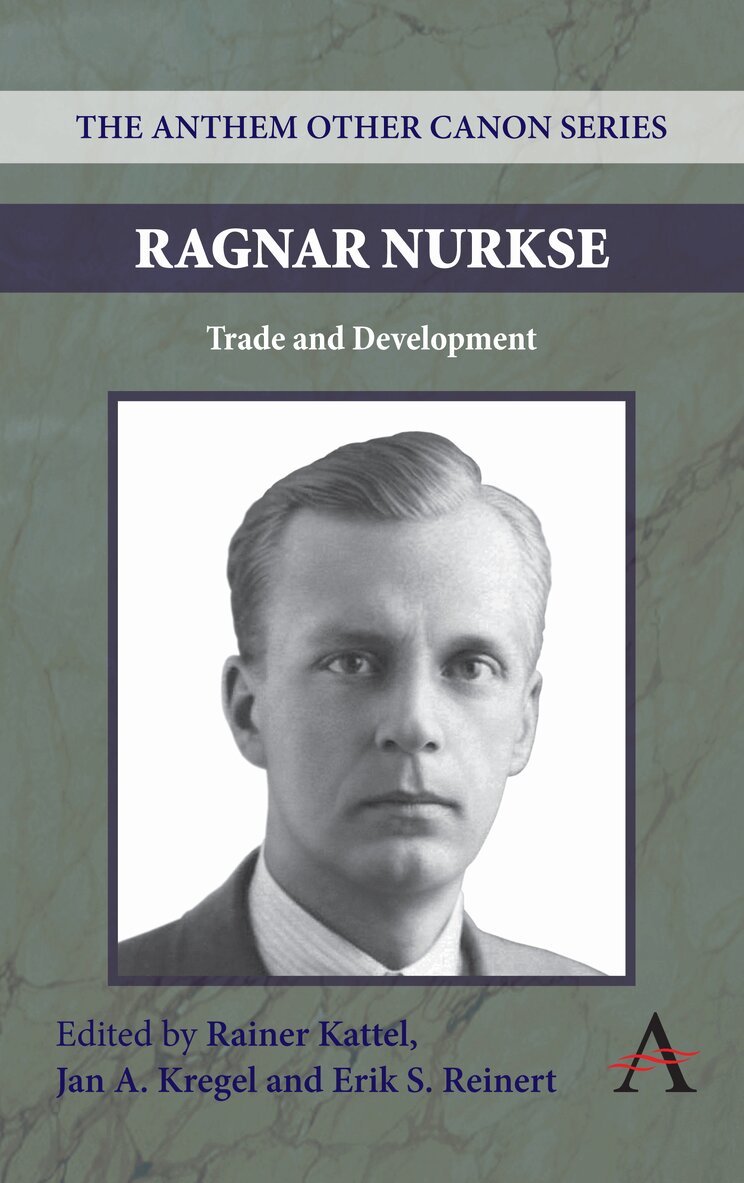
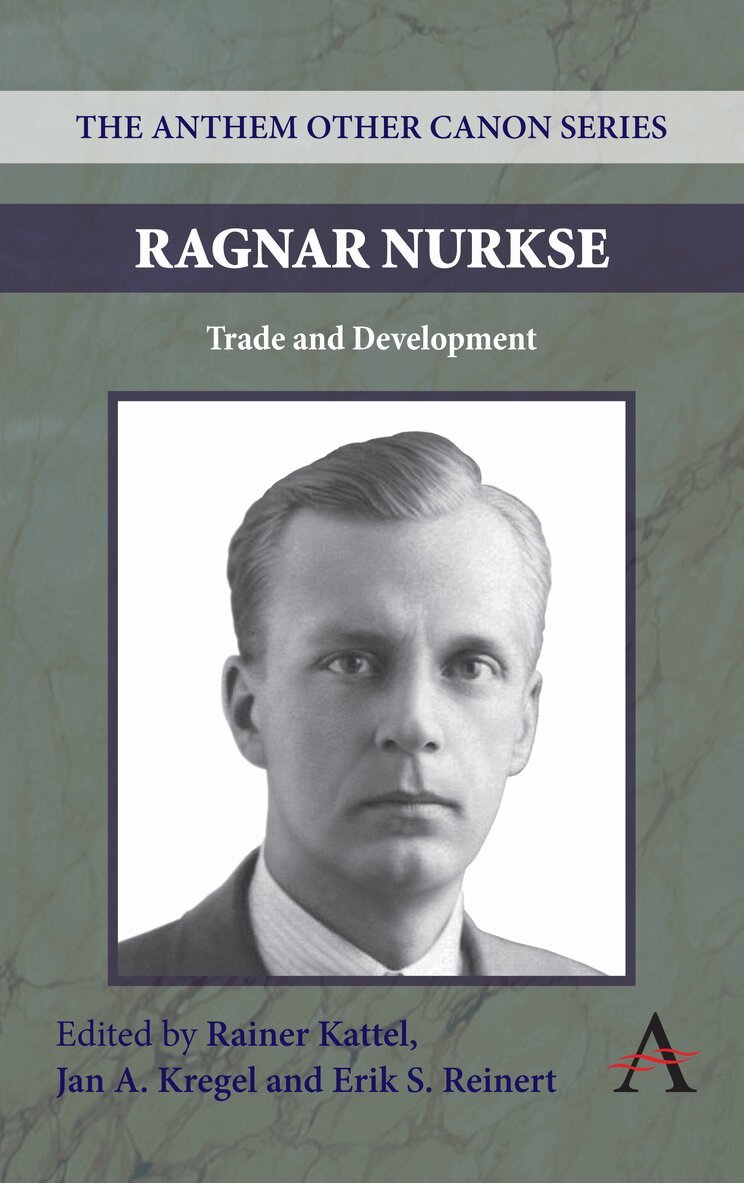
Ragnar Nurkse
Trade and Development
Av Rainer Kattel, Jan A. Kregel m. fl.
Häftad, 2011
435 kr
Lägg i varukorg
‘Ragnar Nurkse, Trade and Development’ is a timely reprint of Nurkse’s most important works, given the renewed interest in his writings amongst development economists, who are turning to this pioneering thinker in search for new inspiration. This volume aims to make his rarely published works …
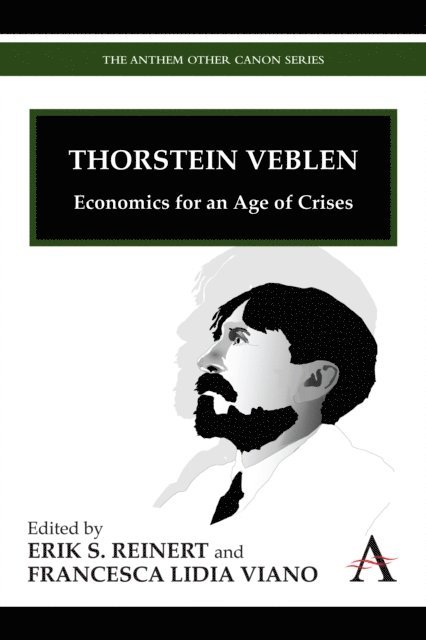
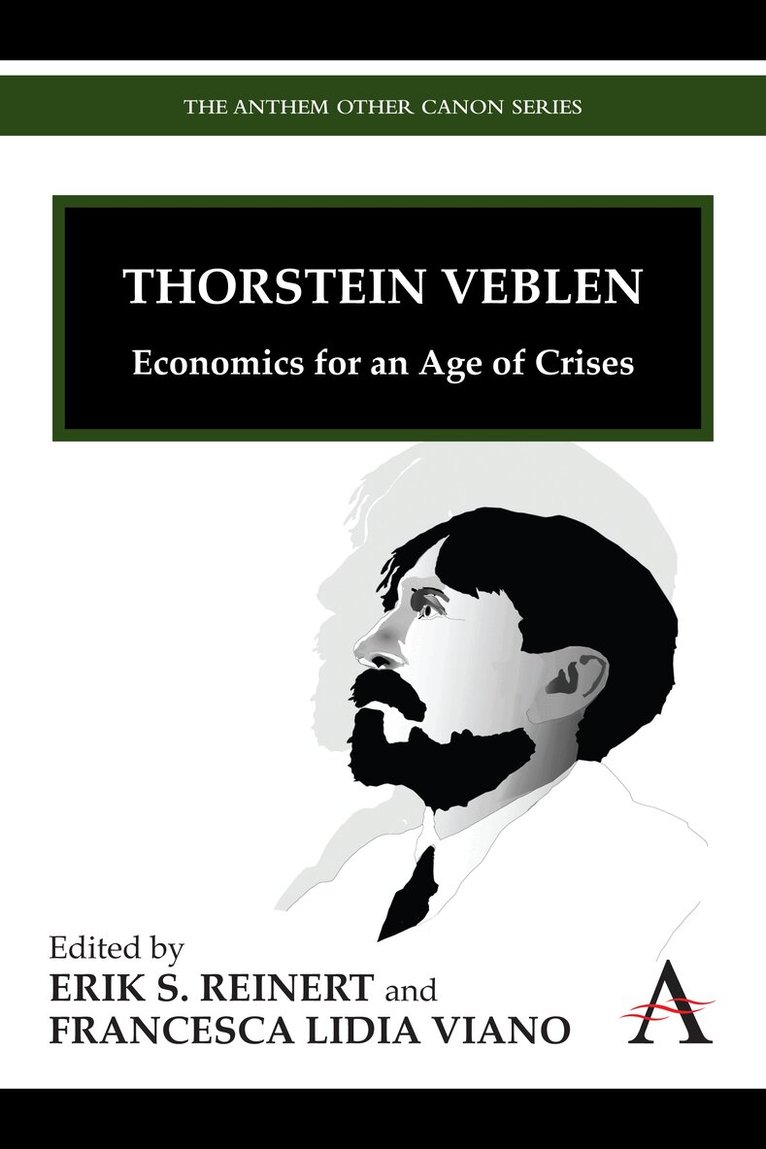
Thorstein Veblen
Economics for an Age of Crises
Av Francesca L. Viano, Erik S. Reinert
E-bok, 2012
1416 kr
Lägg i varukorg
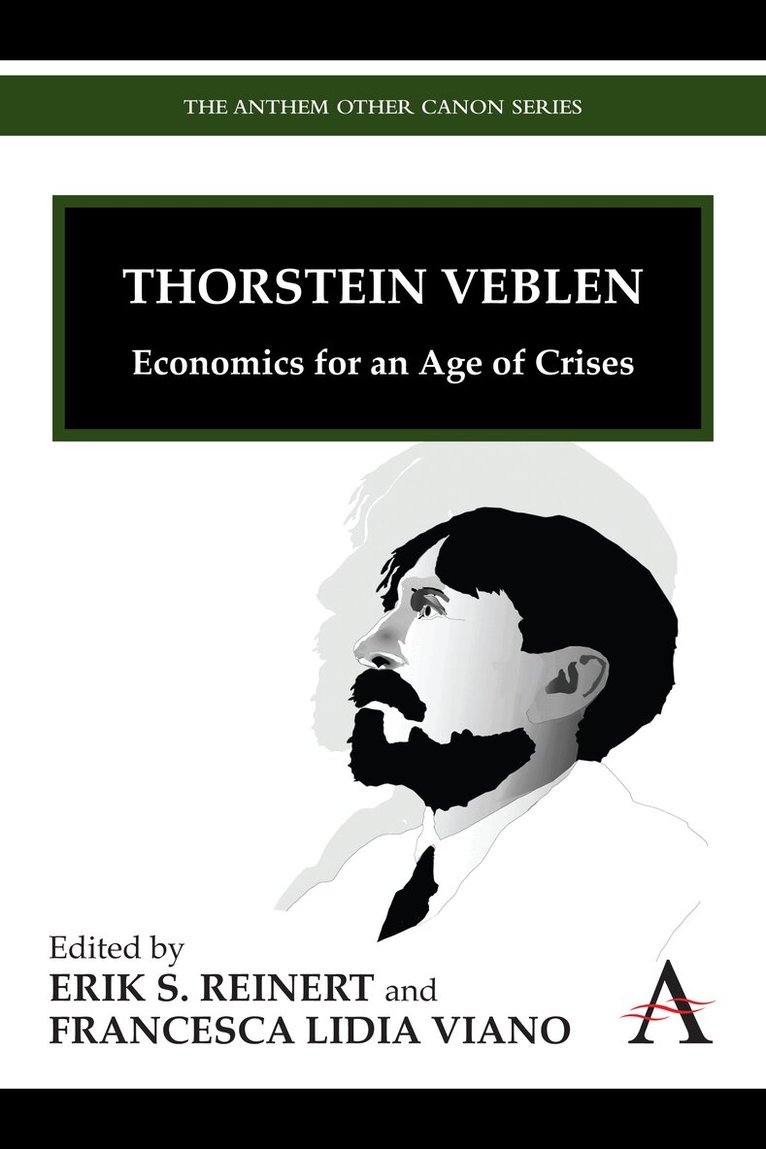
After his death Thorstein Veblen was hailed as ‘America’s Darwin and Marx’ and is normally portrayed as the perennial iconoclast. He severely criticised traditional economics and attempted to create an alternative approach based on a much more complex view of human beings. He is one of the most …
Modern Guide to Uneven Economic Development
Av Erik S. Reinert, Ingrid H. Kvangraven
Häftad, 2024
765 kr
Lägg i varukorg
In contrast to neo-classical mainstream approaches to economics, this innovative Modern Guide addresses the complex reality of economic development as an inherently uneven process, exploring the ways of theorizing and empirically exploring the mechanisms with which the unevenness manifests …
Handbook of Alternative Theories of Economic Development
Av Erik S. Reinert, Jayati Ghosh m. fl.
Inbunden, 2016
5789 kr
Lägg i varukorg
The Handbook of Alternative Theories of Economic Development explores the theories and approaches which, over a prolonged period of time, have existed as viable alternatives to today’s mainstream and neo-classical tenets. With a total of 40 specially commissioned chapters, written by the foremost …
Handbook of Alternative Theories of Economic Development
Av Erik S. Reinert, Jayati Ghosh m. fl.
Häftad, 2018
1028 kr
Lägg i varukorg
The Handbook of Alternative Theories of Economic Development explores the theories and approaches which, over a prolonged period of time, have existed as viable alternatives to today’s mainstream and neo-classical tenets. With a total of 40 specially commissioned chapters, written by the foremost …
Handbook of Alternative Theories of Economic Development
Av Rainer Kattel, Jayati Ghosh m. fl.
E-bok, 2016
926 kr
Lägg i varukorg
The Handbook of Alternative Theories of Economic Development explores the theories and approaches which, over a prolonged period of time, have existed as viable alternatives to today’s mainstream and neo-classical tenets. With a total of 40 specially commissioned chapters, written by the foremost …
Thorstein Veblen
Economics for an Age of Crises
Av Erik S. Reinert, Francesca L. Viano
Häftad, 2014
435 kr
Lägg i varukorg
After his death Thorstein Veblen was hailed as ‘America’s Darwin and Marx’ and is normally portrayed as the perennial iconoclast. He severely criticised traditional economics and attempted to create an alternative approach based on a much more complex view of human beings. He is one of the most …
Visionary Realism of German Economics
From the Thirty Years' War to the Cold War
Av Erik S. Reinert, Rainer Kattel
Inbunden, 2019
1319 kr
Lägg i varukorg
The Visionary Realism of German Economics forms a collection of Erik S. Reinert’s essays bringing the more realistic German economic tradition into focus as an alternative to Anglo-Saxon neoclassical mainstream economics. Together the essays form a holistic theory explaining why economic …
Modern Guide to Uneven Economic Development
Av Erik S. Reinert, Ingrid H. Kvangraven
Inbunden, 2023
2854 kr
Lägg i varukorg
In contrast to neo-classical mainstream approaches to economics, this innovative Modern Guide addresses the complex reality of economic development as an inherently uneven process, exploring the ways of theorizing and empirically exploring the mechanisms with which the unevenness manifests …
Modern Guide to Uneven Economic Development
Av Ingrid H. Kvangraven, Erik S. Reinert
E-bok, 2023
737 kr
Lägg i varukorg
In contrast to neo-classical mainstream approaches to economics, this innovative Modern Guide addresses the complex reality of economic development as an inherently uneven process, exploring the ways of theorizing and empirically exploring the mechanisms with which the unevenness manifests itself. …
Fronsperger and Laffemas
16th-century Precursors of Modern Economic Ideas
Av Leonhard Fronsperger, Barthélemy de Laffemas m. fl.
Inbunden, 2023
1358 kr
Lägg i varukorg
This volume introduces two unique and hitherto largely unknown contributions to the making of modern economic knowledge and makes them available internationally for the first time in full English translation. The messages of the books are seemingly contradictory, one focuses on the role of …
Techno-Economic Paradigms
Essays in Honour of Carlota Perez
Av Wolfgang Drechsler, Rainer Kattel m. fl.
Inbunden, 2009
1153 kr
Lägg i varukorg
‘Techno-Economic Paradigms’ presents a series of essays by the leading academics in the field discussing one of the most interesting and talked-about socio-economic theories of our times, 'techno-economic paradigm shifts', and its role in explaining processes of innovation and development. This …
Ragnar Nurkse (1907-2007)
Classical Development Economics and its Relevance for Today
Av Rainer Kattel, Jan A. Kregel m. fl.
Inbunden, 2009
1190 kr
Lägg i varukorg
‘Ragnar Nurkse (1907-2007): Classical Development Economics and its Relevance for Today’ presents a selection of papers that casts new insight on Nurkse’s thought, and discusses his relevance for today, in light of the renewed interest in Nurkse amongst development economists. The volume also …
Ragnar Nurkse
Trade and Development
Av Rainer Kattel, Jan A. Kregel m. fl.
Inbunden, 2009
1190 kr
Lägg i varukorg
‘Ragnar Nurkse, Trade and Development’ is a timely reprint of Nurkse’s most important works, given the renewed interest in his writings amongst development economists, who are turning to this pioneering thinker in search for new inspiration. This volume aims to make his rarely published works …
Thorstein Veblen
Economics for an Age of Crises
Av Erik S. Reinert, Francesca L. Viano
Inbunden, 2012
1190 kr
Lägg i varukorg
After his death Thorstein Veblen was hailed as ‘America’s Darwin and Marx’ and is normally portrayed as the perennial iconoclast. He severely criticised traditional economics and attempted to create an alternative approach based on a much more complex view of human beings. He is one of the most …
Globalization, Economic Development and Inequality
An Alternative Perspective
E-bok, 2004
715 kr
Lägg i varukorg
Evolutionary economics gained acceptance for the study of industrialized countries during the 1990s but has, as yet, contributed little to the study of world income inequality. The expert contributors gathered here approach underdevelopment and inequality from different evolutionary perspectives. …
Globalization, Economic Development and Inequality
An Alternative Perspective
Häftad, 2007
803 kr
Lägg i varukorg
Evolutionary economics gained acceptance for the study of industrialized countries during the 1990s but has, as yet, contributed little to the study of world income inequality. The expert contributors gathered here approach underdevelopment and inequality from different evolutionary perspectives. …
Globalization, Economic Development and Inequality
An Alternative Perspective
Inbunden, 2004
2325 kr
Lägg i varukorg
Evolutionary economics gained acceptance for the study of industrialized countries during the 1990s but has, as yet, contributed little to the study of world income inequality. The expert contributors gathered here approach underdevelopment and inequality from different evolutionary perspectives. …
Warum manche Länder reich und andere arm sind
Wie der Westen seine Geschichte ignoriert und deshalb seine Wirtschaftsmacht verliert
E-bok, 2014
381 kr
Lägg i varukorg
Warum steigt ein Land zur Wirtschaftsmacht auf? Sind Freihandel und Globalisierung Allheilmittel? Was ist die Ursache für die europäische Währungskrise?Bei seiner Reise durch die Wirtschaftsgeschichte von den mächtigen Stadtstaaten der Renaissance bis zum aktuellen Aufstieg Chinas und Südkoreas …
How Rich Countries Got Rich and Why Poor Countries Stay Poor
Häftad, 2008
4,0 utav 5 stjärnor. Totalt antal röster: (1)
215 kr
Tillfälligt slut
How Rich Countries Got Rich is a narrative history of modern economic development from the Italian Renaissance to the present day.In it Erik S. Reinert shows how rich countries developed through a combination of government intervention, protectionism, and strategic investment. Reinert suggests that …
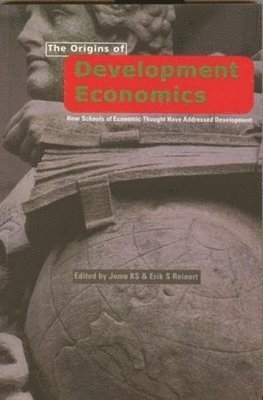
Origins of Development Economics
Av K. S. Jomo, Erik S. Reinert m. fl.
Häftad, 2006
158 kr
Tillfälligt slut