Eugene Costello - Böcker
Visar alla böcker från författaren Eugene Costello. Handla med fri frakt och snabb leverans.
4 produkter
4 produkter
732 kr
Skickas inom 10-15 vardagar
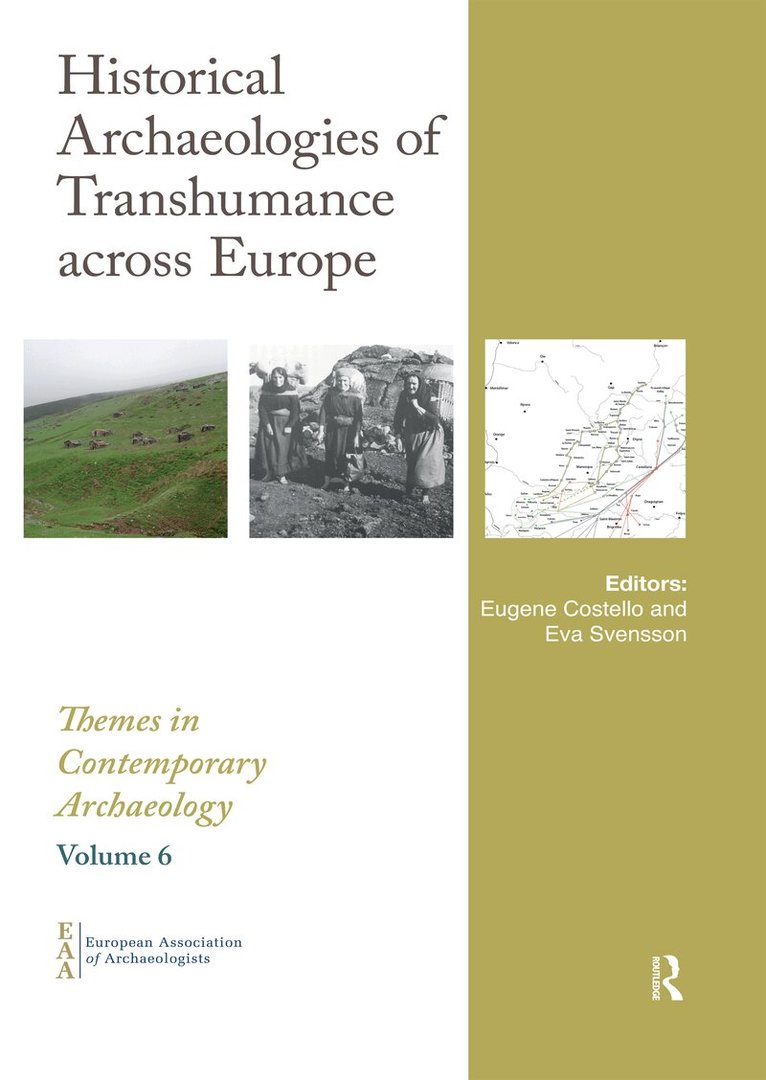
Transhumance is a form of pastoralism that has been practised around the world since animals were first domesticated. Such seasonal movements have formed an important aspect of many European farming systems for several thousand years, although they have declined markedly since the nineteenth century. Ethnographers and geographers have long been involved in recording transhumant practices, and in the last two decades archaeologists have started to add a new material dimension to the subject. This volume brings together recent advances in the study of European transhumance during historical times, from Sweden to Spain, Romania to Ireland, and beyond that even Newfoundland. While the focus is on the archaeology of seasonal sites used by shepherds and cowherds, the contributions exhibit a high degree of interdisciplinarity. Documentary, cartographic, ethnographic and palaeoecological evidence all play a part in the examination of seasonal movement and settlement in medieval and post-medieval landscapes. Notwithstanding the obvious diversity across Europe in terms of livestock, distances travelled and socio-economic context, an extended introduction to the volume shows that cross-cutting themes are now emerging, including mobility, gendered herding, collective land-use, the agency of non-elite people and competition for grazing and markets. The book will appeal not only to archaeologists, but to historians, geographers, ethnographers, palaeoecologists and anyone interested in rural lifeways across Europe.
2 446 kr
Skickas inom 10-15 vardagar
Transhumance is a form of pastoralism that has been practised around the world since animals were first domesticated. Such seasonal movements have formed an important aspect of many European farming systems for several thousand years, although they have declined markedly since the nineteenth century. Ethnographers and geographers have long been involved in recording transhumant practices, and in the last two decades archaeologists have started to add a new material dimension to the subject. This volume brings together recent advances in the study of European transhumance during historical times, from Sweden to Spain, Romania to Ireland, and beyond that even Newfoundland. While the focus is on the archaeology of seasonal sites used by shepherds and cowherds, the contributions exhibit a high degree of interdisciplinarity. Documentary, cartographic, ethnographic and palaeoecological evidence all play a part in the examination of seasonal movement and settlement in medieval and post-medieval landscapes. Notwithstanding the obvious diversity across Europe in terms of livestock, distances travelled and socio-economic context, an extended introduction to the volume shows that cross-cutting themes are now emerging, including mobility, gendered herding, collective land-use, the agency of non-elite people and competition for grazing and markets. The book will appeal not only to archaeologists, but to historians, geographers, ethnographers, palaeoecologists and anyone interested in rural lifeways across Europe.
Del 7 - Garden and Landscape History
Transhumance and the Making of Ireland's Uplands, 1550-1900
Inbunden, Engelska, 2020
1 083 kr
Skickas inom 10-15 vardagar
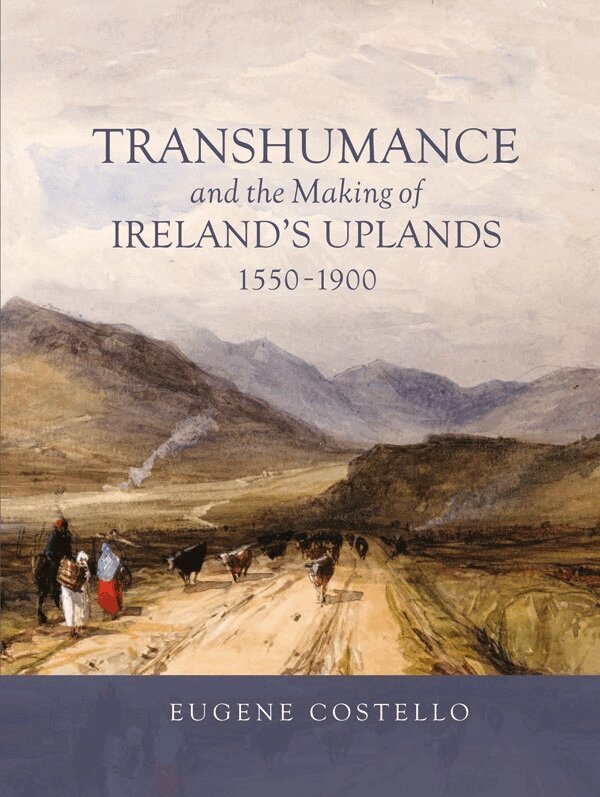
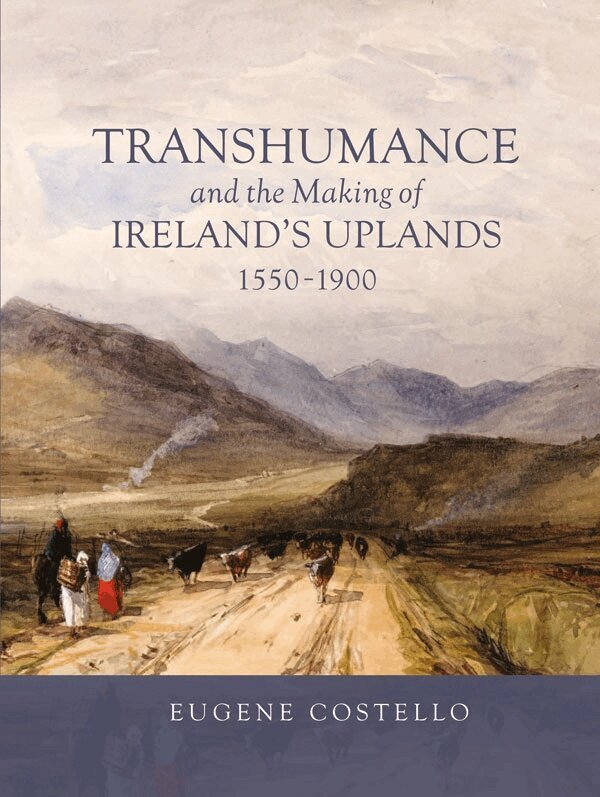
First full survey of how transhumance operated in Ireland from the sixteenth century to the beginning of the twentieth.WINNER: American Conference for Irish Studies Donald Murphy Prize for Distinguished First Book 2021Special Commendation, Publication Prize in Irish History, NUI Awards 2021SHORTLISTED: European Association of Archaeologists Book Prize 2023The rearing of cattle is today a fairly sedentary practice in Ireland, Britain and most of north-west Europe. But in the not-so-distant past it was common for many rural households to take their livestock to hill and mountain pastures for the summer. Moreover, ethnographic accounts suggest that a significant number of people would stay in seasonal upland settlements to milk the cows and produce butter and cheese. However, these movements all but died out in the nineteenth and twentieth centuries, meaning that today transhumance is mainly associated with Alpine and Mediterranean landscapes.This book is the first major interdisciplinary approach to the diversity and decline of transhumance in a northern European context. Focusing on Ireland from c.1550 to 1900, it shows that uplands were valuable resources which allowed tenant households to maintain larger herds of livestock and adapt to global economic trends. And it places the practice in a social context, demonstrating that transhumance required highly organized systems of common grazing, and that the care of dairy cows amounted to a rite of passage for young women in many rural communities.
Del 7 - Garden and Landscape History
Transhumance and the Making of Ireland's Uplands, 1550-1900
Häftad, Engelska, 2024
366 kr
Skickas
First full survey of how transhumance operated in Ireland from the sixteenth century to the beginning of the twentieth.WINNER: American Conference for Irish Studies Donald Murphy Prize for Distinguished First Book 2021Special Commendation, Publication Prize in Irish History, NUI Awards 2021SHORTLISTED: European Association of Archaeologists Book Prize 2023The rearing of cattle is today a fairly sedentary practice in Ireland, Britain and most of north-west Europe. But in the not-so-distant past it was common for many rural households to take their livestock to hill and mountain pastures for the summer. Moreover, ethnographic accounts suggest that a significant number of people would stay in seasonal upland settlements to milk the cows and produce butter and cheese. However, these movements all but died out in the nineteenth and twentieth centuries, meaning that today transhumance is mainly associated with Alpine and Mediterranean landscapes.This book is the first major interdisciplinary approach to the diversity and decline of transhumance in a northern European context. Focusing on Ireland from c.1550 to 1900, it shows that uplands were valuable resources which allowed tenant households to maintain larger herds of livestock and adapt to global economic trends. And it places the practice in a social context, demonstrating that transhumance required highly organized systems of common grazing, and that the care of dairy cows amounted to a rite of passage for young women in many rural communities.