Eugenie Zvonkine – författare
Visar alla böcker från författaren Eugenie Zvonkine. Handla med fri frakt och snabb leverans.
8 produkter
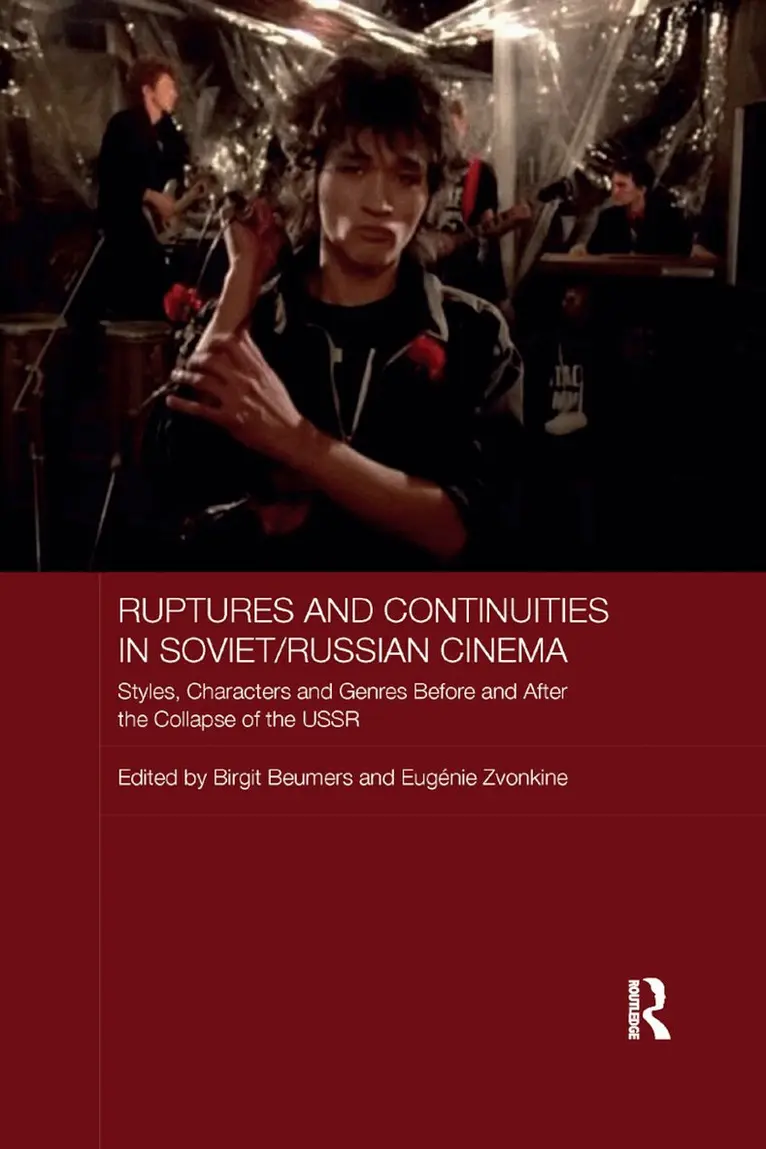
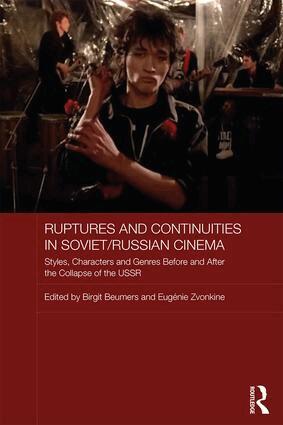
Ruptures and Continuities in Soviet/Russian Cinema
Styles, characters and genres before and after the collapse of the USSR
Av Birgit Beumers, Eugenie Zvonkine
Häftad, 2019
713 kr
Lägg i varukorg
This book, based on extensive original research, examines how far the collapse of the Soviet Union represented a threshold that initiated change or whether there are continuities which gradually reshaped cinema in the new Russia. The book considers a wide range of films and film-makers and explores …
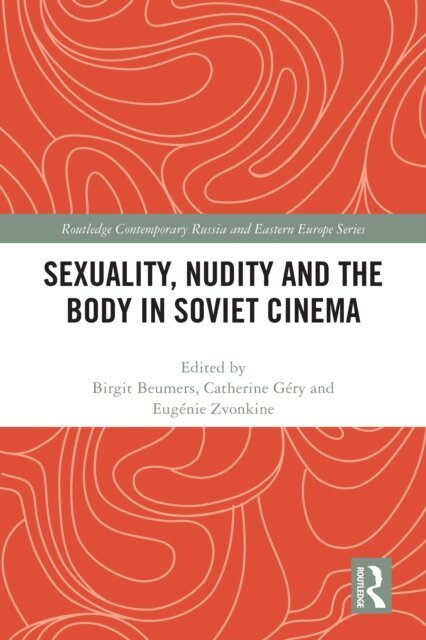
Sexuality, Nudity and the Body in Soviet Cinema
Av Birgit Beumers, Catherine Géry m. fl.
Inbunden, 2025
2591 kr
Lägg i varukorg
This book explores evocations of and allusions to sexual desire in Soviet cinema, 1919–1991.By deploying several lines of investigation – from the cult of the masculine, strong body in Stalinist cinema to the shifting signification of the naked body (male and female) in post-war cinema and to the …
Sexuality, Nudity and the Body in Soviet Cinema
Av Birgit Beumers, Catherine Géry m. fl.
Häftad, 2026
728 kr
Lägg i varukorg
This book explores evocations of and allusions to sexual desire in Soviet cinema, 1919–1991.By deploying several lines of investigation – from the cult of the masculine, strong body in Stalinist cinema to the shifting signification of the naked body (male and female) in post-war cinema and to the …
Sexuality, Nudity and the Body in Soviet Cinema
Av Eugenie Zvonkine, Catherine Gery m. fl.
E-bok, 2025
831 kr
Lägg i varukorg
This book explores evocations of and allusions to sexual desire in Soviet cinema, 1919–1991. By deploying several lines of investigation – from the cult of the masculine, strong body in Stalinist cinema to the shifting signification of the naked body (male and female) in post-war cinema and to the …
Sexuality, Nudity and the Body in Soviet Cinema
Av Eugenie Zvonkine, Catherine Gery m. fl.
E-bok, 2025
831 kr
Lägg i varukorg
This book explores evocations of and allusions to sexual desire in Soviet cinema, 1919–1991. By deploying several lines of investigation – from the cult of the masculine, strong body in Stalinist cinema to the shifting signification of the naked body (male and female) in post-war cinema and to the …
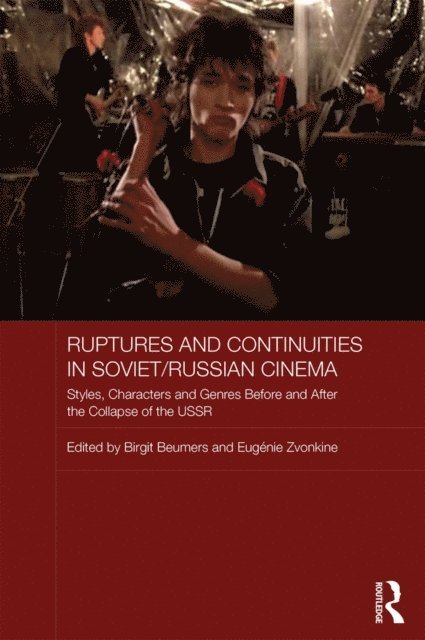
Ruptures and Continuities in Soviet/Russian Cinema
Styles, characters and genres before and after the collapse of the USSR
Av Birgit Beumers, Eugenie Zvonkine
Inbunden, 2017
2521 kr
Lägg i varukorg
This book, based on extensive original research, examines how far the collapse of the Soviet Union represented a threshold that initiated change or whether there are continuities which gradually reshaped cinema in the new Russia. The book considers a wide range of films and film-makers and explores …
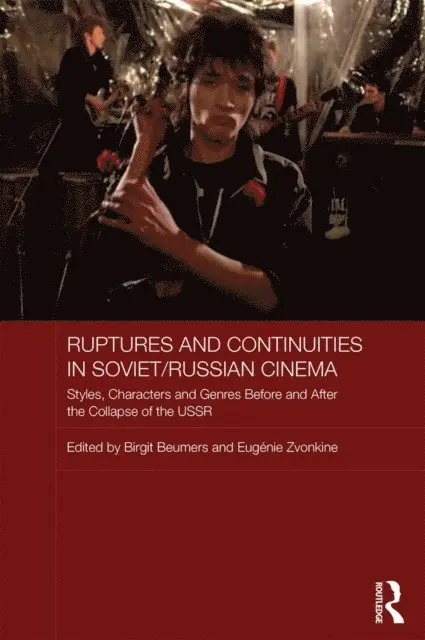
Ruptures and Continuities in Soviet/Russian Cinema
Styles, characters and genres before and after the collapse of the USSR
Av Eugenie Zvonkine, Birgit Beumers
E-bok, 2017
814 kr
Lägg i varukorg
This book, based on extensive original research, examines how far the collapse of the Soviet Union represented a threshold that initiated change or whether there are continuities which gradually reshaped cinema in the new Russia. The book considers a wide range of films and film-makers and explores …
Ruptures and Continuities in Soviet/Russian Cinema
Styles, characters and genres before and after the collapse of the USSR
Av Eugenie Zvonkine, Birgit Beumers
E-bok, 2017
796 kr
Lägg i varukorg
This book, based on extensive original research, examines how far the collapse of the Soviet Union represented a threshold that initiated change or whether there are continuities which gradually reshaped cinema in the new Russia. The book considers a wide range of films and film-makers and explores …