Eva Sheppard Wolf - Böcker
Visar alla böcker från författaren Eva Sheppard Wolf. Handla med fri frakt och snabb leverans.
3 produkter
3 produkter
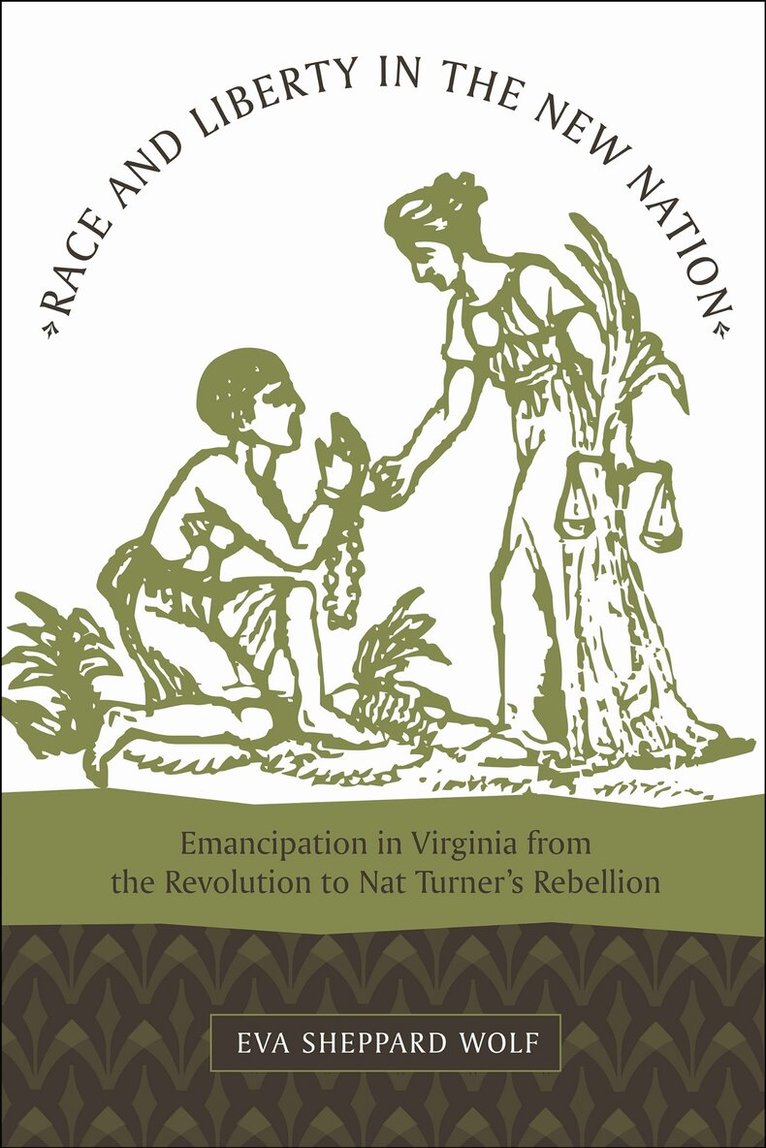
Race and Liberty in the New Nation
Emancipation in Virginia from the Revolution to Nat Turner's Rebellion
Häftad, Engelska, 2009
378 kr
Skickas inom 10-15 vardagar
By examining how ordinary Virginia citizens grappled with the vexing problem of slavery in a society dedicated to universal liberty, Eva Sheppard Wolf broadens our understanding of such concepts as freedom, slavery, emancipation, and race in the early years of the American republic. She frames her study around the moment between slavery and liberty -- emancipation -- shedding new light on the complicated relations between whites and blacks in a slave society. This well-informed and carefully crafted book outlines important and heretofore rarely examined changes in whites' views of blacks and liberty in the new nation. Combining a study of manumission documents with an investigation of the shifting public discussions over slavery, Race and Liberty in the New Nation demonstrates that the high point of antislavery sentiment in Virginia occurred during the 1830s and not the Revolutionary period. At the same time, it shows how white Virginians' attitudes toward blacks hardened during the half-century that followed the declaration that ""all men are created equal.
1 018 kr
Skickas inom 5-8 vardagar
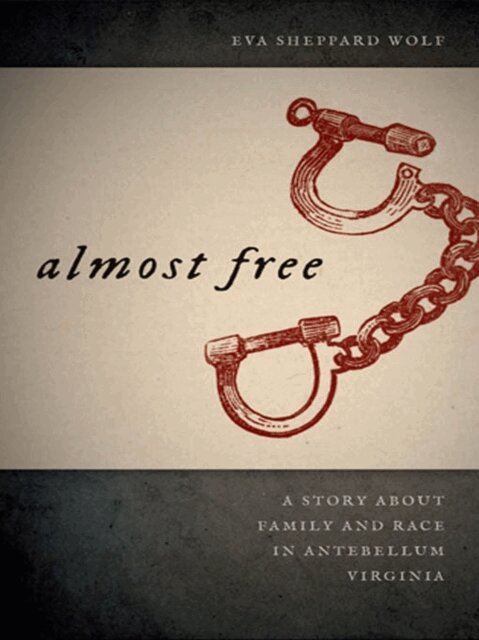
In Almost Free, Eva Sheppard Wolf uses the story of Samuel Johnson, a free black man from Virginia attempting to free his family, to add detail and depth to our understanding of the lives of free blacks in the South.There were several paths to freedom for slaves, each of them difficult. After ten years of elaborate dealings and negotiations, Johnson earned manumission in August 1812. An illiterate “mulatto” who had worked at the tavern in Warrenton as a slave, Johnson as a freeman was an anomaly, since free blacks made up only 3 percent of Virginia’s population. Johnson stayed in Fauquier County and managed to buy his enslaved family, but the law of the time required that they leave Virginia if Johnson freed them. Johnson opted to stay. Because slaves’ marriages had no legal standing, Johnson was not legally married to his enslaved wife, and in the event of his death his family would be sold to new owners. Johnson’s story dramatically illustrates the many harsh realities and cruel ironies faced by blacks in a society hostile to their freedom.Wolf argues that despite the many obstacles Johnson and others faced, race relations were more flexible during the early American republic than is commonly believed. It could actually be easier for a free black man to earn the favor of elite whites than it would be for blacks in general in the post-Reconstruction South. Wolf demonstrates the ways in which race was constructed by individuals in their day-to-day interactions, arguing that racial status was not simply a legal fact but a fluid and changeable condition. Almost Free looks beyond the majority experience, focusing on those at society’s edges to gain a deeper understanding of the meaning of freedom in the slaveholding South.A Sarah Mills Hodge Fund Publication
402 kr
Skickas inom 5-8 vardagar
In Almost Free, Eva Sheppard Wolf uses the story of Samuel Johnson, a free black man from Virginia attempting to free his family, to add detail and depth to our understanding of the lives of free blacks in the South.There were several paths to freedom for slaves, each of them difficult. After ten years of elaborate dealings and negotiations, Johnson earned manumission in August 1812. An illiterate “mulatto” who had worked at the tavern in Warrenton as a slave, Johnson as a freeman was an anomaly, since free blacks made up only 3 percent of Virginia’s population. Johnson stayed in Fauquier County and managed to buy his enslaved family, but the law of the time required that they leave Virginia if Johnson freed them. Johnson opted to stay. Because slaves’ marriages had no legal standing, Johnson was not legally married to his enslaved wife, and in the event of his death his family would be sold to new owners. Johnson’s story dramatically illustrates the many harsh realities and cruel ironies faced by blacks in a society hostile to their freedom.Wolf argues that despite the many obstacles Johnson and others faced, race relations were more flexible during the early American republic than is commonly believed. It could actually be easier for a free black man to earn the favor of elite whites than it would be for blacks in general in the post-Reconstruction South. Wolf demonstrates the ways in which race was constructed by individuals in their day-to-day interactions, arguing that racial status was not simply a legal fact but a fluid and changeable condition. Almost Free looks beyond the majority experience, focusing on those at society’s edges to gain a deeper understanding of the meaning of freedom in the slaveholding South.A Sarah Mills Hodge Fund Publication