Evan Mwangi - Böcker
Visar alla böcker från författaren Evan Mwangi. Handla med fri frakt och snabb leverans.
3 produkter
3 produkter
460 kr
Skickas inom 7-10 vardagar
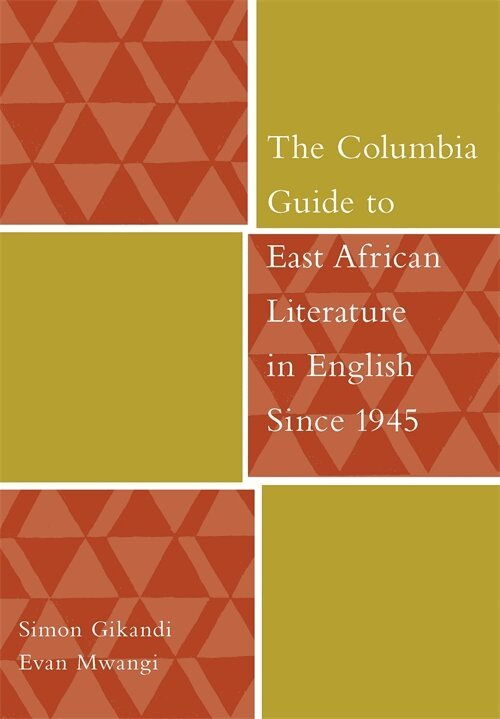
The Columbia Guide to East African Literature in English Since 1945 challenges the conventional belief that the English-language literary traditions of East Africa are restricted to the former British colonies of Kenya, Uganda, and Tanzania. Instead, these traditions stretch far into such neighboring countries as Somalia and Ethiopia. Simon Gikandi and Evan Mwangi assemble a truly inclusive list of major writers and trends. They begin with a chronology of key historical events and an overview of the emergence and transformation of literary culture in the region. Then they provide an alphabetical list of major writers and brief descriptions of their concerns and achievements. Some of the writers discussed include the Kenyan novelists Grace Ogot and Ngugi wa Thiong'o, Ugandan poet and essayist Taban Lo Liyong, Ethiopian playwright and poet Tsegaye Gabre-Medhin, Tanzanian novelist and diplomat Peter Palangyo, Ethiopian novelist Berhane Mariam Sahle-Sellassie, and the novelist M. G. Vassanji, who portrays the Indian diaspora in Africa, Europe, and North America.Separate entries within this list describe thematic concerns, such as colonialism, decolonization, the black aesthetic, and the language question; the growth of genres like autobiography and popular literature; important movements like cultural nationalism and feminism; and the impact of major forces such as AIDS/HIV, Christian missions, and urbanization. Comprehensive and richly detailed, this guide offers a fresh perspective on the role of East Africa in the development of African and world literature in English and a new understanding of the historical, cultural, and geopolitical boundaries of the region.
479 kr
Skickas inom 7-10 vardagar
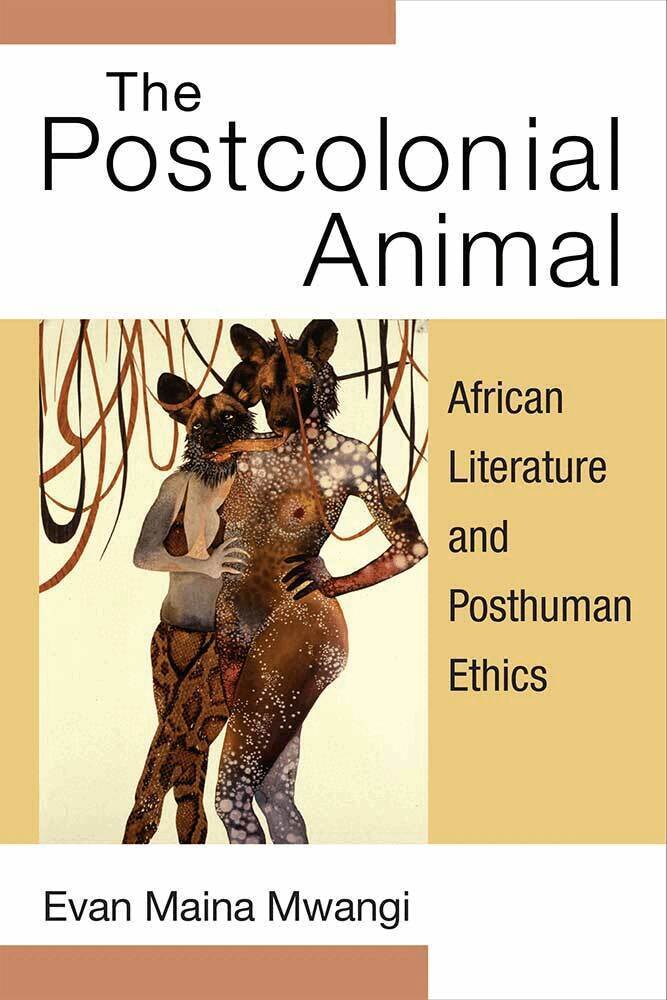
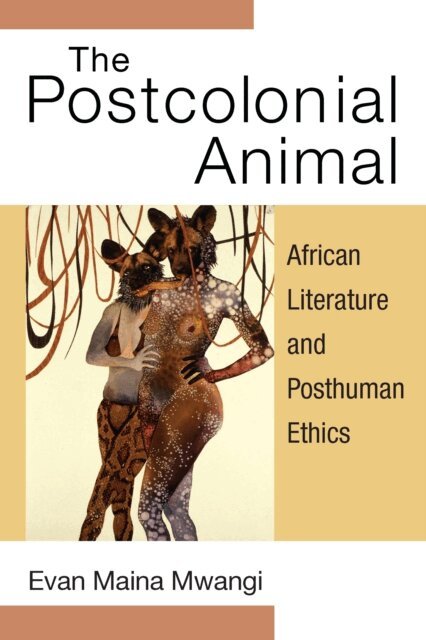
Despite the central role that animals play in African writing and daily life, African literature and African thinkers remain conspicuously absent from the field of animal studies. The Postcolonial Animal: African Literature and Posthuman Ethics demonstrates the importance of African writing to animal studies by analyzing how postcolonial African writing—including folktales, religion, philosophy, and anticolonial movements—has been mobilized to call for humane treatment of nonhuman others. Mwangi illustrates how African authors grapple with the possibility of an alternative to eating meat, and how they present postcolonial animal-consuming cultures as shifting toward an embrace of cultural and political practices that avoid the use of animals and minimize animal suffering. The Postcolonial Animal analyzes texts that imagine a world where animals are not abused or used as a source of food, clothing, or labor, and that offer instruction in how we might act responsibly and how we should relate to others—both human and nonhuman—in order to ensure a world free of oppression. The result is an equitable world where even those who are utterly foreign to us are accorded respect and where we recognize the rights of all marginalized groups.
1 333 kr
Skickas
Despite the central role that animals play in African writing and daily life, African literature and African thinkers remain conspicuously absent from the field of animal studies. The Postcolonial Animal: African Literature and Posthuman Ethics demonstrates the importance of African writing to animal studies by analyzing how postcolonial African writing—including folktales, religion, philosophy, and anticolonial movements—has been mobilized to call for humane treatment of nonhuman others. Mwangi illustrates how African authors grapple with the possibility of an alternative to eating meat, and how they present postcolonial animal-consuming cultures as shifting toward an embrace of cultural and political practices that avoid the use of animals and minimize animal suffering. The Postcolonial Animal analyzes texts that imagine a world where animals are not abused or used as a source of food, clothing, or labor, and that offer instruction in how we might act responsibly and how we should relate to others—both human and nonhuman—in order to ensure a world free of oppression. The result is an equitable world where even those who are utterly foreign to us are accorded respect and where we recognize the rights of all marginalized groups.