Fabio Benzi – författare
Visar alla böcker från författaren Fabio Benzi. Handla med fri frakt och snabb leverans.
3 produkter
3 produkter
Inbunden, Engelska, 2023
585 kr
Skickas inom 5-8 vardagar
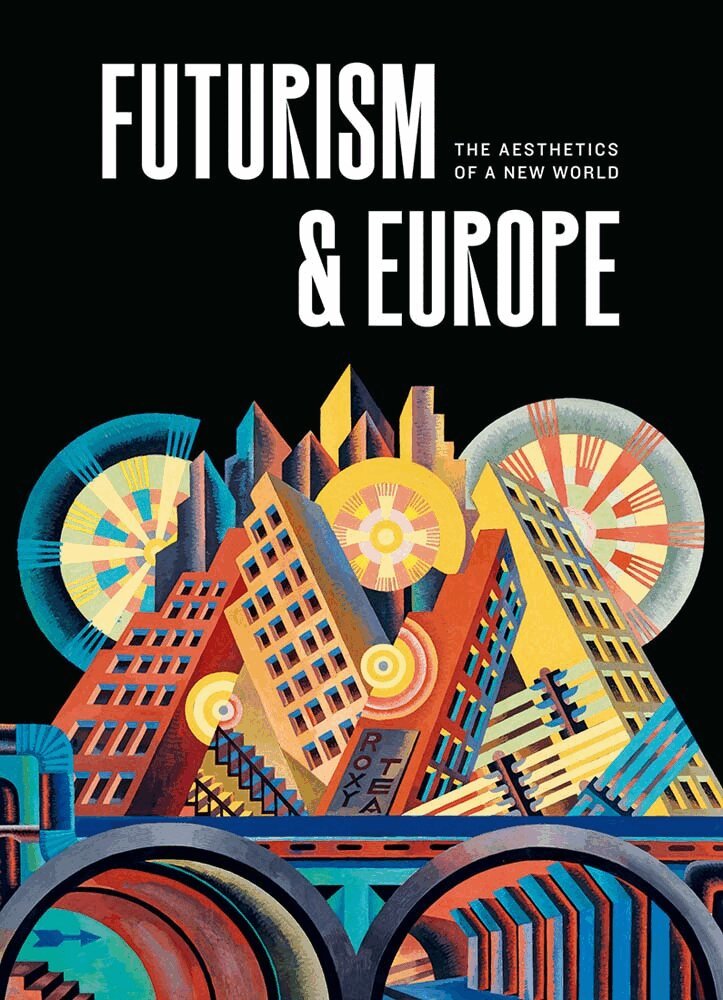
A new, expansive study on Futurism which explores for the first time its relationships with other European avant-gardes during 1912 to 1939Futurism & Europe: The Aesthetics of a New World examines for the first time the many interconnections between Futurism and other European avant-gardes as varied as the Bauhaus in Germany, De Stijl in the Netherlands, Omega Workshops in Britain, Constructivism in Russia and Esprit Nouveau in France. Featuring over twenty essays by an international team of experts, this expansive book covers a range of topics and mediums including painting, sculpture, architecture, interior and stage designs, graphic work, fashion, theatre and cinema, as well as a diverse variety of functional objects from furniture and carpets to ceramics and toys.Spanning various avant-gardes from 1912 to 1939, artists featured include Italian futurists such as Giacomo Balla, Umberto Boccioni and Fortunato Depero, alongside other European artists including Sonia Delaunay, Le Corbusier, Fernand Léger, Walter Gropius, Alexander Rodchenko, Fritz Lang, László Moholy-Nagy, Wassily Kandinsky, Hans Arp, Duncan Grant, Natalia Goncharova and Vladimir Tatlin. Broad in scope, this pioneering book examines the intersections between Futurism and other European avant-garde movements in their shared quest for a new aesthetic, triggering a lively exchange of new ideas, friction and rivalry. Exhibition Schedule:Kröller-Müller Museum, Otterlo(April 29–September 3 2023)
Inbunden, Engelska, 2026
435 kr
Kommande
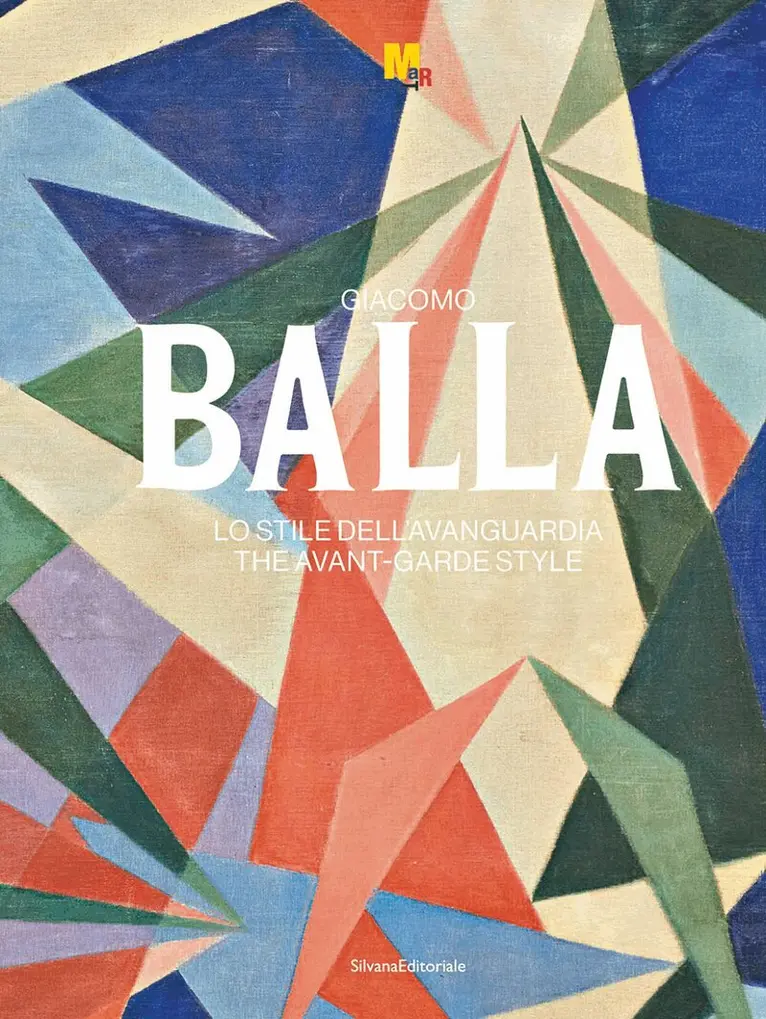
The volume is dedicated to one of the leading figures of Italian Futurism: Giacomo Balla. Through a significant selection of works from the Laura Biagiotti Collection and the Biagiotti Cigna Foundation, the book conveys the artist’s innovative force, capturing his ability to translate the dynamism, light, and energy of modernity into images.Two hundred works — including paintings, crafted objects, garments, and design pieces — illustrate the output of the Futurist master who, together with Fortunato Depero, theorised the Futurist Reconstruction of the Universe in 1915. Pursuing the idea of “total art” and aiming to break down hierarchies between disciplines, Balla extended his visual vocabulary — from the wedges and vortices of “car speed” to the abstract arabesques of “states of mind” — from painting into interiors and objects.Using the same formal language, he applied his vision to furniture, furnishings, and even fashion, transforming everyday life through dynamism.Balla’s work attracted the interest of the prominent entrepreneur and fashion designer Laura Biagiotti, who, together with her husband Gianni Cigna, began in 1986 to acquire works and objects by the artist, creating one of the most remarkable monographic private collections.The essays included in the volume explore both Balla’s artistic practice and the collecting context from which the exhibited works originate. Organised into five sections, they highlight the diversity of languages and experiments developed by the artist.The book is completed by a concise biographical profile, offering a clear overview of Balla’s career within the broader landscape of the Italian avant-garde.Text in English and Italian.
Inbunden, Engelska, 2023
461 kr
Tillfälligt slut
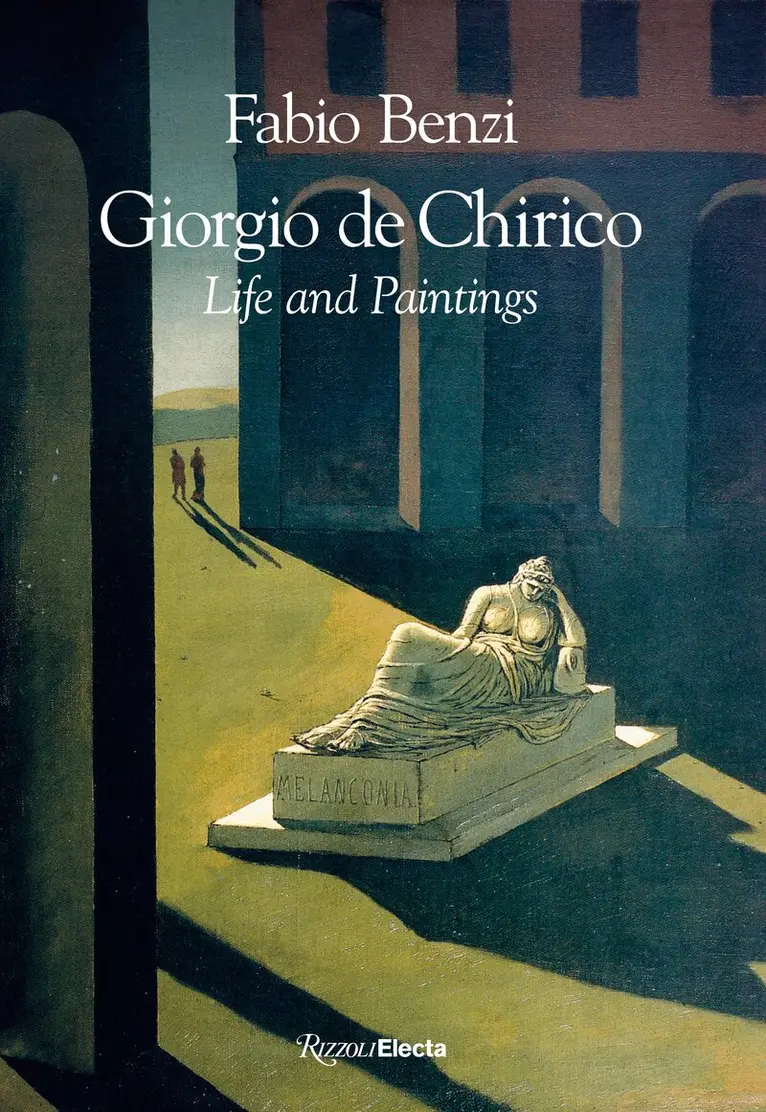
Giorgio de Chirico was one of the most controversial and consequential artists of the twentieth century a key member of the Paris avant-garde, he was a major influence on other artists, especially the nascent surrealists. His repertoire of motifs empty arcades, elongated shadows, mannequins, trains created images of forlorn emptiness that became iconic. Artists inspired by de Chirico s early work include Yves Tanguy, Pablo Picasso, Max Ernst, Salvador Dali, and Rene Magritte. His influence also extended beyond painting and included writers and poets Guillaume Apollinaire, Andre Breton, John Ashbery, and Sylvia Plath, filmmakers Jacques Prevert and Michelangelo Antonioni, and even David Bowie, who admired de Chirico s genderless tailors dummies that inspired his music videos. After the Great War, he turned toward neoclassicism and bitterly fell out with the surrealists and the mainstream modernist movement in the process, becoming an outspoken outsider of the art world. This in-depth examination of the artist s life and work by the world s foremost de Chirico authority is based on new archival research and offers a fresh view of de Chirico s relationship with surrealism, fascism, forgery, and the European avant-gardes.