Renske Cohen Tervaert - Böcker
Visar alla böcker från författaren Renske Cohen Tervaert. Handla med fri frakt och snabb leverans.
2 produkter
2 produkter
561 kr
Skickas inom 7-10 vardagar
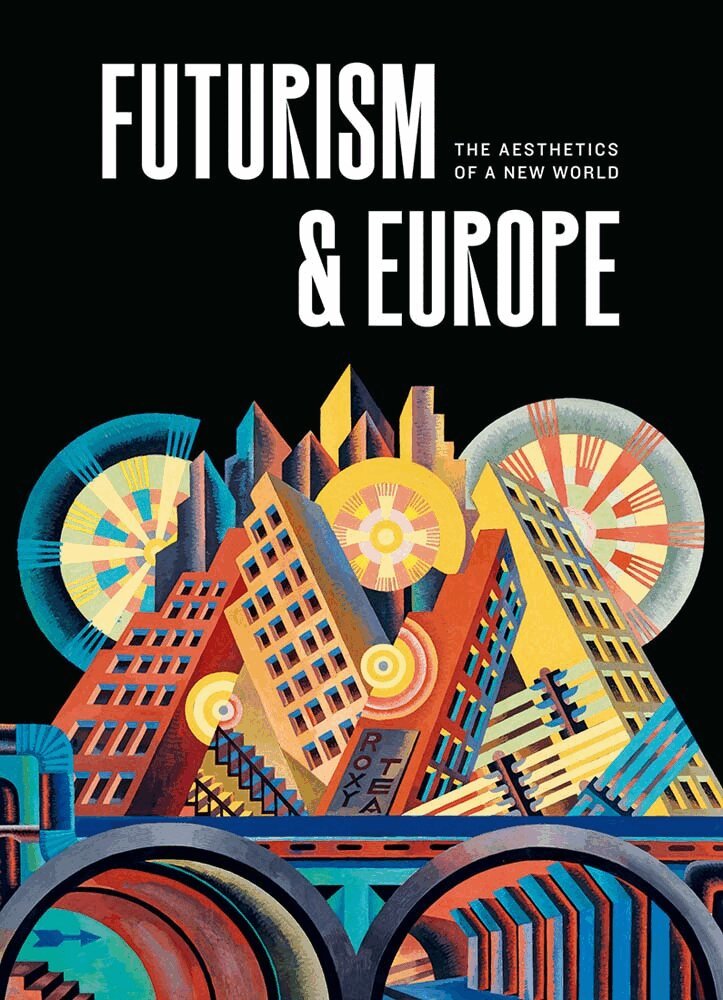
A new, expansive study on Futurism which explores for the first time its relationships with other European avant-gardes during 1912 to 1939Futurism & Europe: The Aesthetics of a New World examines for the first time the many interconnections between Futurism and other European avant-gardes as varied as the Bauhaus in Germany, De Stijl in the Netherlands, Omega Workshops in Britain, Constructivism in Russia and Esprit Nouveau in France. Featuring over twenty essays by an international team of experts, this expansive book covers a range of topics and mediums including painting, sculpture, architecture, interior and stage designs, graphic work, fashion, theatre and cinema, as well as a diverse variety of functional objects from furniture and carpets to ceramics and toys.Spanning various avant-gardes from 1912 to 1939, artists featured include Italian futurists such as Giacomo Balla, Umberto Boccioni and Fortunato Depero, alongside other European artists including Sonia Delaunay, Le Corbusier, Fernand Léger, Walter Gropius, Alexander Rodchenko, Fritz Lang, László Moholy-Nagy, Wassily Kandinsky, Hans Arp, Duncan Grant, Natalia Goncharova and Vladimir Tatlin. Broad in scope, this pioneering book examines the intersections between Futurism and other European avant-garde movements in their shared quest for a new aesthetic, triggering a lively exchange of new ideas, friction and rivalry. Exhibition Schedule:Kröller-Müller Museum, Otterlo(April 29–September 3 2023)
485 kr
Skickas
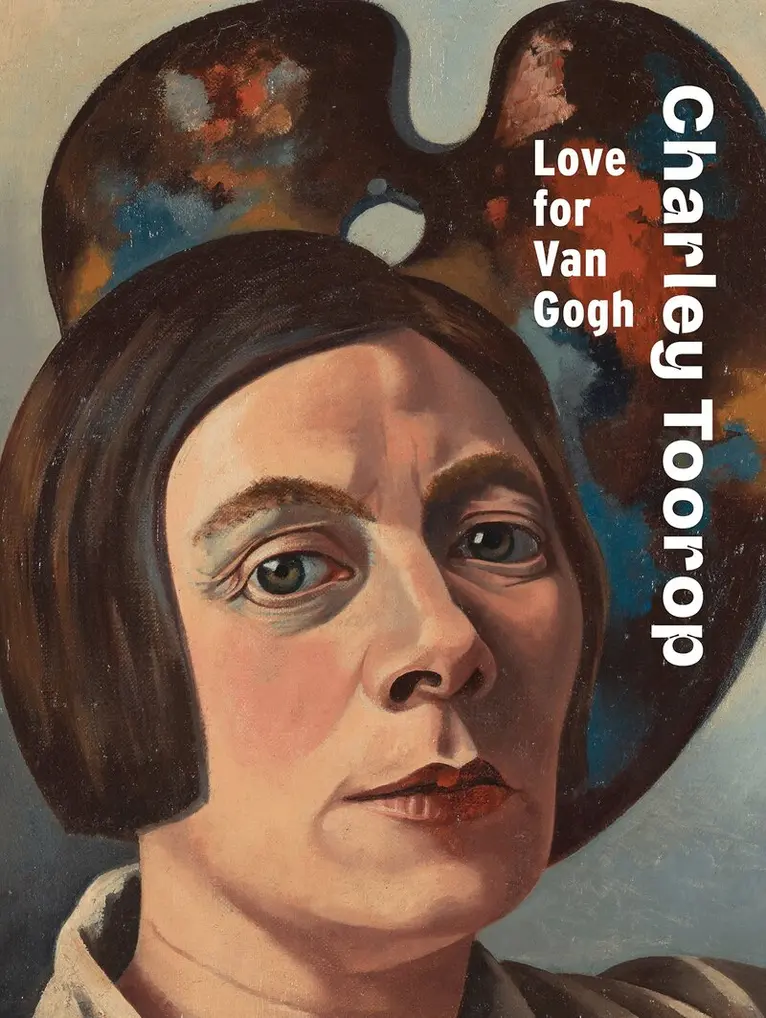
Charley Toorop's work has its own originality and power. This is not to say that she did not have an eye to the work of other artists. On the contrary. Toorop admired the painting of Piet Mondrian, but also of foreign contemporaries such as Pablo Picasso and Fernand Léger. Yet there is one artist who she believes stood at the cradle of her artistry and for whom she subsequently had respect throughout her life: Vincent van Gogh. His work was for her ‘the breakthrough to a new world'.Four essays explain her fascination and place it in a broader context. They include her travels to the Borinage and southern France where she saw the landscape and people through Van Gogh's eyes, her awe of Van Gogh's ‘deep barren love of reality' placed in the social and political engagement of the interwar period and her interest in man's state of mind.