Fabio Merone – författare
Visar alla böcker från författaren Fabio Merone. Handla med fri frakt och snabb leverans.
5 produkter
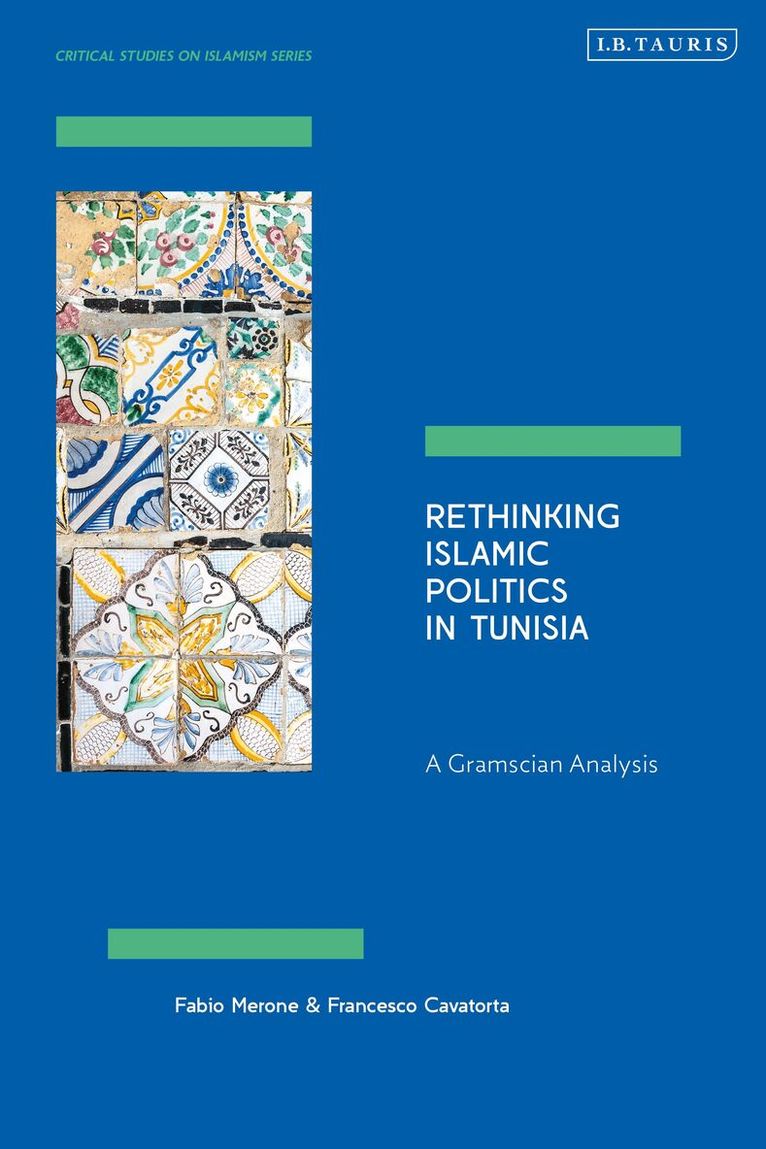
Rethinking Islamic Politics in Tunisia
A Gramscian Analysis
Av Fabio Merone, Francesco Cavatorta
Inbunden, 2025
1208 kr
Lägg i varukorg
The emergence of Islamist and Salafi movements – the actors of Islamist Politics – has been a critical area of scholarship on the Middle East and North Africa. But there is no theoretical framework to understand political Islam as a phenomenon that includes both Islamic ideology and modern …
Rethinking Islamic Politics in Tunisia
A Gramscian Analysis
Av Fabio Merone, Francesco Cavatorta
E-bok, 2025
1144 kr
Lägg i varukorg
The emergence of Islamist and Salafi movements – the actors of Islamist Politics – has been a critical area of scholarship on the Middle East and North Africa. But there is no theoretical framework to understand political Islam as a phenomenon that includes both Islamic ideology and modern …
Rethinking Islamic Politics in Tunisia
A Gramscian Analysis
Av Fabio Merone, Francesco Cavatorta
E-bok, 2025
1169 kr
Lägg i varukorg
The emergence of Islamist and Salafi movements – the actors of Islamist Politics – has been a critical area of scholarship on the Middle East and North Africa. But there is no theoretical framework to understand political Islam as a phenomenon that includes both Islamic ideology and modern …
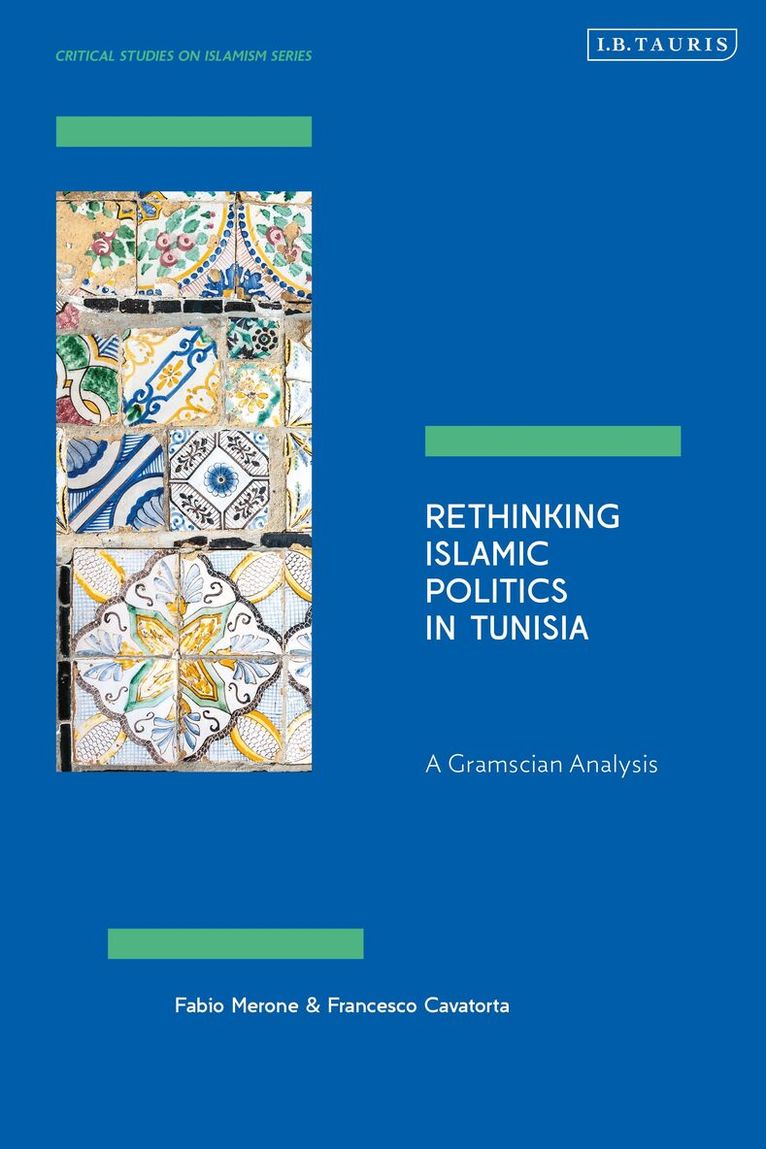
Rethinking Islamic Politics in Tunisia
A Gramscian Analysis
Av Fabio Merone, Francesco Cavatorta
Häftad, 2027
413 kr
Kommande
The emergence of Islamist and Salafi movements – the actors of Islamist Politics – has been a critical area of scholarship on the Middle East and North Africa. But there is no theoretical framework to understand political Islam as a phenomenon that includes both Islamic ideology and modern …
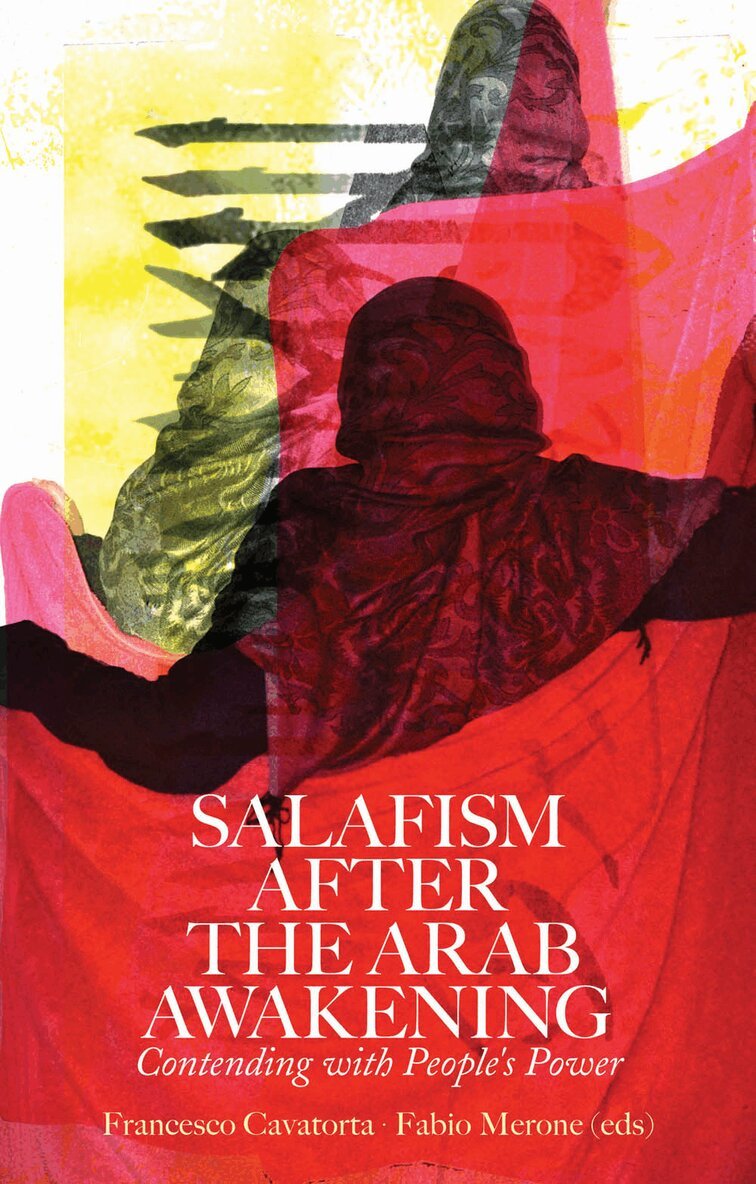
Salafism After the Arab Awakening
Av Francesco Cavatorta, Fabio Merone
Inbunden, 2017
520 kr
Lägg i varukorg
One of the most interesting consequences of the Arab awakening has been the central role of Salafists in a number of countries. In particular, there seems to have been a move away from traditional quietism towards an increasing degree of politicisation. The arrival on the political scene of …