Fay A. Yarbrough - Böcker
Visar alla böcker från författaren Fay A. Yarbrough. Handla med fri frakt och snabb leverans.
6 produkter
6 produkter
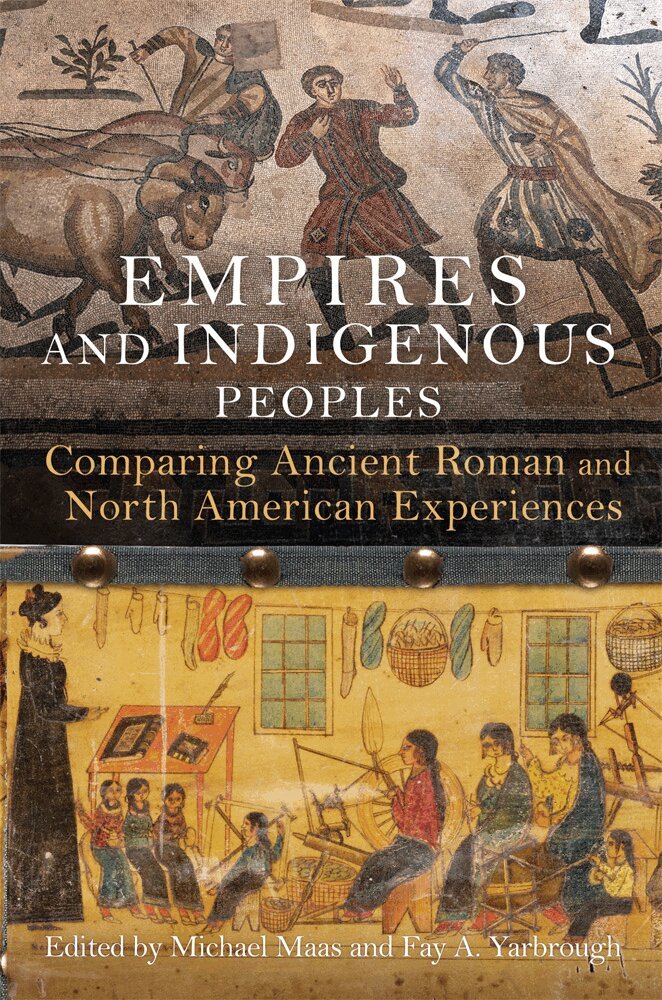
Empires and Indigenous Peoples
Comparing Ancient Roman and North American Experiences
Inbunden, Engelska, 2024
612 kr
Skickas inom 10-15 vardagar
The Romans who established their rule on three continents as well as the Europeans who initially established new homes in North America interacted with communities of Indigenous peoples with their own histories and cultures. Sweeping in its scope and rigorous in its scholarship, Empires and Indigenous Peoples expands our understanding of their historical interrelations and raises general questions about the nature of the various imperial encounters.In this book, leading scholars of ancient Roman and pre-twentieth-century anglophone America examine the mutual perceptions of the Indigenous and the imperial actors. They investigate the rhetoric of civilization and barbarism and its expression in military policies. Indigenous resistance, survival, and adaptation is a major theme. The essays demonstrate that power relations were endlessly adjusted, identities were framed and reframed, and new mutual knowledge was produced by all participants. Over time, cultures were transformed across the board, at political, social, religious, linguistic, ideological, and economic levels. The developments were complex, with numerous groups enmeshed in webs of aggression, opposition, cooperation, and integration. Readers will see how Indigenous and imperial identities evolved in Roman and American lands.Finally, the authors consider how American views of Roman activity influenced the development of American imperial expansion and accompanying Indigenous critiques. They show how Roman, imperial North American, and Indigenous experiences have contributed to American notions of race, religion, and citizenship, and given shape to problems of social inclusion and exclusion today.
1 199 kr
Skickas inom 7-10 vardagar
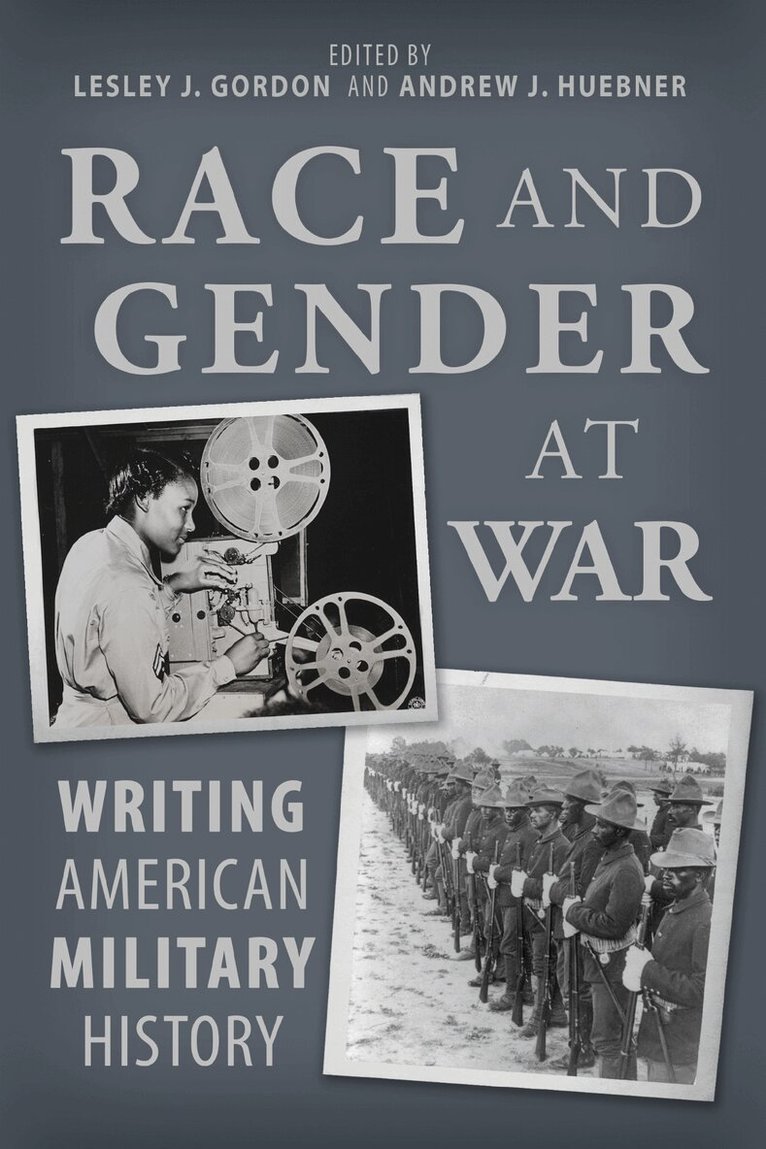
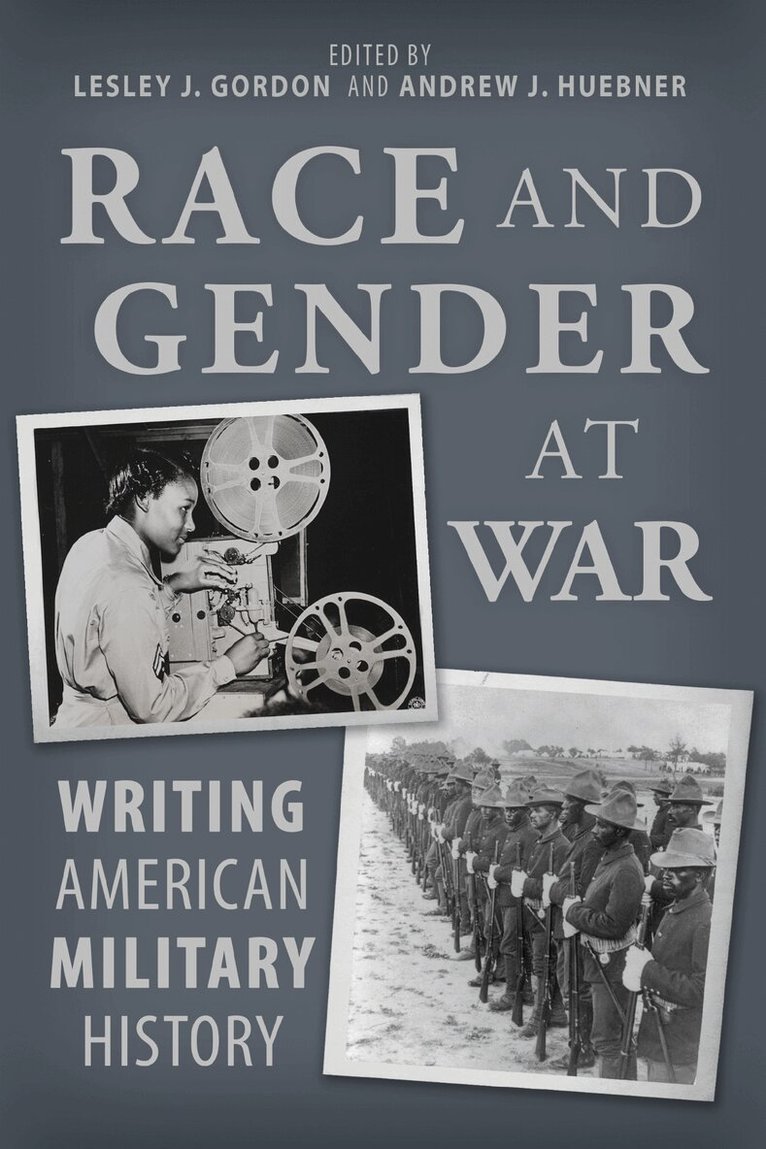
Fresh perspectives on the implications of gender and race in US military history from a diverse group of scholars in the field of war and society.
352 kr
Skickas inom 7-10 vardagar
Fresh perspectives on the implications of gender and race in US military history from a diverse group of scholars in the field of war and society.
386 kr
Skickas inom 7-10 vardagar
When the Choctaw Nation was forcibly resettled in Indian Territory in present-day Oklahoma in the 1830s, it was joined by enslaved Black people—the tribe had owned enslaved Blacks since the 1720s. By the eve of the Civil War, 14 percent of the Choctaw Nation consisted of enslaved Blacks. Avid supporters of the Confederate States of America, the Nation passed a measure requiring all whites living in its territory to swear allegiance to the Confederacy and deemed any criticism of it or its army treasonous and punishable by death. Choctaws also raised an infantry force and a cavalry to fight alongside Confederate forces.In Choctaw Confederates, Fay Yarbrough reveals that, while sovereignty and states' rights mattered to Choctaw leaders, the survival of slavery was what determined the Nation's support of the Confederacy. Mining service records for approximately 3,000 members of the First Choctaw and Chickasaw Mounted Rifles, Yarbrough examines the experiences of Choctaw soldiers and notes that although their enthusiasm waned as the war persisted, military service allowed them to embrace traditional masculine roles—including that of slaveholder—that were disappearing in a changing political and economic landscape. By drawing parallels between the Choctaw Nation and the Confederate states, Yarbrough looks beyond the traditional binary of the Union and Confederacy and reconsiders the historical relationship between Native populations and slavery.
296 kr
Skickas inom 10-15 vardagar
When the Choctaw Nation was forcibly resettled in Indian Territory in present-day Oklahoma in the 1830s, it was joined by enslaved Black people—the tribe had owned enslaved Blacks since the 1720s. By the eve of the Civil War, 14 percent of the Choctaw Nation consisted of enslaved Blacks. Avid supporters of the Confederate States of America, the Nation passed a measure requiring all whites living in its territory to swear allegiance to the Confederacy and deemed any criticism of it or its army treasonous and punishable by death. Choctaws also raised an infantry force and a cavalry to fight alongside Confederate forces.In Choctaw Confederates, Fay A. Yarbrough reveals that, while sovereignty and states' rights mattered to Choctaw leaders, the survival of slavery also determined the Nation's support of the Confederacy. Mining service records for approximately 3,000 members of the First Choctaw and Chickasaw Mounted Rifles, Yarbrough examines the experiences of Choctaw soldiers and notes that although their enthusiasm waned as the war persisted, military service allowed them to embrace traditional masculine roles that were disappearing in a changing political and economic landscape. By drawing parallels between the Choctaw Nation and the Confederate states, Yarbrough looks beyond the traditional binary of the Union and Confederacy and reconsiders the historical relationship between Native populations and slavery.
326 kr
Skickas inom 7-10 vardagar
Groundbreaking historical scholarship on the complex attitudes toward gender and sexual roles in Native American culture, with a new preface and supplemental bibliographyPrior to the arrival of Europeans in the New World, Native Americans across the continent had developed richly complex attitudes and forms of expression concerning gender and sexual roles. The role of the "berdache," a man living as a woman or a woman living as a man in native societies, has received recent scholarly attention but represents just one of many such occurrences of alternative gender identification in these cultures. Editors Sandra Slater and Fay A. Yarbrough have brought together scholars who explore the historical implications of these variations in the meanings of gender, sexuality, and marriage among indigenous communities in North America. Essays that span from the colonial period through the nineteenth century illustrate how these aspects of Native American life were altered through interactions with Europeans.Organized chronologically, Gender and Sexuality in Indigenous North America, 1400–1850 probes gender identification, labor roles, and political authority within Native American societies. The essays are linked by overarching examinations of how Europeans manipulated native ideas about gender for their own ends and how indigenous people responded to European attempts to impose gendered cultural practices at odds with established traditions. Many of the essays also address how indigenous people made meaning of gender and how these meanings developed over time within their own communities. Several contributors also consider sexual practice as a mode of cultural articulation, as well as a vehicle for the expression of gender roles.Representing groundbreaking scholarship in the field of Native American studies, these insightful discussions of gender, sexuality, and identity advance our understanding of cultural traditions and clashes that continue to resonate in native communities today as well as in the larger societies those communities exist within.