Felicity Gee - Böcker
Visar alla böcker från författaren Felicity Gee. Handla med fri frakt och snabb leverans.
3 produkter
3 produkter
2 103 kr
Skickas inom 10-15 vardagar
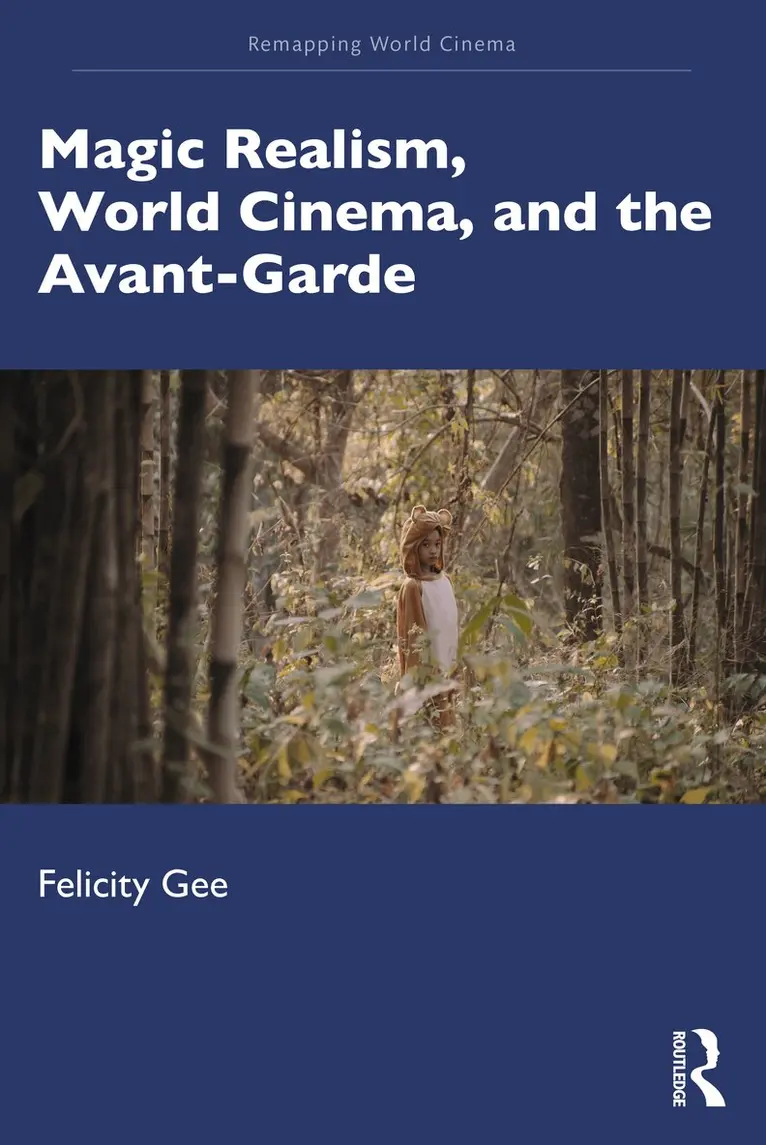
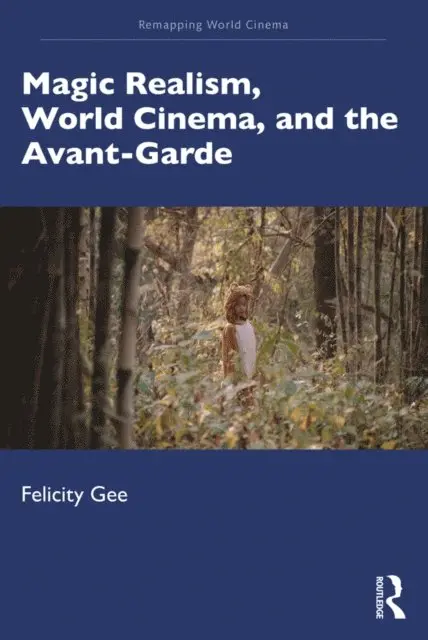
This book follows the hybrid and contradictory history of magic realism through the writings of three key figures – art historian Franz Roh, novelist Alejo Carpentier, and cultural critic Fredric Jameson – drawing links between their political, aesthetic, and philosophical ideas on art’s relationship to reality. Magic realism is vast in scope, spanning almost a century, and is often confused with neighbouring styles of literature or art, most notably surrealism. The fascinating conditions of modernist Europe are complex and contradictory, a spirit that magic realism has taken on as it travels far and wide. The filmmakers and writers in this book acknowledge the importance of feeling, atmosphere, and mood to subtly provoke and resist global capitalism. Theirs is the history of magic-realist cinema. The book explores this history through the modernist avant-garde in search of a new theory of cinematic magic realism. It uncovers a resistant, geopolitical form of world cinema – moving from Europe, through Latin America and the former Soviet Union, to Thailand – that emerges from these ideas. This book is invaluable to any reader interested in world modernism(s) in relation to contemporary cinema and geopolitics. Its sustained analysis of film as a sensory, intermedial medium is of interest to scholars working across the visual arts, literature, critical theory, and film-philosophy.
548 kr
Skickas inom 10-15 vardagar
This book follows the hybrid and contradictory history of magic realism through the writings of three key figures – art historian Franz Roh, novelist Alejo Carpentier, and cultural critic Fredric Jameson – drawing links between their political, aesthetic, and philosophical ideas on art’s relationship to reality. Magic realism is vast in scope, spanning almost a century, and is often confused with neighbouring styles of literature or art, most notably surrealism. The fascinating conditions of modernist Europe are complex and contradictory, a spirit that magic realism has taken on as it travels far and wide. The filmmakers and writers in this book acknowledge the importance of feeling, atmosphere, and mood to subtly provoke and resist global capitalism. Theirs is the history of magic-realist cinema. The book explores this history through the modernist avant-garde in search of a new theory of cinematic magic realism. It uncovers a resistant, geopolitical form of world cinema – moving from Europe, through Latin America and the former Soviet Union, to Thailand – that emerges from these ideas. This book is invaluable to any reader interested in world modernism(s) in relation to contemporary cinema and geopolitics. Its sustained analysis of film as a sensory, intermedial medium is of interest to scholars working across the visual arts, literature, critical theory, and film-philosophy.
1 448 kr
Kommande
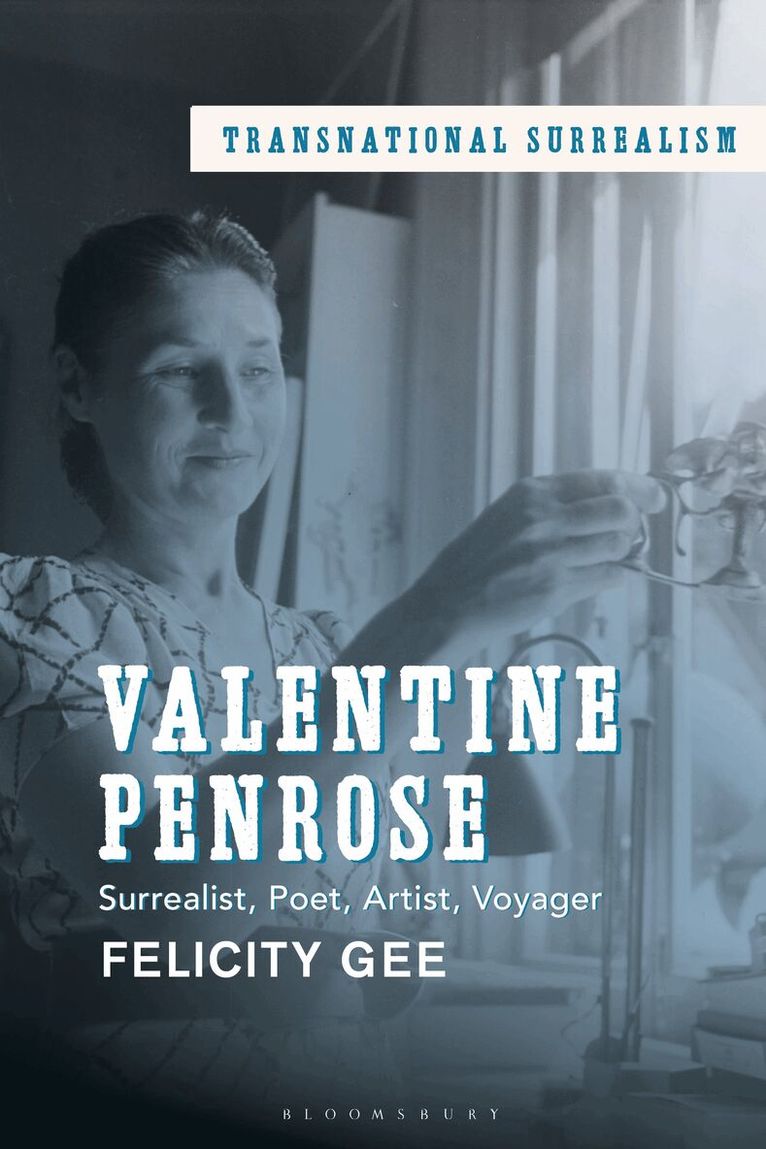
Artist, poet, traveller and 20th-century surrealist visionary, Valentine Penrose was highly regarded as a poet and artist during her lifetime, but is yet to receive the critical attention given to her surrealist peers. Bringing to life the artist in her own right, this is the first English-language book dedicated to Penrose’s genre-defying oeuvre and its poetic quest to understand the shifting world of the 20th century from multiple perspectives. This volume explores Penrose's accomplished visual and literary work, relating it to her creative, often unconventional, philosophical ideas. It shows how her work emerged from encounters with global cultures and political issues: she travelled widely (frequently solo) through India, the Canary Islands, Africa, and across Europe - protesting against the Spanish Civil War, driving British soldiers during the London Blitz, and stationed in Algiers during the Second World War. The contributors highlight a range of unique motifs throughout Penrose’s work, covering ecology, spiritualism, folklore, mythology, lesbianism, the Gothic, the occult, and life during war. Reflecting on Penrose’s practice during a time of immense global change, the chapters provide insight into the bold practice of a female artist working against patriarchal, heteronormative, and capitalist power structures. Bringing these unpublished archival materials as well as Penrose’s published works into dialogue with works by better-known artists such as Eileen Agar and Alice Rahon, the volume offers new and creative ways of thinking through feminism, female collaboration, and queerness in surrealism. Introducing a dynamic personality to the modernist canon, it will be a vital addition to studies on British, French, and non-Western surrealisms, and to scholarship on female surrealism.