Felicity Goodall – författare
Visar alla böcker från författaren Felicity Goodall. Handla med fri frakt och snabb leverans.
5 produkter
5 produkter
165 kr
Tillfälligt slut
Until a few weeks before the fall of Rangoon, the British had not dreamt the Japanese would invade Burma. So in early 1942, British soldiers trained for desert warfare fought a Japanese Army trained and equipped for the jungle. Those who survived this fierce fighting faced malaria, air attack, and lack of food and water, on the long walk out through the Valley of Death. Ragged groups of soldiers and civilians were forced to trek out of Burma through some of the most inhospitable terrain in the world. They hacked their way through jungle, forded rivers, and climbed steep mountainsides to escape. Many did not survive the journey. Among these incredible stories was that of Bill Williams, who led refugees out on a herd of elephants. Other civilians who had enjoyed an idyllic colonial lifestyle were ill-equipped for the journey. Setting off with the family silver and their pets, they soon had to abandon all but the essentials in order to survive. Thousands died, but many more crossed the border into India and safety.
162 kr
Skickas inom 7-10 vardagar
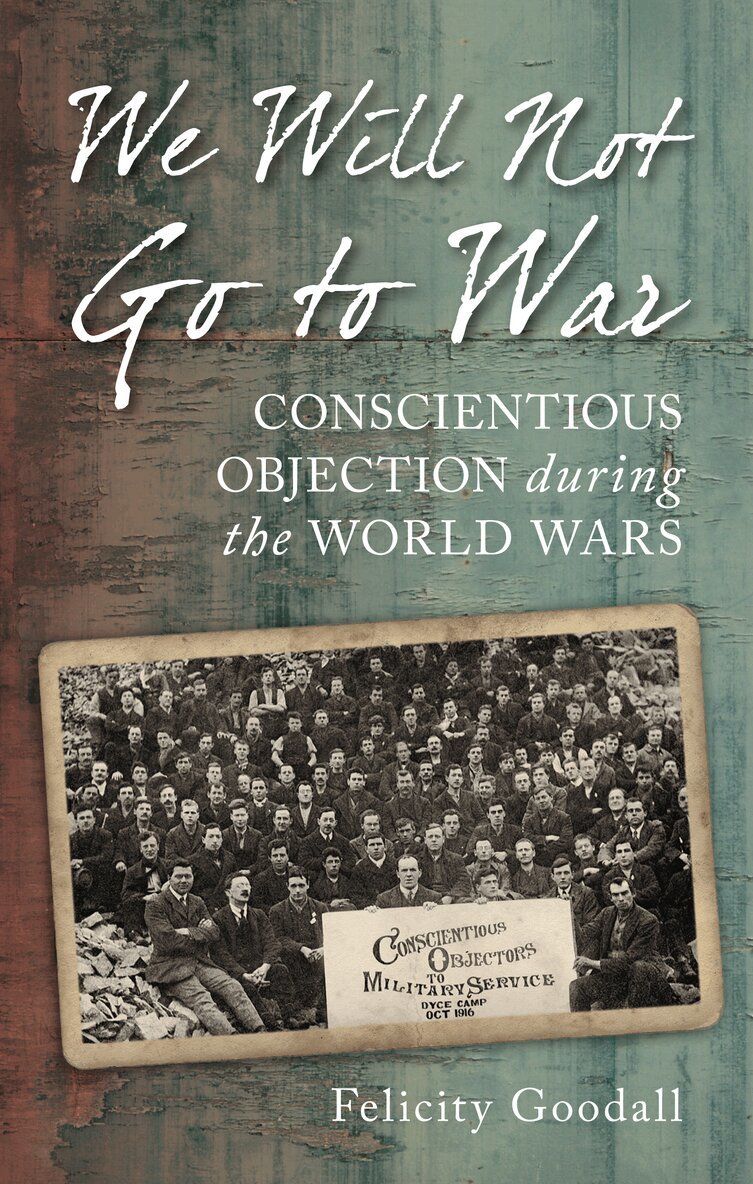
During the First and Second World Wars thousands of men and women refused the call to arms. Reviled, starved and beaten, theirs was a battle of conscience. In the First World War, seventy-three conscientious objectors died as a result of their treatment, and hundreds more were imprisoned. During the Second World War, many conscientious objectors performed other, non-combatant duties with great heroism, including bomb disposal, and joining the fire service and ambulance crews. Unable to turn a blind eye to the dark realities of war, these men and women, who came from all classes and backgrounds, wrestled with their moral values, and their struggles, motivations and stories are brought together in this moving and challenging history of war’s outcasts.
244 kr
Kommande
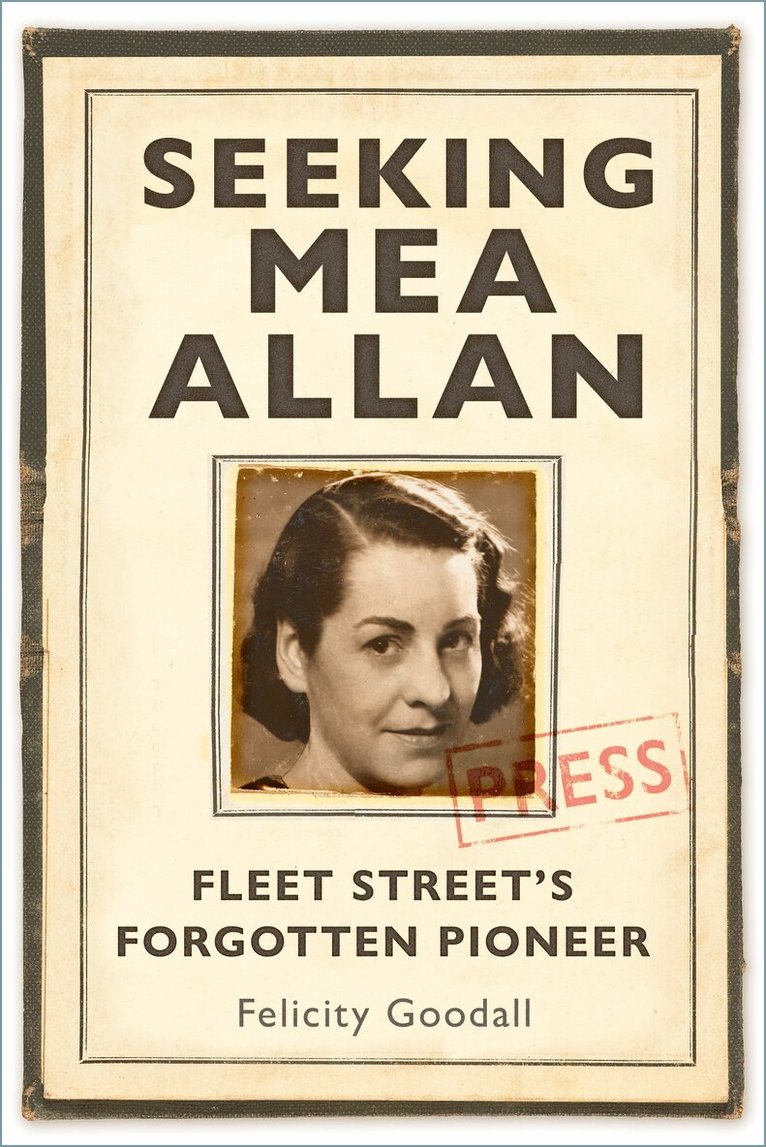
The first biography of Mea Allan. The only woman to report from Bergen-Belsen and the first woman to be permanently accredited as a war correspondent by the British Army.It was a bold unexpected confession, scribbled in a diary by one of the handful of women reporters in Fleet Street during the First World War: 'I’m in love with May Chalmers and I don’t know what to do about it.'Those sixteen words were the first clue that sent author Felicity Goodall off on a journey to unlock the secrets of the fascinating life of a woman once so famous her name was used to advertise Horlicks.Mea Allan was a star reporter on Britain’s biggest-selling daily paper, the first woman on a Fleet Street news desk and to be permanently accredited to the British army as a war correspondent, and the only woman to report from newly liberated Belsen. Had she been written out of history because of her sexuality? Or was something more subtle at work?In Seeking Mea Allan, Felicity interweaves past and present as we travel from London to Glasgow, from Paris to Hamburg and beyond. On the journey we meet Mea’s stalker, experience her #MeToo moments and her search for identity at a time when exposure as a queer woman could have devastating consequences. Only in the 1960s could she finally flout convention, living openly with her female partner in a Suffolk village. Join Felicity as she reveals the story of a legacy begging to be told.
202 kr
Skickas
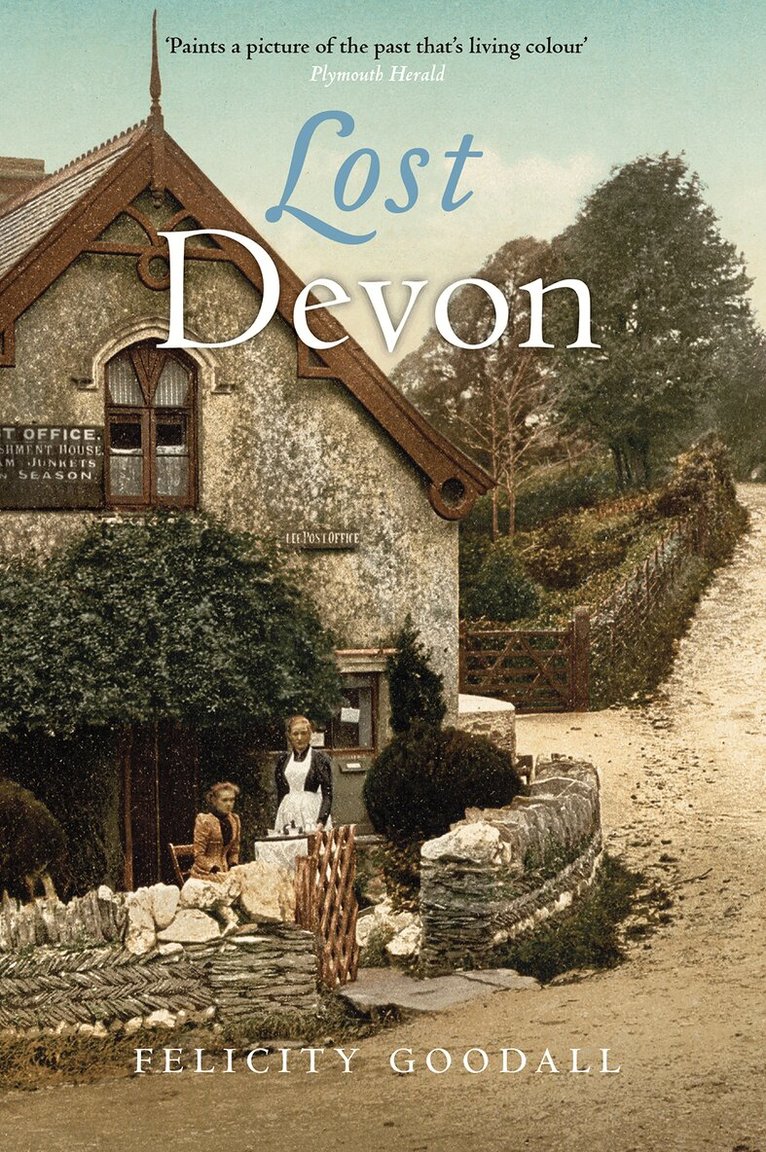
Devon’s colourful past may still be visible in its street names and pub signs, but in fact much of the region’s history has been obliterated – through necessity, social change and the demands of the outside world. The traditional occupations of farming, fishing, pottery, copper and tin mining, wool production and quarrying have all seen change over the past several hundred years. Many of these industries are now lost, replaced instead by ever-expanding tourism.Although many historic buildings have been preserved and are now protected properties, a large number of houses, ecclesiastical ruins and settlements such as Hope Cove, a coastal village once renowned for its tough fisherwomen, have tragically vanished. The county’s coast is also peppered with ruined pillboxes once manned by the Home Guard to watch for invaders; Devon has played a significant military role in the past, from acting as a mooring place for prison hulks in the Napoleonic wars to being the location of a training camp for spies in the Second World War.Superbly illustrated with photographs, paintings, maps and etchings from the county’s museums and art collections, Lost Devon provides a fascinating insight into Devon’s history, as Felicity Goodall explores what little remains of the past and discusses the events which have formed the county as it is today.
201 kr
Tillfälligt slut
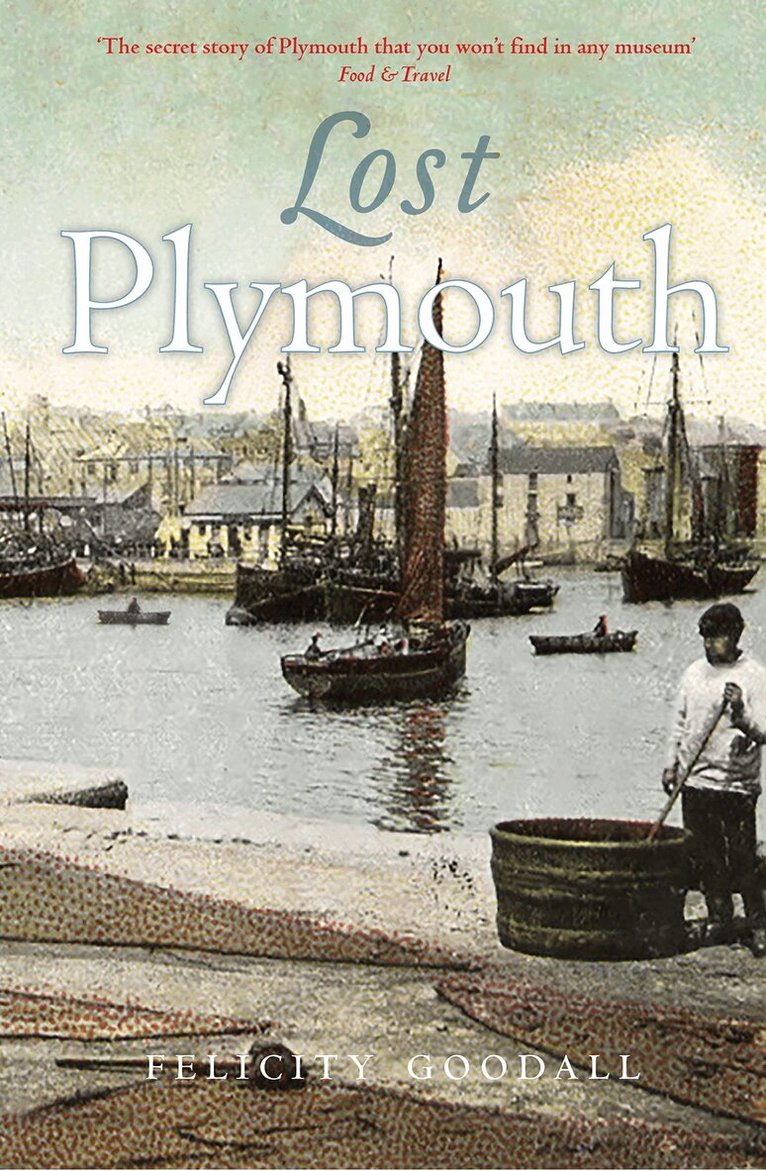
During World War II, Plymouth earned the distinction as the most bombed city outside London. But it was planners not bombers which destroyed most of the history of the city. Few traces remain of the Plymouth's best known sons, Drake and Hawkins.By the 19th century, houses built by Elizabethan merchants had deteriorated into the worst slums in Europe, second only to Warsaw. The population of Plymouth, Devonport and Stonehouse quadrupled between 1800 and 1840, and whole families were forced to live in tiny windowless rooms. In Castle Street there was a pub every ten metres and every pub was said to be a brothel. Damnation Alley, as Castle Street was dubbed, was the haunt of thousands of soldiers and sailors who passed through en route to serve the British Empire. Thanks to the military, the 'Three Towns' earned a reputation as the VD capital of Britain, and the city's women were subject to repressive legislation if they went out at night.Plymouth's lost history includes the first man to sail round the world in both directions; the shocking image which helped end the slave trade; the first convicts bound for Botany Bay; and the man who navigated over 3,000 miles in an open boat with only the stars to guide him.