Felix Bärlocher – författare
Visar alla böcker från författaren Felix Bärlocher. Handla med fri frakt och snabb leverans.
5 produkter
5 produkter
2 443 kr
Skickas inom 10-15 vardagar
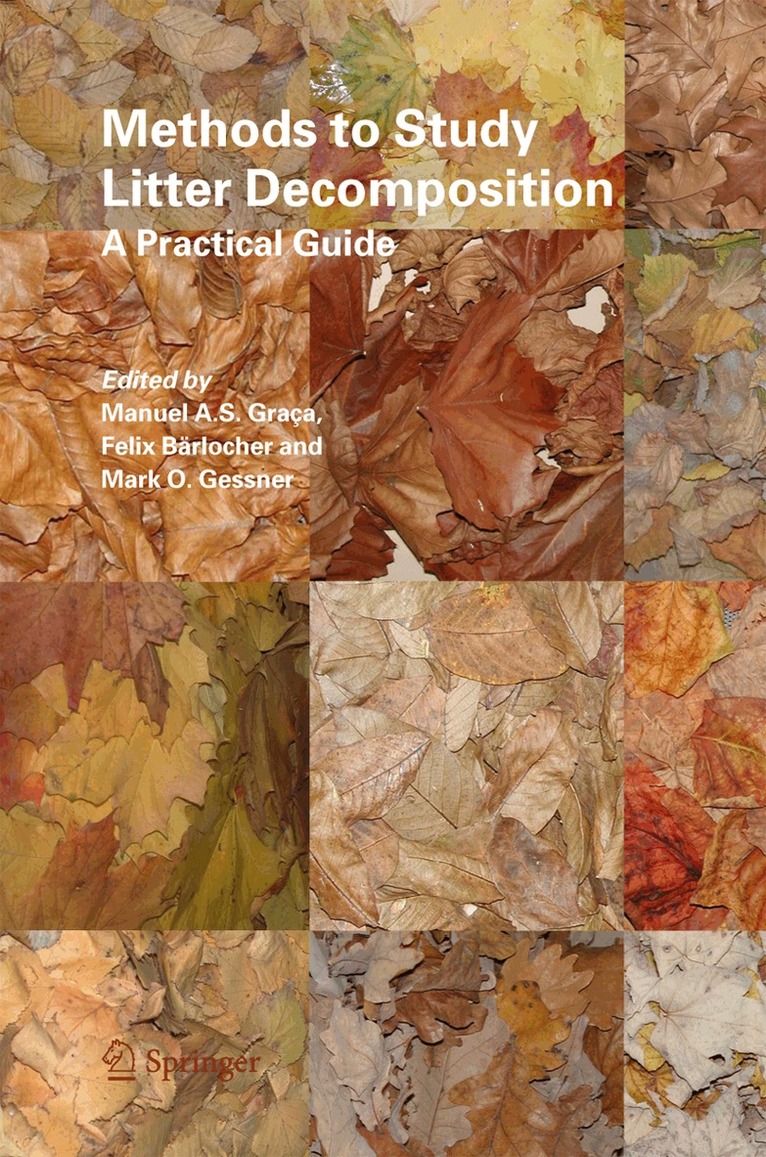
Decomposition of organic matter is a major ecosystem process involving an array of different organisms, including bacteria, fungi and invertebrates. The main objective of this book is to provide students and laboratory instructors at universities and professional ecologists with a broad range of established methods to study plant litter decomposition. Detailed protocols for direct use in the field or laboratory are presented in an easy to follow step-by-step format. A short introduction to each protocol reviews the ecological significance and principles of the technique and points to key references. Although most methods are described for freshwater ecosystems, many will work equally well in the presented or slightly modified form for studies in marine and terrestrial environments.
1 924 kr
Skickas inom 10-15 vardagar
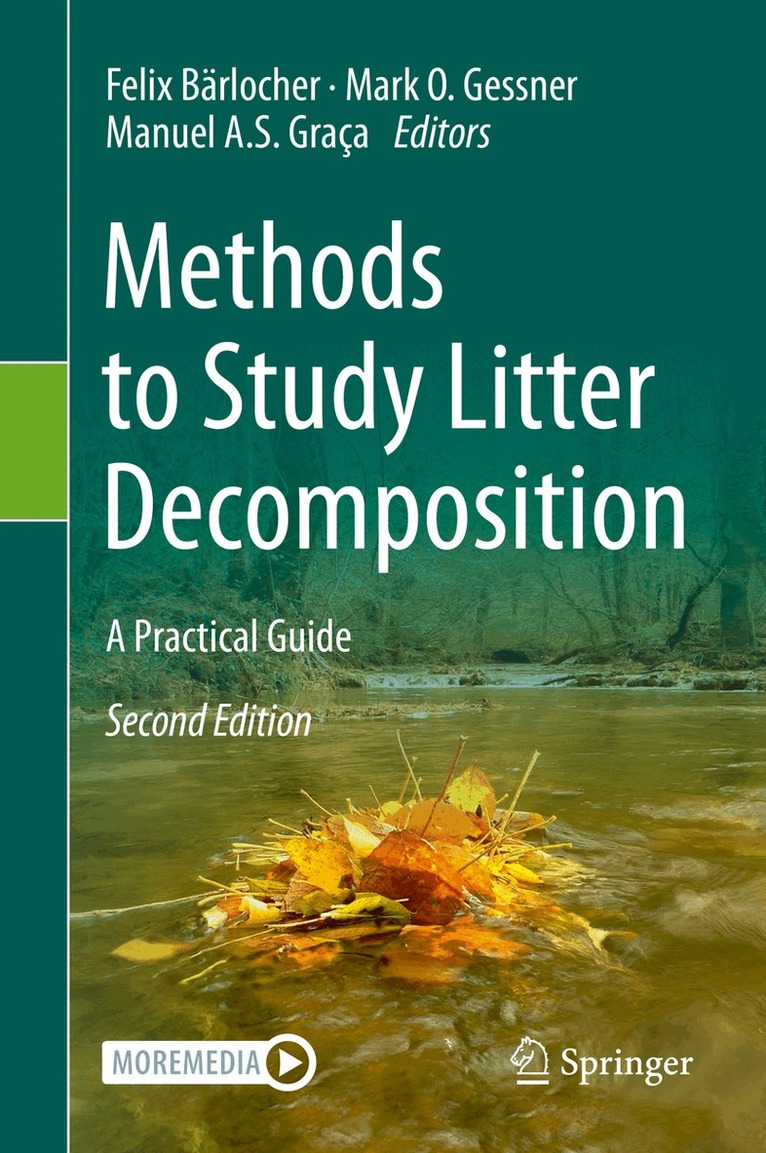
This edited volume is an extensive collection of methods for investigating plant litter dynamics in ecosystems. Particular emphasis is placed on litter decomposition in streams and rivers. The presented methods range from analyses of chemical and physical litter properties to the taxonomic and functional characterization of microbial decomposers, both fungi and bacteria, assessments of litter-consuming invertebrates, and procedures to determine litter dynamics at the stream ecosystem level. Several chapters addressing general topics of data analysis are also included. This second edition of the book has been greatly expanded. Its now 63 chapters cover both well-established and recently elaborated techniques, some of which have not yet been applied to decomposing litter in streams. Modern molecular techniques ranging from next-generation sequencing to proteomics receive special attention among the 20 chapters that are entirely new. Numerous methods on characterizing litter consumers have also been added to fill an evident gap of the first edition. However, the basic original concept and all of the previous chapters have been retained, although most of them have been thoroughly updated. Typical contributions provide step-by-step protocols that are preceded by brief reviews of the ecological significance and the principles underlying the method. Where available, short compilations of published data have been added in overview tables to provide background information on the range of results to expect. Useful hints, a discussion of potential weaknesses, and key references are provided at the end. Hands-on material useful to implement several of the presented methods (e.g. computer code, calculation sheets) is available online. The book is written for students embarking on studies of plant litter dynamics and for established researchers wishing to expand the scope of their methodological toolbox to study litter decomposition and themicrobial decomposers and invertebrates involved in the process. The primary intended audience is aquatic ecologists, since many of the methods presented in the book focus on streams and stream organisms. However, the great majority of the protocols can be easily adapted or even directly applied to coastal and terrestrial ecosystems. Consequently, they should be of equal interest to scientists investigating plant litter dynamics in habitats such as mangroves and salt-marshes, terrestrial grasslands and forests.
1 924 kr
Skickas inom 10-15 vardagar
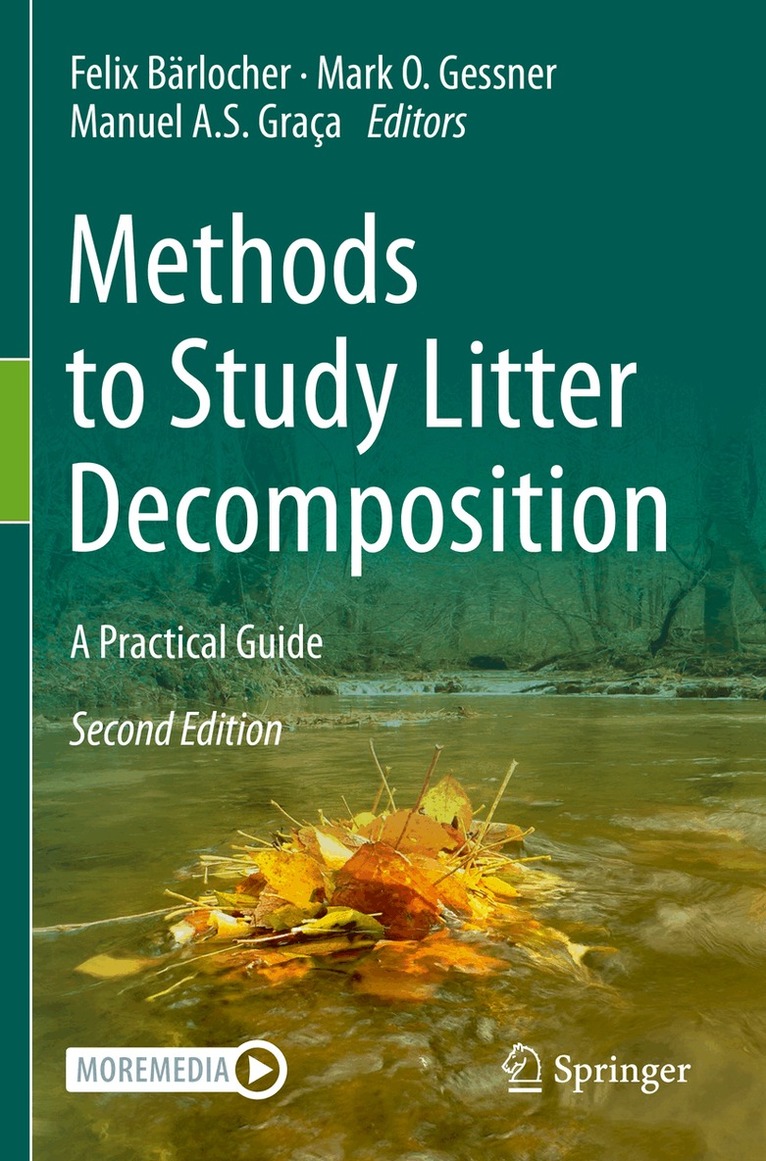
This edited volume is an extensive collection of methods for investigating plant litter dynamics in ecosystems. Particular emphasis is placed on litter decomposition in streams and rivers. The presented methods range from analyses of chemical and physical litter properties to the taxonomic and functional characterization of microbial decomposers, both fungi and bacteria, assessments of litter-consuming invertebrates, and procedures to determine litter dynamics at the stream ecosystem level. Several chapters addressing general topics of data analysis are also included. This second edition of the book has been greatly expanded. Its now 63 chapters cover both well-established and recently elaborated techniques, some of which have not yet been applied to decomposing litter in streams. Modern molecular techniques ranging from next-generation sequencing to proteomics receive special attention among the 20 chapters that are entirely new. Numerous methods on characterizing litter consumers have also been added to fill an evident gap of the first edition. However, the basic original concept and all of the previous chapters have been retained, although most of them have been thoroughly updated. Typical contributions provide step-by-step protocols that are preceded by brief reviews of the ecological significance and the principles underlying the method. Where available, short compilations of published data have been added in overview tables to provide background information on the range of results to expect. Useful hints, a discussion of potential weaknesses, and key references are provided at the end. Hands-on material useful to implement several of the presented methods (e.g. computer code, calculation sheets) is available online. The book is written for students embarking on studies of plant litter dynamics and for established researchers wishing to expand the scope of their methodological toolbox to study litter decomposition and themicrobial decomposers and invertebrates involved in the process. The primary intended audience is aquatic ecologists, since many of the methods presented in the book focus on streams and stream organisms. However, the great majority of the protocols can be easily adapted or even directly applied to coastal and terrestrial ecosystems. Consequently, they should be of equal interest to scientists investigating plant litter dynamics in habitats such as mangroves and salt-marshes, terrestrial grasslands and forests.
1 072 kr
Skickas inom 10-15 vardagar
Aquatic hyphomycetes were discovered 50 years ago by C.T.Ingold. They remained a relatively obscure group until theirrole as intermediaries between deciduous leaves and streaminvertebrates was established some 20 years ago. This book,for the first time, provides a comprehensive summary andcritical evaluation of the biology and ecology of theseorganisms. Aspecial effort was made to evaluate thepotential and actual insight that have been or will bederived from work in related disciplines such as the ecologyof other fungal groups, stream ecology, or populationecology. The topics treated include the basic life historyof the fungi and the potential role of wood, a discussion ofhow the fungi have adjusted to life in running water, theirinteractions with invertebrates, the attachment andgermination of their spores, what is known about sexualreproduction, how water chemistry may influence theirdistribution and activity, how they react to humandegradation of their environment, and a summary of theresearch done on the Indian subcontinent. The volume is ofspecial interest to mycologists and stream ecologists andshould facilitate the entry of new workers into thisexciting area.
505 kr
Skickas inom 10-15 vardagar
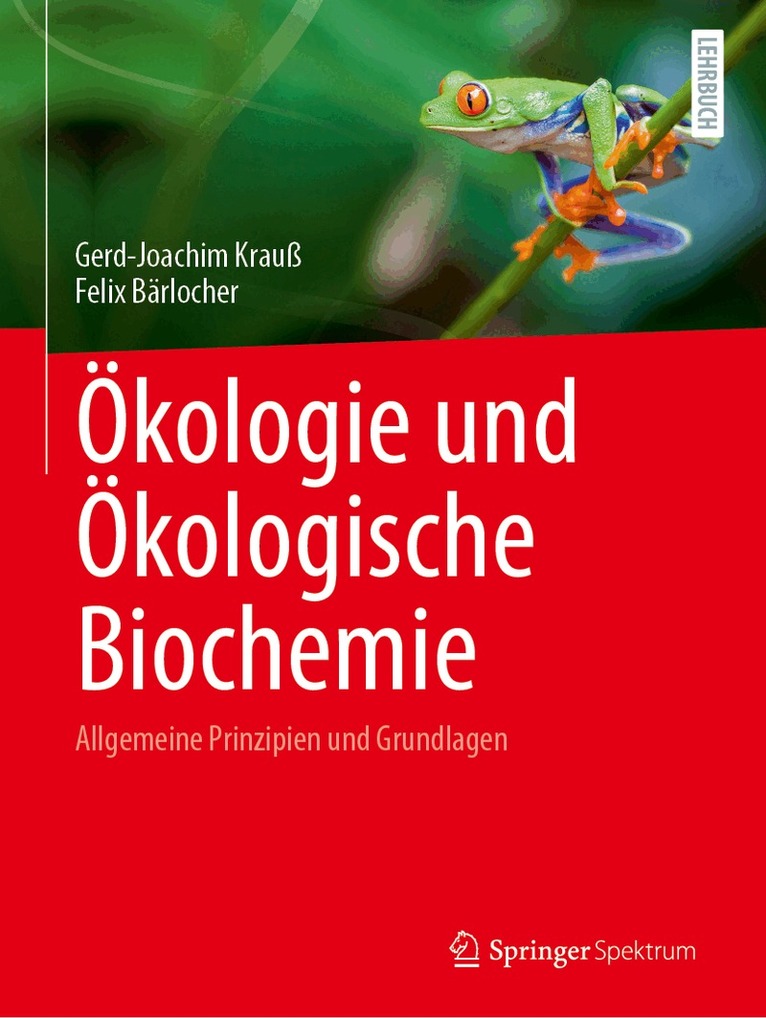
Das Buch führt in die Ökologie als interdisziplinär vernetzte Naturwissenschaft ein und vermittelt umfassendes Wissen über die komplexen Zusammenhänge in der Natur. Es erklärt ökologische Sichtweisen, Konzepte und Modelle zur Erforschung von terrestrischen und aquatischen Lebensräumen. Der Schwerpunkt liegt auf den hoch strukturierten Ökosystemen, in denen Organismen in trophische Austauschprozesse, Nahrungsnetze und Stoffkreisläufe eingebunden sind.Besondere Aufmerksamkeit wird der Ökologischen Biochemie gewidmet. Sie erfahren, wie Organismen biochemisch flexibel auf wechselnde Umweltbedingungen reagieren und wie sie miteinander interagieren. Spezialisierte Metabolite dienen als Schutzstoffe und Kommunikationsmittel und sind entscheidend für die Biodiversität und Strukturierung der Ökosysteme.Im letzten Teil des Buches werden die Gefahren für die Natur und unseren Lebensraum durch Klimawandel, Biodiversitätsverlust und Bevölkerungswachstum thematisiert. Es werden auch Lösungsansätze für eine nachhaltige Ressourcennutzung und die Bewältigung der vielfältigen Herausforderungen vorgestellt.