Gerd-Joachim Krauss - Böcker
Visar alla böcker från författaren Gerd-Joachim Krauss. Handla med fri frakt och snabb leverans.
2 produkter
2 produkter
910 kr
Tillfälligt slut
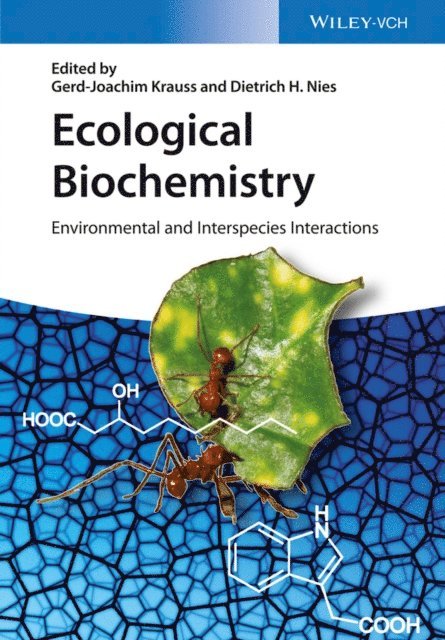
The first stand-alone textbook for at least ten years on this increasingly hot topic in times of global climate change and sustainability in ecosystems.Ecological biochemistry refers to the interaction of organisms with their abiotic environment and other organisms by chemical means. Biotic and abiotic factors determine the biochemical flexibility of organisms, which otherwise easily adapt to environmental changes by altering their metabolism. Sessile plants, in particular, have evolved intricate biochemical response mechanisms to fit into a changing environment. This book covers the chemistry behind these interactions, bottom up from the atomic to the system's level.An introductory part explains the physico-chemical basis and biochemical roots of living cells, leading to secondary metabolites as crucial bridges between organisms and the respective ecosystem. The focus then shifts to the biochemical interactions of plants, fungi and bacteria within terrestrial and aquatic ecosystems with the aim of linking biochemical insights to ecological research, also in human-influenced habitats.A section is devoted to methodology, which allows network-based analyses of molecular processes underlying systems phenomena.A companion website offering an extended version of the introductory chapter on Basic Biochemical Roots is available athttp://www.wiley.com/go/Krauss/Nies/EcologicalBiochemistry
500 kr
Skickas inom 10-15 vardagar
Das Buch führt in die Ökologie als interdisziplinär vernetzte Naturwissenschaft ein und vermittelt umfassendes Wissen über die komplexen Zusammenhänge in der Natur. Es erklärt ökologische Sichtweisen, Konzepte und Modelle zur Erforschung von terrestrischen und aquatischen Lebensräumen. Der Schwerpunkt liegt auf den hoch strukturierten Ökosystemen, in denen Organismen in trophische Austauschprozesse, Nahrungsnetze und Stoffkreisläufe eingebunden sind.Besondere Aufmerksamkeit wird der Ökologischen Biochemie gewidmet. Sie erfahren, wie Organismen biochemisch flexibel auf wechselnde Umweltbedingungen reagieren und wie sie miteinander interagieren. Spezialisierte Metabolite dienen als Schutzstoffe und Kommunikationsmittel und sind entscheidend für die Biodiversität und Strukturierung der Ökosysteme.Im letzten Teil des Buches werden die Gefahren für die Natur und unseren Lebensraum durch Klimawandel, Biodiversitätsverlust und Bevölkerungswachstum thematisiert. Es werden auch Lösungsansätze für eine nachhaltige Ressourcennutzung und die Bewältigung der vielfältigen Herausforderungen vorgestellt.