Fernanda Perrone - Böcker
Visar alla böcker från författaren Fernanda Perrone. Handla med fri frakt och snabb leverans.
3 produkter
3 produkter
671 kr
Skickas inom 7-10 vardagar
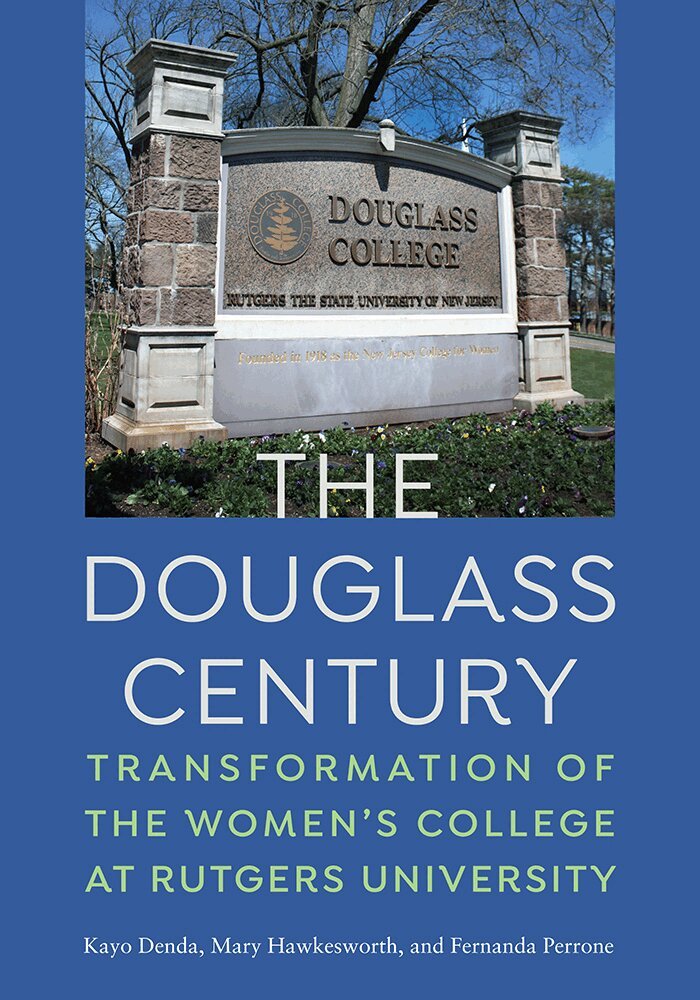
Rutgers University’s Douglass Residential College is the only college for women that is nested within a major public research university in the United States. Although the number of women’s colleges has plummeted from a high of 268 in 1960 to 38 in 2016, Douglass is flourishing as it approaches its centennial in 2018. To explore its rich history, Kayo Denda, Mary Hawkesworth, Fernanda H. Perrone examine the strategic transformation of Douglass over the past century in relation to continuing debates about women’s higher education.The Douglass Century celebrates the college’s longevity and diversity as distinctive accomplishments, and analyzes the contributions of Douglass administrators, alumnae, and students to its survival, while also investigating multiple challenges that threatened its existence. This book demonstrates how changing historical circumstances altered the possibilities for women and the content of higher education, comparing the Jazz Age, American the Great Depression, the Second World War, the post-war Civil Rights era, and the resurgence of feminism in the 1970s and 1980s. Concluding in the present day, the authors highlight the college’s ongoing commitment to Mabel Smith Douglass’ founding vision, “to bring about an intellectual quickening, a cultural broadening in connection with specific training so that women may go out into the world fitted…for leadership…in the economic, political, and intellectual life of this nation.” In addition to providing a comprehensive history of the college, the book brings its subjects to life with eighty full-color images from the Special Collections and University Archives, Rutgers University Libraries.
662 kr
Skickas inom 3-6 vardagar
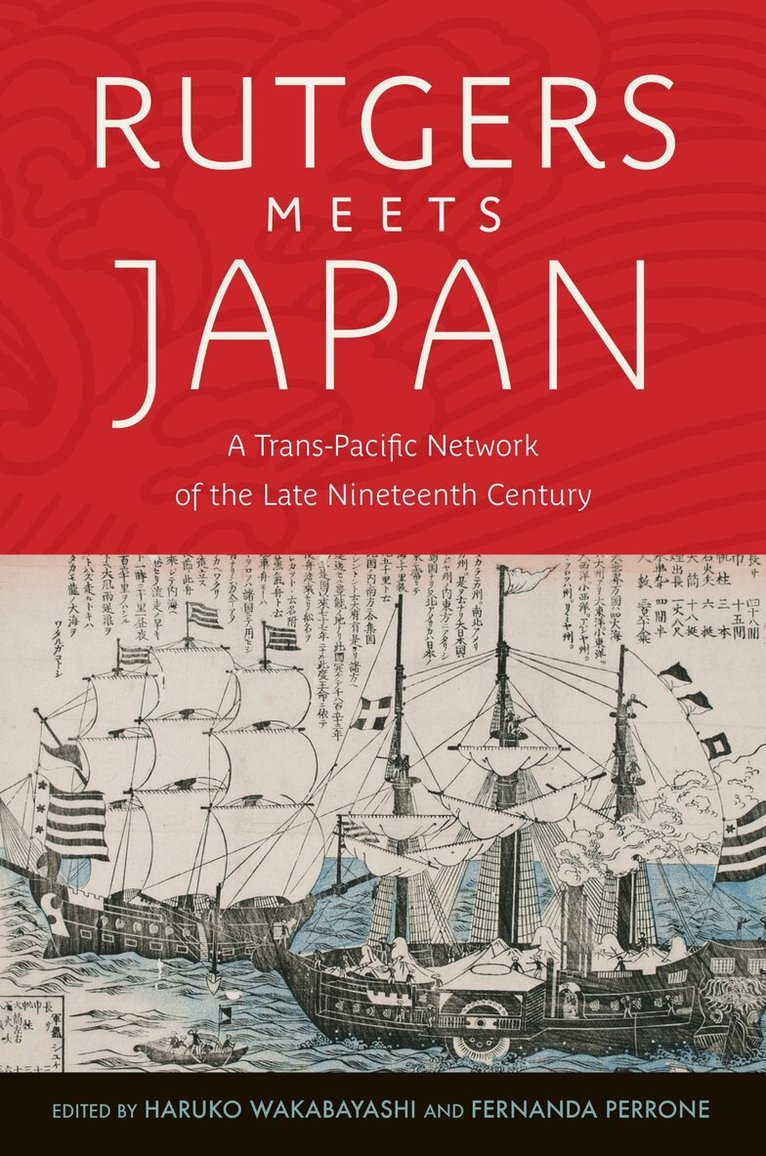
In 1867 Kusakabe Taro, a young samurai from Fukui, Japan, began studying at Rutgers as its first foreign student. Three years later, in 1870, his former tutor, friend, and Rutgers graduate, William Elliot Griffis, left for Japan to teach English and Science for three and a half years. The year 2020 marked the 150th anniversary of two landmark events in the history of the Rutgers-Japan relationship: the untimely death of Kusakabe only weeks before his graduation, and his friend Griffis’ departure to Japan. Griffis and Kusakabe were only a small piece of a vast transnational network of leading modernizers of Japan in the 1860s and 70s. The Japanese students in New Brunswick were young and innovative men of samurai and aristocratic lineage, who were sent by reform-minded leaders of Japan, which was undergoing a dramatic transformation. They came to New Brunswick seeking Western knowledge that was much needed for the modernization of a newly forming nation. New Brunswick became the hub of a network of Japanese nationals that extended to the major cities of New York, Philadelphia, and Boston, and from there to the smaller towns of New England. Once in New Brunswick, these Japanese students were embraced by Protestant ministers, educators, and missionaries—both men and women—whose network encompassed Rutgers College and the neighboring New Brunswick Theological Seminary, and which stretched to Dutch Reformed parishes throughout the Eastern seaboard, and westward as far as the Dutch enclave of Holland, Michigan. Meanwhile, the American teachers and missionaries who left for Japan became part of a network of reformist leaders and Japanese returnees that extended to schools, colleges, and missions in Japan, and formed the foundations of Japan’s modern educational system. Through contributions from scholars and archivists in the U.S., Canada, and Japan, Rutgers Meets Japan aims to reconstruct the early Rutgers-Japan connections and examine the role and impact of this transnational network on Japan and the U.S. in the late nineteenth century.
1 682 kr
Kommande
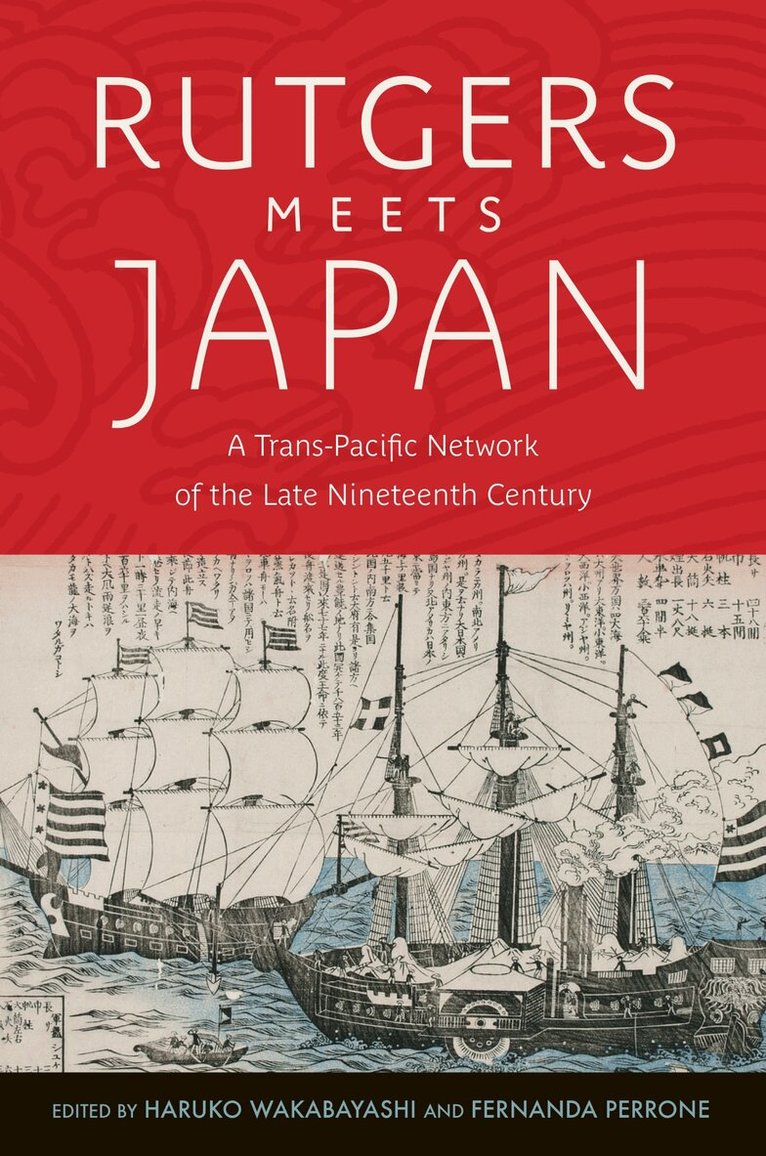
In 1867 Kusakabe Taro, a young samurai from Fukui, Japan, began studying at Rutgers as its first foreign student. Three years later, in 1870, his former tutor, friend, and Rutgers graduate, William Elliot Griffis, left for Japan to teach English and Science for three and a half years. The year 2020 marked the 150th anniversary of two landmark events in the history of the Rutgers-Japan relationship: the untimely death of Kusakabe only weeks before his graduation, and his friend Griffis’ departure to Japan. Griffis and Kusakabe were only a small piece of a vast transnational network of leading modernizers of Japan in the 1860s and 70s. The Japanese students in New Brunswick were young and innovative men of samurai and aristocratic lineage, who were sent by reform-minded leaders of Japan, which was undergoing a dramatic transformation. They came to New Brunswick seeking Western knowledge that was much needed for the modernization of a newly forming nation. New Brunswick became the hub of a network of Japanese nationals that extended to the major cities of New York, Philadelphia, and Boston, and from there to the smaller towns of New England. Once in New Brunswick, these Japanese students were embraced by Protestant ministers, educators, and missionaries—both men and women—whose network encompassed Rutgers College and the neighboring New Brunswick Theological Seminary, and which stretched to Dutch Reformed parishes throughout the Eastern seaboard, and westward as far as the Dutch enclave of Holland, Michigan. Meanwhile, the American teachers and missionaries who left for Japan became part of a network of reformist leaders and Japanese returnees that extended to schools, colleges, and missions in Japan, and formed the foundations of Japan’s modern educational system. Through contributions from scholars and archivists in the U.S., Canada, and Japan, Rutgers Meets Japan aims to reconstruct the early Rutgers-Japan connections and examine the role and impact of this transnational network on Japan and the U.S. in the late nineteenth century.