F.G. Priest - Böcker
Visar alla böcker från författaren F.G. Priest. Handla med fri frakt och snabb leverans.
6 produkter
6 produkter
880 kr
Skickas inom 10-15 vardagar
2 423 kr
Skickas inom 10-15 vardagar
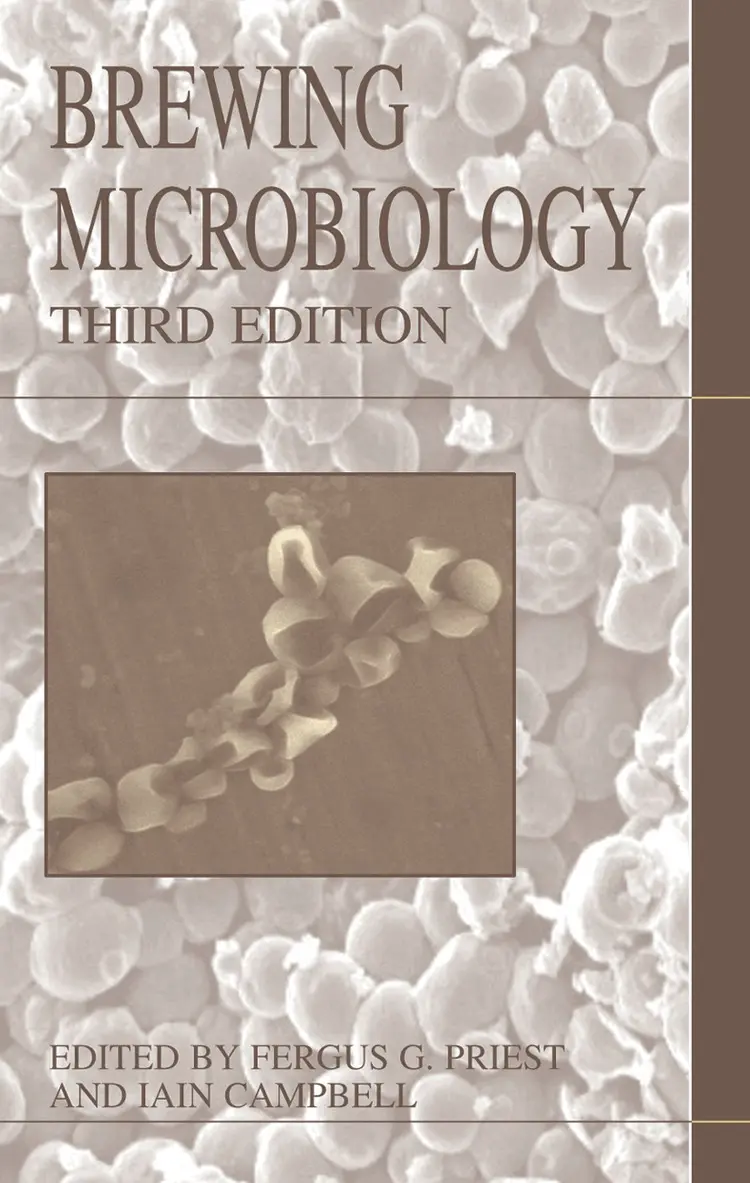
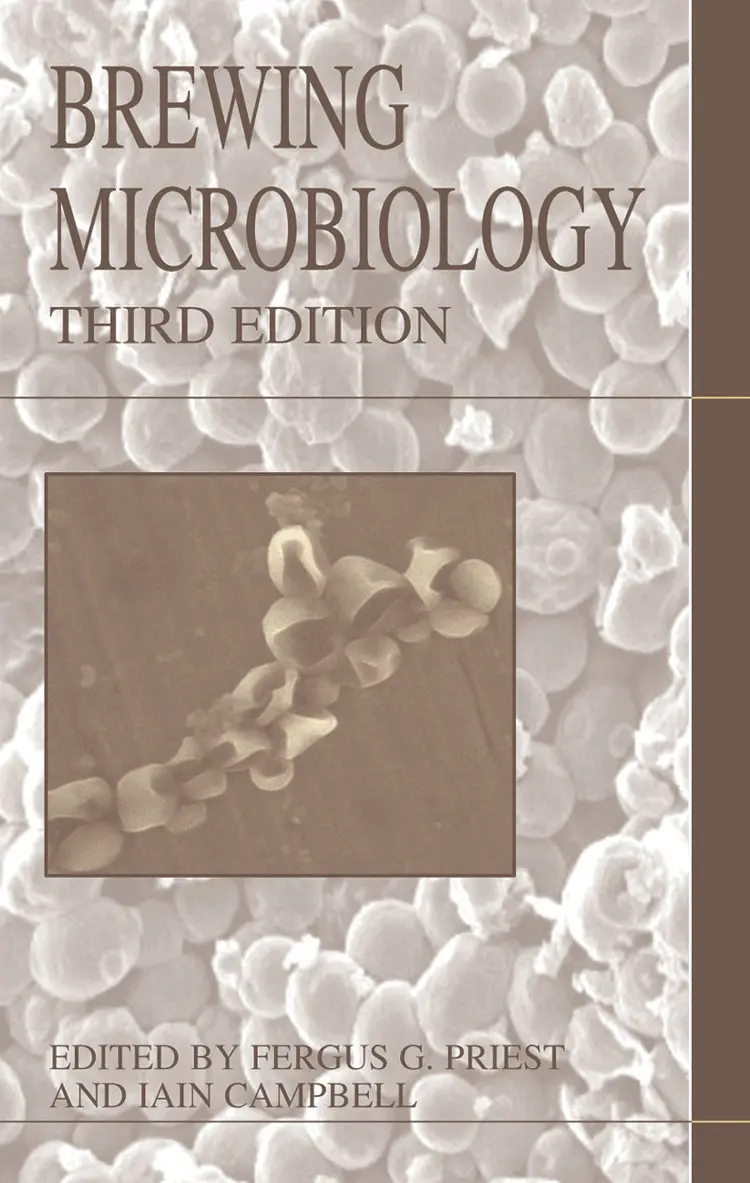
The microbiology of brewing is a diverse subject covering both the production of beer and its stability to spoilage. The third edition of this book gives in-depth coverage of all aspects of brewing microbiology. It includes an introductory chapter which describes the contribution of microbiology to modern brewing practice and sets the scene for the following, more specialized chapters. In addition, there are new chapters on microbiological methods and microbiology tailored to the microbrewer. This text serves both as a reference book and a laboratory manual. It should also be of value to technical brewers who must keep abreast of developments, as well as quality controllers and laboratory research workers in the brewing and related food and beverage industries.
537 kr
Skickas inom 10-15 vardagar
Modern approaches to microbial classification and identification, particularly those based on nucleic acid analysis, have raised the awareness and interest of microbiologists in systematics since the 1990s. The extended scope of the subject has revolutionized microbial ecology with the demonstration of uncultivable micro-organisms as a major component of the biosphere and evolution, with the ribosomal RNA phylogenetic tree as the basis of current classifications. However, advances in microbial systematics have also had enormous impact on other, diverse aspects of microbiology such as animal pathogenicity, plant-microbe interactions and relationships with food. In this book, we survey and discuss in depth the contribution of modern taxonomic approaches to our understanding of the microbiology of these various systems. This work provides an insight into the application and value of modern systematics in diverse branches of microbiology. It should be of value to microbiologists at both research and technical levels who need to appreciate the range of organisms with which they work and the diversity within them.It should also be of value to teachers and students of microbiology courses who want to understand how systematics can enhance microbiology beyond the routine of classification, nomenclature, and identification.
537 kr
Skickas inom 10-15 vardagar
Modern approaches to microbial classification and identification, particularly those based on nucleic acid analysis, have raised the awareness and interest of microbiologists in systematics since the 1990s. The extended scope of the subject has revolutionized microbial ecology with the demonstration of uncultivable micro-organisms as a major component of the biosphere and evolution, with the ribosomal RNA phylogenetic tree as the basis of current classifications. However, advances in microbial systematics have also had enormous impact on other, diverse aspects of microbiology such as animal pathogenicity, plant-microbe interactions and relationships with food. In this book, we survey and discuss in depth the contribution of modern taxonomic approaches to our understanding of the microbiology of these various systems. This work provides an insight into the application and value of modern systematics in diverse branches of microbiology. It should be of value to microbiologists at both research and technical levels who need to appreciate the range of organisms with which they work and the diversity within them.It should also be of value to teachers and students of microbiology courses who want to understand how systematics can enhance microbiology beyond the routine of classification, nomenclature, and identification.
2 633 kr
Skickas inom 10-15 vardagar
Much has happened in the brewing industry since the last edition of this book was published in 1996. In particular, there has been substantial con solidation of larger brewing companies as major multinational concerns, and at the other end of the spectrum the microbrewing scene in various parts of the world has become established as a sustainable enterprise. For those involved in the scientific and technical aspects of fermented bever age production the changes have been no less daunting. The complete genome sequence of Saccharomyces cerevisiae has been determined and studies are underway in numerous laboratories throughout the world to unravel the expression of the genome (transcriptomics and proteomics) and understand exactly "how a yeast works. " This will undoubtedly con tribute to our understanding of yeast fermentation and flavor generation in a revolutionary way because it will enable the simultaneous monitor ing of all genes in the organism during the fermentation. In Chapters 2 and 3 of this volume Colin Slaughter and John Hammond bring the reader up-to-date in this rapidly moving area and cover the remarkable achievements of modern biochemistry and molecular biology. lain Campbell has also revised the systematics of culture and wild yeasts in Chapter 7. The other major technical change since the last edition of this book is the introduction of molecular characterization and detection of microor ganisms based largely, but not exclusively, on the polymerase chain reac tion (PCR) for amplification of specific DNA fragments.
553 kr
Skickas inom 10-15 vardagar
Bacterial taxonomy as a specialized discipline is practised by a minority but the applications of taxonomy are important to most, if not all microbiologists. It is the implementation of taxonomic ideas and practises which gives rise to identification and typing systems, procedures for the analysis and characterization of biodiversity, hypotheses about the evolution of micro-organisms, and improved procedures for the isolation and implementation of bacteria in biotechnological processes. Without taxonomic theory providing a sound basis to these many facets of microbiology there would be severe problems faced by many scientists working with micro-organisms. Taxonomy comprises three sequential but independent processes; classification, nomenclature and identification. The first two stages are the prime concern of the specialist taxonomist but the third stage should result in identification schemes of value to all microbiologists. As the classification and identification of micro-organisms improves, largely due to the introduction of new technologies, so does its contribution to the subject as a whole. It therefore seemed timely to hold a conference in the autumn of 1993 devoted to microbial identification. Such a topic could not be addressed without some reference to the enabling discipline of classification, but the principal aims were to assess improvements in identification and typing and how these were benefiting microbiological topics ranging from ecological and biotechnological studies of extremophilic bacteria to the use of pyrolysis mass spectrometry in epidemiology. The meeting, which was held in Granada, Spain, was supported by FEMS (FEMS Symposium No.