Finn R. Forsund – författare
Visar alla böcker från författaren Finn R. Forsund. Handla med fri frakt och snabb leverans.
9 produkter
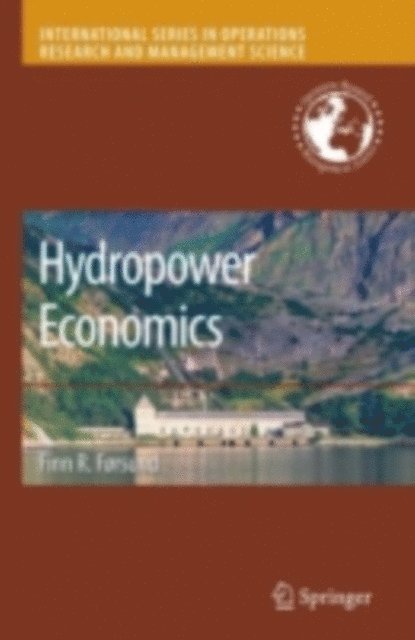
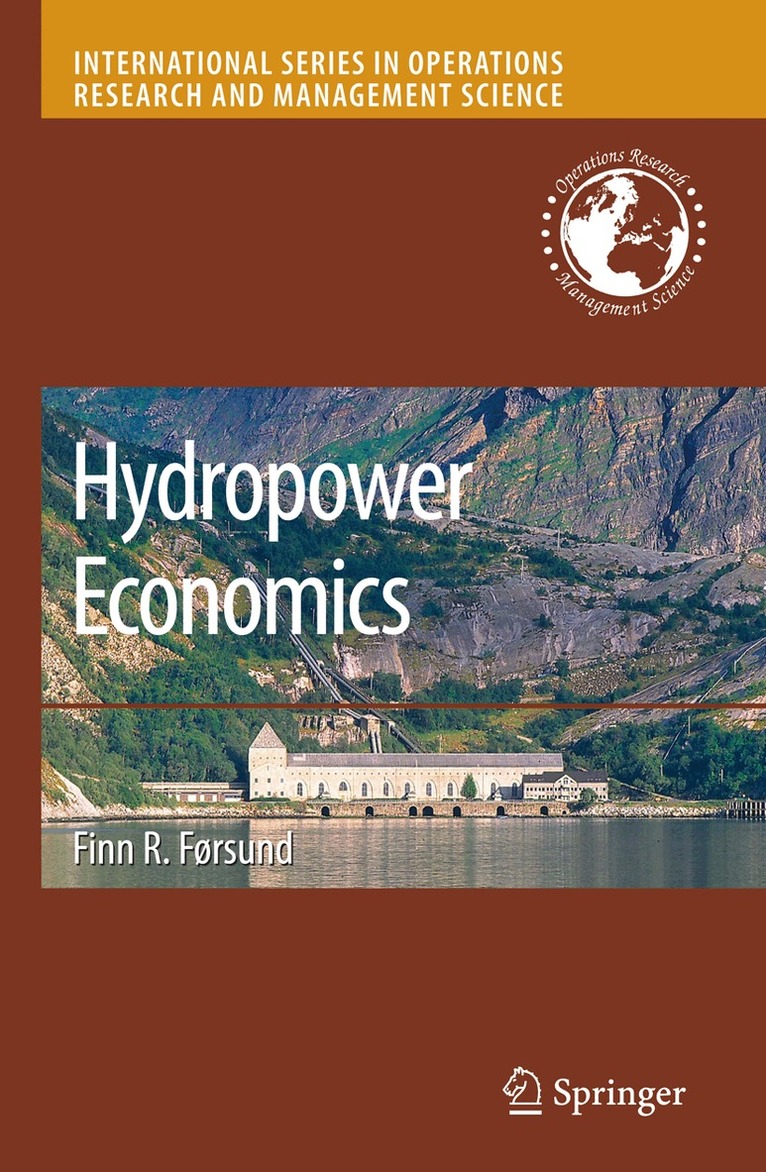
Hydropower Economics
E-bok, 2007
1785 kr
Lägg i varukorg
The state organisation responsible for coordinating the hydropower el- tricity system in Norway (“Samkjøringen”) contacted me in 1990 about the advanced plan for deregulating the electricity system, separating gene- tion, transmission, and distribution and introducing a wholesale market for …
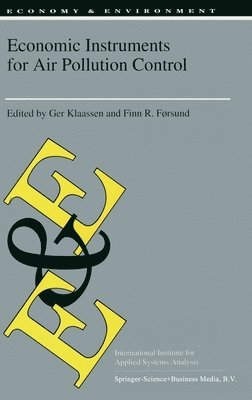
Economic Instruments for Air Pollution Control
Av Ger Klaassen, Finn R. Forsund
Inbunden, 1994
1204 kr
Lägg i varukorg
Economic theory and empirical models suggest that economic instruments should help us to meet environmental goals at lower cost. Practical experience, however, shows that the cost savings of emission trading are smaller than expected and charges usually have had small incentive impacts. This book …
Limits and Problems of Taxation
Av Seppo Monkapohja, Seppo Honkapohja m. fl.
E-bok, 1985
698 kr
Lägg i varukorg
Limits and Problems of Taxation
Av Finn R. Forsund, Seppo Honkapohja m. fl.
Häftad, 1985
534 kr
Lägg i varukorg
Hydropower Economics
E-bok, 2015
2065 kr
Lägg i varukorg
This is a thorough revision of the 2007 publication, and includes five new chapters and brings all existing chapters completely up to date. There have been many advances in hydropower and renewable technologies since the original publication, and Europe, and particularly Scandinavia, plan many more …
Economic Instruments for Air Pollution Control
Av Finn R. Forsund, Ger Klaassen
E-bok, 2012
1413 kr
Lägg i varukorg
Economic theory and empirical models suggest that economic instruments should help us to meet environmental goals at lower cost. Practical experience, however, shows that the cost savings of emission trading are smaller than expected and charges usually have had small incentive impacts. This book …
Hydropower Economics
Häftad, 2010
1807 kr
Tillfälligt slut
The state organisation responsible for coordinating the hydropower el- tricity system in Norway (“Samkjøringen”) contacted me in 1990 about the advanced plan for deregulating the electricity system, separating gene- tion, transmission, and distribution and introducing a wholesale market for …