Fiona Kay – författare
Visar alla böcker från författaren Fiona Kay. Handla med fri frakt och snabb leverans.
11 produkter
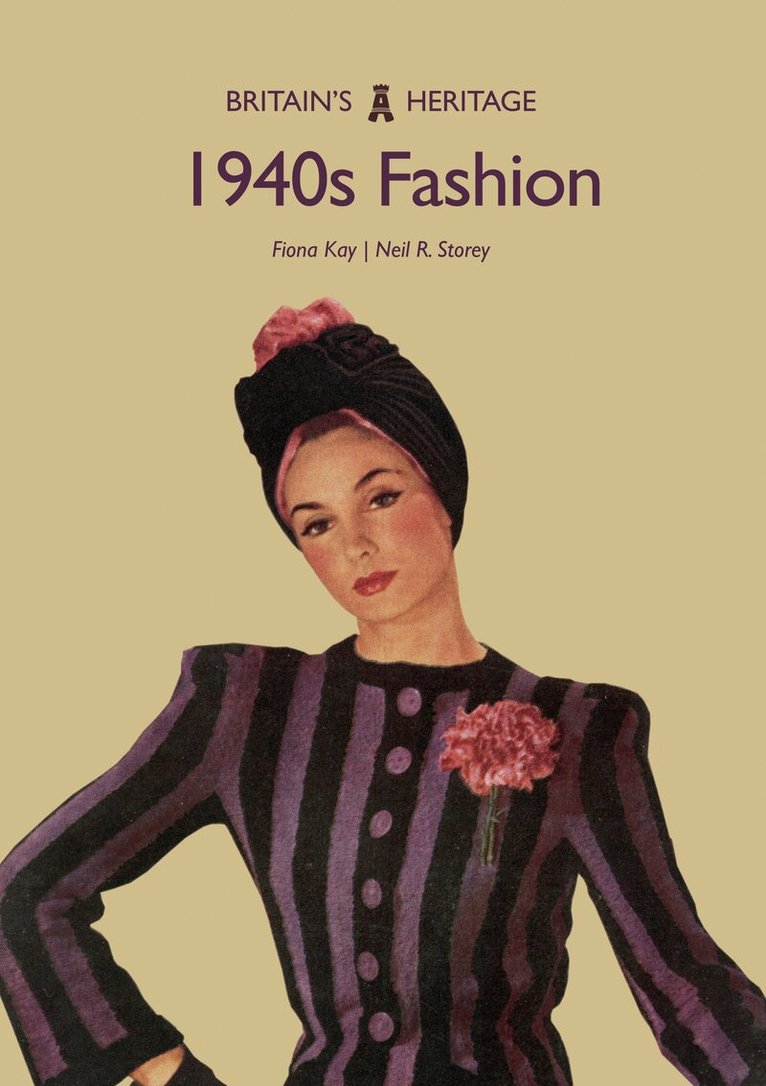
1940s Fashion
Häftad, 2018
111 kr
Lägg i varukorg
Despite – or perhaps because of – the privations of war, the 1940s was one of the greatest decades for fashion in Britain. The designs and fashions of the 1930s would linger on through the early years of the Second World War but with shortages and rationing firmly in place, the Utility clothing …
Gender in Practice
A Study of Lawyers' Lives
Av John Hagan, Fiona Kay
Inbunden, 1995
2164 kr
Lägg i varukorg
This book analyses the current status of women in the law, drawing on two major studies in Canada in 1985 and 1990, and relating the findings to women and the legal profession in the United States.
Gender in Practice
A Study of Lawyers' Lives
Av Fiona Kay, John Hagan
E-bok, 1995
980 kr
Lägg i varukorg
In the last thirty years, the number of lawyers in the United States and Canada has more than tripled, and today as many women as men are entering legal practice. The sudden, dramatic increase of women in the profession would seem to signify a new era of equality in the legal profession. However, …
Social Capital, Diversity, and the Welfare State
Av Fiona Kay, Richard Johnston
Inbunden, 2006
1182 kr
Lägg i varukorg
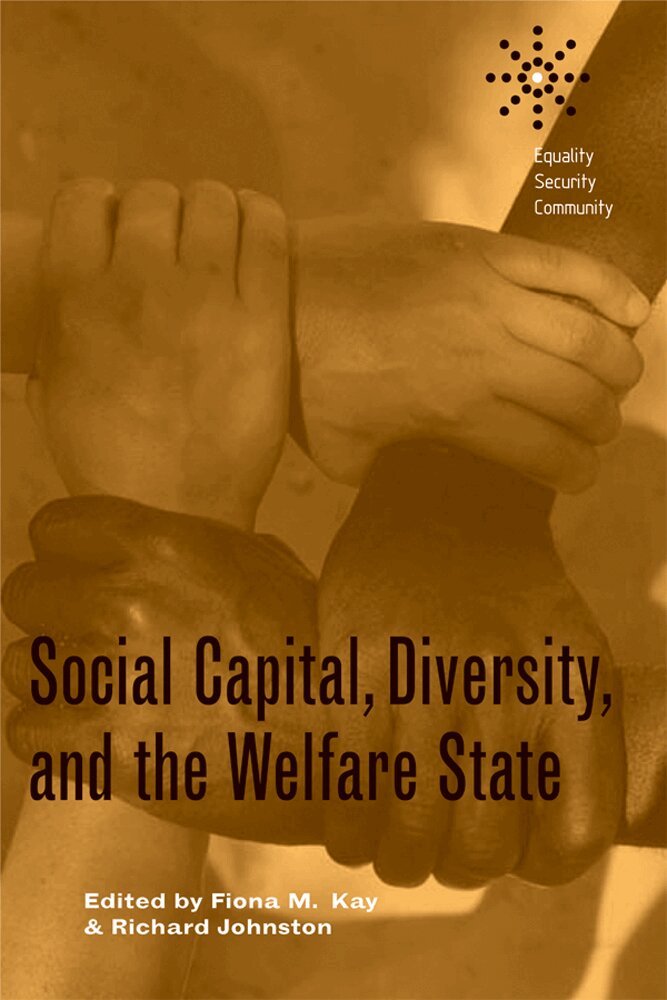
Social capital is arguably the most critical idea to emerge in thesocial sciences in the last two decades. Emphasizing the importance ofsocial networks, communication, and the symbolic and material exchangesthat strengthen communities, social capital has been the subject of anexpansive body of …
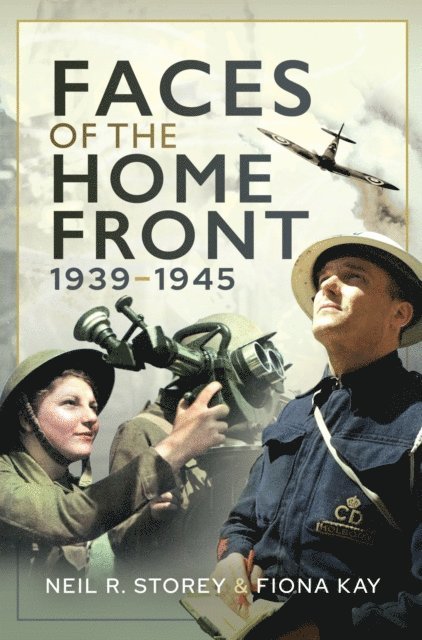
Faces of the Home Front, 1939-1945
E-bok, 2022
294 kr
Lägg i varukorg
An account of the lives of the British people and wartime organizations during WWII, with photographs and remembrances from the author''s personal archives.Faces of the Home Front presents fascinating insight into the people, organizations and events on the British Home Front during the Second …
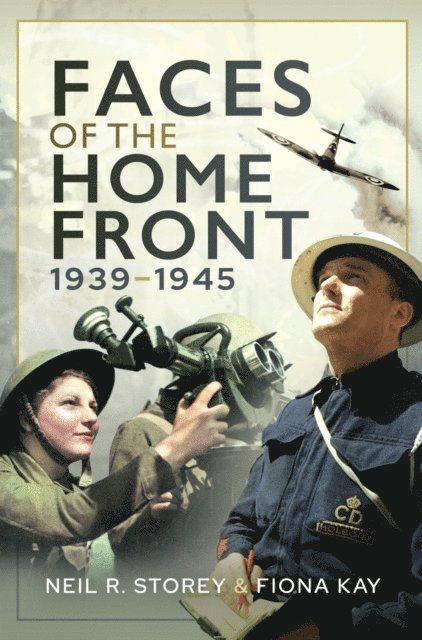
Faces of the Home Front, 1939-1945
E-bok, 2022
294 kr
Lägg i varukorg
Faces of the Home Front presents a fascinating insight into the people, wartime organisations, events, life and work on the British Home Front during the Second World War. This is the story of ordinary people in extraordinary times told through an array of previously unpublished rare photographs, …
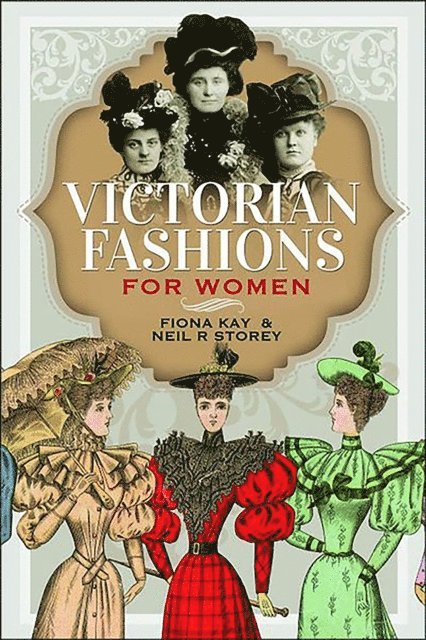
Victorian Fashions for Women
E-bok, 2022
294 kr
Lägg i varukorg
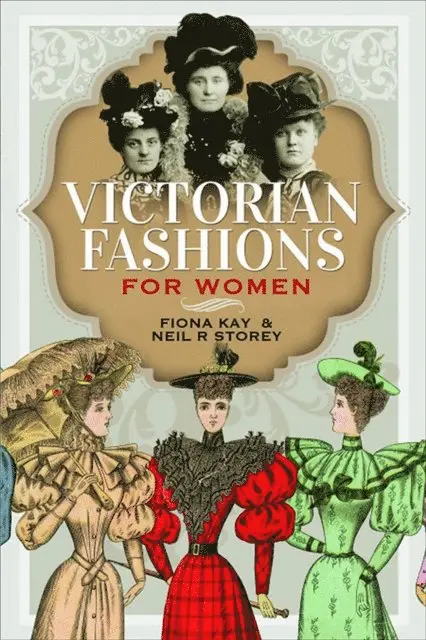
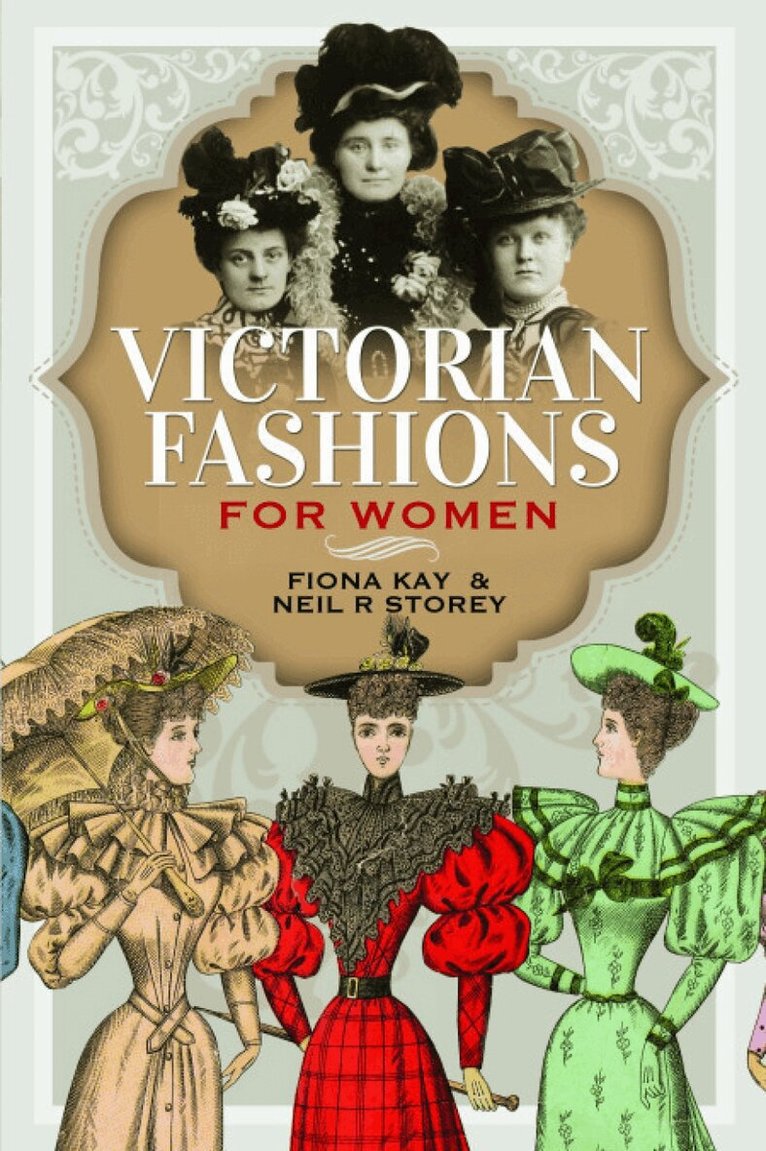
A delightfully illustrated history of women''s wear in Victorian England, with decade-by-decade details of the styles—and the lifestyles they represented. Victorian Fashions for Women explores British styles and clothing throughout the long reign of Queen Victoria, from the late 1830s to the first …
Victorian Fashions for Women
E-bok, 2022
294 kr
Lägg i varukorg
A delightfully illustrated history of women''s wear in Victorian England, with decade-by-decade details of the styles—and the lifestyles they represented. Victorian Fashions for Women explores British styles and clothing throughout the long reign of Queen Victoria, from the late 1830s to the first …
Social Capital, Diversity, and the Welfare State
Av Fiona Kay, Richard Johnston
Häftad, 2007
414 kr
Tillfälligt slut
Social capital is arguably the most critical idea to emerge in thesocial sciences in the last two decades. Emphasizing the importance ofsocial networks, communication, and the symbolic and material exchangesthat strengthen communities, social capital has been the subject of anexpansive body of …
Victorian Fashions for Women
Häftad, 2024
171 kr
Tillfälligt slut
Victorian Fashions for Men explores British the styles and clothing throughout the long reign of Queen Victoria from the late 1830s to the first years of the 20th century. Within are a superb overview of the suits, coats, hats, hair styles, accoutrements, shoes and boots that typified the …
Northumberland and Tyneside's War
Voice of the First World War
Häftad, 2017
192 kr
Tillfälligt slut
This book tells the story of the people of Tyneside and Northumberland during the First World War, both in action on the front line and on the Home Front. The book is filled with many previously unpublished accounts of life at the front, the stories of soldiers written in their own words in letters …