Fran Tonkiss - Böcker
Visar alla böcker från författaren Fran Tonkiss. Handla med fri frakt och snabb leverans.
9 produkter
9 produkter
2 290 kr
Skickas inom 10-15 vardagar
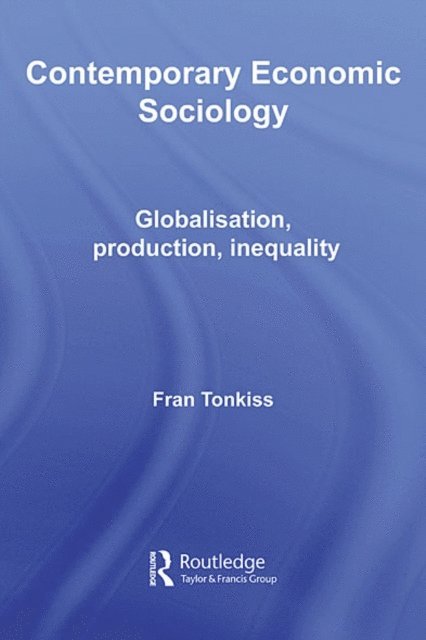
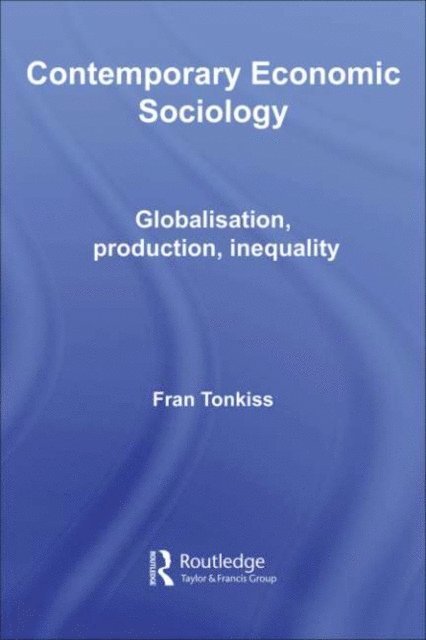
Contemporary Economic Sociology closely examines critical and contemporary issues in the sociology of economic life. Bringing together a range of theoretical perspectives, Fran Tonkiss examines major shifts in the organization of economy and society - from the politics of globalization to the cultural economy, social exclusion and the 'end' of class. This new volume is organized around three core themes (globalization, production and inequality) and answers the questions:how are transnational processes re-making contemporary economies? can capitalist globalization be governed or resisted?do class relations still shape people’s social identities?how can we think about inequality in national and international contexts? Key changes in each of these domains raise new challenges for analyzing social and economic relations, power, agency and identity. Setting these changes in a transnational context, this book examines how these issues are being re-shaped in contemporary societies, and explores competing frameworks for understanding such changes. Drawing on arguments from economic sociology, politics and policy studies, political economy and critical geography, the text focuses on both conceptual approaches to the social study of the economy, and trans-national processes of social and economic restructuring. The arguments provide a critical overview of current concerns for economic sociology, and extend the boundaries of the discipline to a new set of questions. The text is particularly relevant to undergraduate and graduate students and scholars in the fields of economic and political sociology, politics and government, geography, economics and international relations.
753 kr
Skickas inom 10-15 vardagar
Contemporary Economic Sociology closely examines critical and contemporary issues in the sociology of economic life. Bringing together a range of theoretical perspectives, Fran Tonkiss examines major shifts in the organization of economy and society - from the politics of globalization to the cultural economy, social exclusion and the 'end' of class. This new volume is organized around three core themes (globalization, production and inequality) and answers the questions:how are transnational processes re-making contemporary economies? can capitalist globalization be governed or resisted?do class relations still shape people’s social identities?how can we think about inequality in national and international contexts? Key changes in each of these domains raise new challenges for analyzing social and economic relations, power, agency and identity. Setting these changes in a transnational context, this book examines how these issues are being re-shaped in contemporary societies, and explores competing frameworks for understanding such changes. Drawing on arguments from economic sociology, politics and policy studies, political economy and critical geography, the text focuses on both conceptual approaches to the social study of the economy, and trans-national processes of social and economic restructuring. The arguments provide a critical overview of current concerns for economic sociology, and extend the boundaries of the discipline to a new set of questions. The text is particularly relevant to undergraduate and graduate students and scholars in the fields of economic and political sociology, politics and government, geography, economics and international relations.
294 kr
Skickas inom 5-8 vardagar
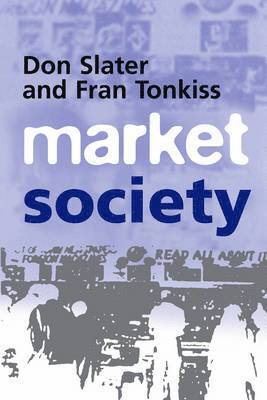
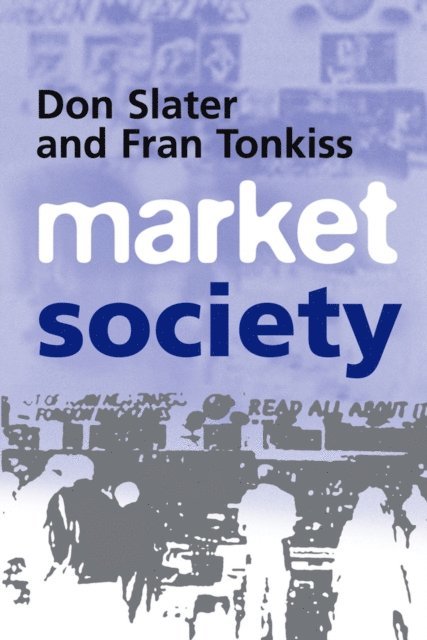
Market Society provides an original and accessible review of changing conceptions of the market in modern social thought. The book considers markets as social institutions rather than simply formal models, arguing that modern ideas of the market are based on critical notions of social order, social action and social relations. Examining a range of perspectives on the market from across different social science disciplines, Market Society surveys a complex field of ideas in a clear and comprehensive manner. In this way it seeks to extend economic sociology beyond a critique of mainstream economics, and to engage more broadly with social, political and cultural theory. The book explores historical approaches to the emergence of a modern market society, as well as major approaches to the market within modern economic theory and sociology. It addresses key arguments in economic sociology and anthropology, the relation between markets and states, and critical and cultural theories of market rationality. It concludes with a discussion of markets and culture in a late modern context. This wide-ranging text will be of interest to undergraduate and postgraduate students in sociology, economic theory and history, politics, social and political theory, anthropology and cultural studies.
715 kr
Skickas inom 7-10 vardagar
Space, the City and Social Theory offers a clear and critical account of key approaches to cities and urban space within social theory and analysis. It explores the relation of the social and the spatial in the context of critical urban themes: community and anonymity; social difference and spatial divisions; politics and public space; gentrification and urban renewal; gender and sexuality; subjectivity and space; experience and everyday practice in the city. The text adopts an international and interdisciplinary approach, drawing on a range of debates on cities and urban life. It brings together classic perspectives in urban sociology and social theory with the analysis of contemporary urban problems and issues. Rather than viewing the urban simply as a backdrop for more general social processes, the discussion looks at how social and spatial relations shape different versions of the city: as a place of social interaction and of solitude; as a site of difference and segregation; as a space of politics and power; as a landscape of economic and cultural distinction; as a realm of everyday experience and freedom. Similarly, it examines how core social categories - such as class, culture, gender, sexuality and community - are shaped and reproduced in urban contexts.Linking debates in urban studies to wider concerns within social theory and analysis, this accessible text will appeal to undergraduate and postgraduate students in urban sociology, social and cultural geography, urban and cultural studies.
278 kr
Skickas inom 5-8 vardagar
Space, the City and Social Theory offers a clear and critical account of key approaches to cities and urban space within social theory and analysis. It explores the relation of the social and the spatial in the context of critical urban themes: community and anonymity; social difference and spatial divisions; politics and public space; gentrification and urban renewal; gender and sexuality; subjectivity and space; experience and everyday practice in the city. The text adopts an international and interdisciplinary approach, drawing on a range of debates on cities and urban life. It brings together classic perspectives in urban sociology and social theory with the analysis of contemporary urban problems and issues. Rather than viewing the urban simply as a backdrop for more general social processes, the discussion looks at how social and spatial relations shape different versions of the city: as a place of social interaction and of solitude; as a site of difference and segregation; as a space of politics and power; as a landscape of economic and cultural distinction; as a realm of everyday experience and freedom. Similarly, it examines how core social categories - such as class, culture, gender, sexuality and community - are shaped and reproduced in urban contexts.Linking debates in urban studies to wider concerns within social theory and analysis, this accessible text will appeal to undergraduate and postgraduate students in urban sociology, social and cultural geography, urban and cultural studies.
715 kr
Skickas inom 7-10 vardagar
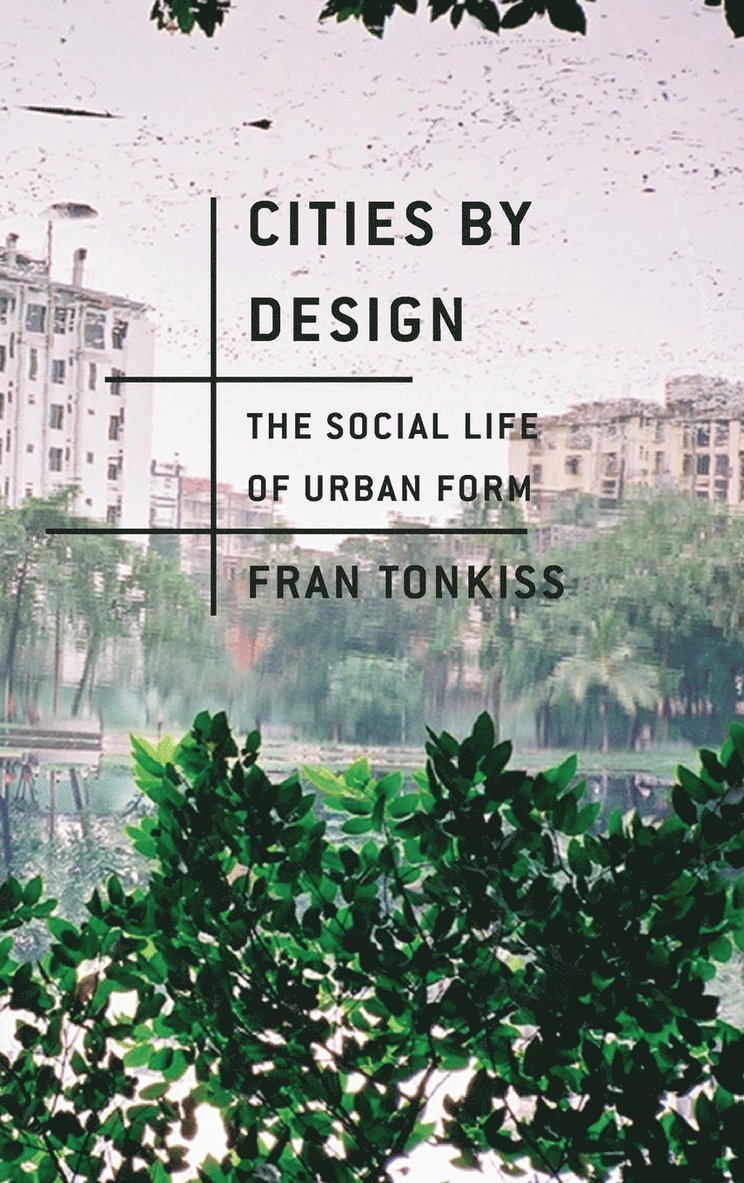
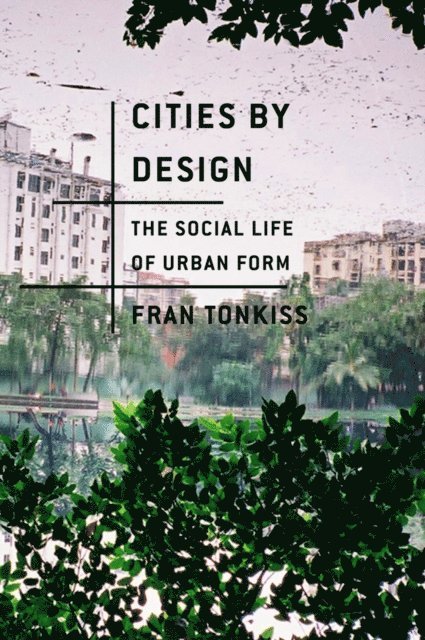
Who makes our cities, and what part do everyday users have in the design of cities? This book powerfully shows that city-making is a social process and examines the close relationship between the social and physical shaping of urban environments.With cities taking a growing share of the global population, urban forms and urban experience are crucial for understanding social injustice, economic inequality and environmental challenges. Current processes of urbanization too often contribute to intensifying these problems; cities, likewise, will be central to the solutions to such problems. Focusing on a range of cities in developed and developing contexts, Cities by Design highlights major aspects of contemporary urbanization: urban growth, density and sustainability; inequality, segregation and diversity; informality, environment and infrastructure.Offering keen insights into how the shaping of our cities is shaping our lives, Cities by Design provides a critical exploration of key issues and debates that will be invaluable to students and scholars in sociology and geography, environmental and urban studies, architecture, urban design and planning.
243 kr
Skickas inom 7-10 vardagar
Who makes our cities, and what part do everyday users have in the design of cities? This book powerfully shows that city-making is a social process and examines the close relationship between the social and physical shaping of urban environments.With cities taking a growing share of the global population, urban forms and urban experience are crucial for understanding social injustice, economic inequality and environmental challenges. Current processes of urbanization too often contribute to intensifying these problems; cities, likewise, will be central to the solutions to such problems. Focusing on a range of cities in developed and developing contexts, Cities by Design highlights major aspects of contemporary urbanization: urban growth, density and sustainability; inequality, segregation and diversity; informality, environment and infrastructure.Offering keen insights into how the shaping of our cities is shaping our lives, Cities by Design provides a critical exploration of key issues and debates that will be invaluable to students and scholars in sociology and geography, environmental and urban studies, architecture, urban design and planning.
848 kr
Kommande
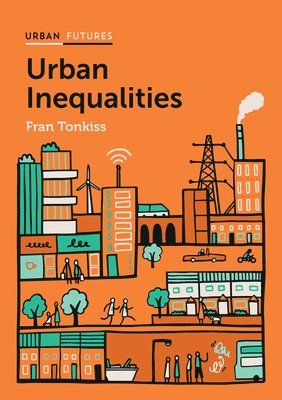
Urban Inequalities offers a masterful and critical introduction to key issues and processes shaping contemporary cities, drawing on a whole host of economic, social, spatial, legal, environmental, and planning and design perspectives. In addition to the continuing power of ‘older’ bases of urban inequality – racial and cultural discrimination, gender inequity, legal exclusions, informality and shelter deprivation – it examines significant emergent patterns, including the increasing polarization and concentrations of wealth at the top of urban economies.Moving across diverse urban settings, the book considers how urban inequality is organized and lived not only in terms of income, wealth or property, but also in consumption inequalities, uneven access to urban goods and legal protections, spatial segregation and disparities, environmental risks and injustices, and patterns of health, safety and vulnerability. The text concludes by exploring design and planning interventions to address forms of inequality in a range of urban contexts.Blending theoretical acumen with engaging empirical illustrations, Urban Inequalities will be necessary reading for students and scholars across the social sciences studying this hugely consequential phenomenon in an increasingly urbanized world.
251 kr
Kommande
Urban Inequalities offers a masterful and critical introduction to key issues and processes shaping contemporary cities, drawing on a whole host of economic, social, spatial, legal, environmental, and planning and design perspectives. In addition to the continuing power of ‘older’ bases of urban inequality – racial and cultural discrimination, gender inequity, legal exclusions, informality and shelter deprivation – it examines significant emergent patterns, including the increasing polarization and concentrations of wealth at the top of urban economies.Moving across diverse urban settings, the book considers how urban inequality is organized and lived not only in terms of income, wealth or property, but also in consumption inequalities, uneven access to urban goods and legal protections, spatial segregation and disparities, environmental risks and injustices, and patterns of health, safety and vulnerability. The text concludes by exploring design and planning interventions to address forms of inequality in a range of urban contexts.Blending theoretical acumen with engaging empirical illustrations, Urban Inequalities will be necessary reading for students and scholars across the social sciences studying this hugely consequential phenomenon in an increasingly urbanized world.