Francesca Berry - Böcker
Visar alla böcker från författaren Francesca Berry. Handla med fri frakt och snabb leverans.
3 produkter
3 produkter
1 232 kr
Skickas inom 7-10 vardagar
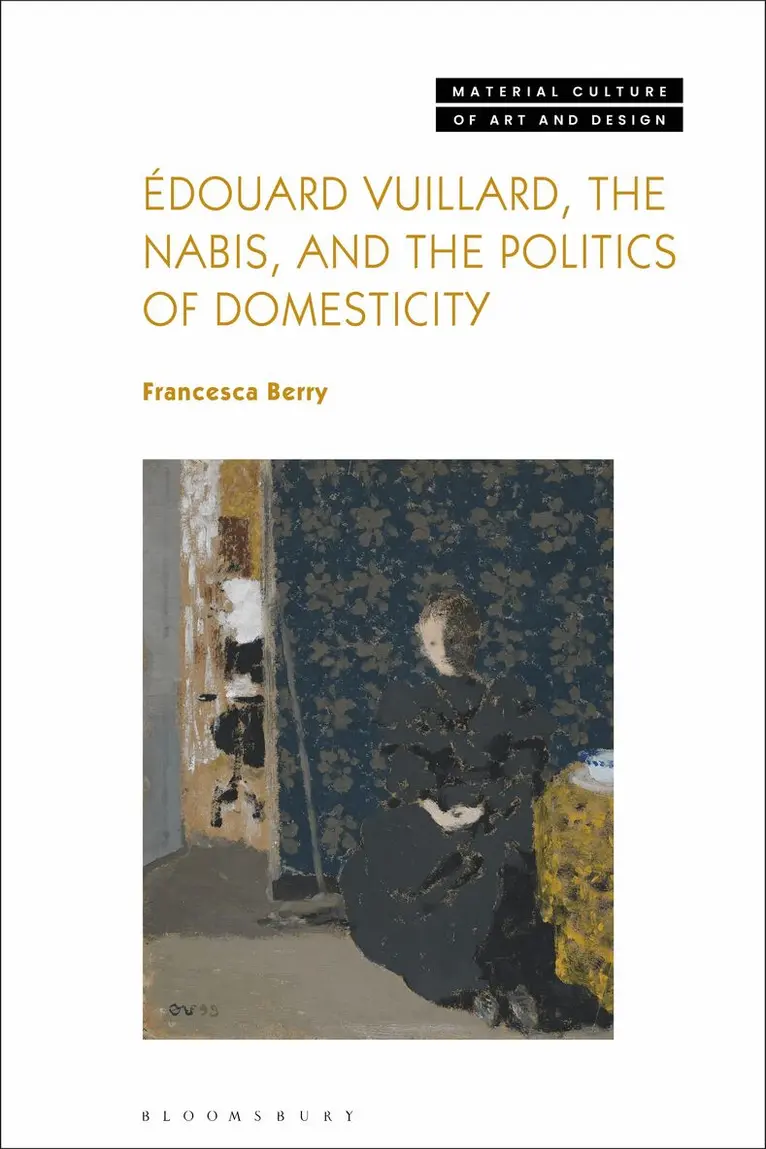
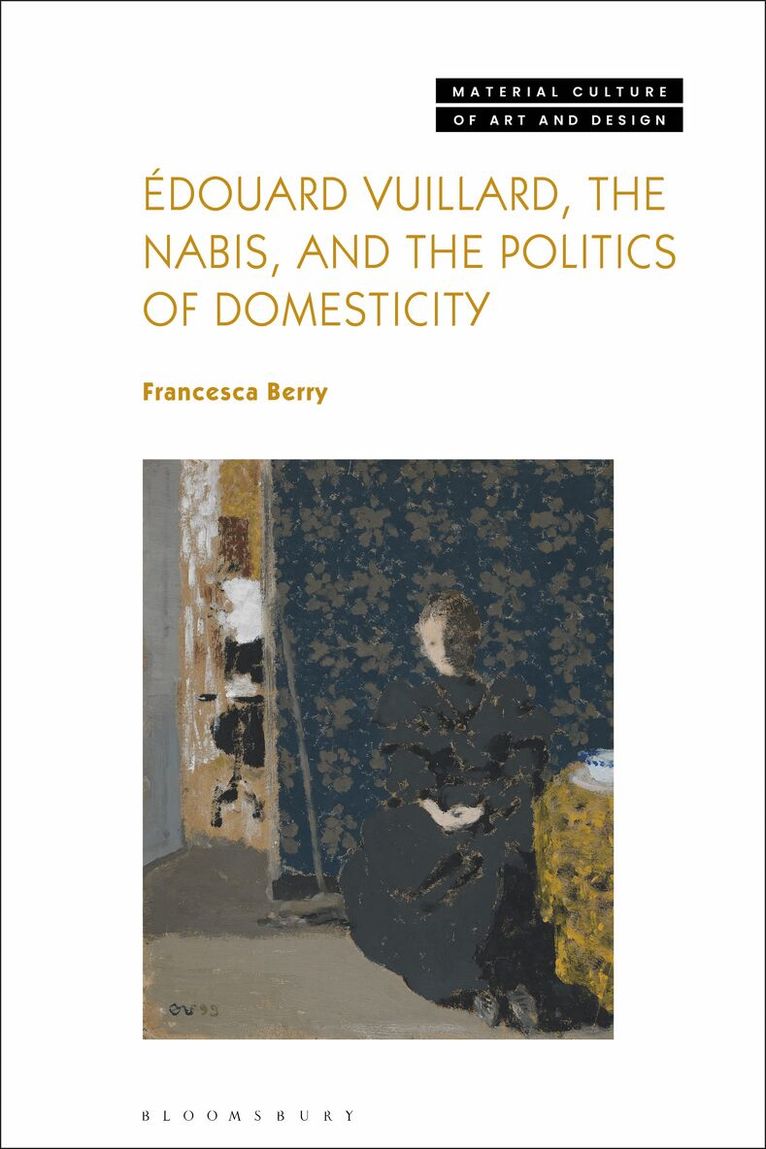
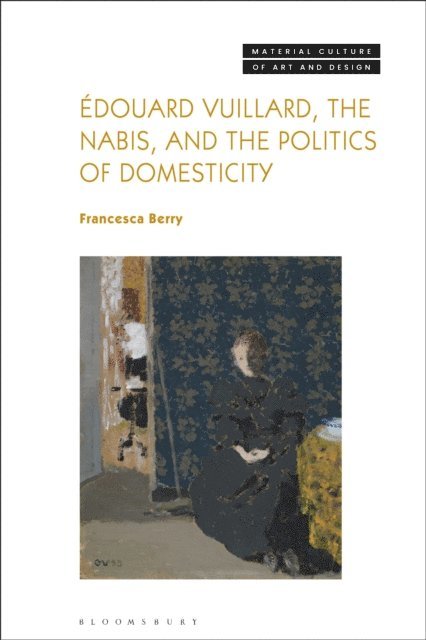
This ground-breaking book is the first to address the feminine and feminist politics of Intimiste art - a modernist mode of art making developed in the 1890s by Édouard Vuillard while associated with the Nabi 'brotherhood'.Coined by contemporary critics, 'intimisme' encapsulated the shared approach of these artists to depicting intimate settings and themes. Vuillard's paintings, which are typically small, employ bold pigments and economic brushstrokes to depict female figures in tightly composed apartment interiors. Those portrayed include his mother and sister, just as wives and lovers dominate the art of other Nabis, including Maurice Denis and Pierre Bonnard.Francesca Berry comparatively analyses the gender politics of Nabi art to reveal real differences. Through skilled visual interpretation she argues that Vuillard attempted a profound engagement with the material conditions of feminine domesticity in cooperation with his first and most sustained audience: women. He did so, the author reveals, in artworks that explore a complex range of feminine experiences such as sexual initiation, stillbirth, illicit work, and unceasing housework. The personal gender politics of Intimiste practice also are foregrounded. Vuillard's studio-bedroom afforded him access to quotidian femininity. But at what risks to his sister's privacy and to his mother's subjectivity?Making an artistic project of feminine domesticity also meant entering the field of politics. The 1890s was the decade of state legislation and feminist demands with respect to work in the home and women's familial rights. Personal in motif and Symbolist in form, Berry's extensive historical research reveals these artworks also to have been social and political, sometimes even feminist, in meaning. Transcending the structural repression of domesticity in histories of modernist art, this book powerfully overturns residual myths of aesthetic introspection and social retreat that for too long have been attached to Nabi Symbolism.
499 kr
Kommande
This ground-breaking book is the first to address the feminine and feminist politics of Intimiste art - a modernist mode of art making developed in the 1890s by Édouard Vuillard while associated with the Nabi 'brotherhood'.Coined by contemporary critics, 'intimisme' encapsulated the shared approach of these artists to depicting intimate settings and themes. Vuillard's paintings, which are typically small, employ bold pigments and economic brushstrokes to depict female figures in tightly composed apartment interiors. Those portrayed include his mother and sister, just as wives and lovers dominate the art of other Nabis, including Maurice Denis and Pierre Bonnard.Francesca Berry comparatively analyses the gender politics of Nabi art to reveal real differences. Through skilled visual interpretation she argues that Vuillard attempted a profound engagement with the material conditions of feminine domesticity in cooperation with his first and most sustained audience: women. He did so, the author reveals, in artworks that explore a complex range of feminine experiences such as sexual initiation, stillbirth, illicit work, and unceasing housework. The personal gender politics of Intimiste practice also are foregrounded. Vuillard's studio-bedroom afforded him access to quotidian femininity. But at what risks to his sister's privacy and to his mother's subjectivity?Making an artistic project of feminine domesticity also meant entering the field of politics. The 1890s was the decade of state legislation and feminist demands with respect to work in the home and women's familial rights. Personal in motif and Symbolist in form, Berry's extensive historical research reveals these artworks also to have been social and political, sometimes even feminist, in meaning. Transcending the structural repression of domesticity in histories of modernist art, this book powerfully overturns residual myths of aesthetic introspection and social retreat that for too long have been attached to Nabi Symbolism.
196 kr
Skickas inom 7-10 vardagar
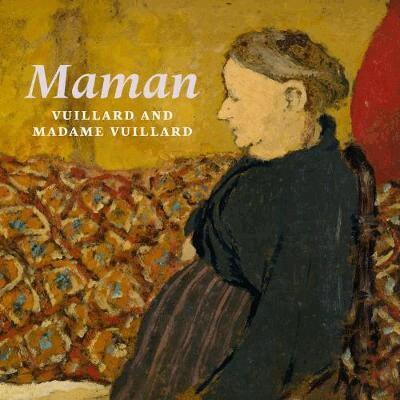
Madame Vuillard is a particular focus of the work produced during the initial decade of Édouard Vuillard’s (1868 - 1940) career, the 1890s, when Vuillard was a member of the Nabis and forging an artistic identity as part of the Parisian avant-garde. During this period Vuillard and his widowed mother shared a series of modest rented apartments in central Paris in which the artist sustained a works-on-paper and (from 1897) amateur photographic practice out of his ‘studio-bedroom,' whilst in the dining room Madame Vuillard ran the corsetry business employing a handful of seamstresses including Vuillard’s sister. In these apartments Vuillard and Madame Vuillard operated mutually supportive, parallel working practices, to the extent that Vuillard put his mother and the fabric of her atelier ‘in the picture’ whilst she posed for his pencil and camera or developed his photographs in the kitchen. Their Parisian co-habitation, and Vuillard’s portrayal of his mother across a range of pictorial media, lasted until Madame Vuillard’s death as an elderly woman in 1928.