Francesca Cauchi – författare
Visar alla böcker från författaren Francesca Cauchi. Handla med fri frakt och snabb leverans.
8 produkter
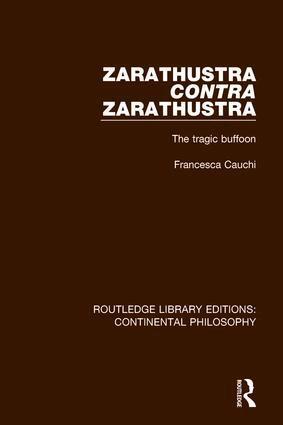
Zarathustra Contra Zarathustra
The Tragic Buffoon
Inbunden, 2017
2126 kr
Lägg i varukorg
This study, first published in 1998, makes a lively and welcome contribution to the critical analysis of Nietzsche’s seminal classic This Spoke Zarathustra. Through a close textual reading of the neglected and ill-understood part four of the text, the author seeks to show that Nietzsche’s project …
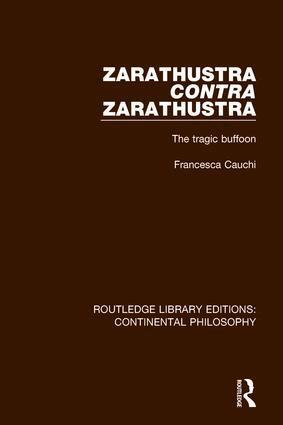
Zarathustra Contra Zarathustra
The Tragic Buffoon
Häftad, 2019
559 kr
Lägg i varukorg
This study, first published in 1998, makes a lively and welcome contribution to the critical analysis of Nietzsche’s seminal classic This Spoke Zarathustra. Through a close textual reading of the neglected and ill-understood part four of the text, the author seeks to show that Nietzsche’s project …
Zarathustra Contra Zarathustra
The Tragic Buffoon
E-bok, 2017
658 kr
Lägg i varukorg
This study, first published in 1998, makes a lively and welcome contribution to the critical analysis of Nietzsche’s seminal classic This Spoke Zarathustra . Through a close textual reading of the neglected and ill-understood part four of the text, the author seeks to show that Nietzsche’s project …
Zarathustra Contra Zarathustra
The Tragic Buffoon
E-bok, 2017
644 kr
Lägg i varukorg
This study, first published in 1998, makes a lively and welcome contribution to the critical analysis of Nietzsche’s seminal classic This Spoke Zarathustra . Through a close textual reading of the neglected and ill-understood part four of the text, the author seeks to show that Nietzsche’s project …
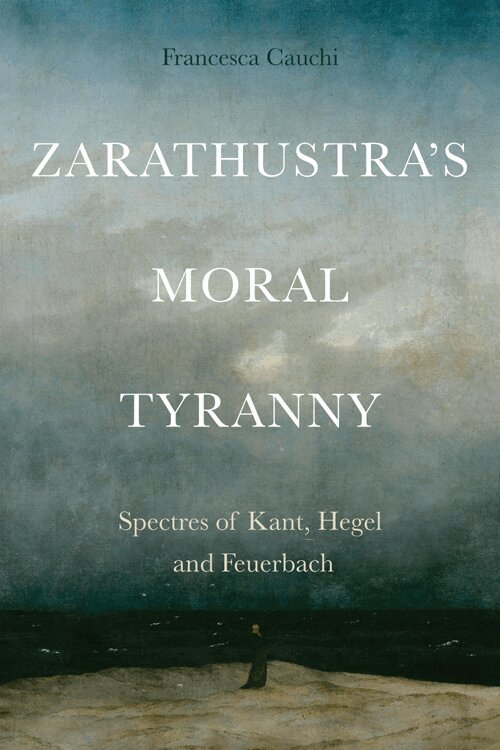
Zarathustra's Moral Tyranny
Spectres of Kant, Hegel and Feuerbach
Inbunden, 2022
1192 kr
Lägg i varukorg
Presents Nietzsche's Zarathustra as a moral tyrant whose ethics are more exacting than the Christian morals they are intended to supplantIdentifies and critiques the four key strands of Nietzsche's ethics of self-overcomingUnmasks the 'moralism' behind Nietzsche's self-professed …
Zarathustra's Moral Tyranny
Spectres of Kant, Hegel and Feuerbach
Häftad, 2024
488 kr
Lägg i varukorg
By way of a sustained interrogation of Zarathustra's doctrine of self-overcoming, Francesca Cauchi lays bare the asceticism underlying the prescriptive injunctions set forth in the first two parts of Thus Spoke Zarathustra. These injunctions fall under three heads: self-legislation, self-denial and …
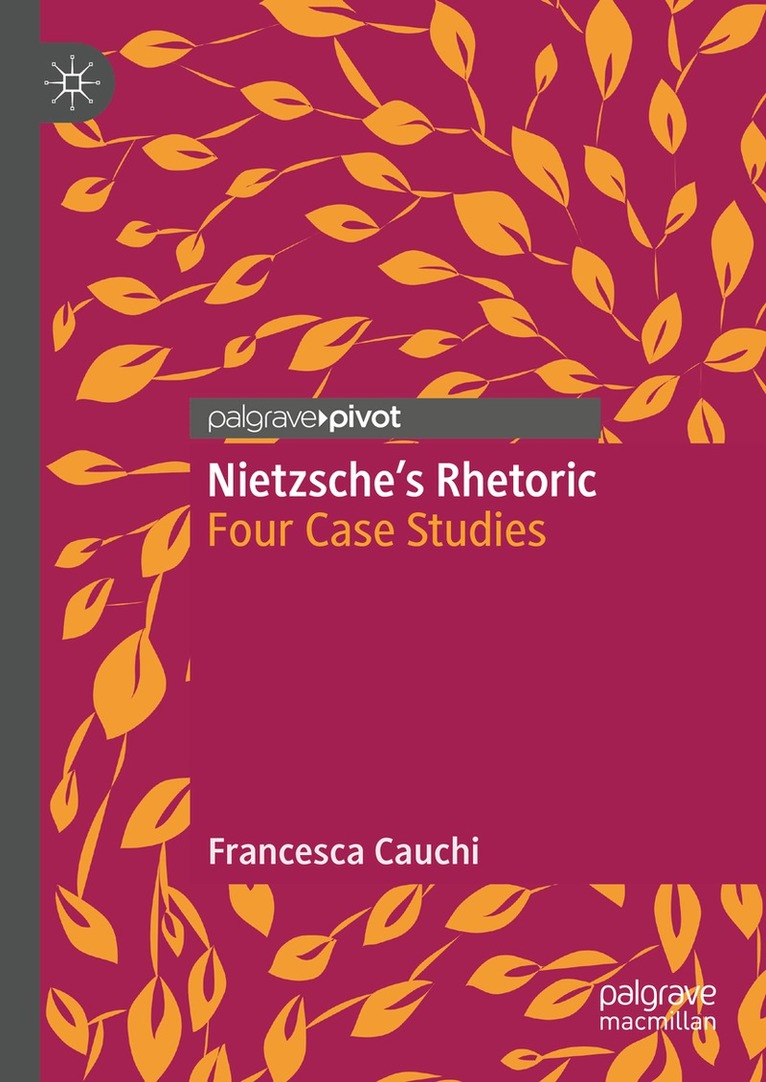
Nietzsche's Rhetoric
Four Case Studies
Inbunden, 2023
497 kr
Lägg i varukorg
This book excavates the rhetorical devices that Nietzsche habitually uses and demonstrates how they circumscribe rather than expand the reader’s interpretive horizon. Through a sustained analysis of Nietzsche’s rhetorical style, stratagems, and didactic aims in two of his early works (‘On Truth and …
Nietzsche's Rhetoric
Four Case Studies
E-bok, 2023
652 kr
Lägg i varukorg
This book excavates the rhetorical devices that Nietzsche habitually uses and demonstrates how they circumscribe rather than expand the reader’s interpretive horizon. Through a sustained analysis of Nietzsche’s rhetorical style, stratagems, and didactic aims in two of his early works (‘On Truth and …