Francesca Piana - Böcker
Visar alla böcker från författaren Francesca Piana. Handla med fri frakt och snabb leverans.
4 produkter
4 produkter
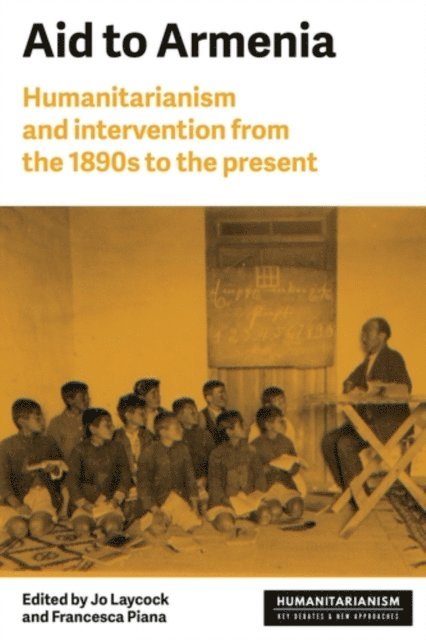
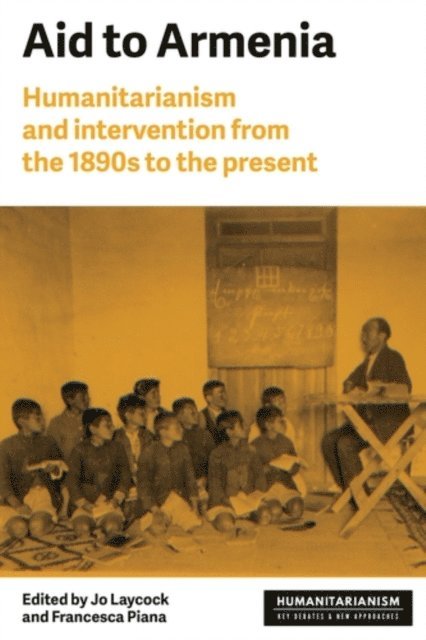
Aid to Armenia
Humanitarianism and Intervention from the 1890s to the Present
Inbunden, Engelska, 2020
1 202 kr
Skickas inom 5-8 vardagar
Interventions on behalf of Armenia and Armenians have come to be identified by scholars and practitioners alike as defining moments in the history of humanitarianism. This volume reassesses these claims, critically examining a range of interventions by governments, international and diasporic organizations, and individuals that aimed to ‘save Armenians’. Drawing on perspectives from a range of disciplines, the chapters trace the evolution of these interventions from the late-nineteenth to the present day, paying particular attention to the aftermaths of the genocide and the upheavals of the post-Soviet period. Geographically, the contributions connect diverse spaces and places – the Caucasus, Russia, the Middle East, Europe, North America, South America, and Australia – revealing shifting transnational networks of aid and intervention. These chapters are followed by reflections from leading scholars in the fields of refugee history and Armenian history, Peter Gatrell and Ronald Grigor Suny.Aid to Armenia not only offers an innovative exploration into the history of Armenia and Armenians and the history of humanitarianism, but it provides a platform for practitioners to think critically about contemporary humanitarian questions facing Armenia, the South Caucasus region and the wider Armenian diaspora.
294 kr
Skickas inom 5-8 vardagar
Interventions on behalf of Armenia and Armenians have come to be identified by scholars and practitioners alike as defining moments in the history of humanitarianism. This book reassesses these claims, critically examining a range of interventions by governments, international and diasporic organizations, and individuals that aimed to ‘save Armenians’. Drawing on multidisciplinary perspectives, it traces the evolution of these interventions from the late-nineteenth century to the present day, paying particular attention to the aftermaths of the genocide and the upheavals of the post-Soviet period. The contributions connect diverse places (the Caucasus, Russia, the Middle East, Europe, North America, South America, and Australia) to reveal shifting transnational networks of aid and intervention. Aid to Armenia explores this history, and engages critically with contemporary humanitarian questions facing Armenia, the South Caucasus region and the wider diaspora.
Labour Activism across Social Movements in the Twentieth Century
Nested internationalisms
Inbunden, Engelska, 2026
2 269 kr
Kommande
This book brings an inclusive and transnational perspective to the history of labour organisations and activism in the twentieth century. Together, the essays demonstrate how connections, interactions, and competition between different movements, networks, and organisations impacted the historical development of international, regional, and local labour activisms. Authors take up more informal—even transgressive—activist networks and repertoires, spotlight the work of once-marginalised figures, and address the “nested” nature of local, national, inter-imperial, and postcolonial spaces in and across world regions. Alongside themes such as migration policies, gender (in)equality, peace movements, and antiracist activism that have been absent from or sidelined in labour history, classic themes of transnational labour activism, such as labour rights, occupational safety, and workplace discrimination appear in a new light.Chapter 4 is available open access under a Creative Commons Attribution-NonCommercial-NoDerivatives 4.0 International License via link.springer.com.
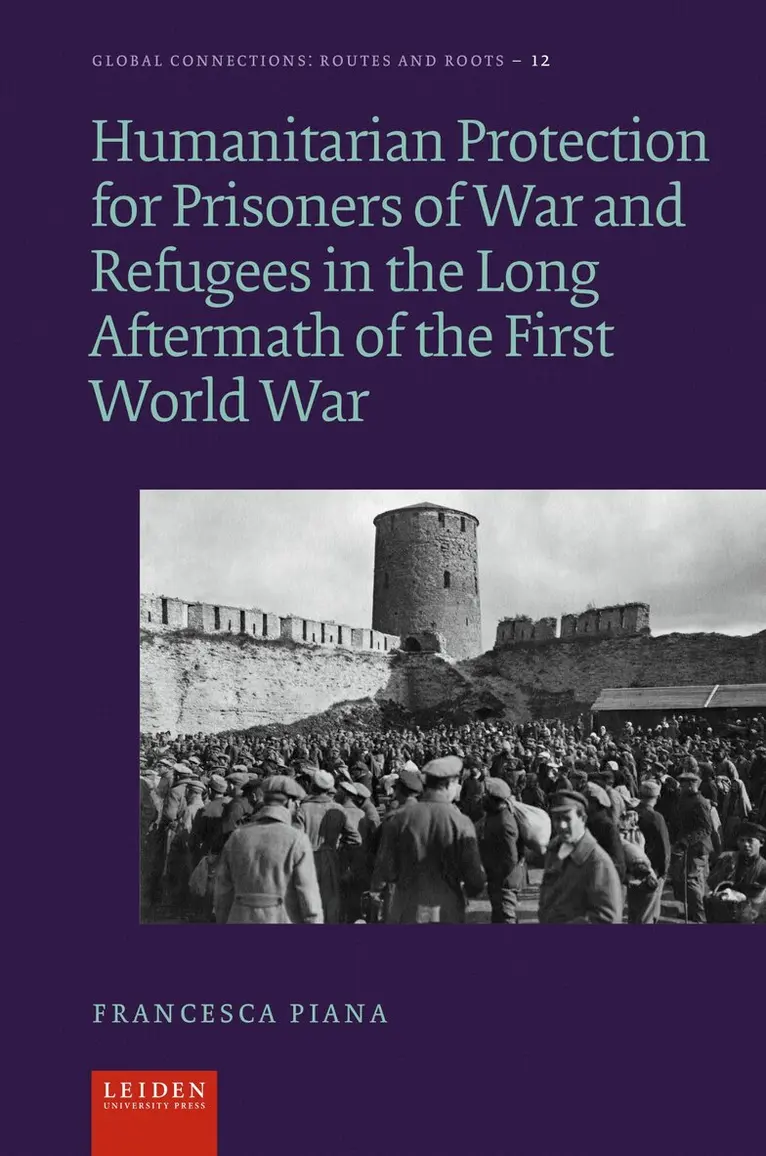
Humanitarian Protection for Prisoners of War and Refugees in the Long Aftermath of the First World War
Inbunden, Engelska, 2024
1 304 kr
Skickas inom 7-10 vardagar
At the end of WWI, millions of military and civilians were displaced across Europe, the south of the Caucasus, and the Eastern Mediterranean. While the majority made their way home, genocide, revolution, and post-war instabilities complicated the repatriation of prisoners of war from Russia and the Central Powers and pushed Russian and Armenian refugees into exile. In response, an array of international organizations intervened: three of them, the International Committee of the Red Cross, the League of Nations, and the International Labor Organization, implemented humanitarian, political, and legal measures to protect prisoners of war and refugees. This book tells a story of failures and innovations, where humanitarians interacted with the persons assisted in refugee camps, agricultural colonies, trains, and harbors, which were often situated "at the doors of Europe" in order to preserve peace at its heart. Diplomatic negotiations and mundane practices of care concurred in the emergence of a plural, discordant, and partial governance of refugee protection.