
Francesco Meo – författare
Visar alla böcker från författaren Francesco Meo. Handla med fri frakt och snabb leverans.
2 produkter
2 produkter
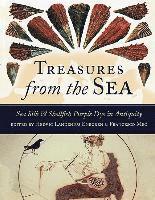
668 kr
Tillfälligt slut
This interdisciplinary volume presents a collection of 17 papers which treat the current state of research on two marine resources used in ancient textile manufacture, shellfish purple dye and sea silk. Purple dye is extracted from the glands of the molluscs Hexaplex trunculus, Bolinus Brandaris and Stramonita Haemastoma which through a chemical reaction of photosynthesis produces hues ranging from dark red to bluish purple colour. The importance of purple dye since ancient times as a status symbol, a sign of royal and religious power is well documented. Papers include the study of epigraphical and historical sources, practical experiments as well as, highlighting the presence of purple dye in the Mediterranean area in select archaeological data. Less well known is sea silk, a precious fibre derived from the tufts of the pen shell, Pinna nobilis, with which the mollusc anchors itself to the seabed. These tufts once cleaned and bleached take the aspect of golden thread. Only a handful of artisans on Sardinia still have the knowledge of how to work these fibres from the pen shell, a species protected by the EU Habitats Directive, the knowledge having been transmitted orally for generations. Papers include linguistic issues pertaining to terminology, archaeological investigation, the study of the physical and chemical properties of sea silk and the step-by-step practical working of sea silk fibres. The comprehensive multifaceted overview makes this book a valuable resource for anyone interested in ancient textiles, dyes and textile technology.
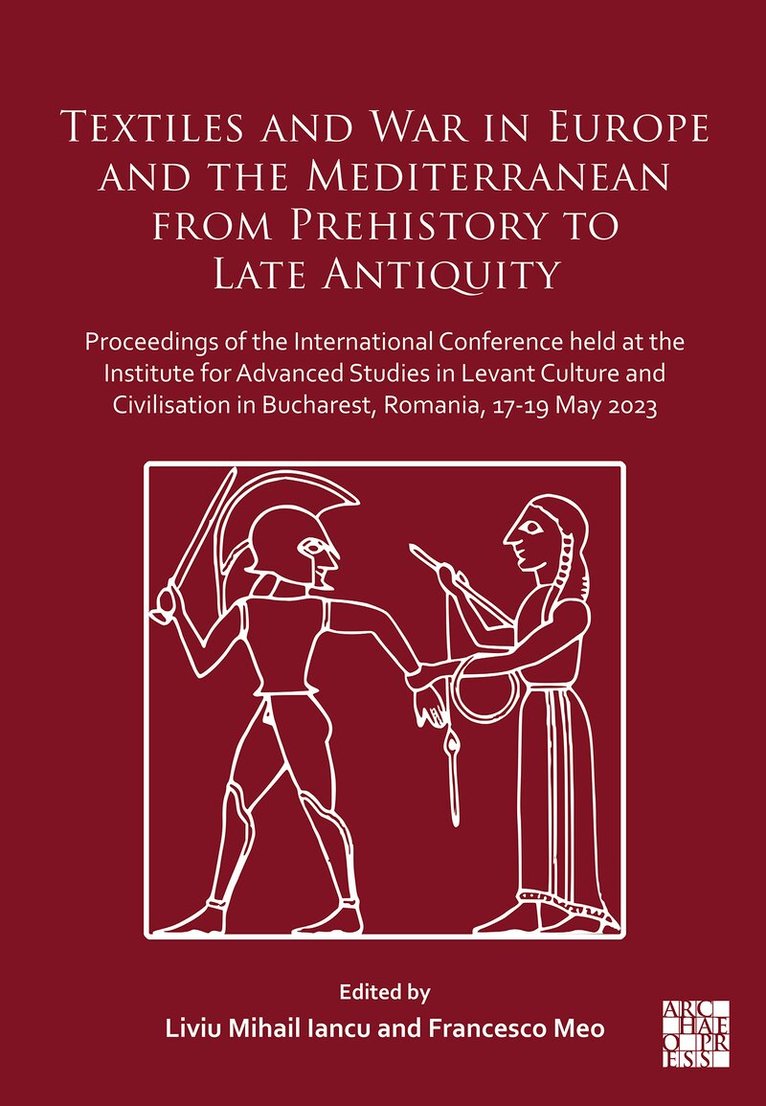
825 kr
Skickas
This volume primarily consists of a collection of papers presented at the conference ‘Textiles and War in Europe and the Mediterranean from Prehistory to Late Antiquity’, held in Bucharest in May 2023. Its main goal is to explore the opportunity to establish a new and well-defined direction of academic investigation: the autonomously conceived research of the textile items used or manipulated by prehistoric and ancient armed groups.The book revolves around two central issues. The first is outlining the main sources and methodologies with the potential to provide noteworthy results, starting by sketching a map of the current state of the research in the field. The second is topical and deals with highlighting a few relevant themes that could be tackled, such as particular studies on specific textile items used in the military field, the systems of production and acquisition of garments and other textile materials for the armies, the expression of military rank and status through textile items, the economic and cultural effects of military campaigns in the field of textiles acquisition and consumption.The 13 papers operate with a wide array of archaeological, iconographic and written sources to examine various aspects of the use of textiles and leather by armed individuals and armies in diverse regions of the prehistoric and ancient world, from western Iberia to northern Mesopotamia and from the bogs of northwestern Europe and the rugged mountains of the Balkan peninsula to the Arabian desert, preserving however as focal points Greece, Rome and the Italian peninsula.