Francio Guadeloupe - Böcker
Visar alla böcker från författaren Francio Guadeloupe. Handla med fri frakt och snabb leverans.
7 produkter
7 produkter
Del 4 - Anthropology of Christianity
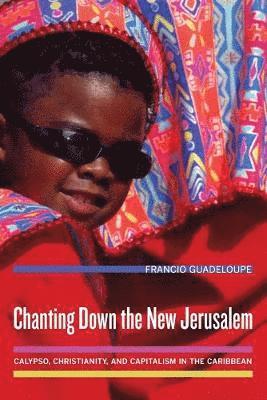
Chanting Down the New Jerusalem
Calypso, Christianity, and Capitalism in the Caribbean
Häftad, Engelska, 2008
282 kr
Skickas inom 7-10 vardagar
In this brilliantly evocative ethnography, Francio Guadeloupe probes the ethos and attitude created by radio disc jockeys on the binational Caribbean island of Saint Martin/Sint Maarten. Examining the intersection of Christianity, calypso, and capitalism, Guadeloupe shows how a multiethnic and multireligious island nation, where livelihoods depend on tourism, has managed to encourage all social classes to transcend their ethnic and religious differences. In his pathbreaking analysis, Guadeloupe credits the island DJs, whose formulations of Christian faith, musical creativity, and capitalist survival express ordinary people's hopes and fears and promote tolerance.
1 231 kr
Skickas inom 7-10 vardagar
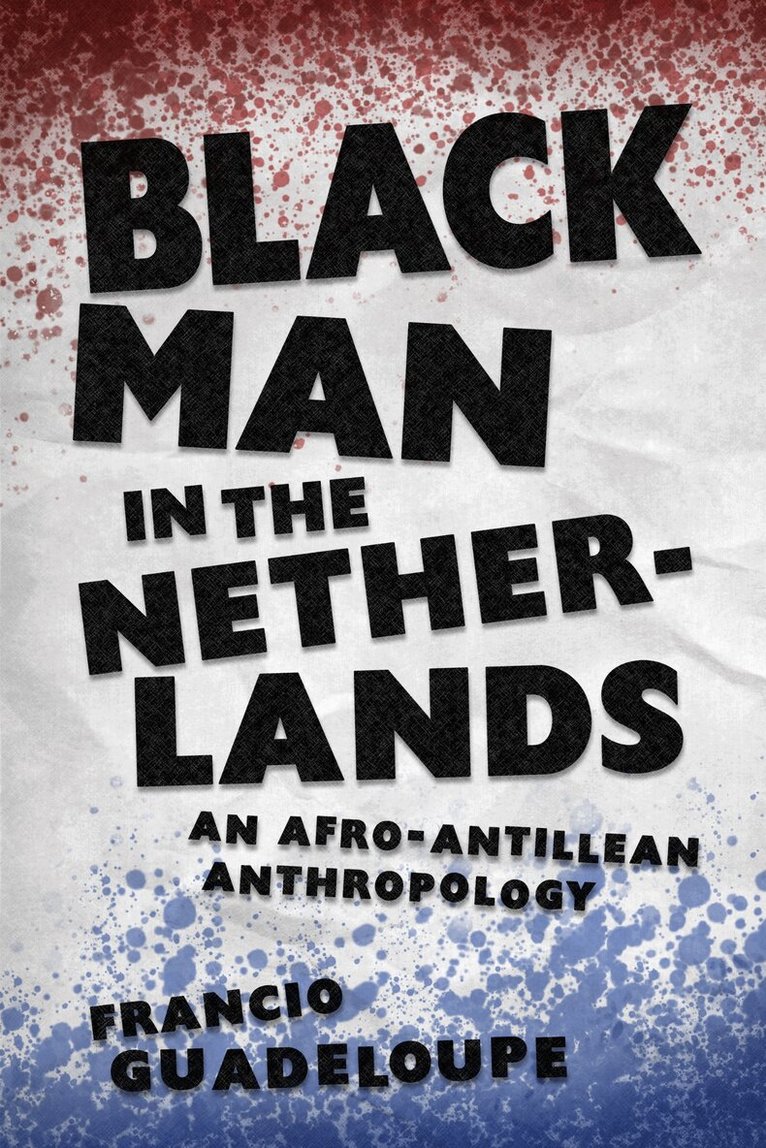
Francio Guadeloupe has lived in both the Dutch Antilles and the Netherlands. An anthropologist by vocation, he is a keen observer by honed habit. In his new book, he wields both personal and anthropological observations. Simultaneously memoir and astute exploration, Black Man in the Netherlands charts Guadeloupe’s coming of age and adulthood in a Dutch world and movingly makes a global contribution to the understanding of anti-Black racism. Guadeloupe identifies the intersections among urban popular culture, racism, and multiculturalism in youth culture in the Netherlands and the wider Dutch Kingdom. He probes the degrees to which traditional ethnic division collapses before a rising Dutch polyethnicity. What comes to light, given the ethnic multiplicity that Afro-Antilleans live, is their extraordinarily successful work in forging an anti-racist Dutch identity via urban popular culture. This alternative way of being Dutch welcomes the Black experience as global and increasingly local Black artists find fame and even idolization. Black Man in the Netherlands is a vivid extension of renowned critical race studies by such Marxist theorists as Achille Mbembe, Paul Gilroy, Stuart Hall, and C. L. R. James, and it bears a palpable connection to such Black Atlantic artists as Peter Tosh, Juan Luis Guerra, and KRS-One. Guadeloupe explores the complexities of Black life in the Netherlands and shows that within their means, Afro-Antilleans often effectively contest Dutch racism in civic and work life.
383 kr
Skickas inom 7-10 vardagar
Francio Guadeloupe has lived in both the Dutch Antilles and the Netherlands. An anthropologist by vocation, he is a keen observer by honed habit. In his new book, he wields both personal and anthropological observations. Simultaneously memoir and astute exploration, Black Man in the Netherlands charts Guadeloupe’s coming of age and adulthood in a Dutch world and movingly makes a global contribution to the understanding of anti-Black racism. Guadeloupe identifies the intersections among urban popular culture, racism, and multiculturalism in youth culture in the Netherlands and the wider Dutch Kingdom. He probes the degrees to which traditional ethnic division collapses before a rising Dutch polyethnicity. What comes to light, given the ethnic multiplicity that Afro-Antilleans live, is their extraordinarily successful work in forging an anti-racist Dutch identity via urban popular culture. This alternative way of being Dutch welcomes the Black experience as global and increasingly local Black artists find fame and even idolization. Black Man in the Netherlands is a vivid extension of renowned critical race studies by such Marxist theorists as Achille Mbembe, Paul Gilroy, Stuart Hall, and C. L. R. James, and it bears a palpable connection to such Black Atlantic artists as Peter Tosh, Juan Luis Guerra, and KRS-One. Guadeloupe explores the complexities of Black life in the Netherlands and shows that within their means, Afro-Antilleans often effectively contest Dutch racism in civic and work life.
398 kr
Skickas inom 7-10 vardagar
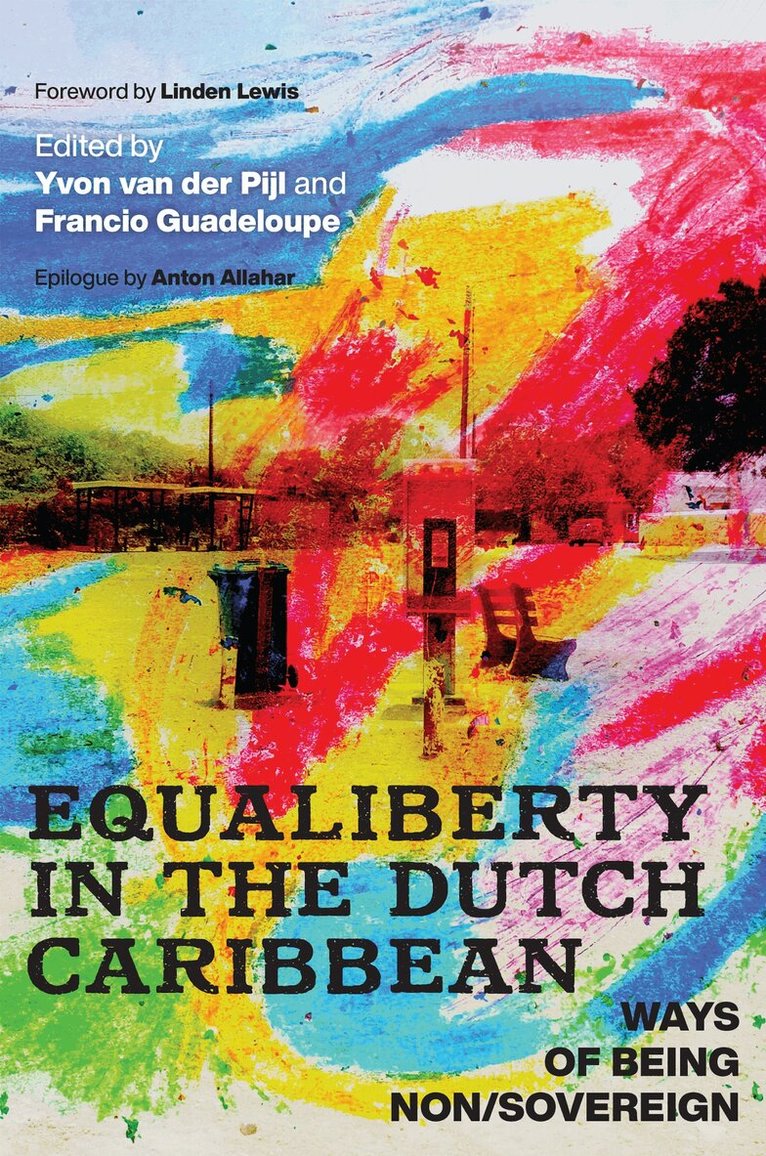
Equaliberty in the Dutch Caribbean is a collection of essays that explores fundamental questions of equality and freedom on the non-sovereign islands of the Dutch Caribbean. Drawing on in-depth ethnographic research, historical and media analysis, the study of popular culture, and autoethnographic accounts, the various contributions challenge conventional assumptions about political non/sovereignty. While the book recognizes the existence of nationalist independence movements, it opens a critical space to look at other forms of political articulation, autonomy, liberty, and a good life. Focusing on all six different islands and through a multitude of voices and stories, the volume engages with the everyday projects, ordinary imaginaries, and dreams of equaliberty alongside the work of independistas and traditional social movements aiming for more or full self-determination. As such, it offers a rich and powerful telling of the various ways of being in and belonging to our contemporary postcolonial world.
1 626 kr
Skickas inom 7-10 vardagar
Equaliberty in the Dutch Caribbean is a collection of essays that explores fundamental questions of equality and freedom on the non-sovereign islands of the Dutch Caribbean. Drawing on in-depth ethnographic research, historical and media analysis, the study of popular culture, and autoethnographic accounts, the various contributions challenge conventional assumptions about political non/sovereignty. While the book recognizes the existence of nationalist independence movements, it opens a critical space to look at other forms of political articulation, autonomy, liberty, and a good life. Focusing on all six different islands and through a multitude of voices and stories, the volume engages with the everyday projects, ordinary imaginaries, and dreams of equaliberty alongside the work of independistas and traditional social movements aiming for more or full self-determination. As such, it offers a rich and powerful telling of the various ways of being in and belonging to our contemporary postcolonial world.
Caribbean Cultural Heritage and the Nation
Aruba, Bonaire and Curaçao in a Regional Context
Inbunden, Engelska, 2023
1 437 kr
Skickas inom 7-10 vardagar
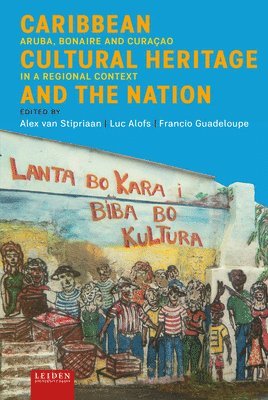
Centuries of intense and involuntary migrations deeply impacted the development of the creolised cultures on the Dutch Caribbean islands of Aruba, Bonaire, and Curaçao. This volume describes various forms of cultural heritage produced on these islands over time and whether these heritages are part of their ‘national’ identifications. What forms of heritage express the idea of a shared “we” (nation-building), and what images are presented to the outside world (nation-branding)? What cultural heritage is shared between the islands, and what are some real or perceived differences? In this book, examples of cultural heritage ranging from sports to questions of reparations, museums to digital humanities, archaeology to music, language and literature to tourism, and visual art to diaspora policies are compared to developments elsewhere in the Caribbean.
Caribbean Cultural Heritage and the Nation
Aruba, Bonaire and Curaçao in a Regional Context
Häftad, Engelska, 2023
574 kr
Skickas inom 7-10 vardagar
Centuries of intense and involuntary migrations deeply impacted the development of the creolised cultures on the Dutch Caribbean islands of Aruba, Bonaire, and Curaçao. This volume describes various forms of cultural heritage produced on these islands over time and whether these heritages are part of their 'national' identifications. What forms of heritage express the idea of a shared "we" (nation-building) and what images are presented to the outside world (nation-branding)? What cultural heritage is shared between the islands and what are some real or perceived differences? In this book, examples of cultural heritage on these three islands ranging from sports to questions of reparations, from museums to digital humanities, from archaeology to music, from language and literature to tourism, and from visual art to diaspora policies are compared to developments elsewhere in the Caribbean.