Francis L.F. Lee – författare
Visar alla böcker från författaren Francis L.F. Lee. Handla med fri frakt och snabb leverans.
16 produkter
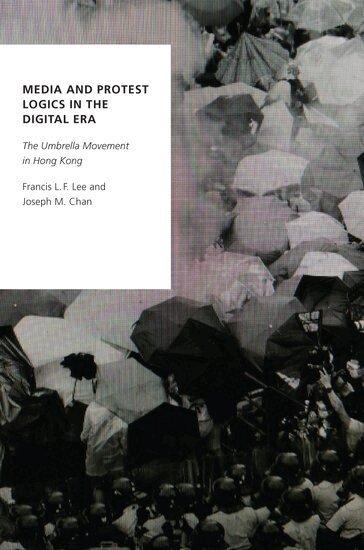
Media and Protest Logics in the Digital Era
The Umbrella Movement in Hong Kong
Av Francis L.F. Lee, Joseph M. Chan
Inbunden, 2018
2092 kr
Lägg i varukorg
Digital and social media are increasingly integrated into the dynamics of protest movements around the world. They strengthen the mobilization power of movements, extend movement networks, facilitate new modes of protest participation, and give rise to new protest formations. Meanwhile, …
Media and Protest Logics in the Digital Era
The Umbrella Movement in Hong Kong
Av Francis L.F. Lee, Joseph M. Chan
Häftad, 2018
636 kr
Lägg i varukorg
Digital and social media are increasingly integrated into the dynamics of protest movements around the world. They strengthen the mobilization power of movements, extend movement networks, facilitate new modes of protest participation, and give rise to new protest formations. Meanwhile, …
Media and Protest Logics in the Digital Era
The Umbrella Movement in Hong Kong
Av Joseph M. Chan, Francis L.F. Lee
E-bok, 2018
440 kr
Lägg i varukorg
Digital and social media are increasingly integrated into the dynamics of protest movements around the world. They strengthen the mobilization power of movements, extend movement networks, facilitate new modes of protest participation, and give rise to new protest formations. Meanwhile, …
Media and Protest Logics in the Digital Era
The Umbrella Movement in Hong Kong
Av Joseph M. Chan, Francis L.F. Lee
E-bok, 2018
440 kr
Lägg i varukorg
Digital and social media are increasingly integrated into the dynamics of protest movements around the world. They strengthen the mobilization power of movements, extend movement networks, facilitate new modes of protest participation, and give rise to new protest formations. Meanwhile, …
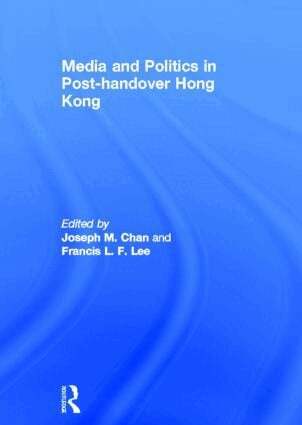
Media and Politics in Post-Handover Hong Kong
Av Joseph M. Chan, Francis L.F. Lee
Inbunden, 2007
2512 kr
Lägg i varukorg
The world was watching Hong Kong as its sovereignty was returned to China in 1997. Many predicted that it was the doomsday of press freedom in the city. Now, a decade after the handover, this book provides an up-to-date review of the dynamic relationship between media and political power in the …
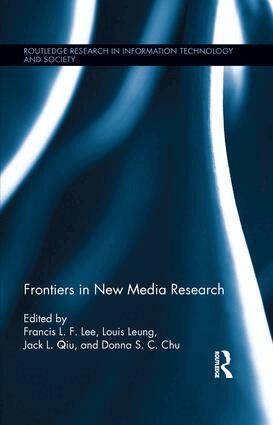
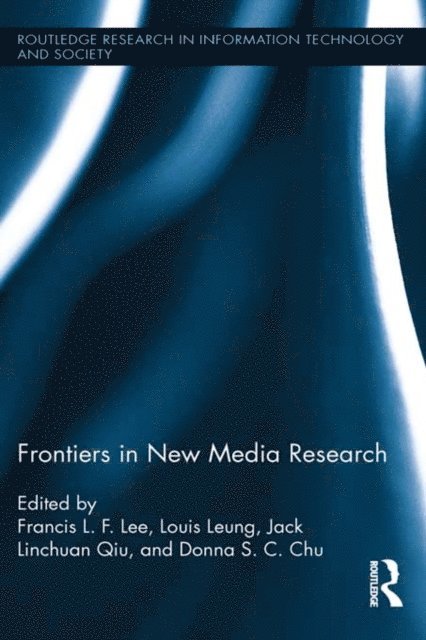
Frontiers in New Media Research
Av Francis L.F. Lee, Louis Leung m. fl.
Inbunden, 2012
2512 kr
Lägg i varukorg
This volume puts together the works of a group of distinguished scholars and active researchers in the field of media and communication studies to reflect upon the past, present, and future of new media research. The chapters examine the implications of new media technologies on everyday life, …
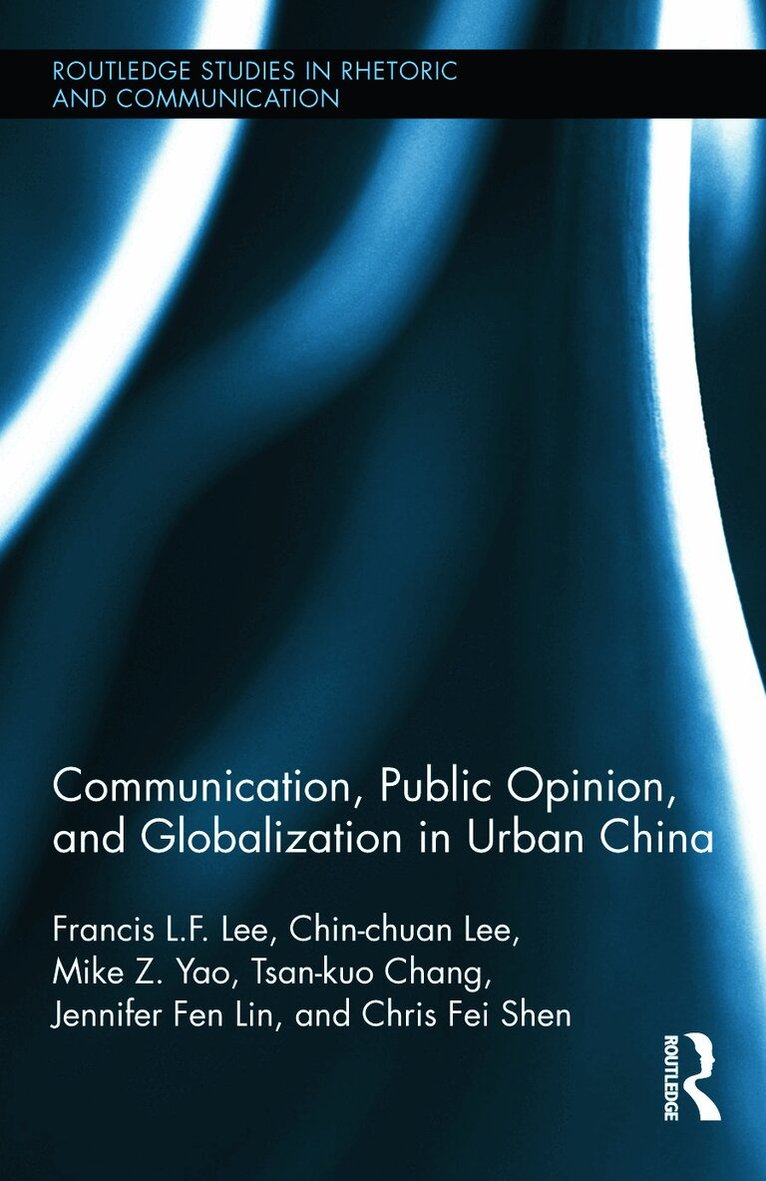
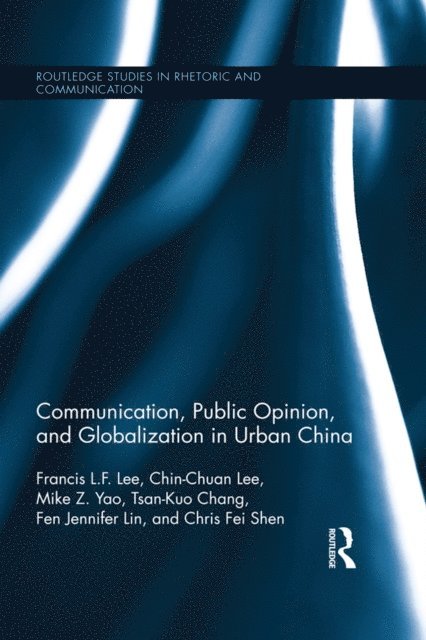
Communication, Public Opinion, and Globalization in Urban China
Av Francis L.F. Lee, Chin-Chuan Lee m. fl.
Inbunden, 2013
1517 kr
Lägg i varukorg
As China is increasingly integrated into the processes of economic, political, social, and cultural globalization, important questions arise about how Chinese people perceive and evaluate such processes. At the same time, international communication scholars have long been interested in how local, …
Communication, Public Opinion, and Globalization in Urban China
Av Chris Fei Shen, Fen Jennifer Lin m. fl.
E-bok, 2013
624 kr
Lägg i varukorg
As China is increasingly integrated into the processes of economic, political, social, and cultural globalization, important questions arise about how Chinese people perceive and evaluate such processes. At the same time, international communication scholars have long been interested in how local, …
Communication, Public Opinion, and Globalization in Urban China
Av Chris Fei Shen, Fen Jennifer Lin m. fl.
E-bok, 2013
624 kr
Lägg i varukorg
As China is increasingly integrated into the processes of economic, political, social, and cultural globalization, important questions arise about how Chinese people perceive and evaluate such processes. At the same time, international communication scholars have long been interested in how local, …
Frontiers in New Media Research
Av Donna S.C. Chu, Jack Linchuan Qiu m. fl.
E-bok, 2013
1004 kr
Lägg i varukorg
This volume puts together the works of a group of distinguished scholars and active researchers in the field of media and communication studies to reflect upon the past, present, and future of new media research. The chapters examine the implications of new media technologies on everyday life, …
Frontiers in New Media Research
Av Donna S.C. Chu, Jack Linchuan Qiu m. fl.
E-bok, 2013
1004 kr
Lägg i varukorg
This volume puts together the works of a group of distinguished scholars and active researchers in the field of media and communication studies to reflect upon the past, present, and future of new media research. The chapters examine the implications of new media technologies on everyday life, …
Frontiers in New Media Research
Av Francis L.F. Lee, Louis Leung m. fl.
Häftad, 2018
851 kr
Lägg i varukorg
This volume puts together the works of a group of distinguished scholars and active researchers in the field of media and communication studies to reflect upon the past, present, and future of new media research. The chapters examine the implications of new media technologies on everyday life, …
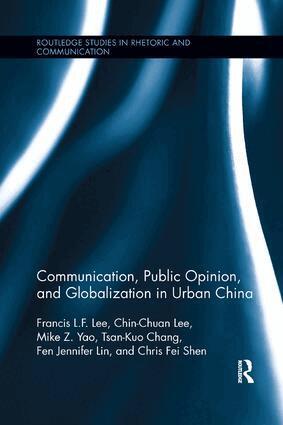
Communication, Public Opinion, and Globalization in Urban China
Av Francis L.F. Lee, Chin-Chuan Lee m. fl.
Häftad, 2017
531 kr
Lägg i varukorg
As China is increasingly integrated into the processes of economic, political, social, and cultural globalization, important questions arise about how Chinese people perceive and evaluate such processes. At the same time, international communication scholars have long been interested in how local, …
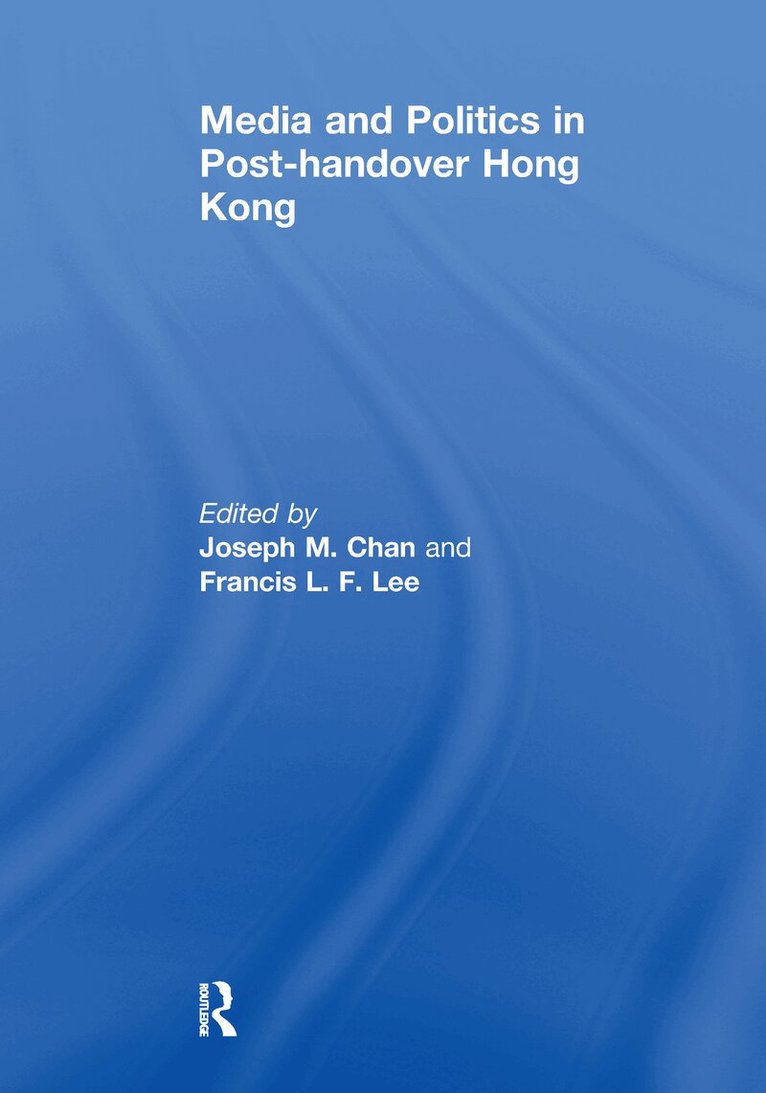
Media and Politics in Post-Handover Hong Kong
Av Joseph M. Chan, Francis L.F. Lee
Häftad, 2016
750 kr
Lägg i varukorg
The world was watching Hong Kong as its sovereignty was returned to China in 1997. Many predicted that it was the doomsday of press freedom in the city. Now, a decade after the handover, this book provides an up-to-date review of the dynamic relationship between media and political power in the …
Media and Politics in Post-Handover Hong Kong
Av Francis L.F. Lee, Joseph M. Chan
E-bok, 2013
883 kr
Lägg i varukorg
The world was watching Hong Kong as its sovereignty was returned to China in 1997. Many predicted that it was the doomsday of press freedom in the city. Now, a decade after the handover, this book provides an up-to-date review of the dynamic relationship between media and political power in the …
Media and Politics in Post-Handover Hong Kong
Av Francis L.F. Lee, Joseph M. Chan
E-bok, 2013
883 kr
Lägg i varukorg
The world was watching Hong Kong as its sovereignty was returned to China in 1997. Many predicted that it was the doomsday of press freedom in the city. Now, a decade after the handover, this book provides an up-to-date review of the dynamic relationship between media and political power in the …