Francois Quiviger – författare
Visar alla böcker från författaren Francois Quiviger. Handla med fri frakt och snabb leverans.
4 produkter
Pictorial Composition from Medieval to Modern Art
Av Paul Taylor, Francois Quiviger
Häftad, 2001
519 kr
Lägg i varukorg
Images of the Pagan Gods
Papers of a Conference in Memory of Jean Seznec
Av Rembrandt Duits, Francois Quiviger
Inbunden, 2010
1415 kr
Lägg i varukorg
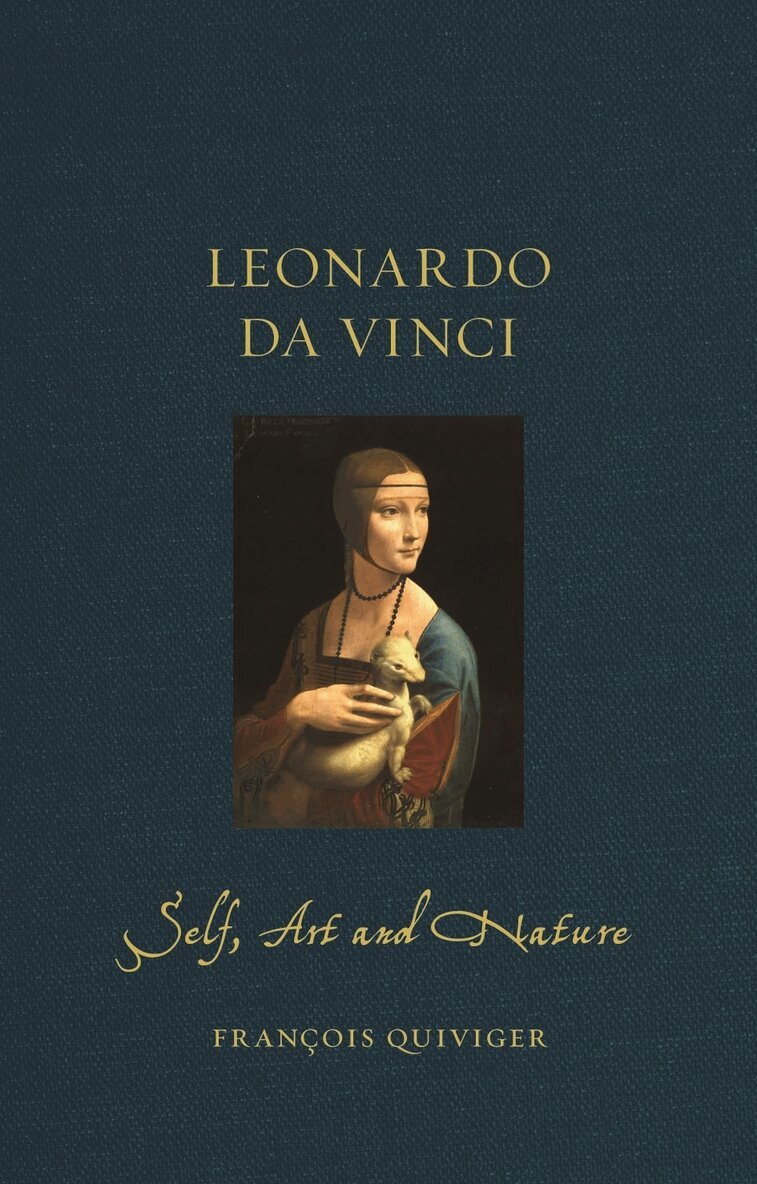
Leonardo da Vinci
Self, Art and Nature
Inbunden, 2019
237 kr
Lägg i varukorg
This incisive and illuminating biography follows the three themes which shaped the life of Leonardo da Vinci and for ever changed Western art and imagination: nature, art and self-fashioning.Nature and art helped form Leonardo. He spent his first twelve years in the Tuscan countryside before …
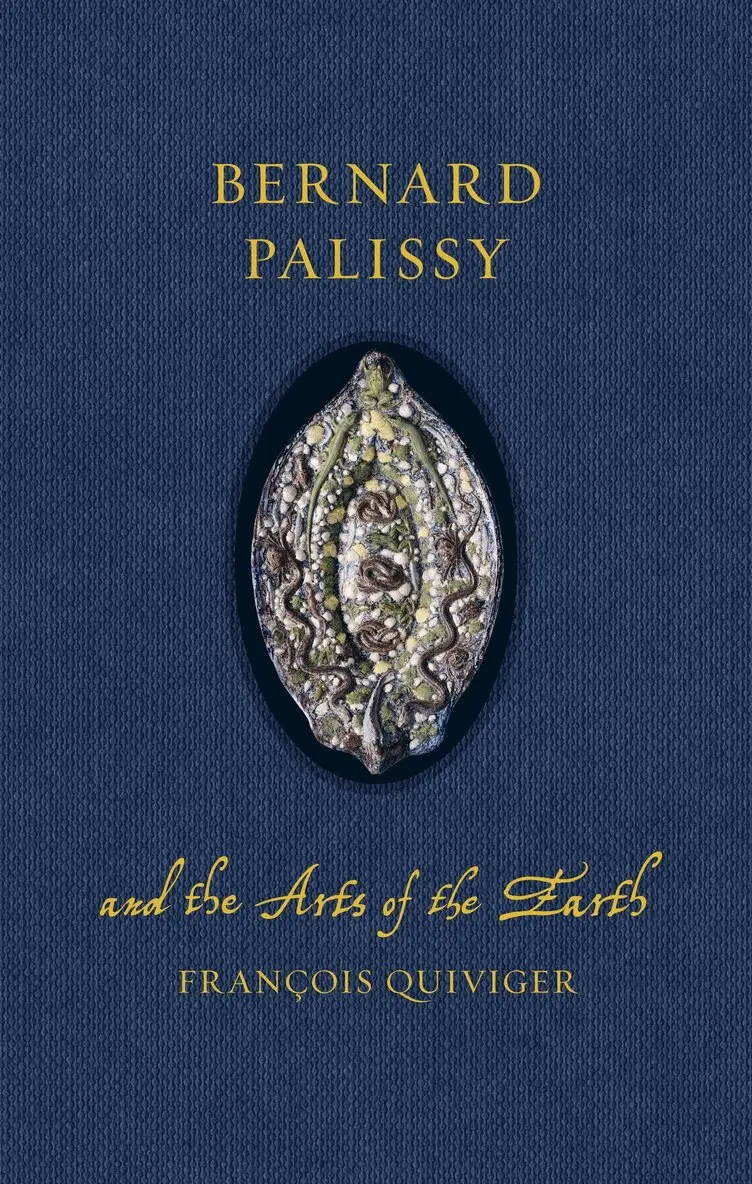
Bernard Palissy and the Arts of the Earth
Inbunden, 2025
209 kr
Lägg i varukorg
Bernard Palissy, a French Renaissance artisan philosopher, saw intelligence and consciousness across all forms of life – soils, plants, animals – rejecting human superiority long before modern environmentalism. Known for crafting ceramic ware, fountains and grottos for royal patrons, Palissy used …