Rembrandt Duits - Böcker
Visar alla böcker från författaren Rembrandt Duits. Handla med fri frakt och snabb leverans.
7 produkter
7 produkter
Del 14 - Warburg Institute Colloquia
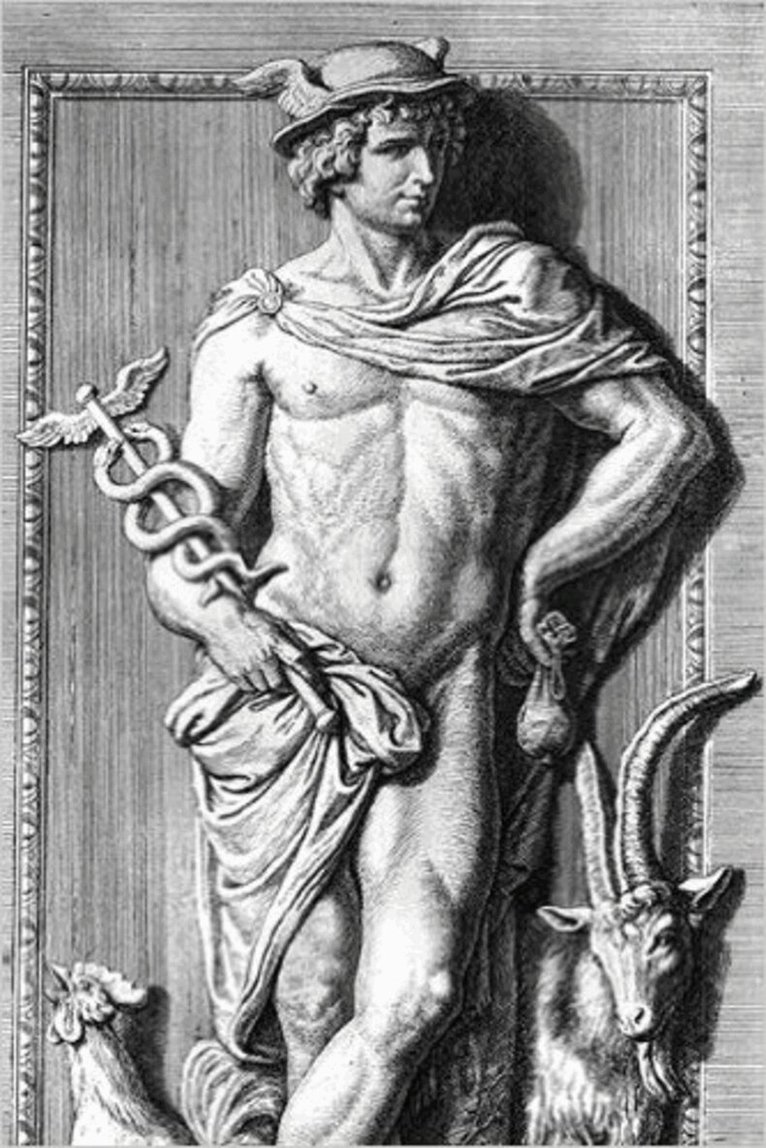
Images of the Pagan Gods
Papers of a Conference in Memory of Jean Seznec
Inbunden, Engelska, 2010
1 346 kr
Skickas inom 5-8 vardagar
789 kr
Skickas inom 10-15 vardagar
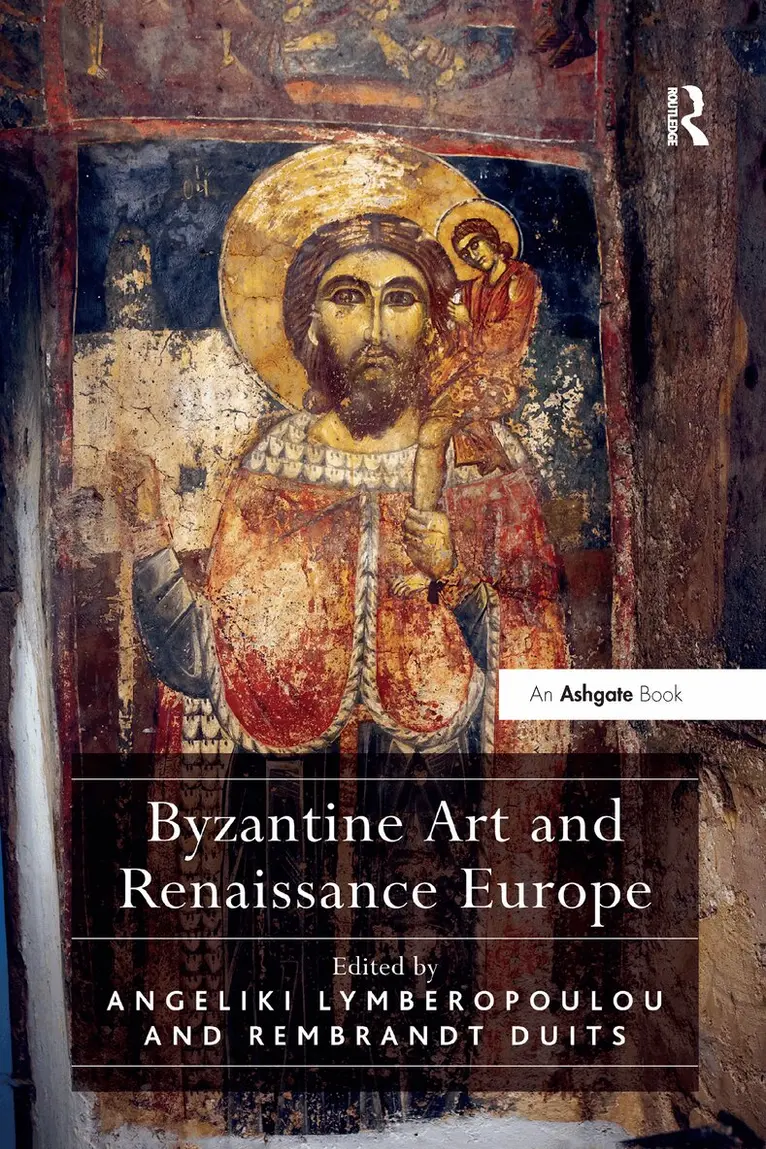
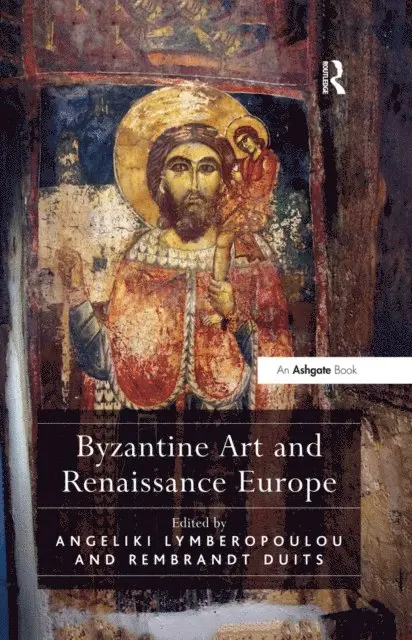
Byzantine Art and Renaissance Europe discusses the cultural and artistic interaction between the Byzantine east and western Europe, from the sack of Constantinople by the Fourth Crusade in 1204 to the flourishing of post-Byzantine artistic workshops on Venetian Crete during the fifteenth and sixteenth centuries and the formation of icon collections in Renaissance Italy. The contributors examine the routes by which artistic interaction may have taken place, and explore the reception of Byzantine art in western Europe, analysing why artists and patrons were interested in ideas from the other side of the cultural and religious divide. In the first chapter, Lyn Rodley outlines the development of Byzantine art in the Palaiologan era and its relations with western culture. Hans Bloemsma then re-assesses the influence of Byzantine art on early Italian painting from the point of view of changing demands regarding religious images in Italy. In the first of two chapters on Venetian Crete, Angeliki Lymberopoulou evaluates the impact of the Venetian presence on the production of fresco decorations in regional Byzantine churches on the island. The next chapter, by Diana Newall, continues the exploration of Cretan art manufactured under the Venetians, shifting the focus to the bi-cultural society of the Cretan capital Candia and the rise of the post-Byzantine icon. Kim Woods then addresses the reception of Byzantine icons in western Europe in the late Middle Ages and their role as devotional objects in the Roman Catholic Church. Finally, Rembrandt Duits examines the status of Byzantine icons as collectors’ items in early Renaissance Italy. The inventories of the Medici family and other collectors reveal an appreciation for icons among Italian patrons, which suggests that received notions of Renaissance tastes may be in need of revision. The book thus offers new perspectives and insights and re-positions late and post-Byzantine art in a broader European cultural context.
Art of the Poor
The Aesthetic Material Culture of the Lower Classes in Europe 1300-1600
Häftad, Engelska, 2022
447 kr
Skickas inom 10-15 vardagar
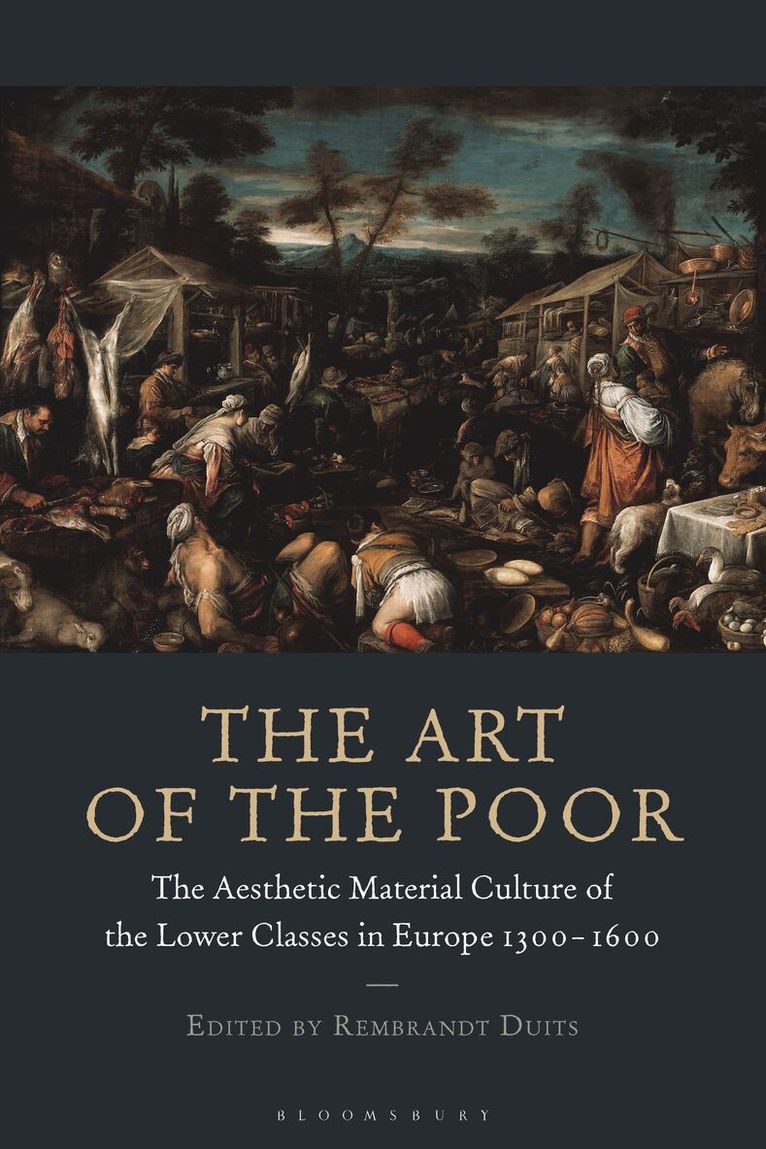
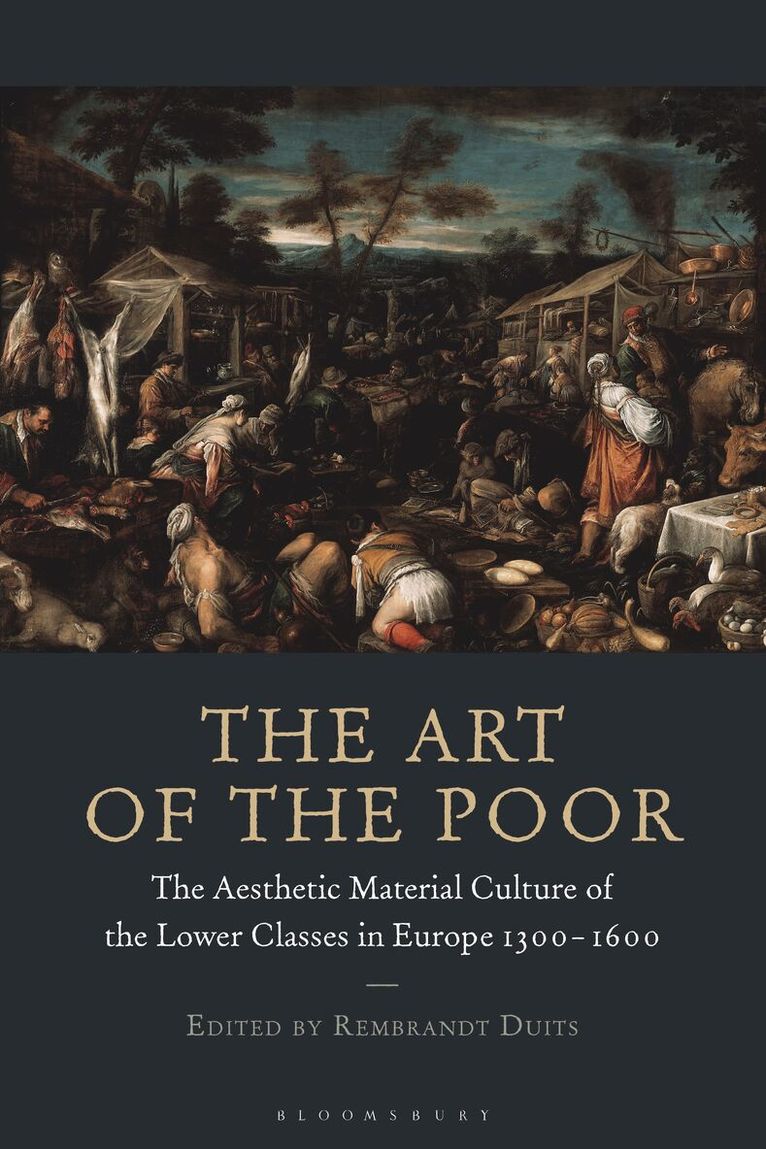
The history of art in the late Middle Ages and the Renaissance has generally been written as a story of elites: bankers, noblemen, kings, cardinals, and popes and their artistic interests and commissions. Recent decades have seen attempts to recast the story in terms of material culture, but the focus seems to remain on the upper strata of society. In his inclusive analysis of art from 1300 to 1600, Rembrandt Duits rectifies this.Bringing together thought-provoking ideas from art historians, historians, anthropologists and museum curators, The Art of the Poor examines the role of art in the lower social classes of Europe and explores how this influences our understanding of medieval and early modern society. Introducing new themes and raising innovative research questions through a series of thematically grouped short case studies, this book gives impetus to a new field on the cusp of art history, social history, urban archaeology, and historical anthropology. In doing so, this important study helps us re-assess the very concept of ‘art’ and its function in society.
2 219 kr
Skickas inom 7-10 vardagar
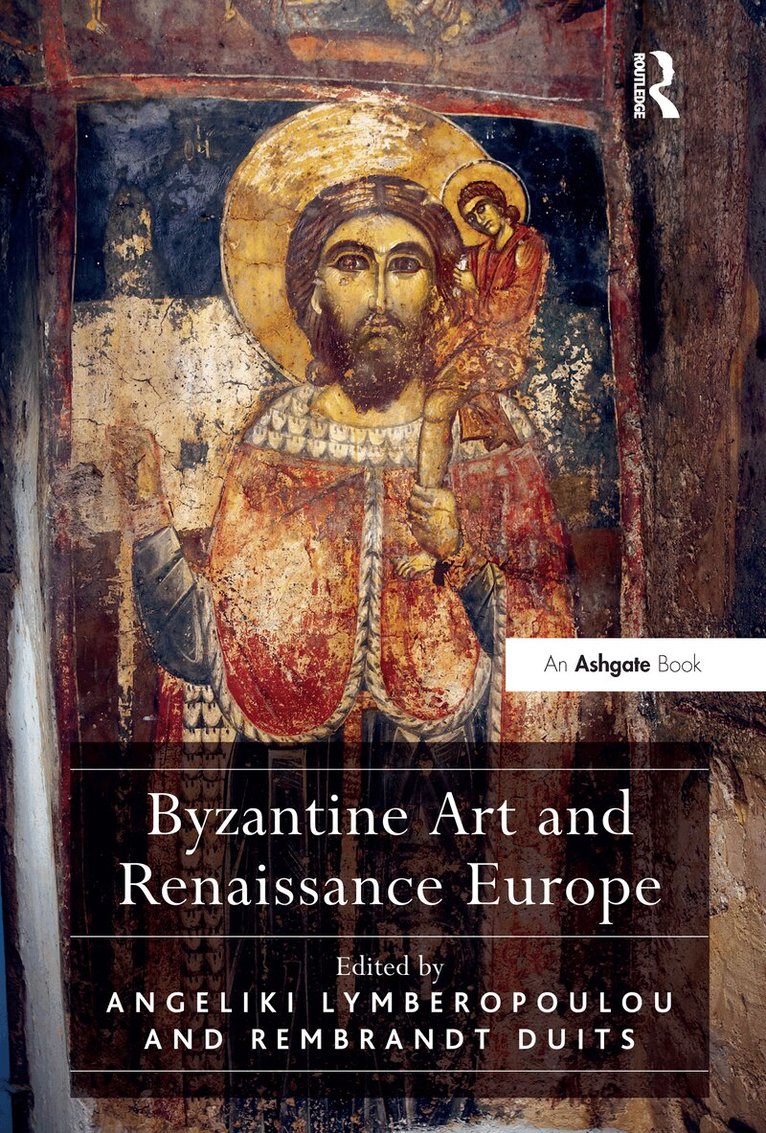
Byzantine Art and Renaissance Europe discusses the cultural and artistic interaction between the Byzantine east and western Europe, from the sack of Constantinople by the Fourth Crusade in 1204 to the flourishing of post-Byzantine artistic workshops on Venetian Crete during the fifteenth and sixteenth centuries and the formation of icon collections in Renaissance Italy. The contributors examine the routes by which artistic interaction may have taken place, and explore the reception of Byzantine art in western Europe, analysing why artists and patrons were interested in ideas from the other side of the cultural and religious divide. In the first chapter, Lyn Rodley outlines the development of Byzantine art in the Palaiologan era and its relations with western culture. Hans Bloemsma then re-assesses the influence of Byzantine art on early Italian painting from the point of view of changing demands regarding religious images in Italy. In the first of two chapters on Venetian Crete, Angeliki Lymberopoulou evaluates the impact of the Venetian presence on the production of fresco decorations in regional Byzantine churches on the island. The next chapter, by Diana Newall, continues the exploration of Cretan art manufactured under the Venetians, shifting the focus to the bi-cultural society of the Cretan capital Candia and the rise of the post-Byzantine icon. Kim Woods then addresses the reception of Byzantine icons in western Europe in the late Middle Ages and their role as devotional objects in the Roman Catholic Church. Finally, Rembrandt Duits examines the status of Byzantine icons as collectors’ items in early Renaissance Italy. The inventories of the Medici family and other collectors reveal an appreciation for icons among Italian patrons, which suggests that received notions of Renaissance tastes may be in need of revision. The book thus offers new perspectives and insights and re-positions late and post-Byzantine art in a broader European cultural context.
Art of the Poor
The Aesthetic Material Culture of the Lower Classes in Europe 1300-1600
Inbunden, Engelska, 2020
1 520 kr
Skickas inom 10-15 vardagar
The history of art in the late Middle Ages and the Renaissance has generally been written as a story of elites: bankers, noblemen, kings, cardinals, and popes and their artistic interests and commissions. Recent decades have seen attempts to recast the story in terms of material culture, but the focus seems to remain on the upper strata of society. In his inclusive analysis of art from 1300 to 1600, Rembrandt Duits rectifies this.Bringing together thought-provoking ideas from art historians, historians, anthropologists and museum curators, The Art of the Poor examines the role of art in the lower social classes of Europe and explores how this influences our understanding of medieval and early modern society. Introducing new themes and raising innovative research questions through a series of thematically grouped short case studies, this book gives impetus to a new field on the cusp of art history, social history, urban archaeology, and historical anthropology. In doing so, this important study helps us re-assess the very concept of ‘art’ and its function in society.
2 677 kr
Skickas inom 5-8 vardagar
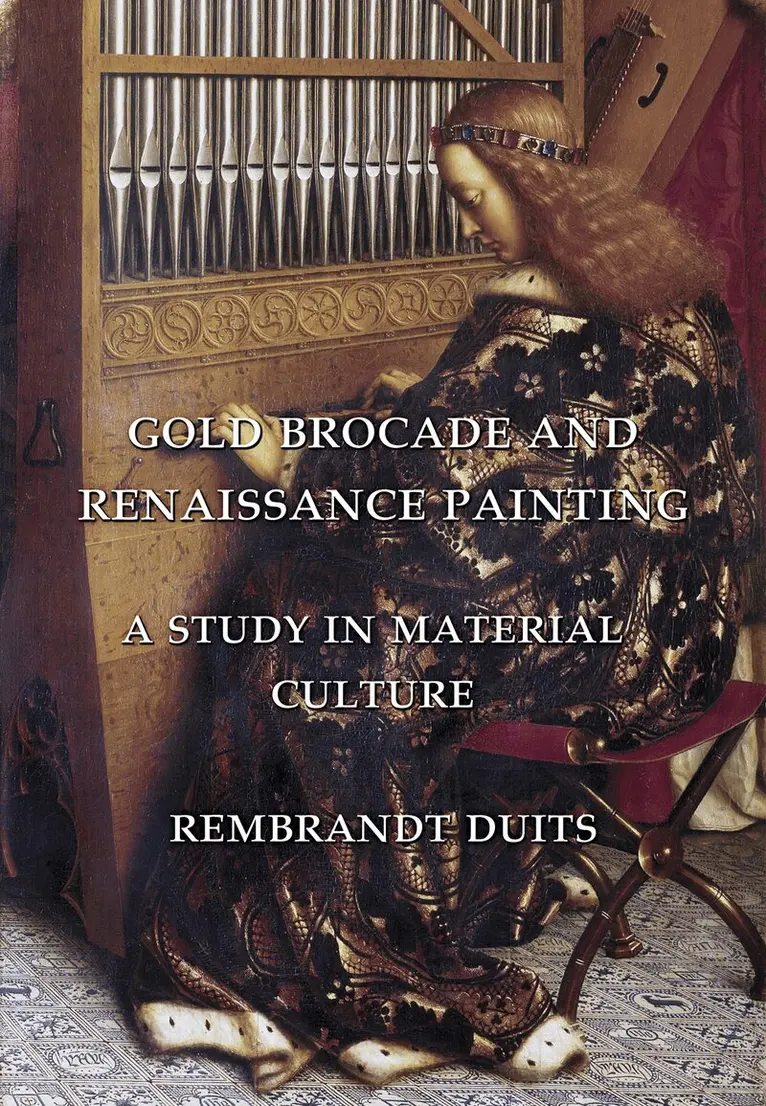
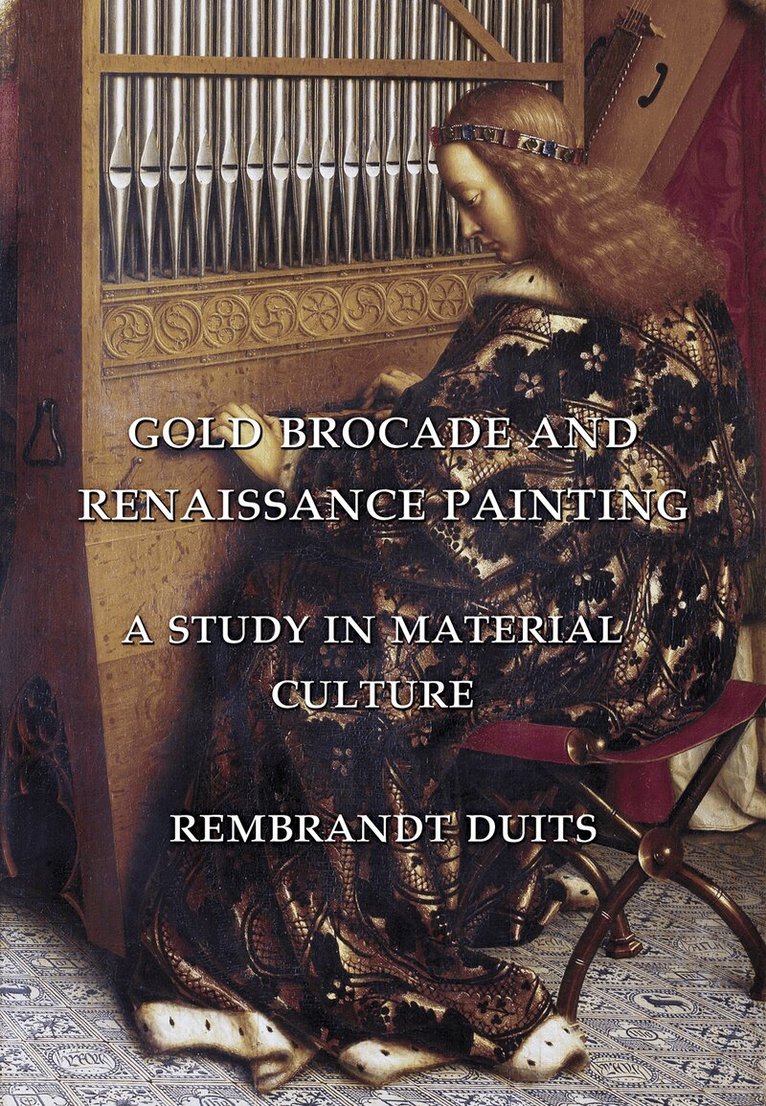
Silk fabrics woven with gold thread, predominantly produced in Italy, were depicted frequently in Renaissance painting, both in costumes and as backdrops for important figures. These painted textiles carried an economic and social significance that a contemporary audience would have recognised as part of the message conveyed by the picture. Gold brocade and Renaissance painting focuses on examples from Italy and the southern Netherlands , dating from the fourteenth to the early seventeenth centuries. Setting aside traditional notions of the hierarchy of the major and minor arts, the book treats gold brocade and painting equally as exponents of the special segment of Renaissance material culture that was art. The fabrics rendered in painting reflected the tradition of actual weaving, but only to an extent, as many gold brocades were painted from imagination. Gold brocades were much more expensive than paintings; hence the two media functioned in different contexts. Gold brocade was an important element in the display of wealth and status at grand courts, while painting often formed the only affordable substitute for courtly splendour for the socially ambitious but less affluent urban upper-middle class. Their value and cultural role also meant that gold-brocaded textiles could be included in paintings both in praise of luxury and as a condemnation of it - sometimes in one and the same work. Gold brocade and Renaissance painting examines the skills artists developed for representing these lavish textiles. It uses a wide range of documents (from inventories and account books to letters, poems, educational treatises and sermons) to compare the economic value of gold brocade and painting, clarify the conditions of their use, and interpret the different messages given by brocades in different pictures. Primarily, however, the book deals with the distinction between fact and fiction, imagination and reality in the world shown in Renaissance paintings.
548 kr
Skickas inom 5-8 vardagar
Rembrandt Duits completed his PhD at the University of Utrecht , and works at the Photographic Collection of the Warburg Institute, where he also teaches Renaissance material culture. His thesis, Gold Brocade and Renaissance Painting, won the Karel van Mander Prijs for the best publication on art between 1500 and 1800. Gold Brocade and Renaissance Painting discusses the representation of Italian Renaissance patterned silks in paintings from Italy and the Southern Netherlands , from the 14th to the 16th century. It is the first study to approach this subject from the perspective of material culture, attempting to answer such questions as why the subject of luxury textiles gained so great a popularity in Renaissance painting, how artists catered for an audience that desired to have gold brocades depicted but did not always possess the financial means to own the actual fabrics, and what the skills artists developed in this field contributed to the rising social status of the medium of painting. The material culture of the grand courts at which real gold brocade played an essential role in the display of wealth and status is compared to that of the socially ambitious but less affluent middle class for whom paintings were often the only affordable substitute for courtly splendour. Thus, the book also addresses the problem of the distinction between fact and fiction, imagination and reality in the account of contemporary social history presented in paintings.