Frank Gibney – författare
Visar alla böcker från författaren Frank Gibney. Handla med fri frakt och snabb leverans.
17 produkter
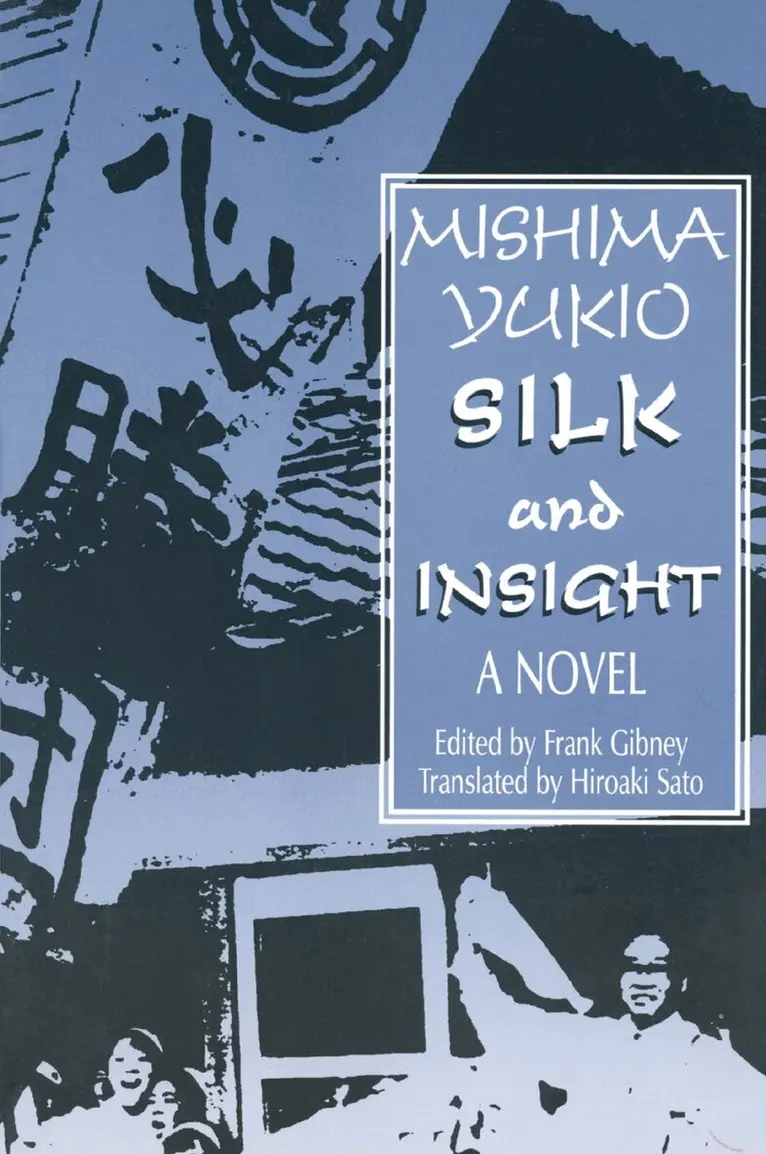
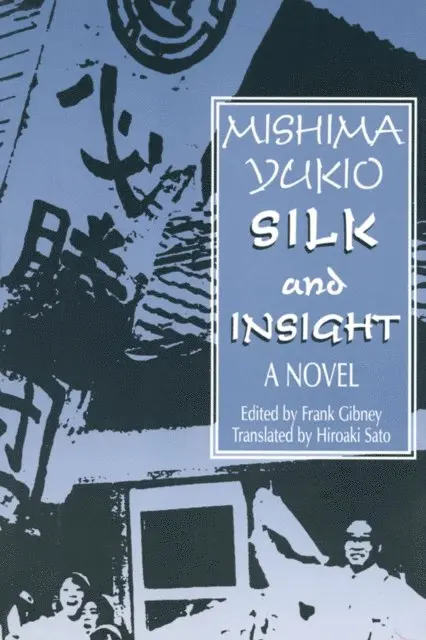
Silk and Insight
Av Yukio Mishima, Frank Gibney m. fl.
Inbunden, 1998
2893 kr
Lägg i varukorg
This is a tale based on the strike which took place in the mid-1950s at Omi Kenshi, a silk manufacturer not far from Tokyo. The events described reflect the management / labour tensions of the period and is a piece of social commentary on the transformation of Japanese business.
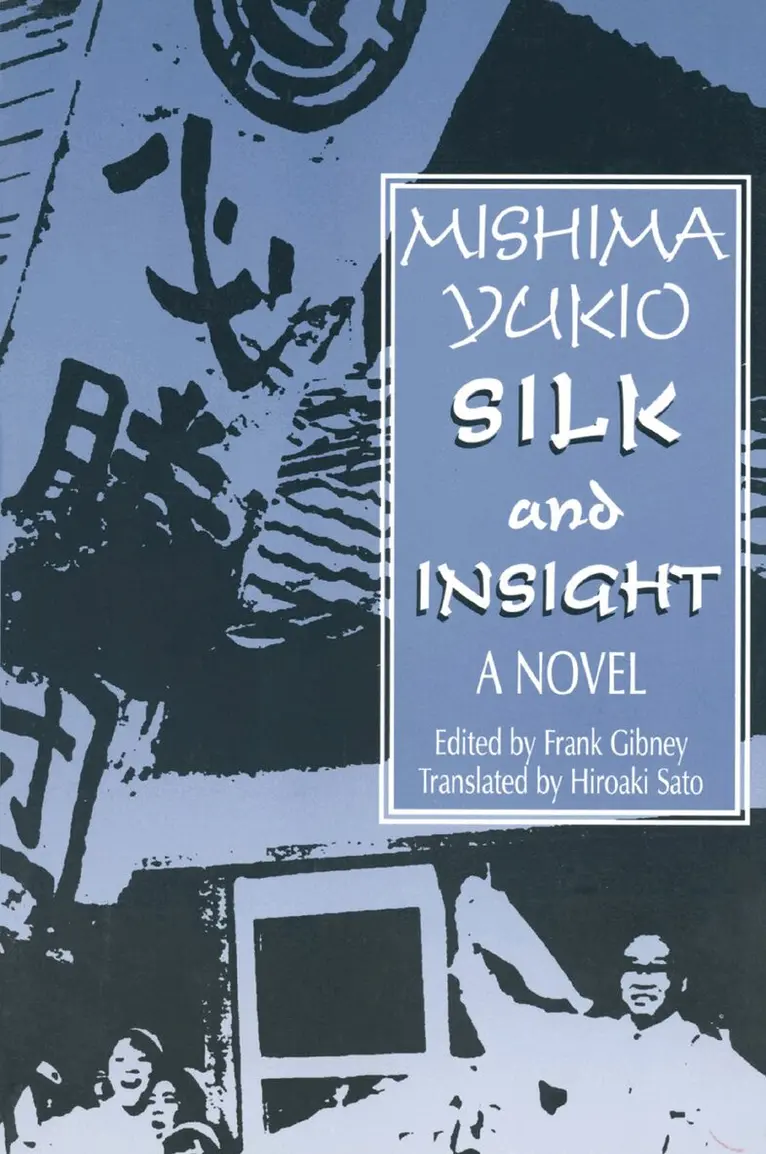
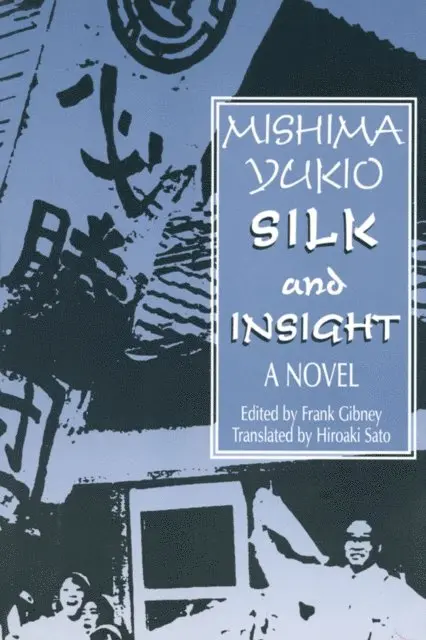
Silk and Insight
Av Yukio Mishima, Frank Gibney m. fl.
Häftad, 1998
645 kr
Lägg i varukorg
This is a tale based on the strike which took place in the mid-1950s at Omi Kenshi, a silk manufacturer not far from Tokyo. The events described reflect the management / labour tensions of the period and is a piece of social commentary on the transformation of Japanese business.
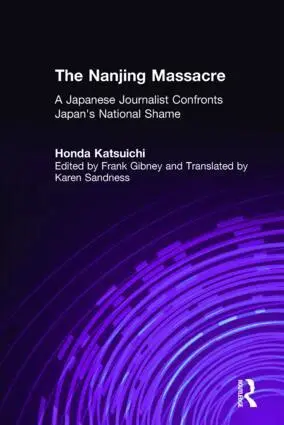
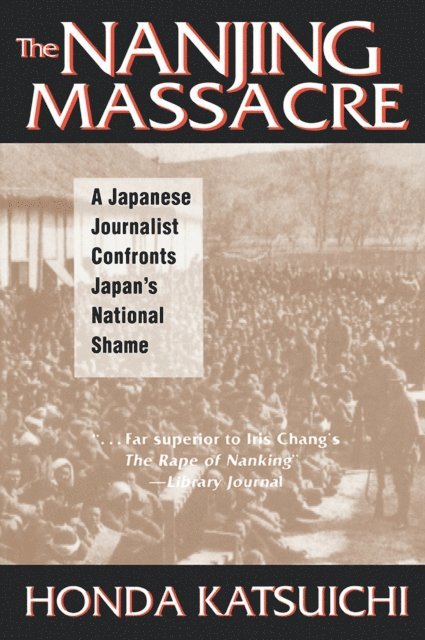
Nanjing Massacre: A Japanese Journalist Confronts Japan's National Shame
A Japanese Journalist Confronts Japan's National Shame
Av Katsuichi Honda, Frank Gibney m. fl.
Inbunden, 1998
2671 kr
Lägg i varukorg
This book is based on four visits to China between 1971 and 1989 by Honda Katsuichi, an investigative journalist for Asahi Shimbun. His aim is to show in pitiless detail the horrors of the Japanese Army's seizure and capture of Nanjing in December 1937. Unvarnished accounts of the testimony - …
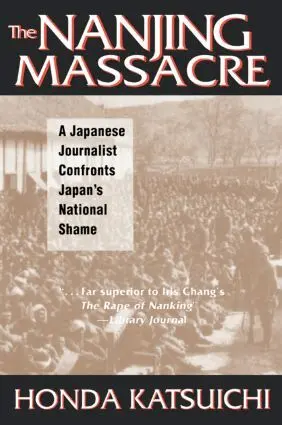
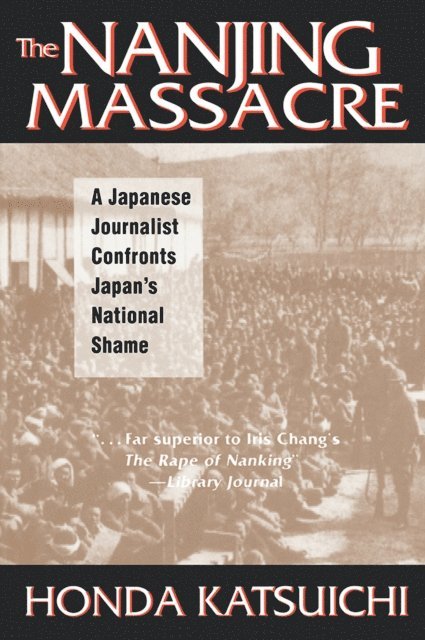
Nanjing Massacre: A Japanese Journalist Confronts Japan's National Shame
A Japanese Journalist Confronts Japan's National Shame
Av Katsuichi Honda, Frank Gibney m. fl.
Häftad, 1998
689 kr
Lägg i varukorg
This book is based on four visits to China between 1971 and 1989 by Honda Katsuichi, an investigative journalist for Asahi Shimbun. His aim is to show in pitiless detail the horrors of the Japanese Army's seizure and capture of Nanjing in December 1937. Unvarnished accounts of the testimony - …
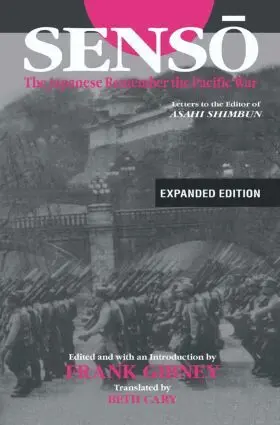
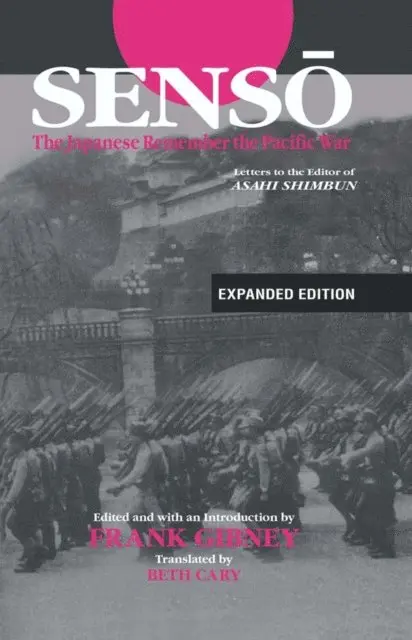
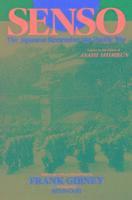
Senso: The Japanese Remember the Pacific War
Letters to the Editor of "Asahi Shimbun"
Inbunden, 2006
3162 kr
Lägg i varukorg
This acclaimed work is an extraordinary collection of letters written by a wide cross-section of Japanese citizens to one of Japan's leading newspapers, expressing their personal reminiscences and opinions of the Pacific war. "SENSO" provides the general reader and the specialist with moving, …
Senso: The Japanese Remember the Pacific War
Letters to the Editor of "Asahi Shimbun"
Häftad, 2006
938 kr
Lägg i varukorg
This acclaimed work is an extraordinary collection of letters written by a wide cross-section of Japanese citizens to one of Japan's leading newspapers, expressing their personal reminiscences and opinions of the Pacific war. "SENSO" provides the general reader and the specialist with moving, …
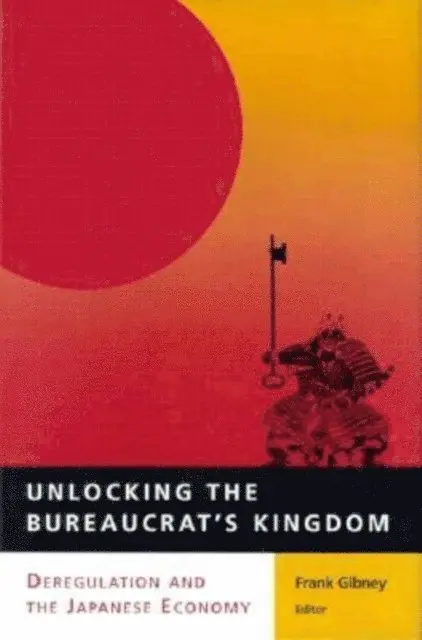
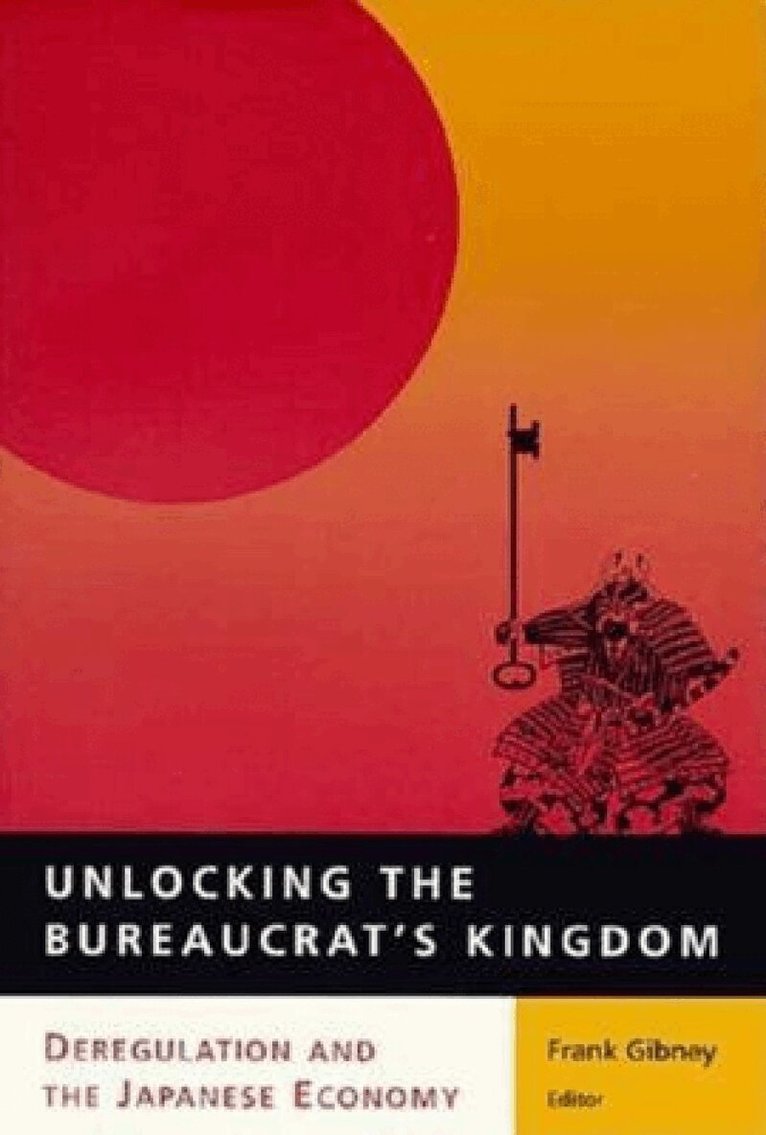
Unlocking the Bureaucrat's Kingdom
Deregulation and the Japanese Economy
Av Frank Gibney
E-bok, 2010
321 kr
Lägg i varukorg
Japan today is caught up in chronic economic crisis, its financial system wracked by record-breaking bankruptcies and its companies hobbled by bad balance sheets, overproduction, and weak consumer demand. In turn, Japan's faltering fortunes have sent shock waves across Asia, triggering the collapse …
Unlocking the Bureaucrat's Kingdom
Deregulation and the Japanese Economy
Av Frank Gibney
Häftad, 1998
299 kr
Lägg i varukorg
Japan today is caught up in chronic economic crisis, its financial system wracked by record-breaking bankruptcies and its companies hobbled by bad balance sheets, overproduction, and weak consumer demand. In turn, Japan's faltering fortunes have sent shock waves across Asia, triggering the collapse …
Nanjing Massacre: A Japanese Journalist Confronts Japan's National Shame
A Japanese Journalist Confronts Japan''s National Shame
Av Karen Sandness, Frank Gibney m. fl.
E-bok, 2015
696 kr
Lägg i varukorg
This book is based on four visits to China between 1971 and 1989 by Honda Katsuichi, an investigative journalist for Asahi Shimbun. His aim is to show in pitiless detail the horrors of the Japanese Army''s seizure and capture of Nanjing in December 1937. Unvarnished accounts of the testimony - …
Nanjing Massacre: A Japanese Journalist Confronts Japan's National Shame
A Japanese Journalist Confronts Japan''s National Shame
Av Karen Sandness, Frank Gibney m. fl.
E-bok, 2015
696 kr
Lägg i varukorg
This book is based on four visits to China between 1971 and 1989 by Honda Katsuichi, an investigative journalist for Asahi Shimbun. His aim is to show in pitiless detail the horrors of the Japanese Army''s seizure and capture of Nanjing in December 1937. Unvarnished accounts of the testimony - …
Silk and Insight
Av Hiro Sato, Frank Gibney m. fl.
E-bok, 2015
607 kr
Lägg i varukorg
This is a tale based on the strike which took place in the mid-1950s at Omi Kenshi, a silk manufacturer not far from Tokyo. The events described reflect the management / labour tensions of the period and is a piece of social commentary on the transformation of Japanese business.
Silk and Insight
Av Hiro Sato, Frank Gibney m. fl.
E-bok, 2015
607 kr
Lägg i varukorg
This is a tale based on the strike which took place in the mid-1950s at Omi Kenshi, a silk manufacturer not far from Tokyo. The events described reflect the management / labour tensions of the period and is a piece of social commentary on the transformation of Japanese business.
Senso: The Japanese Remember the Pacific War
Letters to the Editor of "Asahi Shimbun"
E-bok, 2015
1115 kr
Lägg i varukorg
This acclaimed work is an extraordinary collection of letters written by a wide cross-section of Japanese citizens to one of Japan''s leading newspapers, expressing their personal reminiscences and opinions of the Pacific war. "SENSO" provides the general reader and the specialist with moving, …
Senso: The Japanese Remember the Pacific War
Letters to the Editor of "Asahi Shimbun"
E-bok, 2015
1140 kr
Lägg i varukorg
This acclaimed work is an extraordinary collection of letters written by a wide cross-section of Japanese citizens to one of Japan''s leading newspapers, expressing their personal reminiscences and opinions of the Pacific war. "SENSO" provides the general reader and the specialist with moving, …
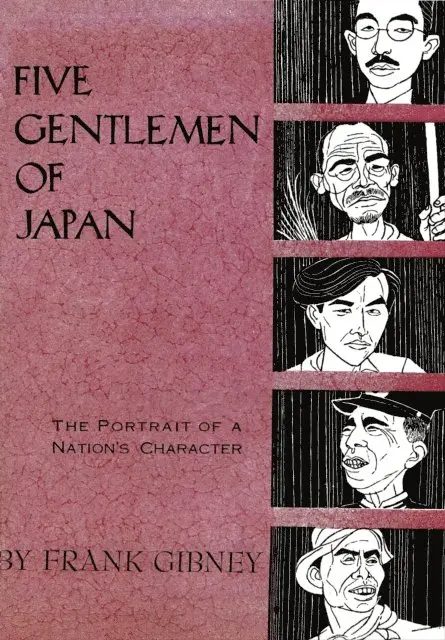
Five Gentlemen of Japan
The Portrait of a Nation''s Character
Av Frank Gibney
E-bok, 1997
83 kr
Lägg i varukorg
A newspaperman, an ex-Navy vice-admiral, a steel worker, a farmer, and the 124th Emperor of Japan himself—these are the fascinating heroes of Gibney''s brilliant book about modern Japan. Strongly individual, every one of them, the five yet share the common inheritance of Japan''s precocious but …
Senso: Japanese Remember the Pacific War
Japanese Remember the Pacific War
Inbunden, 1995
1618 kr
Tillfälligt slut
"Senso comes as close to anything I have seen to solving the mystery of obsessive Japanese reticence, even among themselves, about their war experience. ... Reading Gibney's English-language version of Senso convinces me of what I have long suspected: that the Japanese buried memories of the war …
Senso: Japanese Remember the Pacific War
Japanese Remember the Pacific War
Häftad, 1995
483 kr
Tillfälligt slut
"Senso comes as close to anything I have seen to solving the mystery of obsessive Japanese reticence, even among themselves, about their war experience. ... Reading Gibney's English-language version of Senso convinces me of what I have long suspected: that the Japanese buried memories of the war …