Franz Prichard - Böcker
Visar alla böcker från författaren Franz Prichard. Handla med fri frakt och snabb leverans.
3 produkter
3 produkter
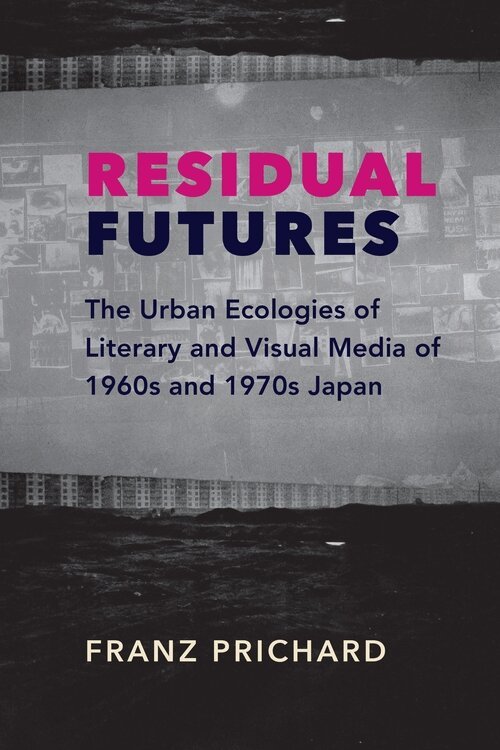
Residual Futures
The Urban Ecologies of Literary and Visual Media of 1960s and 1970s Japan
Inbunden, Engelska, 2019
1 270 kr
Skickas inom 7-10 vardagar
In the postwar years, an eruption of urbanization took place across Japan, from its historical central cities to the outer reaches of the archipelago. During the 1960s and 1970s, Japanese literary and visual media took a deep interest in cities and their problems, and what this rapid change meant for the country. In Residual Futures, Franz Prichard offers a pathbreaking analysis of the works wrought from this intensive urbanization, mapping the ways in which Japanese filmmakers, writers, photographers, and other artists came to grips with the entwined ecologies of a drastic transformation.Residual Futures examines crucial works of documentary film, fiction, and photography that interrogated Japan’s urbanization and integration into the U.S.-dominated geopolitical system. Prichard discusses documentary filmmaker Tsuchimoto Noriaki’s portrait of the urban “traffic war” and the remaking of Tokyo for the 1964 Olympics, novelist Abe Kōbō’s depictions of infrastructure and urban sociality, and the radical notions of landscape that emerge from the critical and photographic work of Nakahira Takuma. His careful readings reveal the shifting relationships among urban materialities and subjectivities and the ecological, political, and aesthetic vocabularies of urban change. A novel cultural history of critical urban discourse in Japan, Residual Futures brings an interdisciplinary approach to Japanese literary and visual media studies. It provides a vital new perspective on the infrastructural aesthetics and entangled urban and media conditions of the global Cold War.
Residual Futures
The Urban Ecologies of Literary and Visual Media of 1960s and 1970s Japan
Häftad, Engelska, 2019
324 kr
Skickas inom 7-10 vardagar
In the postwar years, an eruption of urbanization took place across Japan, from its historical central cities to the outer reaches of the archipelago. During the 1960s and 1970s, Japanese literary and visual media took a deep interest in cities and their problems, and what this rapid change meant for the country. In Residual Futures, Franz Prichard offers a pathbreaking analysis of the works wrought from this intensive urbanization, mapping the ways in which Japanese filmmakers, writers, photographers, and other artists came to grips with the entwined ecologies of a drastic transformation.Residual Futures examines crucial works of documentary film, fiction, and photography that interrogated Japan’s urbanization and integration into the U.S.-dominated geopolitical system. Prichard discusses documentary filmmaker Tsuchimoto Noriaki’s portrait of the urban “traffic war” and the remaking of Tokyo for the 1964 Olympics, novelist Abe Kōbō’s depictions of infrastructure and urban sociality, and the radical notions of landscape that emerge from the critical and photographic work of Nakahira Takuma. His careful readings reveal the shifting relationships among urban materialities and subjectivities and the ecological, political, and aesthetic vocabularies of urban change. A novel cultural history of critical urban discourse in Japan, Residual Futures brings an interdisciplinary approach to Japanese literary and visual media studies. It provides a vital new perspective on the infrastructural aesthetics and entangled urban and media conditions of the global Cold War.
257 kr
Tillfälligt slut
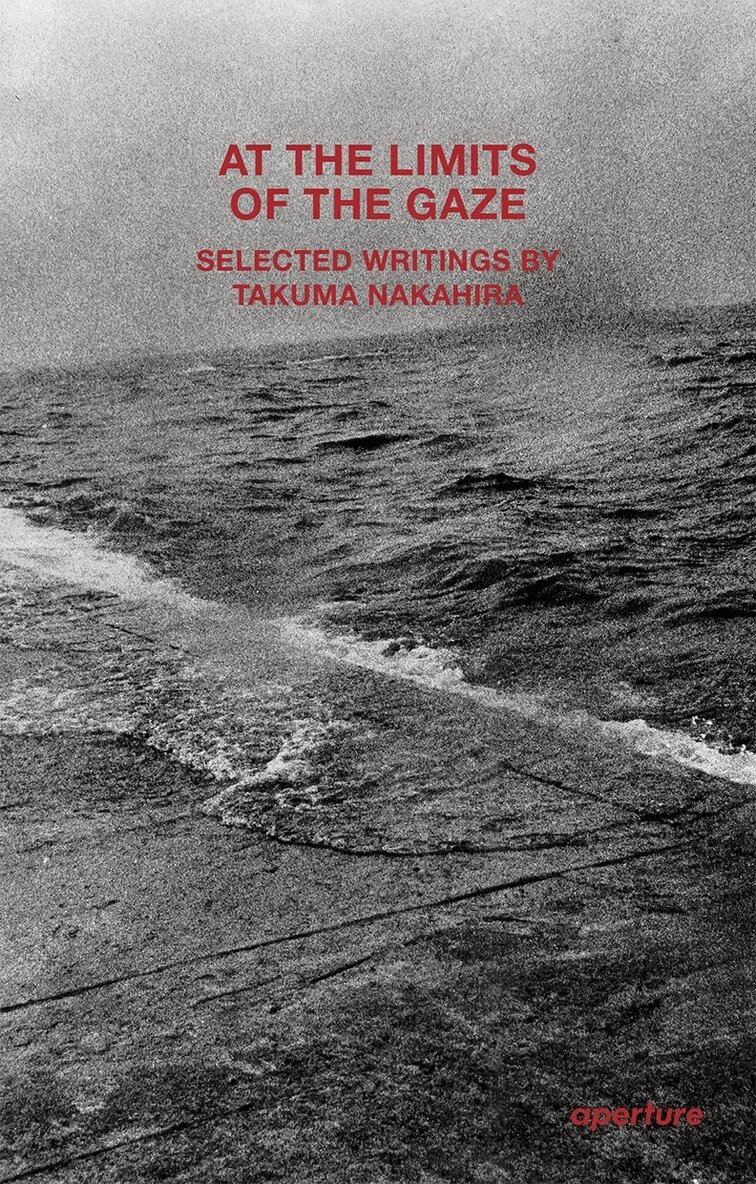
The first English-language collection of Takuma Nakahira’s influential writings on photography.At the Limits of the Gaze collects the writings of photographer and critic Takuma Nakahira in English for the first time. A crucial figure within the history of Japanese photography, Nakahira is best known outside of Japan as a founding member of Provoke, the experimental magazine of photographs, essays, and poetry, first published in 1968, and for his important photobook For a Language to Come (1970). Throughout a decades-long career, Nakahira raised incisive questions about visual culture and politics in both his photography and his writing. As part of a dynamic moment of artistic and political experimentation in Tokyo, he wrote on a range of topics hardly limited to photography: art, film, journalism, literature, politics, television, and more. Nakahira’s essays brim with urgency, relentlessly interrogating photography’s relationship to power, the connection between language and images, and the gaze. As editors and translators Daniel Abbe and Franz Prichard write, Nakahira’s essays “both suggest doubt about, and possibilities for, a photographically mediated reckoning with the world.”