Frederick M. Abbott - Böcker
Visar alla böcker från författaren Frederick M. Abbott. Handla med fri frakt och snabb leverans.
8 produkter
8 produkter
Law and Policy of Regional Integration
The NAFTA and Western Hemispheric Integration in the World Trade Organization System
Inbunden, Engelska, 1995
4 069 kr
Tillfälligt slut
Offering a comprehensive approach to the study of NAFTA and its implications for the global trading system, this book covers the political and legal process of NAFTA approval as well as NAFTA's potential economic impact.
976 kr
Tillfälligt slut
Law and Policy of Regional Integration: The NAFTA and Western Hemispheric Integration in the World Trade Organization System

1 423 kr
Skickas inom 7-10 vardagar
Elgar Advanced Introductions are stimulating and thoughtful introductions to major fields in the social sciences, business and law, expertly written by the world’s leading scholars. Designed to be accessible yet rigorous, they offer concise and lucid surveys of the substantive and policy issues associated with discrete subject areas.This Advanced Introduction provides a succinct overview of the vital role of pharmaceuticals in protecting and enhancing life and health. Frederick Abbott examines the global network of researchers and industrial companies involved in the developmental process, from fundamental research to testing, manufacturing and distribution. He evaluates the legal frameworks intended to promote the research and development of these essential medicines, including the use of patents, subsidies and other incentives.Key Features:Addresses how the interests of diverse stakeholders are reconciledDiscusses the use of technology licensing and the impact of AI on pharmaceutical IPIdentifies the regulatory frameworks that ensure the safety and efficacy of therapeutic medicines and vaccinesAnalyses the broad range of pharmaceutical advertising, promotion and prescription, with a particular focus on the growing role of telemedicineExplores burgeoning global topics such as the implications of the USA’s withdrawal from the WHO and the emergence of China as a center for pharmaceutical research, development and patentingProviding an accessible overview of the complex field of pharmaceutical regulation, this book is a necessary resource for scholars and students of health and biotechnology law. It is also beneficial for practitioners and policymakers in intellectual property law and pharmaceutical law.
253 kr
Skickas inom 7-10 vardagar
Elgar Advanced Introductions are stimulating and thoughtful introductions to major fields in the social sciences, business and law, expertly written by the world’s leading scholars. Designed to be accessible yet rigorous, they offer concise and lucid surveys of the substantive and policy issues associated with discrete subject areas.This Advanced Introduction provides a succinct overview of the vital role of pharmaceuticals in protecting and enhancing life and health. Frederick Abbott examines the global network of researchers and industrial companies involved in the developmental process, from fundamental research to testing, manufacturing and distribution. He evaluates the legal frameworks intended to promote the research and development of these essential medicines, including the use of patents, subsidies and other incentives.Key Features:Addresses how the interests of diverse stakeholders are reconciledDiscusses the use of technology licensing and the impact of AI on pharmaceutical IPIdentifies the regulatory frameworks that ensure the safety and efficacy of therapeutic medicines and vaccinesAnalyses the broad range of pharmaceutical advertising, promotion and prescription, with a particular focus on the growing role of telemedicineExplores burgeoning global topics such as the implications of the USA’s withdrawal from the WHO and the emergence of China as a center for pharmaceutical research, development and patentingProviding an accessible overview of the complex field of pharmaceutical regulation, this book is a necessary resource for scholars and students of health and biotechnology law. It is also beneficial for practitioners and policymakers in intellectual property law and pharmaceutical law.
2 204 kr
Skickas inom 7-10 vardagar
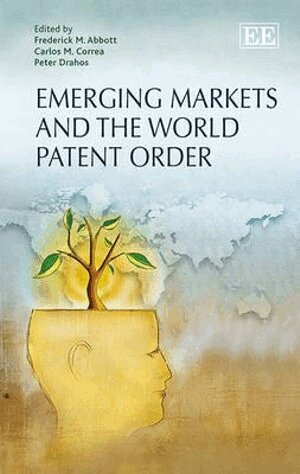
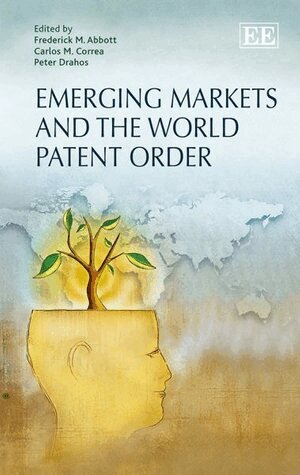
The patent has emerged as a dominant force in 21st century economic policy. This book examines the impact of the BRICS and other emerging economies on the global patent framework and charts the phenomenal rise in the number of patents in some of these countries.Guided by three of the world's leading thinkers on patent law and development, a group of experts from around the world, including the BRICS and key developed country patent powers, examine critical issues raised by patent globalization. Is increasing use of the patent system in China, India, Brazil and other emerging markets part of a deeper change in world technological leadership? Do the established patent powers of Europe, Japan and the USA continue to lead regulatory development of patent systems or are new models being formed in emerging markets? What are the effects of patent globalization on regions like the Middle East, Africa and lower income areas of Asia? Through the answers to these questions, the reader is furnished with a rounded understanding of 21st century patent globalization and emerging market dynamics.This book will appeal to patent law specialists, as well as scholars interested in the intersection between patents, innovation and economic development. In particular, the in-depth analysis would also be useful for policy analysts within government or research institutes working on patent policy issues.Contributors include: F.M. Abbott, D. Borges Barbosa, C.M. Correa, P. Drahos, M. El Said, C. Fink, P. Gehl Sampath, K. Karachalios, R. Kher, J. Kuanpoth, A. Kudlinski, T. Payosova, P. Roffe, S.K. Sell, Y. Tamura, G. Van Overwalle, Y.A. Vawda, H. Zhang, W. Zhuang
605 kr
Skickas inom 7-10 vardagar
The patent has emerged as a dominant force in 21st century economic policy. This book examines the impact of the BRICS and other emerging economies on the global patent framework and charts the phenomenal rise in the number of patents in some of these countries.Guided by three of the world's leading thinkers on patent law and development, a group of experts from around the world, including the BRICS and key developed country patent powers, examine critical issues raised by patent globalization. Is increasing use of the patent system in China, India, Brazil and other emerging markets part of a deeper change in world technological leadership? Do the established patent powers of Europe, Japan and the USA continue to lead regulatory development of patent systems or are new models being formed in emerging markets? What are the effects of patent globalization on regions like the Middle East, Africa and lower income areas of Asia? Through the answers to these questions, the reader is furnished with a rounded understanding of 21st century patent globalization and emerging market dynamics.This book will appeal to patent law specialists, as well as scholars interested in the intersection between patents, innovation and economic development. In particular, the in-depth analysis would also be useful for policy analysts within government or research institutes working on patent policy issues.Contributors include: F.M. Abbott, D. Borges Barbosa, C.M. Correa, P. Drahos, M. El Said, C. Fink, P. Gehl Sampath, K. Karachalios, R. Kher, J. Kuanpoth, A. Kudlinski, T. Payosova, P. Roffe, S.K. Sell, Y. Tamura, G. Van Overwalle, Y.A. Vawda, H. Zhang, W. Zhuang
2 022 kr
Skickas inom 7-10 vardagar
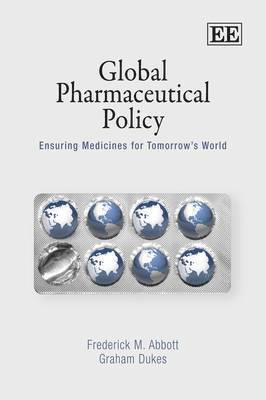
Pharmaceuticals play a central role in health care throughout the world. The pharmaceutical industry is beset with difficulties as increasing research and development expenditure yields fewer new treatments. Public and private budgets strain under the weight of high prices and limited access. The world's poor see little effort to address diseases prevalent in less affluent societies, while the world's wealthy are overusing prescription drugs, risking their health and wasting resources.The debate over health care reform and the ongoing global economic crisis form the backdrop for this extraordinarily timely examination of the global system for the development, production, distribution and use of medicines. The authors are acknowledged experts in the fields of pharmaceutical law and policy, with many years experience advising governments, multilateral organizations and policy-makers on issues involving innovation, access and use of medicines. Supported by a team of independent scientists, doctors and lawyers, they take an insightful look at the issues surrounding global regulation of the pharmaceutical sector, and offer pragmatic suggestions for reform.This book will be of interest to government policy-makers, members of industry, healthcare professionals, teachers, students and lawyers in the fields of public health, intellectual property and international trade.
546 kr
Skickas inom 7-10 vardagar
Pharmaceuticals play a central role in health care throughout the world. The pharmaceutical industry is beset with difficulties as increasing research and development expenditure yields fewer new treatments. Public and private budgets strain under the weight of high prices and limited access. The world's poor see little effort to address diseases prevalent in less affluent societies, while the world's wealthy are overusing prescription drugs, risking their health and wasting resources.The debate over health care reform and the ongoing global economic crisis form the backdrop for this extraordinarily timely examination of the global system for the development, production, distribution and use of medicines. The authors are acknowledged experts in the fields of pharmaceutical law and policy, with many years experience advising governments, multilateral organizations and policy-makers on issues involving innovation, access and use of medicines. Supported by a team of independent scientists, doctors and lawyers, they take an insightful look at the issues surrounding global regulation of the pharmaceutical sector, and offer pragmatic suggestions for reform.This book will be of interest to government policy-makers, members of industry, healthcare professionals, teachers, students and lawyers in the fields of public health, intellectual property and international trade.