Frederick Weaver – författare
Visar alla böcker från författaren Frederick Weaver. Handla med fri frakt och snabb leverans.
3 produkter
3 produkter
Latin America In The World Economy
Mercantile Colonialism To Global Capitalism
Inbunden, Engelska, 2019
2 113 kr
Skickas inom 10-15 vardagar
Latin America in the World Economy considers the dual aspect of Latin American development: how external factors (phases of world capitalism since Columbus) interweave with internal factors (Latin American culture, politics, and social groups). Within his skillful approach, Weaver demonstrates how domestic social conflicts and power relations have
673 kr
Skickas inom 10-15 vardagar
Latin America in the World Economy considers the dual aspect of Latin American development: how external factors (phases of world capitalism since Columbus) interweave with internal factors (Latin American culture, politics, and social groups). Within his skillful approach, Weaver demonstrates how domestic social conflicts and power relations have consistently capitalized on changes in the international economy, while, conversely, engagement with the international economy has consistently constrained local struggles and patterns of change. With over half of the book dedicated to the "short" twentieth century (after 1930), Latin America in the World Economy is appropriate for courses in Latin American economic history, political economy, and development.
190 kr
Skickas inom 11-20 vardagar
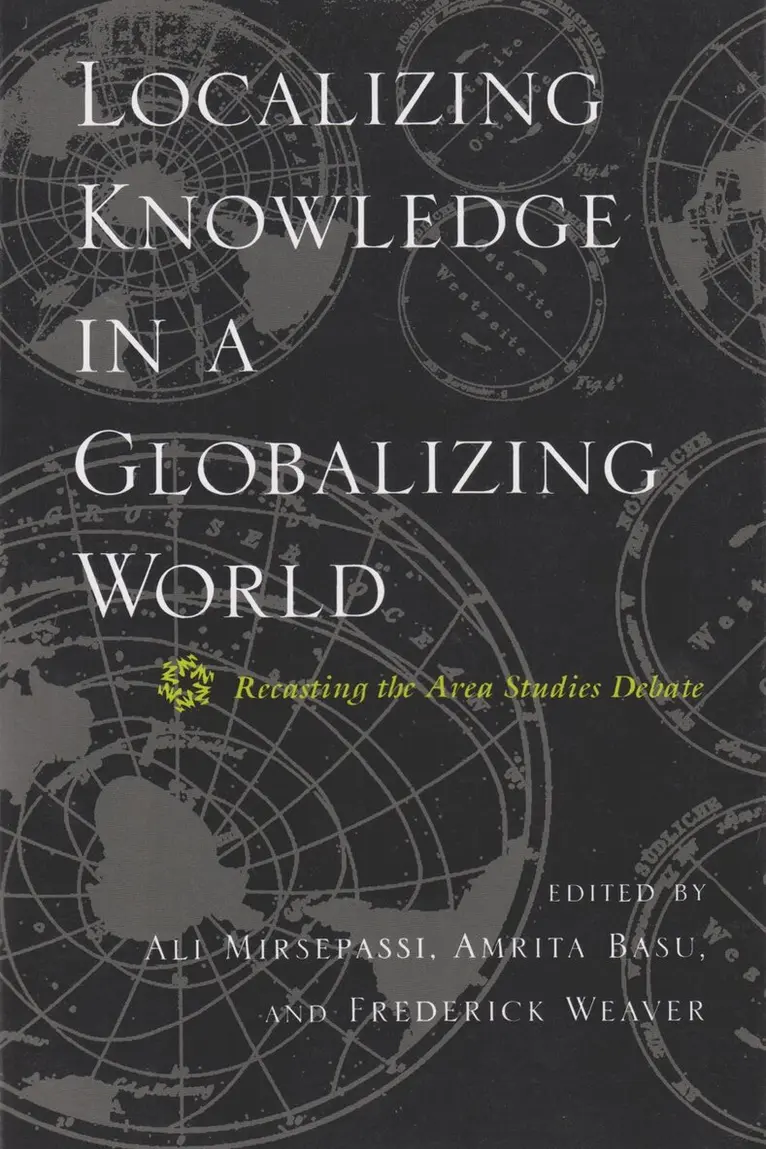
These works entertain the question of how scholars may reconfigure ""area-based knowledge"" to respond to social sciences and globalization. The essays in this collection address the current crisis in area studies, a crisis that differs from its perennial struggle with the established academic disciplines. This crisis stems from the confluence of three related circumstances: the end of the Cold War; greater economic and cultural fluidity across political borders; and contradictory intellectual trends in the academy, which include on the one hand a renaissance of universalizing thinking in the social sciences and on the other hand, the rise of post-colonial studies and debates about modernity, postmodernity, and cultural hybridization. Although the essays differ markedly in their focus and strategies, the authors all demonstrate that local knowledge, including serious study of individual cultures and proficiency in foreign languages, which are vital to understanding rapidly changing global patterns and to countering universal claims by the social sciences. While the authors also agree that area studies must reject their enthnocentric heritages and adopt inventive new contours, they present a diversity of ideas for creating vigorous and valuable curricula and research in area studies.