G. Neave – författare
Visar alla böcker från författaren G. Neave. Handla med fri frakt och snabb leverans.
6 produkter
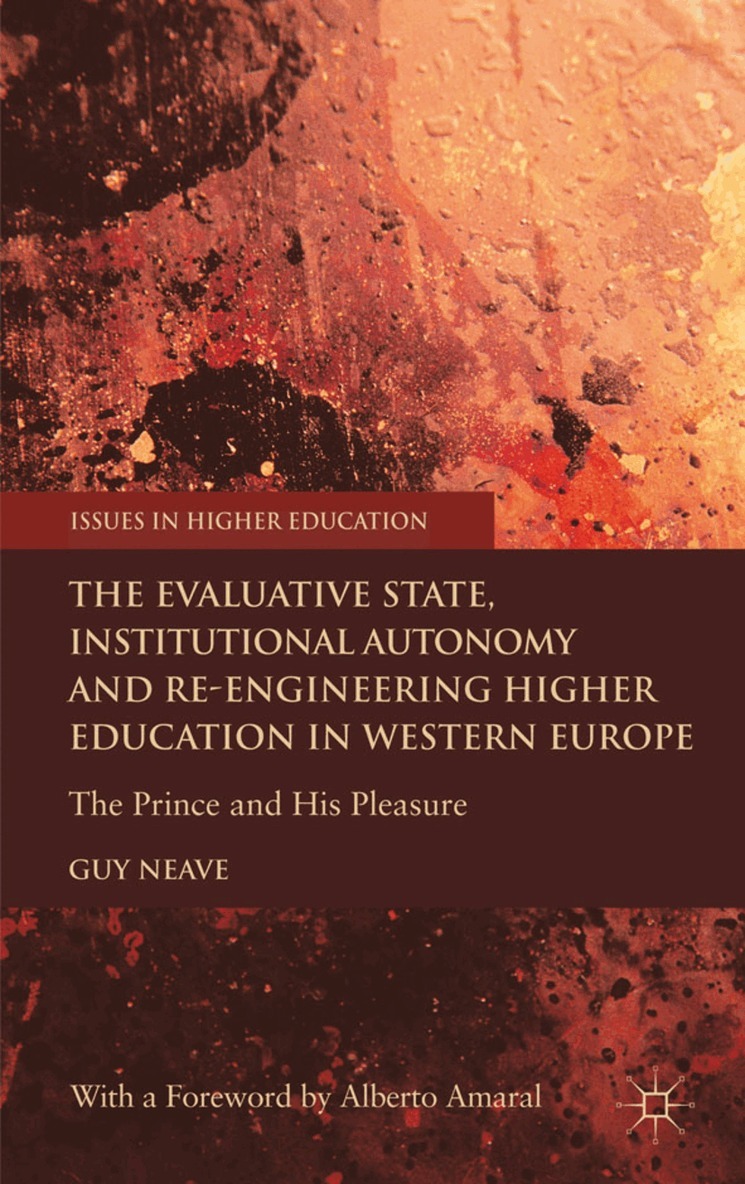
Evaluative State, Institutional Autonomy and Re-engineering Higher Education in Western Europe
The Prince and His Pleasure
Av G. Neave
Inbunden, 2012
536 kr
Lägg i varukorg
This pioneering book examines how policies to raise efficiency and performance in Europe's universities have profoundly altered ties between government, society and higher education, outlining how Evaluation Agencies have urged Europe's universities to meet the challenge of modernization.
Evaluative State, Institutional Autonomy and Re-engineering Higher Education in Western Europe
The Prince and His Pleasure
Av G. Neave
E-bok, 2012
757 kr
Lägg i varukorg
This pioneering book examines how policies to raise efficiency and performance in Europe''s universities have profoundly altered ties between government, society and higher education, outlining how Evaluation Agencies have urged Europe''s universities to meet the challenge of modernization.
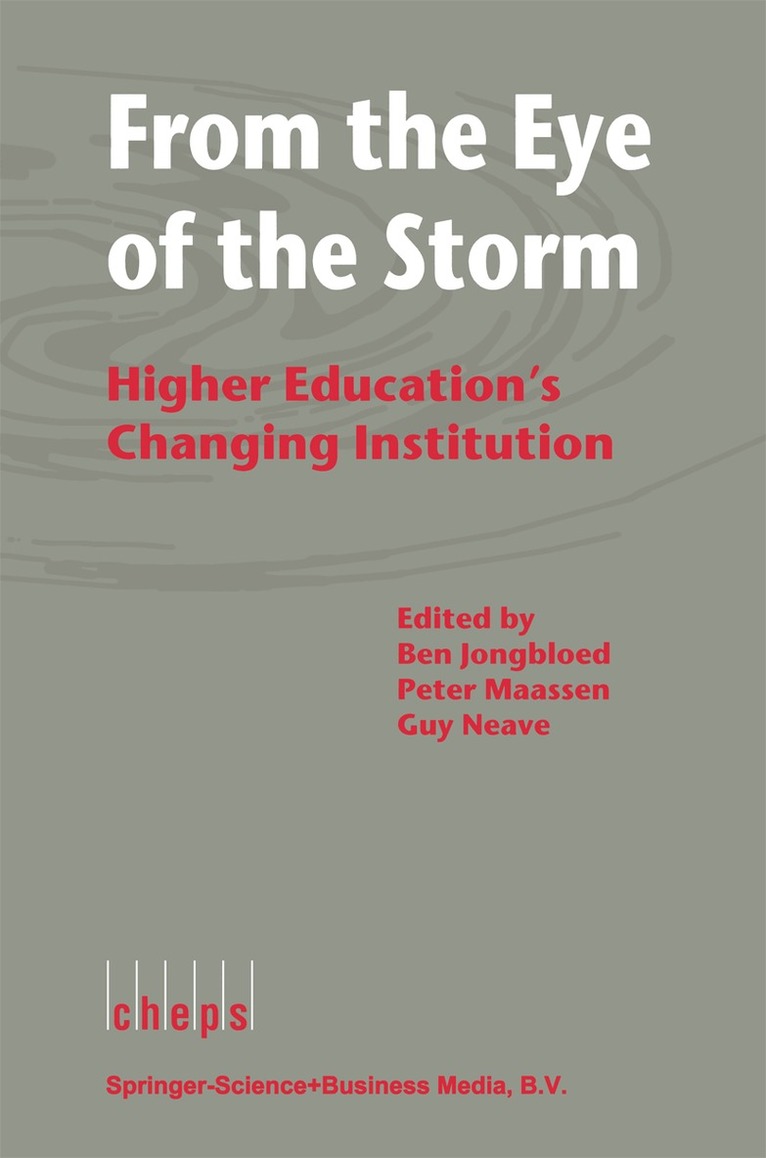
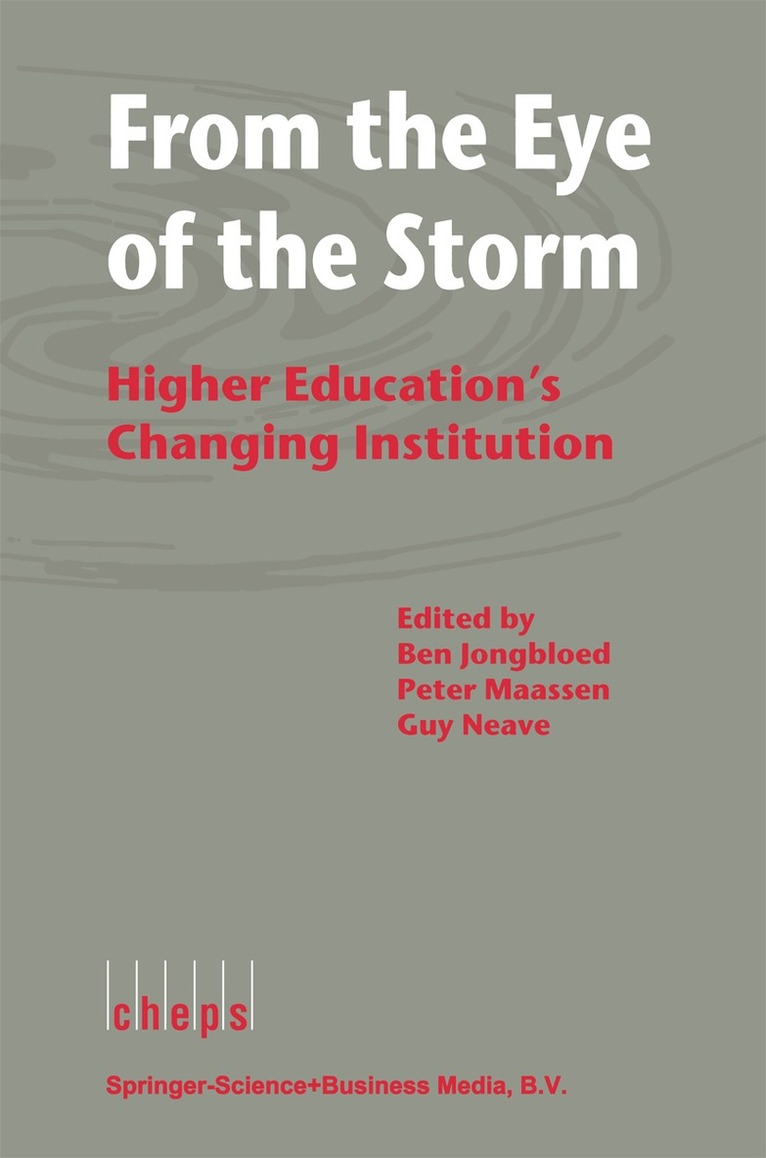
From the Eye of the Storm
Higher Education's Changing Institution
Av Ben Jongbloed, Peter A. M. Maassen m. fl.
Inbunden, 1999
1065 kr
Lägg i varukorg
Universities and colleges have been under severe pressure to expand student numbers in order to fulfill new and more business-like approaches and to raise levels of efficiency and quality. Over the coming years, institutes of higher education will face increasing competition for students and funds, …
Evaluative State, Institutional Autonomy and Re-engineering Higher Education in Western Europe
The Prince and His Pleasure
Av G. Neave
Häftad, 2012
536 kr
Lägg i varukorg
This pioneering book examines how policies to raise efficiency and performance in Europe's universities have profoundly altered ties between government, society and higher education, outlining how Evaluation Agencies have urged Europe's universities to meet the challenge of modernization.
From the Eye of the Storm
Higher Education's Changing Institution
Av B.W. Jongbloed, P.A. Maassen m. fl.
Häftad, 2010
1065 kr
Lägg i varukorg
In order to celebrate the fifteenth anniversary - the third lustrum - of our Center, we at CHEPS decided to collectively write a book on the issue of how higher education institutions deal with the demand for change. Institutional change is without any doubt one of the burning issues for …
From the Eye of the Storm
Higher Education''s Changing Institution
Av G. Neave, P.A. Maassen m. fl.
E-bok, 2013
1418 kr
Lägg i varukorg
In order to celebrate the fifteenth anniversary - the third lustrum - of our Center, we at CHEPS decided to collectively write a book on the issue of how higher education institutions deal with the demand for change. Institutional change is without any doubt one of the burning issues for …