G. Nell - Böcker
Visar alla böcker från författaren G. Nell. Handla med fri frakt och snabb leverans.
6 produkter
6 produkter
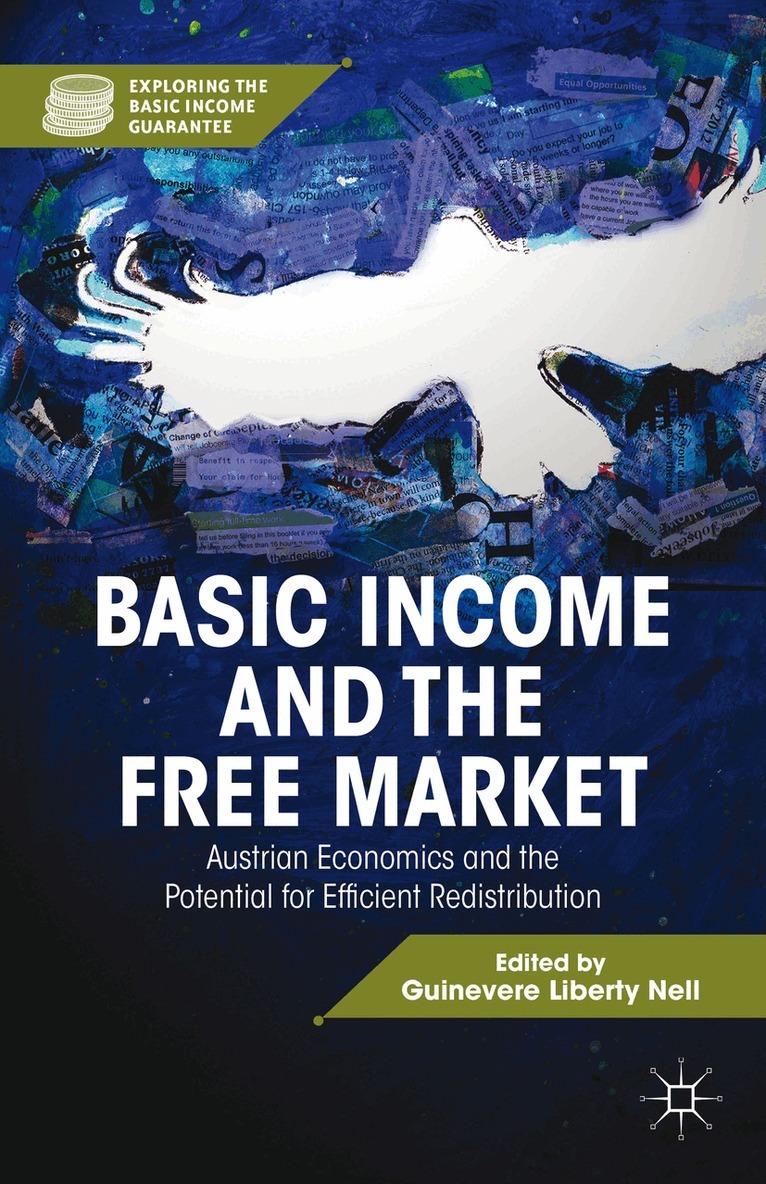
Basic Income and the Free Market
Austrian Economics and the Potential for Efficient Redistribution
Inbunden, Engelska, 2013
1 101 kr
Skickas inom 10-15 vardagar
Discusses whether the Basic Income Guarantee could offer an alternative to both laissez-faire and existing welfare systems in developed countries - often criticized by both advocates and critics of laissez-faire - thus opening a constructive dialog in policy discussion.
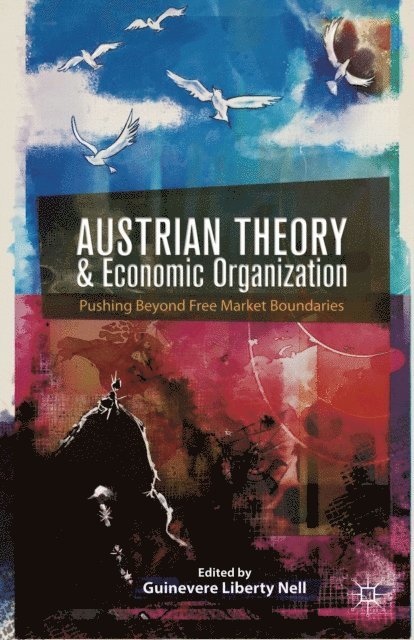
Austrian Theory and Economic Organization
Reaching Beyond Free Market Boundaries
Inbunden, Engelska, 2014
1 101 kr
Skickas inom 10-15 vardagar
The Austrian economic school famously predicted and explained the problems of calculation in a socialist society. With their concept of spontaneous order, they challenged mainstream economists to look beyond simplified static models and consider the dynamic and evolutionary characteristics of social orders. However, many feel that Austrians took their victory too far and became ideologically devoted to laissez-faire.Austrian Theory and Economic Organization is a collection of essays on problems and possibilities in economic organization, written by economists and political scientists with an interest in the dynamic and evolutionary nature of market economies. Each chapter explores areas of potential agreement between Austrian theory, market socialist economics, and other heterodox schools of economic and political science. The collection aims to bridge cultural and political divisions between free market advocates who stress individual rights and left-leaning thinkers who stress social justice and a culture of solidarity.
1 069 kr
Skickas inom 10-15 vardagar
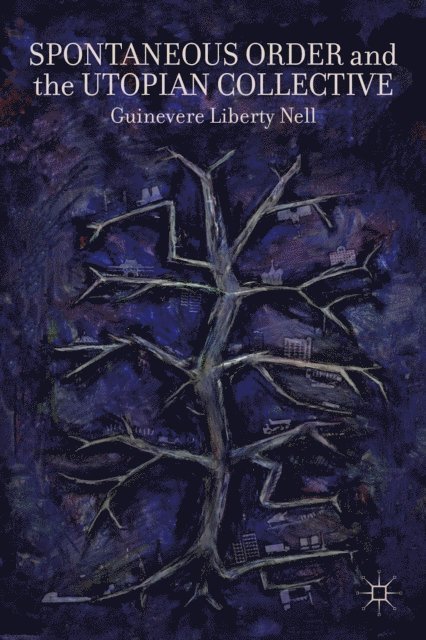
Vladimir Lenin, Leon Trotsky, and Nikolai Bukharin were the three leaders of the Russian Revolution who shaped the new society most, both through their theories and their political leadership. All three were motivated by the ideal of building a utopian collective. Once in power, they tirelessly tried to put their vision into practice, but the Soviet system that resulted was nothing like the one they tried to create. In Spontaneous Order and the Utopian Collective, Nell takes her cue from the personal writings and documents of Lenin, Trotsky, and Bukharin to consider them anew from an Austrian theoretical perspective, analyze the divergence between theory and practice using a spontaneous order framework, and identify three interconnected prerequisites necessary for a utopian collectivist society. Nell then asks whether it might be possible to create this utopian collective somehow, and avoid the pitfalls of planning.
Basic Income and the Free Market
Austrian Economics and the Potential for Efficient Redistribution
Häftad, Engelska, 2013
1 101 kr
Skickas inom 10-15 vardagar
Discusses whether the Basic Income Guarantee could offer an alternative to both laissez-faire and existing welfare systems in developed countries - often criticized by both advocates and critics of laissez-faire - thus opening a constructive dialog in policy discussion.
Austrian Theory and Economic Organization
Reaching Beyond Free Market Boundaries
Häftad, Engelska, 2014
1 101 kr
Skickas inom 10-15 vardagar
The Austrian economic school famously predicted and explained the problems of calculation in a socialist society. Each chapter explores areas of potential agreement between Austrian theory, market socialist economics, and other heterodox schools of economic and political science.
1 069 kr
Skickas inom 10-15 vardagar
Vladimir Lenin, Leon Trotsky, and Nikolai Bukharin were the three leaders of the Russian Revolution who shaped the new society most, both through their theories and their political leadership. All three were motivated by the ideal of building a utopian collective. Once in power, they tirelessly tried to put their vision into practice, but the Soviet system that resulted was nothing like the one they tried to create. In Spontaneous Order and the Utopian Collective, Nell takes her cue from the personal writings and documents of Lenin, Trotsky, and Bukharin to consider them anew from an Austrian theoretical perspective, analyze the divergence between theory and practice using a spontaneous order framework, and identify three interconnected prerequisites necessary for a utopian collectivist society. Nell then asks whether it might be possible to create this utopian collective somehow, and avoid the pitfalls of planning.