Gabriel Hankins - Böcker
Visar alla böcker från författaren Gabriel Hankins. Handla med fri frakt och snabb leverans.
5 produkter
5 produkter
Interwar Modernism and the Liberal World Order
Offices, Institutions, and Aesthetics after 1919
Inbunden, Engelska, 2019
1 431 kr
Skickas inom 7-10 vardagar
What was the modernist response to the global crisis of liberal world order after 1919? This book tells the story of the origins of liberal world governance in Cambridge modernist circles, the literary response to the Versailles Peace of 1919, and the contestation of that institutional moment across a range of world literary modernities. Challenging standard accounts of reactionary postwar politics, Interwar Modernism and the Liberal World Order articulates a modernism animated by the contradictions of liberal governance between the wars. The book develops a new materialist reading of modernist politics hinged on the official figures that traverse both modernist texts and liberal order. This official liberal world shapes interwar arts and letters from wartime Cambridge to revolutionary Shanghai.
1 048 kr
Kommande
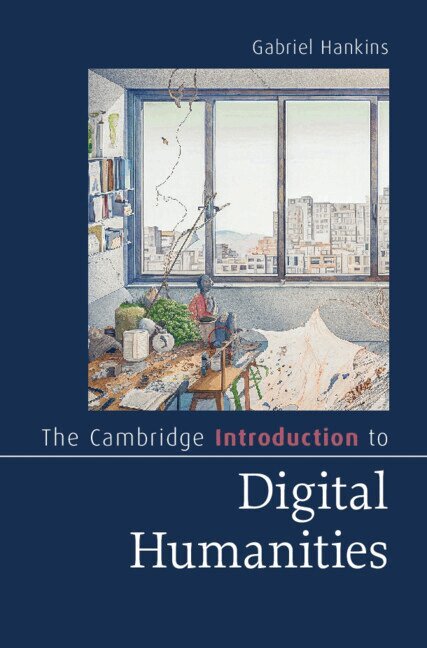
How are the humanities transformed in the digital era? This book describes the transformation of the humanities by the largest shifts in the production of knowledge since the printing press. It addresses a wide range of disciplines, providing a history of those shifts and how humanists have responded to them. It argues that we are all digital humanists now, since we are all addressed by an era of pervasive digital research, reading, teaching, and learning. This book provides a history of digital transformations in the humanities since the first computers, defines the digital humanities through specific communities, conversations, tactics, and intersections, and poses the key questions of the field. Rather than particular technologies or tools, this Introduction centers on the lasting intellectual objects, methods, and concerns of the humanities from the late medieval period to the explosive growth of generative AI.
336 kr
Kommande
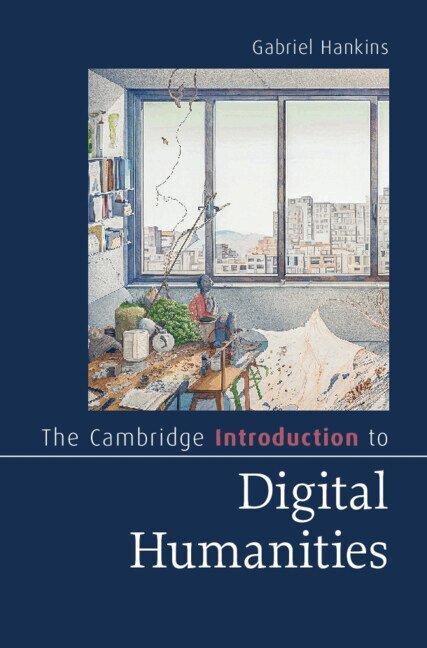
How are the humanities transformed in the digital era? This book describes the transformation of the humanities by the largest shifts in the production of knowledge since the printing press. It addresses a wide range of disciplines, providing a history of those shifts and how humanists have responded to them. It argues that we are all digital humanists now, since we are all addressed by an era of pervasive digital research, reading, teaching, and learning. This book provides a history of digital transformations in the humanities since the first computers, defines the digital humanities through specific communities, conversations, tactics, and intersections, and poses the key questions of the field. Rather than particular technologies or tools, this Introduction centers on the lasting intellectual objects, methods, and concerns of the humanities from the late medieval period to the explosive growth of generative AI.
1 435 kr
Skickas inom 7-10 vardagar
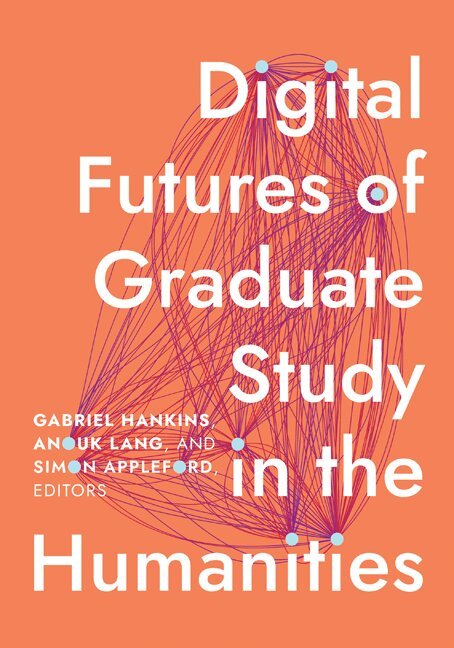
A resource for planning, reimagining, and participating in the digital transformation of graduate study in the humanitiesHow are the humanities adapting to the rise of digital technologies, and what are some of the tried and tested ways that postsecondary institutions are proving the importance of humanities training at the graduate level? Bringing together a diverse group of scholars and students, Digital Futures of Graduate Study in the Humanities invites a reimagining of current models of graduate education to address ongoing challenges to the humanities and to create sustainable and humane pedagogies, classes, and institutions. The essays cover a wide range of topics, including the skills required to learn and practice digital methods, the resources needed to support students and faculty in this enterprise, the lack of meaningful credit for undertaking this time-intensive work, and the diminished employment possibilities within academia for graduate students who emerge with these skills. Mapping the broad terrain through which to address and intervene in these particular issues and beyond, this book offers deep insights into the digital futures of graduate studies in the humanities. Contributors: Maria JosÉ Afanador-Llach, U de los Andes, BogotÁ; Maria K. Alberto, U of Utah; Agnieszka Backman; Travis M. Bartley, CUNY Graduate Center; Peggy Bockwinkel, U Stuttgart; Alison Booth, U of Virginia; Donna Alfano Bussell, U of Illinois Springfield; Joshua Casmir Catalano, Clemson U; Laura Crossley, George Mason U; Quinn Dombrowski, Stanford U; Stuart Dunn, King’s College London; Jennifer Edmond, Trinity College Dublin; Natalia Ermolaev, Princeton U; Laura Estill, St. Francis Xavier U; Malte GÄckle-Heckelen; Vicky Garnett, Trinity College Dublin; Daniel Gorman Jr., U of Rochester; Sabrina T. Grimberg, Stanford U; Tena L. Helton, U of Illinois Springfield; Jeanelle Horcasitas; Melissa A. Hosek, Stanford U; Hoyeol Kim; Brady Krien, U of Iowa; Benjamin Charles Germain Lee, U of Washington; Pamela E. Mack, Clemson U; Meredith Martin, Princeton U; GermÁn Camilo MartÍnez PeÑaloza, U de los Andes, BogotÁ; E. L. Meszaros, Brown U; Sara Mohr, Hamilton College; Sethunya Mokoko, U of Virginia; Rebecca Munson; Erin Francisco Opalich; Olivia Quintanilla, MiraCosta College; Cecily Raynor, McGill U; Amanda E. Regan, Clemson U; Heather Richards-Rissetto, U of Nebraska–Lincoln; Jacob D. Richter, George Washington U; Stephen Robertson, George Mason U; Katina L. Rogers; Claus-Michael Schlesinger, Humboldt U Berlin; Douglas Seefeldt, Clemson U; Kayla Shipp, Yale Digital Humanities Lab; Serenity Sutherland, SUNY Oswego; Toma Tasovac, Belgrade Center for Digital Humanities; Hannah Taylor, Duke U; Manfred Thaller, U of Cologne; Madeline Ullrich, U of Rochester; Ted Underwood, U of Illinois Urbana-Champaign; Gabriel Viehhauser, U Stuttgart; Brandon Walsh, U of Virginia Library; Sean Weidman, Lycoming College; Alex Wermer-Colan, Temple U; Adrian S. Wisnicki, U of Nebraska–Lincoln; Alexander J. Zawacki, U GÖttingen. Retail e-book files for this title are screen-reader friendly with images accompanied by short alt text and/or extended descriptions.
351 kr
Skickas inom 7-10 vardagar
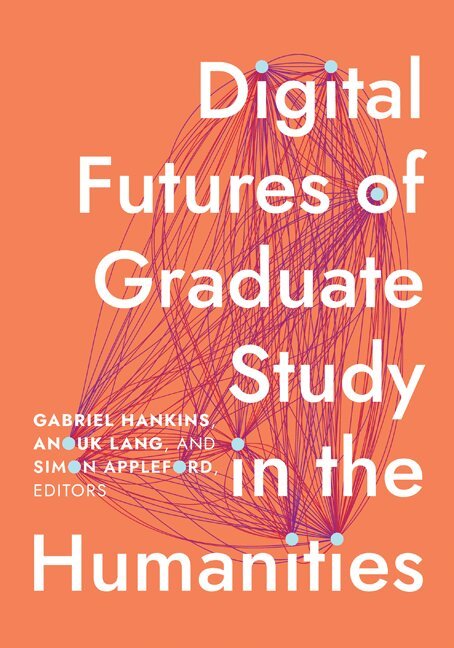
A resource for planning, reimagining, and participating in the digital transformation of graduate study in the humanitiesHow are the humanities adapting to the rise of digital technologies, and what are some of the tried and tested ways that postsecondary institutions are proving the importance of humanities training at the graduate level? Bringing together a diverse group of scholars and students, Digital Futures of Graduate Study in the Humanities invites a reimagining of current models of graduate education to address ongoing challenges to the humanities and to create sustainable and humane pedagogies, classes, and institutions. The essays cover a wide range of topics, including the skills required to learn and practice digital methods, the resources needed to support students and faculty in this enterprise, the lack of meaningful credit for undertaking this time-intensive work, and the diminished employment possibilities within academia for graduate students who emerge with these skills. Mapping the broad terrain through which to address and intervene in these particular issues and beyond, this book offers deep insights into the digital futures of graduate studies in the humanities. Contributors: Maria JosÉ Afanador-Llach, U de los Andes, BogotÁ; Maria K. Alberto, U of Utah; Agnieszka Backman; Travis M. Bartley, CUNY Graduate Center; Peggy Bockwinkel, U Stuttgart; Alison Booth, U of Virginia; Donna Alfano Bussell, U of Illinois Springfield; Joshua Casmir Catalano, Clemson U; Laura Crossley, George Mason U; Quinn Dombrowski, Stanford U; Stuart Dunn, King’s College London; Jennifer Edmond, Trinity College Dublin; Natalia Ermolaev, Princeton U; Laura Estill, St. Francis Xavier U; Malte GÄckle-Heckelen; Vicky Garnett, Trinity College Dublin; Daniel Gorman Jr., U of Rochester; Sabrina T. Grimberg, Stanford U; Tena L. Helton, U of Illinois Springfield; Jeanelle Horcasitas; Melissa A. Hosek, Stanford U; Hoyeol Kim; Brady Krien, U of Iowa; Benjamin Charles Germain Lee, U of Washington; Pamela E. Mack, Clemson U; Meredith Martin, Princeton U; GermÁn Camilo MartÍnez PeÑaloza, U de los Andes, BogotÁ; E. L. Meszaros, Brown U; Sara Mohr, Hamilton College; Sethunya Mokoko, U of Virginia; Rebecca Munson; Erin Francisco Opalich; Olivia Quintanilla, MiraCosta College; Cecily Raynor, McGill U; Amanda E. Regan, Clemson U; Heather Richards-Rissetto, U of Nebraska–Lincoln; Jacob D. Richter, George Washington U; Stephen Robertson, George Mason U; Katina L. Rogers; Claus-Michael Schlesinger, Humboldt U Berlin; Douglas Seefeldt, Clemson U; Kayla Shipp, Yale Digital Humanities Lab; Serenity Sutherland, SUNY Oswego; Toma Tasovac, Belgrade Center for Digital Humanities; Hannah Taylor, Duke U; Manfred Thaller, U of Cologne; Madeline Ullrich, U of Rochester; Ted Underwood, U of Illinois Urbana-Champaign; Gabriel Viehhauser, U Stuttgart; Brandon Walsh, U of Virginia Library; Sean Weidman, Lycoming College; Alex Wermer-Colan, Temple U; Adrian S. Wisnicki, U of Nebraska–Lincoln; Alexander J. Zawacki, U GÖttingen. Retail e-book files for this title are screen-reader friendly with images accompanied by short alt text and/or extended descriptions.