Gaia Servadio – författare
Visar alla böcker från författaren Gaia Servadio. Handla med fri frakt och snabb leverans.
3 produkter
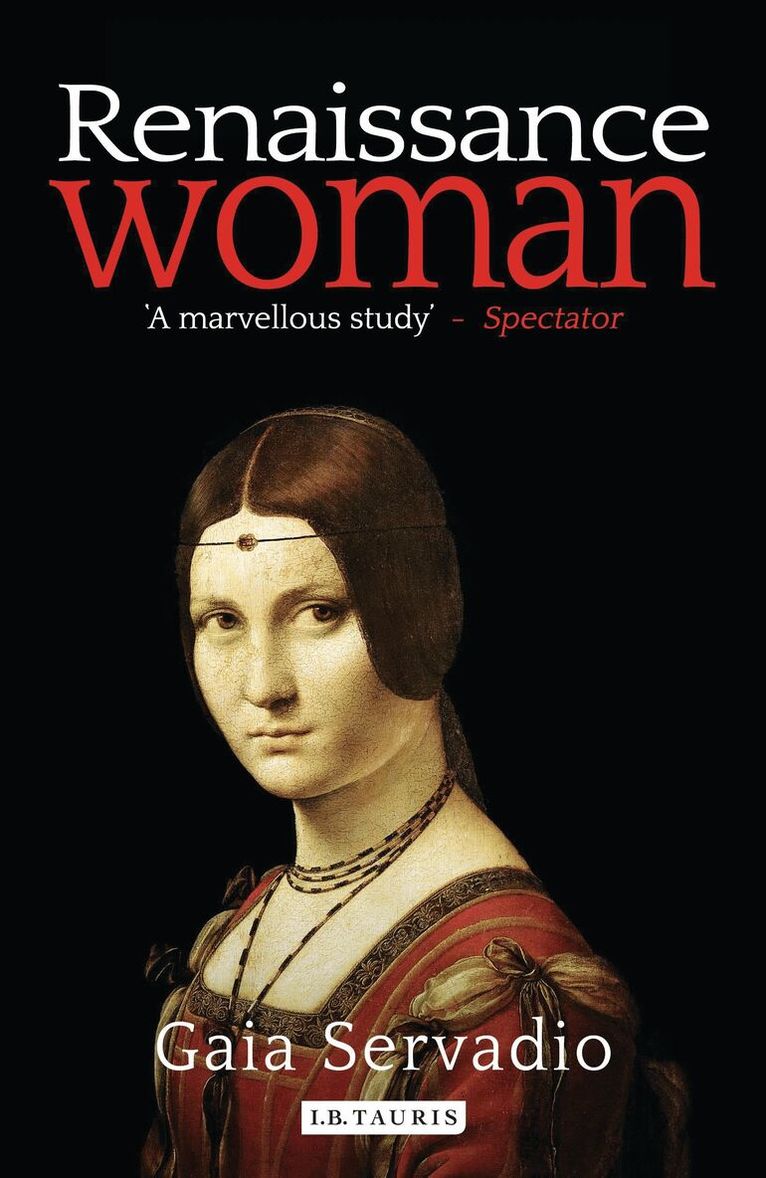
Renaissance Woman
Häftad, 2015
321 kr
Lägg i varukorg
The Renaissance created a new vision of womanhood and indeed a "New Woman," proposes Gaia Servadio in this rich feast of a book. She dates the birth of this revolutionary movement to the invention of the printing press in 1456, which made books-and hence education-available to women. Central to her …
Renaissance Woman
Inbunden, 2008
979 kr
Lägg i varukorg
The Renaissance created a new vision of womanhood and indeed a "New Woman", proposes Gaia Servadio. Central to her theory are the lives of women like Vittoria Colonna, lover of Michelangelo, Tullia d'Aragona, the best known courtesan of her age, and the French poet Louise Labe, who fought in battle …
Tuscany and Umbria
Häftad, 2011
106 kr
Lägg i varukorg
Gaia Servadio is an Italian writer, long settled in Britain, who has retained a passionate relationship with her motherland and those who have expressed this in verse. The cast she has assembled has a spell-binding intensity, so that the reader twists between Byron and Dante, flickers between the …