Gale E. Christianson – författare
Visar alla böcker från författaren Gale E. Christianson. Handla med fri frakt och snabb leverans.
7 produkter
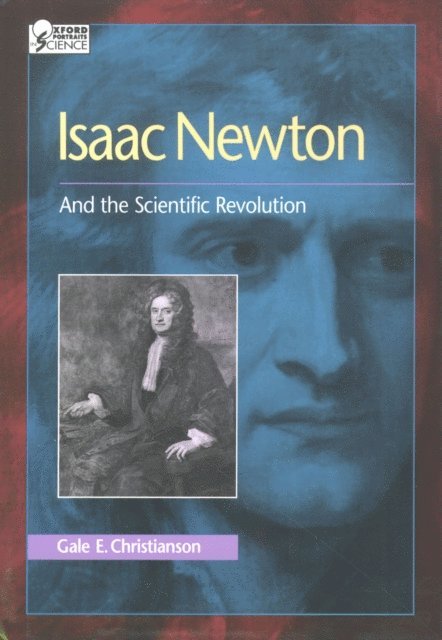
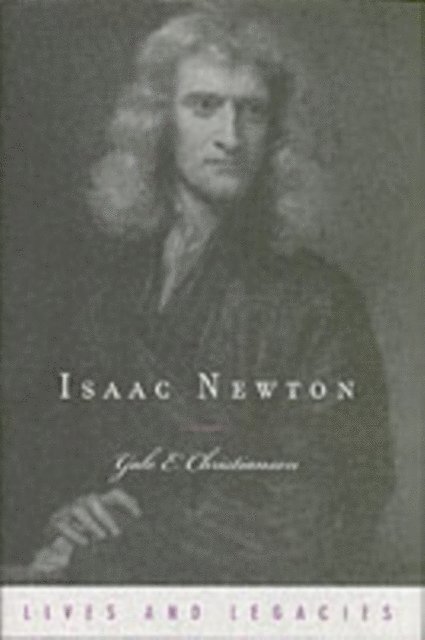
Isaac Newton
And the Scientific Revolution
E-bok, 1996
388 kr
Lägg i varukorg
In 1665, when an epidemic of the plague forced Cambridge University to close, Isaac Newton, then a young, undistinguished scholar, returned to his childhood home in rural England. Away from his colleagues and professors, Newton embarked on one of the greatest intellectual odysseys in the history of …
Isaac Newton
E-bok, 2005
235 kr
Lägg i varukorg
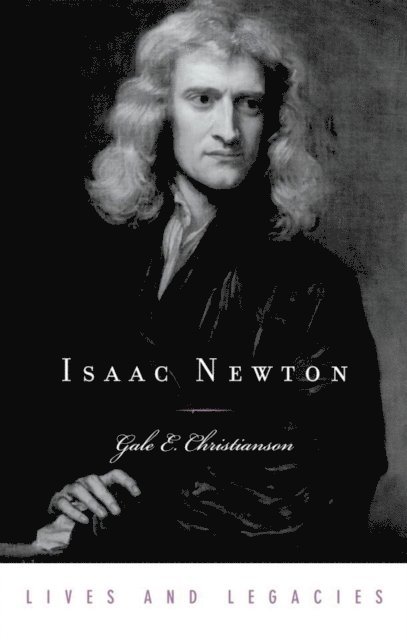
Quarrelsome and quirky, a disheveled recluse who ate little, slept less, and yet had an iron constitution, Isaac Newton rose from a virtually illiterate family to become one of the towering intellects of science. Now, in this fast-paced, colorful biography, Gale E. Christianson paints an engaging …
Isaac Newton
And the Scientific Revolution
Inbunden, 1996
517 kr
Lägg i varukorg
In 1665, when an epidemic of the plague forced Cambridge University to close, Isaac Newton, then a young, undistinguished scholar, returned to his childhood home in rural England. Away from his colleagues and professors, Newton embarked on one of the greatest intellectual odysseys in the history of …
Isaac Newton
Inbunden, 2005
351 kr
Lägg i varukorg
Quarrelsome and quirky, a disheveled recluse who ate little, slept less, and yet had an iron constitution, Isaac Newton rose from a virtually illiterate family to become one of the towering intellects of science. Now, in this fast-paced, colorful biography, Gale E. Christianson paints an engaging …
Isaac Newton
E-bok, 2005
265 kr
Lägg i varukorg
Quarrelsome and quirky, a disheveled recluse who ate little, slept less, and yet had an iron constitution, Isaac Newton rose from a virtually illiterate family to become one of the towering intellects of science. Now, in this fast-paced, colorful biography, Gale E. Christianson paints an engaging …
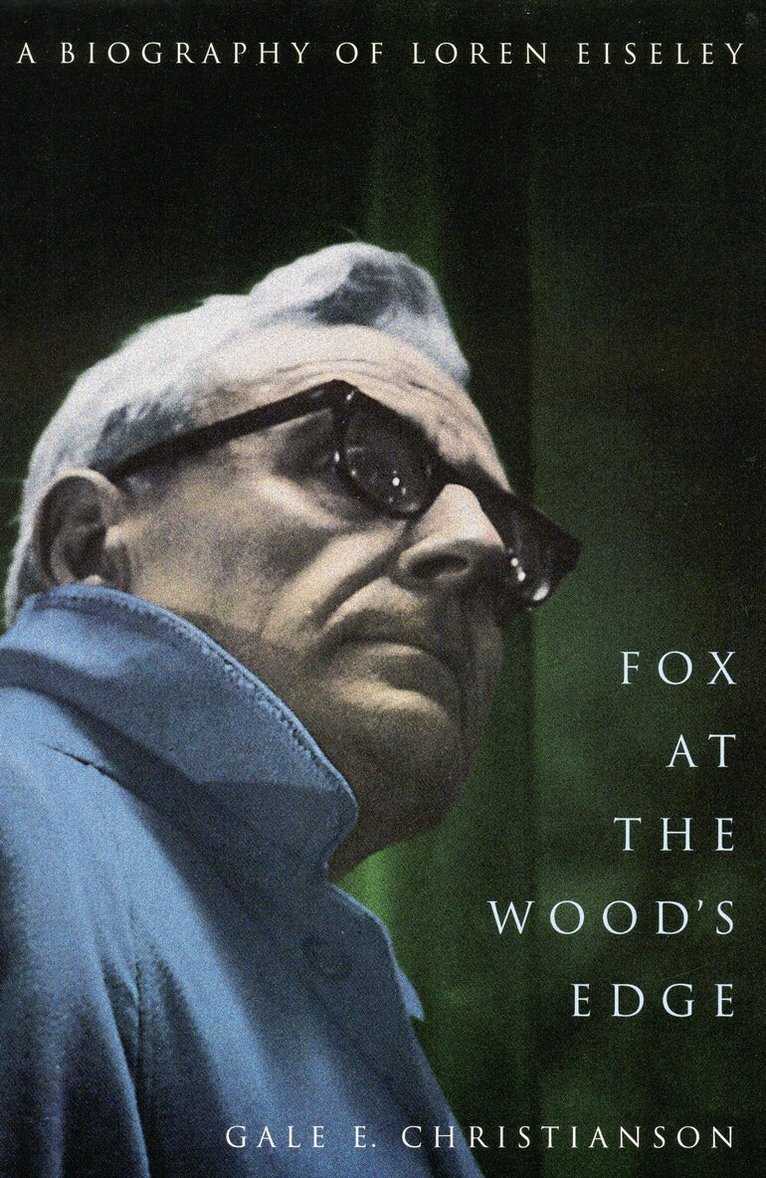
Fox at the Wood's Edge
A Biography of Loren Eiseley
Häftad, 2000
351 kr
Lägg i varukorg
Loren Eiseley challenges us to this day with his uneasy interpretation of humanity's place in the world. The haunting melancholy that pervades much of Eiseley's work grew out of a loveless childhood in which he spent much time alone in the natural world. His mother was mentally ill and his father, …
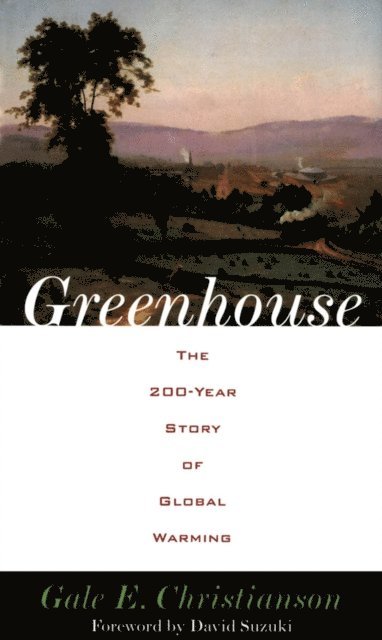
Greenhouse
E-bok, 2009
159 kr
Lägg i varukorg
For historian Gale Christianson , the emergence of global warming is one of the most compelling stories in the history of humankind, made all the richer for having been a slowly developing phenomenon. In his brilliantly constructed book Greenhouse , Christianson blends the research of a scholar …