Gareth Glover – författare
Visar alla böcker från författaren Gareth Glover. Handla med fri frakt och snabb leverans.
20 produkter
20 produkter
Inbunden, Engelska, 2025
316 kr
Skickas
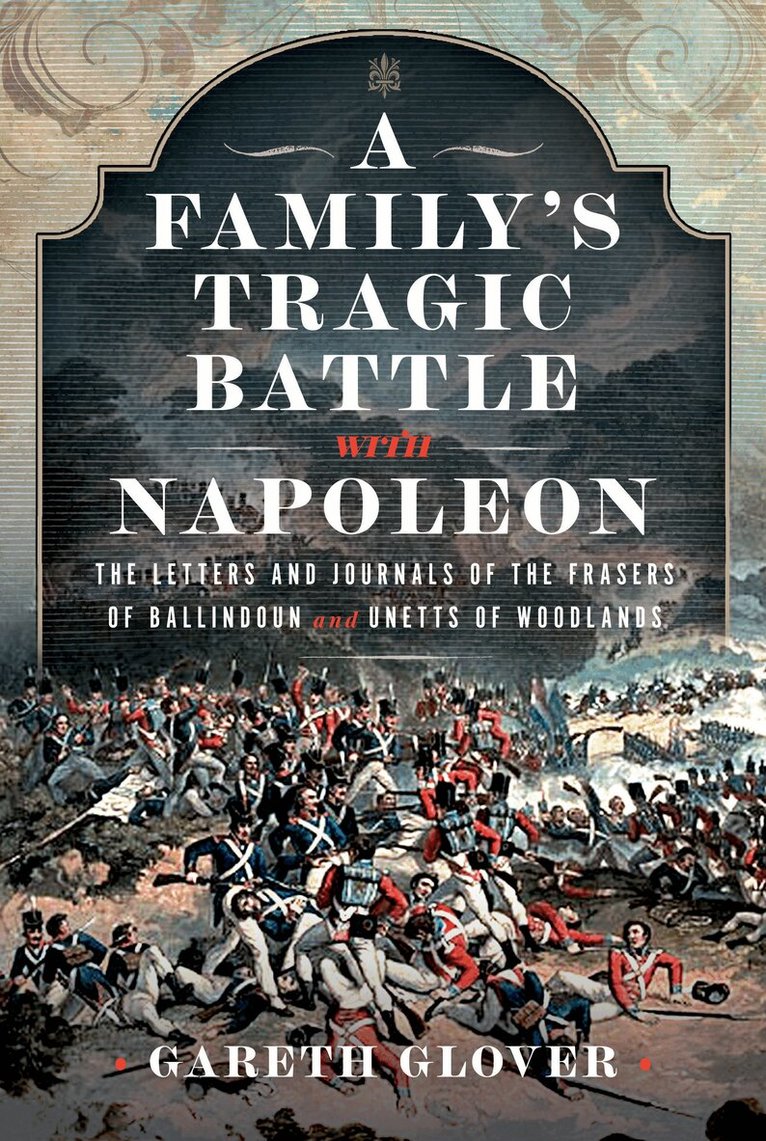
Captain John Grant Fraser of the Royal Artillery had succeeded to the titles of Ballindoun and Kinneries via the unexpected death of his elder brother James Fraser on 1 May 1791. John Grant died in 1798 and the title passed to his eldest son Baillie Fraser, their uncle Hugh acting as guardian until his coming of age.James Baillie Fraser joined the Army and rose to the rank of lieutenant in the 7th Fusiliers, serving in the Peninsular war. His younger brother Alexander John Fraser also joined the Army serving in the peninsula, becoming a lieutenant in the 52nd Foot. Both wrote home regularly to their sister Ann and gave fascinating details of life at war, but tragically James was killed at the Battle of Sorauren on 28 July 1813 and his brother Alexander was severely wounded and died at Bera on 20 October the same year. Within six months the war had ripped the heart out of the family.The estates passed to Ann, who tragically died on 16 December 1816, the whole then passing to their uncle Hugh. He sold the estates and the family ties to Ballindoun and Kinneries were broken for ever – effectively destroyed by the Napoleonic wars.Beyond the letters from Ann’s two tragic brothers, her collection also includes much material from her uncles on her mother’s side who were also heavily involved in the wars. George Wilkes Unett, Royal Artillery, served in the West indies, Martinique, Copenhagen and Waterloo, whilst his other brother Richard Wilkes Unett served in the West Indies. Their letters show clearly how the war was indeed a World War and how families were sucked into this ever hungry meatgrinder.Finally we have the fascinating journal of their brother John Wilkes Unett, a solicitor by trade but who happened to travel to Paris to visit his brother and experience the city shortly after the allies had taken possession in 1815.These letters and journals provide a fascinating insight into the lives of an ordinary family in extraordinary times and how two sudden tragedies destroyed it.
Häftad, Engelska, 2027
182 kr
Kommande
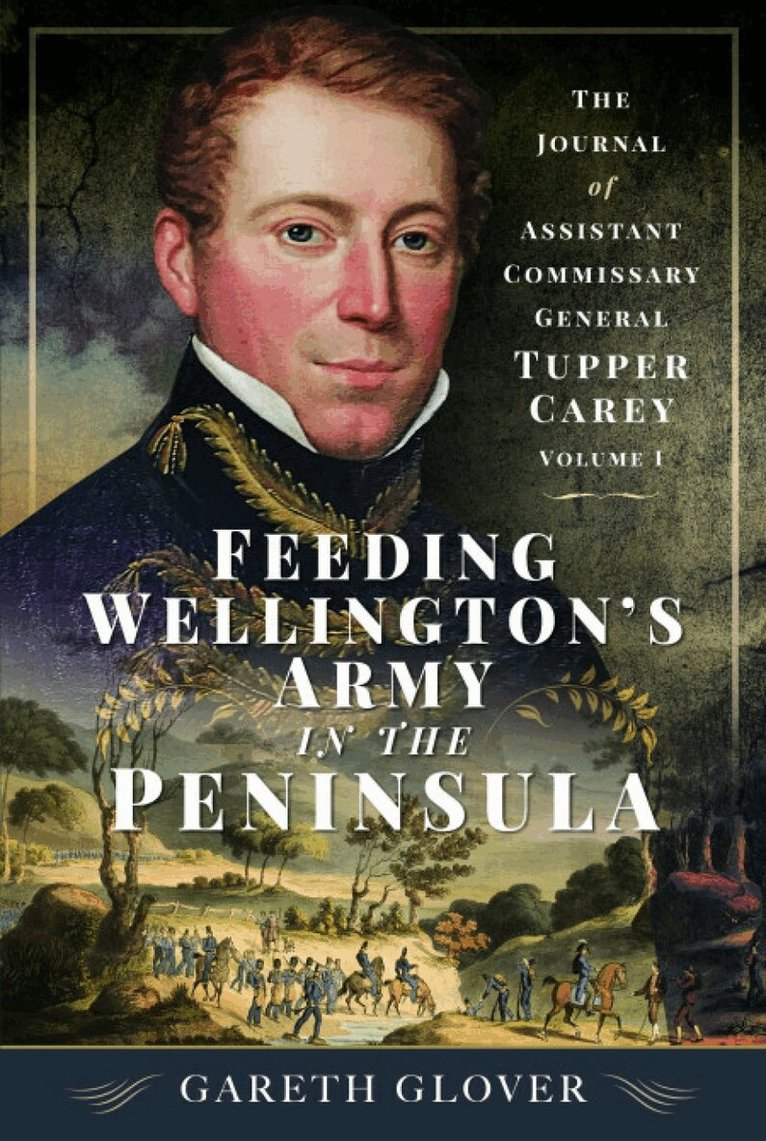
Transcribed for the first time from Commissary General Tupper Carey's handwritten journals, this is the first of two volumes which cover the lively career of a Commissary who served throughout the Peninsular war and Waterloo campaign.Written with vivid detail, these journals offer a truly unique window into the life of a Commissary and the campaigns in which he served. Although a civilian and greatly discouraged from putting himself in mortal danger, Tupper was often to be found watching the fighting from some nearby vantage point and often describes the actions he witnessed, particularly where it affected his own charge, whether a battalion, a brigade or even later an entire division. Interspersed with these primary roles, he was often seconded to form supply bases in the rear of the army, or to hastily remove or destroy stores when threatened by enemy advances. He also talks freely about fellow officers, and being a private journal written simply for the eyes of his immediate family, he is not shy in giving his honest opinions of both his subordinates or indeed his superiors.This first volume covers Tupper's early life, joining as a clerk and his early years as a Commissary up until the spring of 1813, just before the Duke of Wellington launched his troops on that memorable campaign, designed to drive the French back out of Spain, across the Pyrenees. Also detailed are Tupper's role in the Corunna campaign, The Border War, Battle of Salamanca and the Siege of Burgos.The rest of Tupper’s incredible career will be covered in the second volume.
Inbunden, Engelska, 2024
323 kr
Skickas
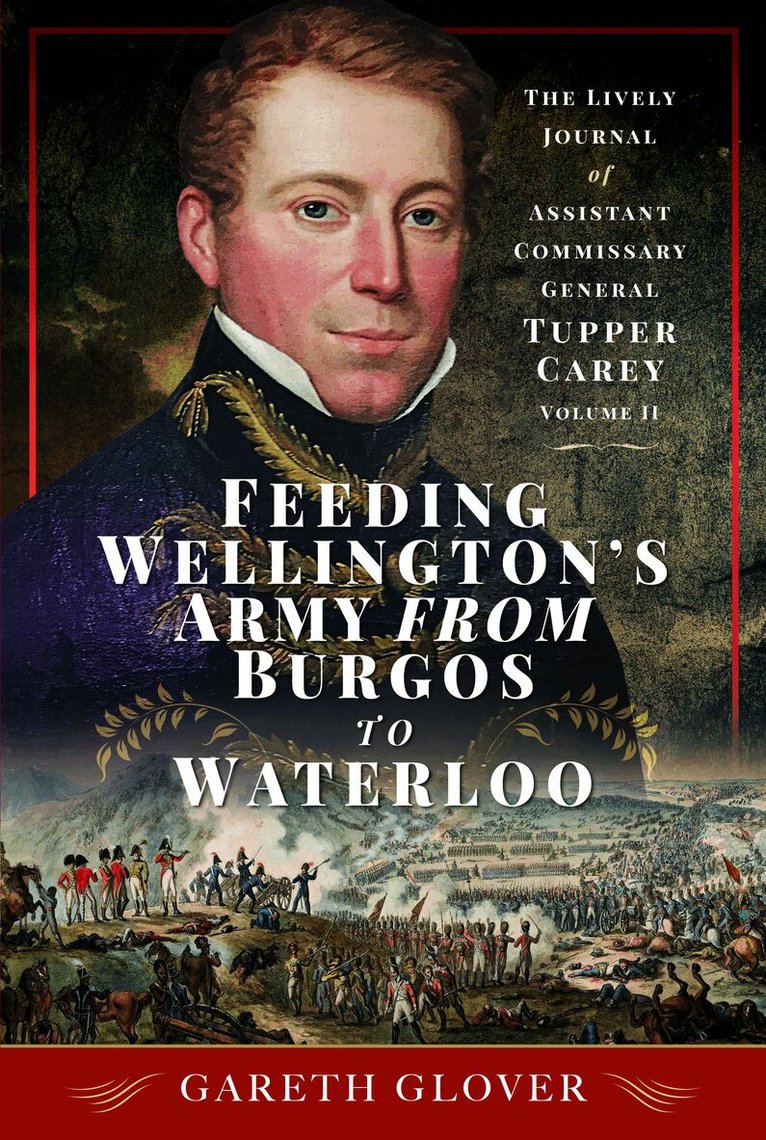
Transcribed for the first time from Commissary General Tupper Carey's handwritten journals, this is the second of two volumes which cover the lively career of a Commissary who served throughout the Peninsular war and Waterloo campaign.Written with vivid detail, these journals offer a truly unique window into the life of a Commissary and the campaigns in which he served. Although a civilian and greatly discouraged from putting himself in mortal danger, Tupper was often to be found watching the fighting from some nearby vantage point and often describes the actions he witnessed, particularly where it affected his own charge, whether a battalion, a brigade or even later an entire division. Interspersed with these primary roles, he was often seconded to form supply bases in the rear of the army, or to hastily remove or destroy stores when threatened by enemy advances. He also talks freely about fellow officers, and being a private journal written simply for the eyes of his immediate family, he is not shy in giving his honest opinions of both his subordinates or indeed his superiors.This volume covers the period from the launch of Wellington’s great advance into Spain in 1813 until the end of the war in 1814, the Waterloo campaign of 1815 and the Army of Occupation in France from 1815 to 1818, when Tupper became arguably the most important Commissary working for the Duke of Wellington.
Inbunden, Engelska, 2024
364 kr
Skickas
For such a famous regiment as the 42nd Regiment of Foot (The Black Watch), the number of published memoirs is surprisingly low. The discovery of the three hand-written journals in the collection of the National Library of Scotland covering the period from August 1808, when the regiment left Gibraltar for Lisbon until the end of 1813, are therefore of significant importance in our understanding of the actions of this regiment during the Peninsular War.James Stirling became an Ensign by purchase in the 42nd Foot on 14 August 1805 at the age of thirteen, vice Ensign Thomas Munro. He then rose to the rank of Lieutenant without purchase on 27 August 1807. Stirling served in the Peninsula with 42nd Foot from September 1808 to January 1809, then at Walcheren and again in the Peninsula from May 1812 to August 1813 (from October 1812 as Aide de Camp to his father Major General James Stirling). On his father's retirement from active service, he joined the Portuguese Army from 9 November 1813 as a Brevet Captain in the 11th Line Regiment, remaining with them until 13 October 1814. He then became a Captain in the 42nd by purchase on 11 May 1815. He saw action at Walcheren, Corunna, Salamanca, Burgos, the Pyrenees, Orthez and Toulouse. He retired from the army in 1817 and died on 20 January 1818 aged only 25 years old.These absorbing and revealing journals cover Captain James Stirling’s entire period of active service with the 42nd Foot, as well as the time he served with the Portuguese forces until the end of 1813, his sudden death preventing him from completing the record of his service with the Portuguese Army in 1814. Author Gareth Glover provides explanatory notes throughout to add extra context to Stirling’s commentary, making this book accessible for both the historian and enthusiast.
Inbunden, Engelska, 2024
323 kr
Skickas
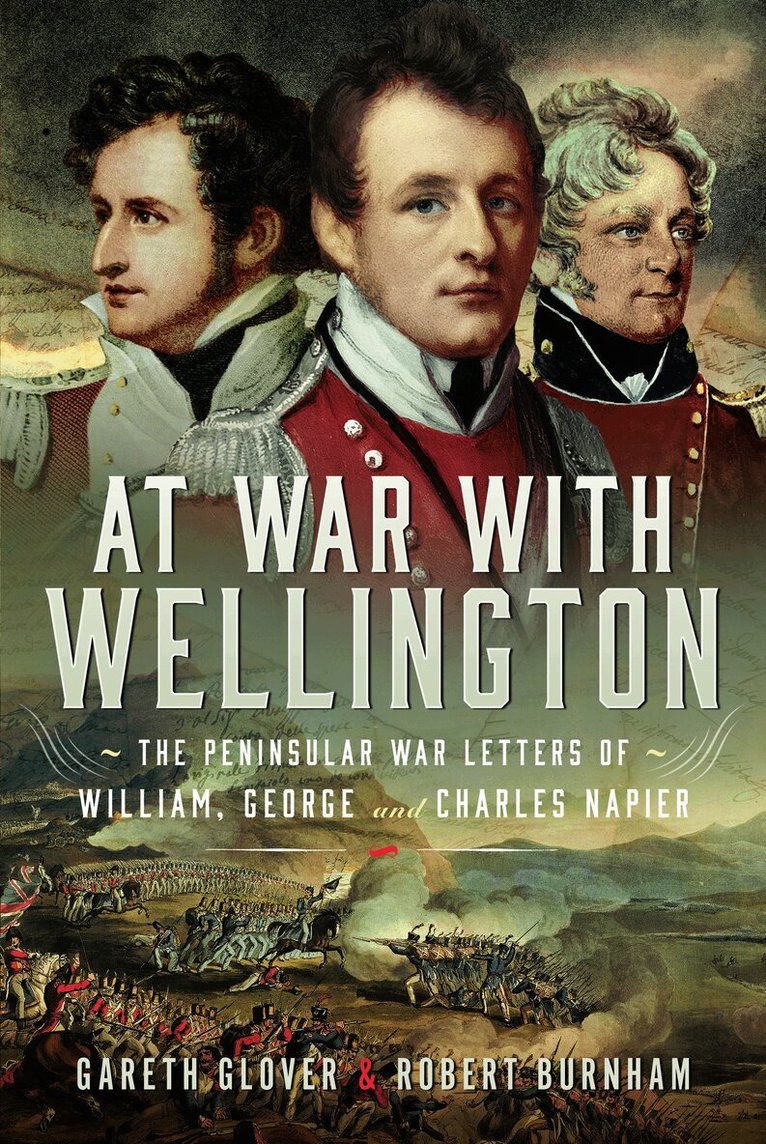
The Napier family are famous for their military exploits in the Peninsular War. Charles served in the 50th and 102nd Foot, George in the 52nd and 71st Foot and William (the famous historian of the Peninsular War) who served with the 43rd Foot. Two or three of them were always serving in the Peninsula at any given time and all suffered a number of severe wounds.William has a basic biography written of him and his famous _History of the Peninsular War_ is littered with his personal and professional prejudices; Charles wrote a form of autobiography, mostly dealing with his later India campaigns; and virtually nothing has been written on poor George, despite the fact that he commanded the storming party at Ciudad Rodrigo, where he was severely wounded. However, much of this writing emanates from decades after they fought, when memories and changing political attitudes had clearly affected their writing._At War With Wellington_ focuses on their private letters penned immediately from the front, without that dreaded hindsight. They are packed with detail of the horrors of battle and siege warfare, but also show life in the Army, the close bond between the three brothers while serving close to each other in action and also with their mother at home, who clearly had constant fears that her three boys would never come home again. All three did survive but were all badly maimed during this war.Their individual exploits are legion, but no one has ever brought all of this material together in one book, until now. Between them, they participated in almost every action in the six-year war and two of them participated in the Army of Occupation in France from 1815-18, although none were at the Battle of Waterloo.Their close relationships with many senior officers of the period, gives a rare glimpse into the thinking of the generals and helps us understand how the decisions were made and with what information they were formed. Being also politically active, it is fascinating to hear their views on both political matters at home and the Allied cause against France.This material is both absorbing and revealing. It adds much to our understanding, primarily of the Napier’s themselves, but also the effects of a world war on the family dynamics, the political upheavals surrounding it, the failures of the Allied campaigns and even the perceived failings of the senior officers in their promotion of the war effort, which are expressed vehemently._At War With Wellington_ opens a window onto a different view of the war, from very experienced soldiers, but with very different political leanings, and will cause readers to question some of their long-held views.
Häftad, Engelska, 2026
167 kr
Skickas
It is often forgotten that Britains struggle against Napoleon ranged across the continents, and the extensive operations of the Royal Navy and the British Army in the Mediterranean was a key battleground in this prolonged war of attrition. Even when Napoleon considered himself the master of Europe, he was unable to control the Mediterranean.Lieutenant John Hildebrand arrived in the Mediterranean as part of the garrison of Malta in 1810. He was then involved in the defence of the island of Sicily; the campaign to capture the Ionian Islands; the siege of Ragusa, and the Occupation of Corfu. With the war ending in 1814, John and his regiment returned home, only to be sent to Belgium when Napoleon escaped from Elba in 1815. The regiment was not involved at Waterloo, but was at Hal which guarded Wellingtons flank during the battle. He then marched to Paris with the army.These lively and entertaining memoirs, edited and annotated by renowned historian Gareth Glover, are certain to find a wide readership amongst Napoleonic enthusiasts, providing an intriguing counterpoint to Wellingtons operations in the Iberian Peninsula.In a few minutes we perceived two fully armed boats with stout rowers dart from it, with all the energy and alacrity of making a certain capture. I was dismayed at the scrape I had got into, and could not see a possibility of escape.' Lieutenant Hildebrand at the Capture of the Ionian Islands
Häftad, Engelska, 2023
254 kr
Skickas
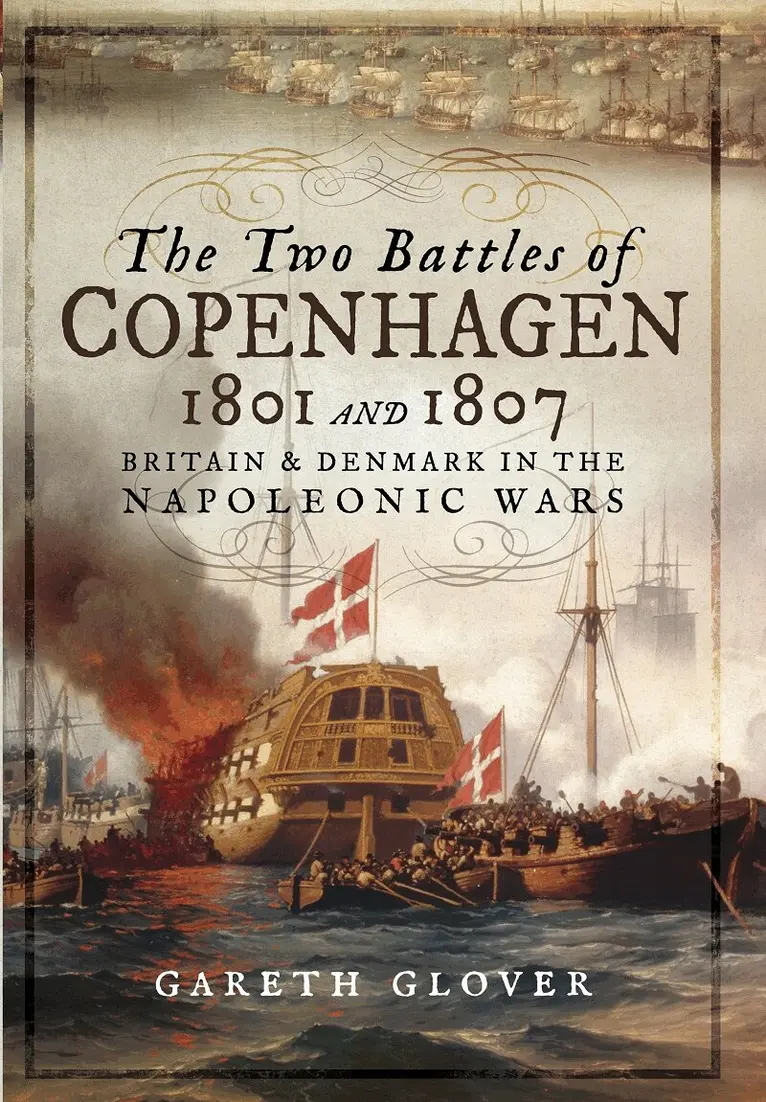
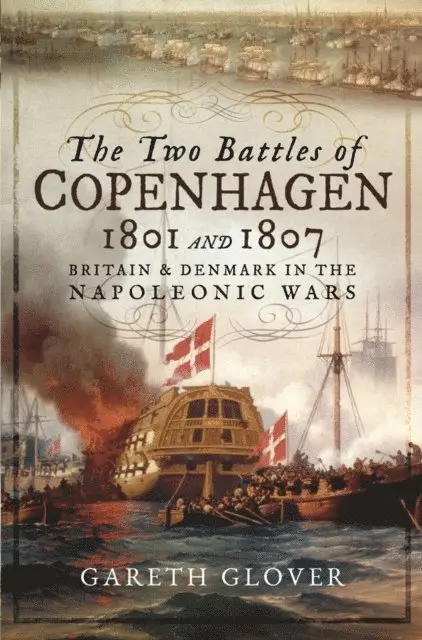
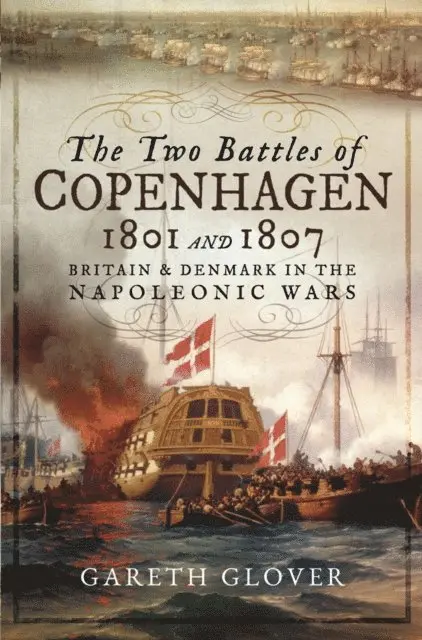
The Danish capital of Copenhagen was the site of two major battles during the Napoleonic Wars, but the significance of the fighting there, and the key role the country played in the conflict in northern Europe, has rarely been examined in detail. In this absorbing and original study Gareth Glover focuses on these two principal events, using original source material to describe them from the British and Danish perspectives, and he shows how they fitted into the little-understood politics of this region during this turbulent phase of European history.The first Battle of Copenhagen in 1801 - the naval battle celebrated in Britain as one of Nelson's great victories - and the second - the British army's assault on the city in 1807 in which Wellington played a prominent part - were episodes in the continental struggle to resist the power of the French. Gareth Glover describes these events in vivid detail, quoting extensively from the recollections of eyewitnesses on both sides. His account is fascinating reading and an important contribution to the history of the period.
Inbunden, Engelska, 2023
262 kr
Skickas
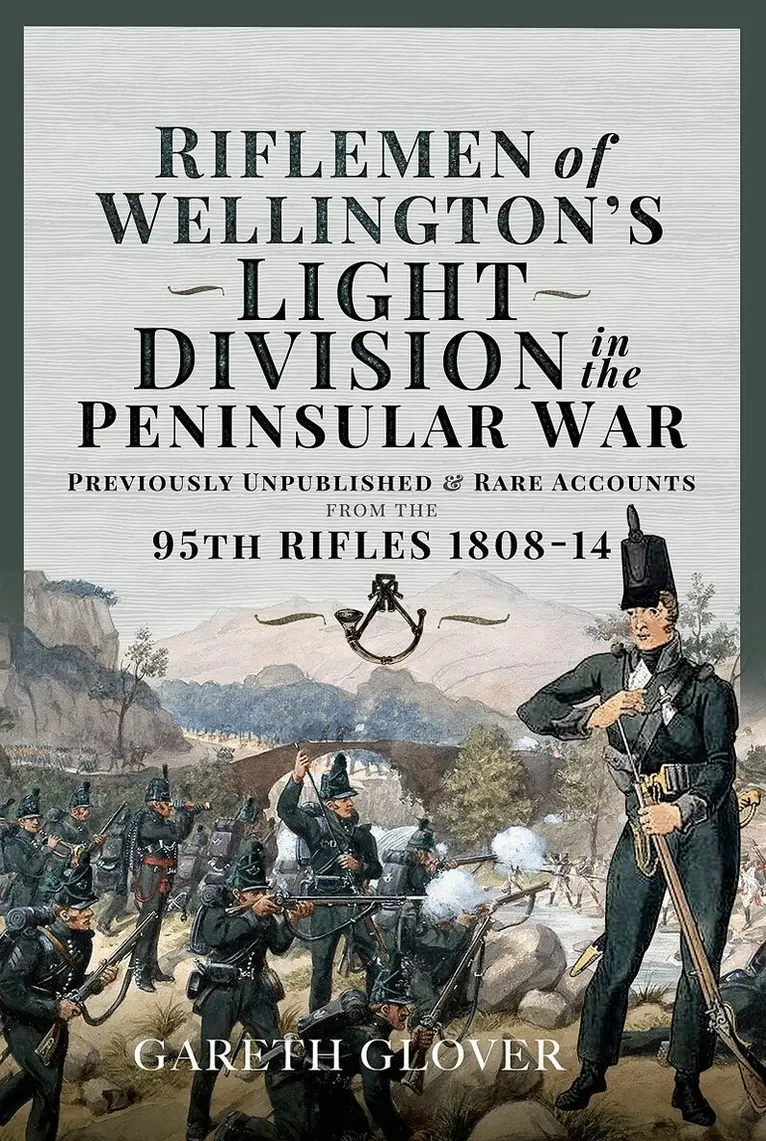
No other regiment in Wellington's Peninsular army can compare with the 95th Rifles. Even before Bernard Cornwell's Sharpe novels and television series, the Rifles were the most famous of all the British Army's fighting formations.Unlike the red-coated regiments of the Line, the Riflemen were trained to act with a degree of independence, selecting their own targets in battle. As a result, a number of the officers and some of the men were more literate than their counterparts in the Line, or at least were more willing to record their experiences fighting the French. Consequently, many of the finest memoirs of the era have come from the pens of the likes of Harry Smith, Johnny Kincaid and Riflemen Harris and Costello, and have found their places on the shelves of every enthusiast of the era.However, these well-known works were written years after the fighting when memories had faded and were bulked out with incidents borrowed from others and heavily edited with grand descriptions of derring-do' for their Victorian audience, and heavily constrained by the strict morals of the day. Through many years of research, Gareth Glover has uncovered other memories written by members of the 95th which have never been published before or have not been brought to the attention of the present-day public, that were written at the time. These honestly state what really happened on the battlefields of Spain and Portugal - the suffering, the awkward incidents, the rumours and camp gossip - presenting a very different picture of life in Wellington's army than the sanitised versions we have been presented with until now.Also included are rare or unpublished memoires written by members of the staff of the Light Division, enabling the reader to understand the division's command structure and organisation to provide a rounded and realistic vision of this famous fighting force.
Inbunden, Engelska, 2022
262 kr
Skickas
John Gordon Smith wrote one of the most vivid, honest and readable personal accounts of the Battle of Waterloo and the ensuing campaign, where he served as a surgeon in the12th Light Dragoons, but his classic narrative was only published in a limited edition in the 1830s and since then it has been virtually unknown. His warts-and-all depiction of the British army in Belgium and France and the fighting at Waterloo rivals many of the more famous and often reprinted military memoirs of the period. That is why Gareth Glover, one of the foremost experts on the battle and the archive sources relating to it, has sought to republish the narrative now, with a full introduction and explanatory notes.Smith's account reads like a novel, in a chatty, easy-going style, but it often records deeply shocking scenes and behaviour so scandalous that he had to avoid naming names. As well as recalling, in graphic detail, his experience as a medic during the battle, he records the aftermath, the allied occupation of France. His writing, which describes the truly dreadful consequences of the fighting as only a surgeon would see them, also gives the reader a rare insight into his role and a memorable impression of the life in the army as a whole.
Inbunden, Engelska, 2022
265 kr
Skickas
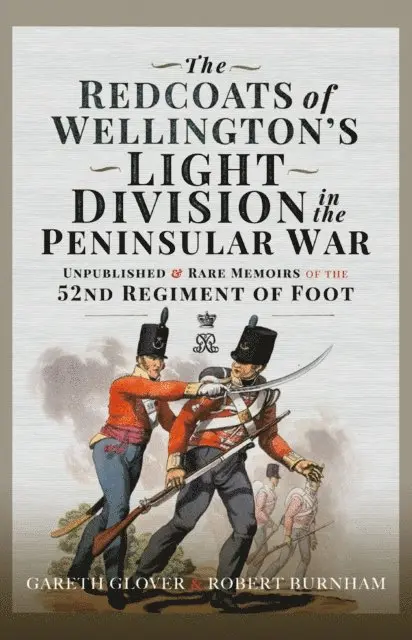
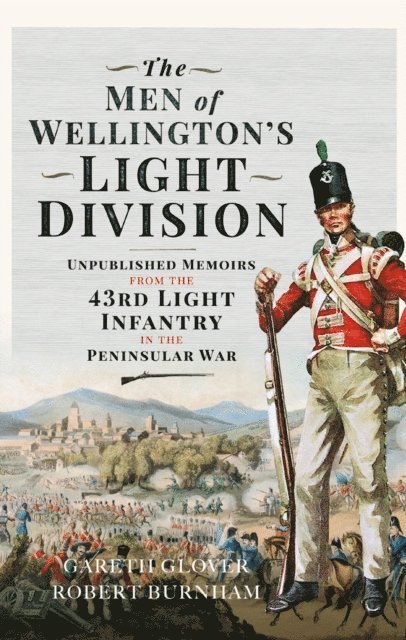
Some of the most famous memoirs of Britain's long war against Napoleon have come from the pens of members of Wellington's Light Division, but many wonderful accounts were never published and have sat in archives, libraries, museums, and private collections, forgotten for 200 years.The regiments of the Light Division, and its predecessor, the Light Brigade, were involved in almost every major battle and skirmish fought by Wellington and Sir John Moore in the Peninsular War. Unlike the line infantry, these men were encouraged to think and fight independently and were, often, of a higher educational standard, resulting in vivid descriptions of warfare and campaign life.However, these memoirs do not simply cover old ground. Many of these accounts were produced within hours, or at most days, after the incidents they describe, and they often portray a very different view of many famous events and cause us to question numerous claims made in those later published memoirs.Never intended to be published, the memoirs in this book were written only for the men themselves and their families, being penned without the dreaded influence of hindsight' to alter and temper their views. Consequently, they provide brutally honest assessments of their senior officers, how operations were handled and who made mistakes that have subsequently been quietly covered over.The Men of Wellington's Light Division is certain to be welcomed by historians and enthusiasts alike, providing a glimpse into the past that has not been seen before.
Inbunden, Engelska, 2017
262 kr
Skickas
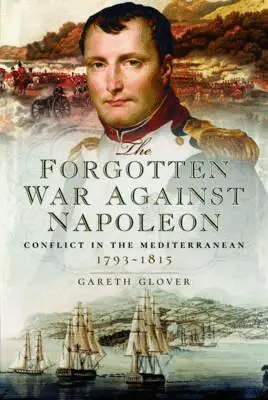
The campaigns fought against Napoleon in the Iberian peninsula, in France, Germany, Italy and Russia and across the rest of Europe have been described and analysed in exhaustive detail, yet the history of the fighting in the Mediterranean has rarely been studied as a separate theatre of the conflict. Gareth Glover sets this right with a compelling account of the struggle on land and at sea for control of a region that was critical for the outcome of the Napoleonic Wars. The story of this twenty-year conflict is illustrated with numerous quotes from a large number of primary sources, many of which are published here for the first time.
Inbunden, Engelska, 2017
265 kr
Skickas
William Clarke of Prestonpans, Scotland, joined the 2nd Royal North British Dragoons, the Scots Greys, in 1803\. Clarke had risen to the rank of sergeant by the time the regiment was ordered to Belgium on the news that Napoleon had escaped from Elba. Forming part of what became known as the Union Brigade, the Scots Greys played a key role in Napoleon s defeat at Waterloo. The John Rylands Library, Manchester, recently acquired William Clarke s 600-page, hand-written memoir describing his enlistment and military career, the highlight of which was the Waterloo campaign, which he describes in unusual detail in the vernacular of the day, presented and annotated by the renowned historian Garth Glover. Thanks to this rare discovery, the reader can follow the movements of the Scots Greys at every stage of the action throughout the three days from Quatre-Bras to that climatic encounter on the Mont St Jean.Clarke naturally portrays the charge of the Union Brigade in dramatic and heroic terms, but he claims that the man who led the charge, Major General William Ponsonby, was killed by a musket ball and not cut down by French cavalry, as is usually stated, for recklessly charging too far. After the battle, Clarke was part of the Burial Party. He then graphically describes the sad scene as he does the trail of the defeated French army as the pursuing Prussians cut a merciless path on their way to Paris. A Scots Grey at Waterloo provides the reader with an exceptionally in-depth account of the actions of the cavalry at Waterloo that will mark this memoir out as one of the most significant to have been published in the last 200 years.
Inbunden, Engelska, 2021
262 kr
Skickas
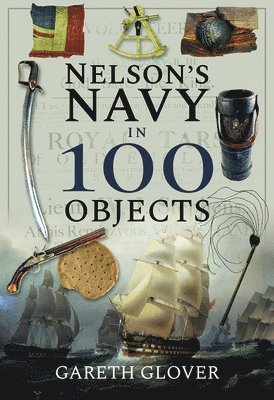
The Royal Navy of Nelson's time was such a huge organisation, that it is sometimes hard to comprehend its full scope. Indeed, during the Napoleonic Wars it was by far the largest employer in the entire world.Not only did the Royal Navy maintain a fleet of close on 1,000 ships, including over 100 line of battle ships, but it was also responsible for the entire organisation of maintaining them at sea. From the recruitment of crews, the maintenance and protection of bases throughout the world, the production and delivery of food supplies to feed this vast fleet and the procurement of naval supplies to keep the ships at sea, it was all the responsibility of this vast organisation.The Royal Navy was often Britain's last line of defence and many of its most successful officers became superstars, although none eclipsed Admiral Lord Nelson, who became the personification of the Navy. The whole country revelled in their successes and 'Jolly Jack Tar' became a source of national pride and a huge number of naval terms were taken into normal life and many are often still used to this very day._Nelson's Navy in 100 Objects_ investigates all aspects of this incredible organisation and the lives of the men who served within it, including Nelson himself, using historical artefacts and naval terms that are now part of everyday language to illustrate them.
Häftad, Engelska, 2030
380 kr
Kommande
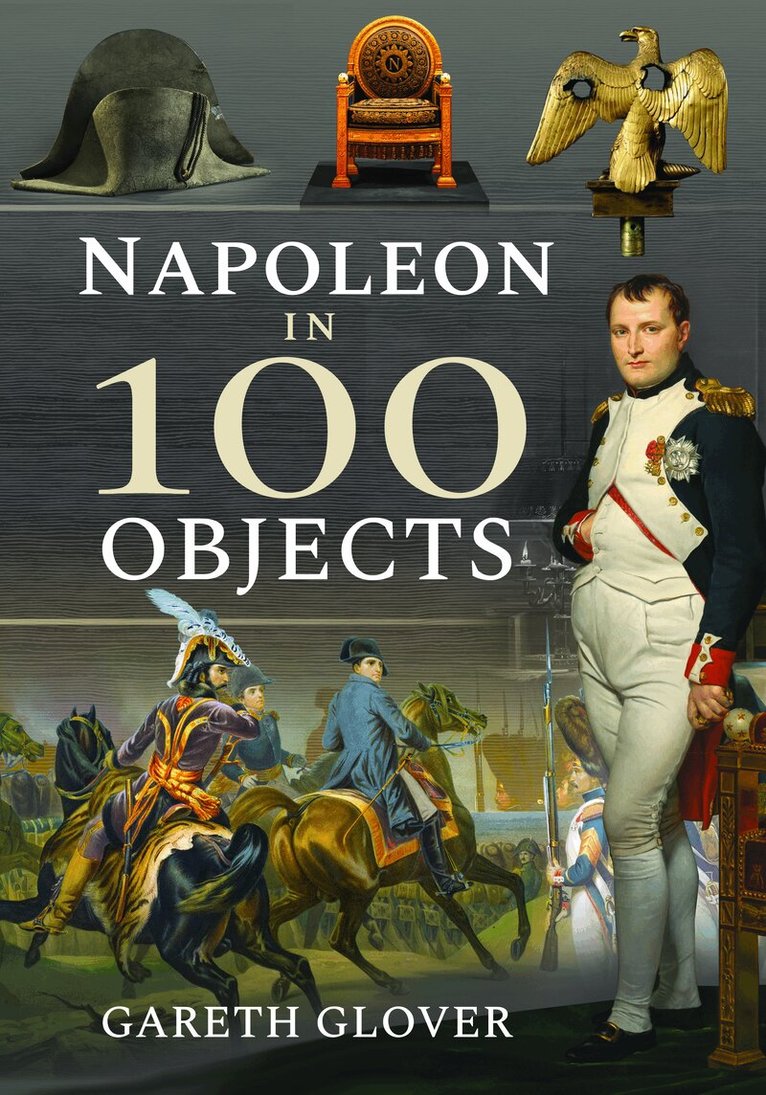
For nearly two decades, Napoleon Bonaparte was Europe’s most feared and revered leader, ruling over vast territories from the Baltic to the Mediterranean. This book chronicles his rise from a young Corsican with a strange accent to Emperor of the French at just thirty-three. It explores his remarkable achievements, including the expansion of his Imperial Guard from a small bodyguard to a formidable army, and the great battles of Marengo, Austerlitz, Jena, and Wagram.Napoleon's ambitious Egyptian campaign, which led to the discovery of the Rosetta Stone and the deciphering of hieroglyphs, is also examined. However, his ill-fated invasion of Russia in 1812 marked the beginning of his downfall. The harsh weather and vast distances devastated his army, and though he returned from exile to lead France in battle again, his final defeat at Waterloo in 1815 ended his reign.Through a detailed exploration of Napoleon’s life, battles, and legacy, the author examines key objects and people that defined this tumultuous era. Despite his downfall, Napoleon's influence persists in French legal and social systems, and he remains as enigmatic today as he was 200 years ago, his name still synonymous with one of history’s most significant periods.
Häftad, Engelska, 2026
172 kr
Kommande
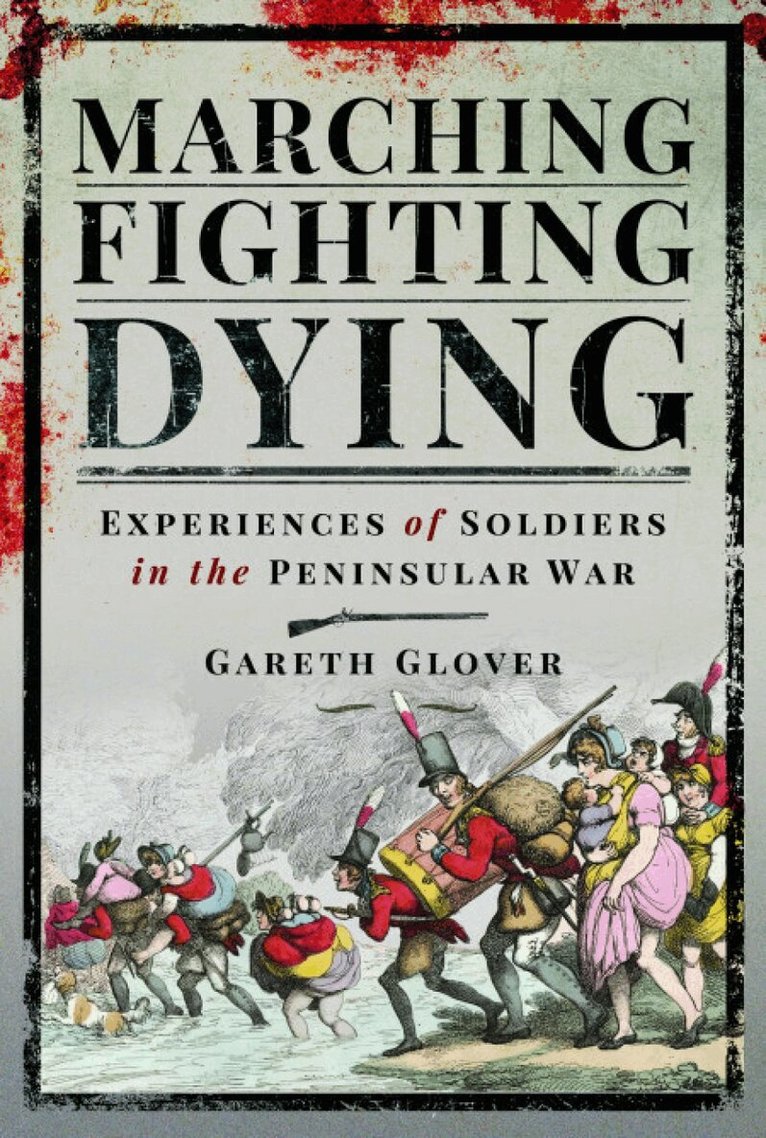
Gareth Glover, who has established a reputation as a leading authority on the Napoleonic Wars, uses letters sent home from the Peninsular War by British soldiers to give a candid account of what it was like to serve in the army during the long campaign against the French. The vivid excerpts, which are set in their historical context by the author’s expert commentary, are largely drawn from the correspondence of the other ranks, and they fully explore the everyday experience of these men through their own words.Only extracts from letters written during the campaigns are quoted – journals written much later for publication are discounted – so a true picture of life in the army at war comes out directly, as it was perceived at the time. Every aspect of the soldiers’ experience is covered, from the fatigue and discomfort of existence on military service to the reality of combat and their feelings when a comrade was wounded or killed. The letters reveal so much about their attitude to the enemy, civilians and the men who served alongside them.Since this was the first war in history where regular postal services operated – and since a rising number of soldiers were able to read and write – their letters offer us an insight into men at war that has never been recorded before.
Del 158 - From Reason to Revolution 1721-1815
With Wellington's Cavalry
The Letters & Journals of the Luard & Dalbiac brothers during the Peninsular and Waterloo Campaigns
Häftad, Engelska, 2026
316 kr
Skickas
Häftad, Engelska, 2025
232 kr
Skickas
Explore the legacy of one of the greatest battles in military history – the Battle of Waterloo – through this finely crafted collection of objects, each telling their own story of the day.Bullet-pierced armour and dramatic battledress bring you closer to the heart of the action, and the tragedy of the death toll is made ever more poignant by the personal mementoes left behind.From the grim reality of the teeth of the dead turned into dentures to the romance of Napoleon’s steeds, swash-buckling swords and ballgowns, each object offers new insight into the incredible events that unfolded on 18 June 1815.This is a fascinating journey through 100 objects, from the rare to the memorable, in a unique testimony to the importance of the Battle of Waterloo, 200 years on.
Häftad, Engelska, 2019
347 kr
Skickas inom 3-6 vardagar
Inbunden, Engelska, 2018
262 kr
Tillfälligt slut
The Danish capital of Copenhagen was the site of two major battles during the Napoleonic Wars, but the significance of the fighting there, and the key role the country played in the conflict in northern Europe, has rarely been examined in detail. In this absorbing and original study Gareth Glover focuses on these two principal events, using original source material to describe them from the British and Danish perspectives, and he shows how they fitted into the little-understood politics of this region during this turbulent phase of European history.The first Battle of Copenhagen in 1801-the naval battle celebrated in Britain as one of Nelson's great victories-and the second-the British army's assault on the city in 1807 in which Wellington played a prominent part-were episodes in the continental struggle to resist the power of the French. Gareth Glover describes these events in vivid detail, quoting extensively from the recollections of eyewitnesses on both sides. His account is fascinating reading and an important contribution to the history of the period.
Häftad, Engelska, 2020
182 kr
Tillfälligt slut
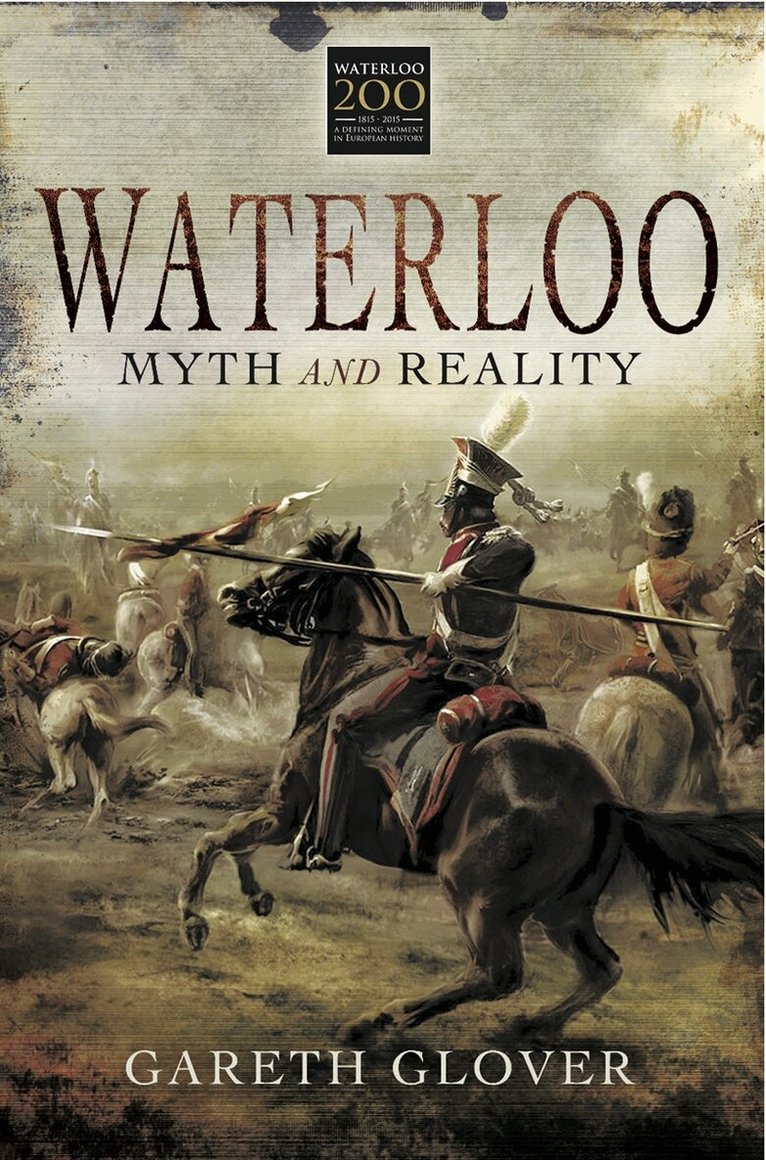
More has probably been written about the Waterloo campaign than almost any other in history. It was the climax of the Napoleonic Wars and forms a watershed in both European and world history. However, the lethal combination of national bias, wilful distortion and simple error has unfortunately led to the constantly regurgitated traditional 'accepted' version being significantly wrong regarding many episodes in the campaign. Oft-repeated claims have morphed into established fact and, with the bicentenary of this famous battle soon to be commemorated, it is high time that these are challenged and finally dismissed. Gareth Glover has spent a decade uncovering hundreds of previously unpublished eyewitness accounts of the battle and campaign, which have highlighted many of these myths and errors. In this ground-breaking history, based on extensive primary research of all the nations involved, he provides a very readable and beautifully balanced account of the entire campaign while challenging these distorted claims and myths, and he provides clear evidence to back his version of events. His thoughtful reassessment of this decisive episode in world history will be stimulating reading for those already familiar with the Napoleonic period and it will form a fascinating introduction for readers who are discovering this extraordinary event for the first time.