G.E. Wickens – författare
Visar alla böcker från författaren G.E. Wickens. Handla med fri frakt och snabb leverans.
9 produkter
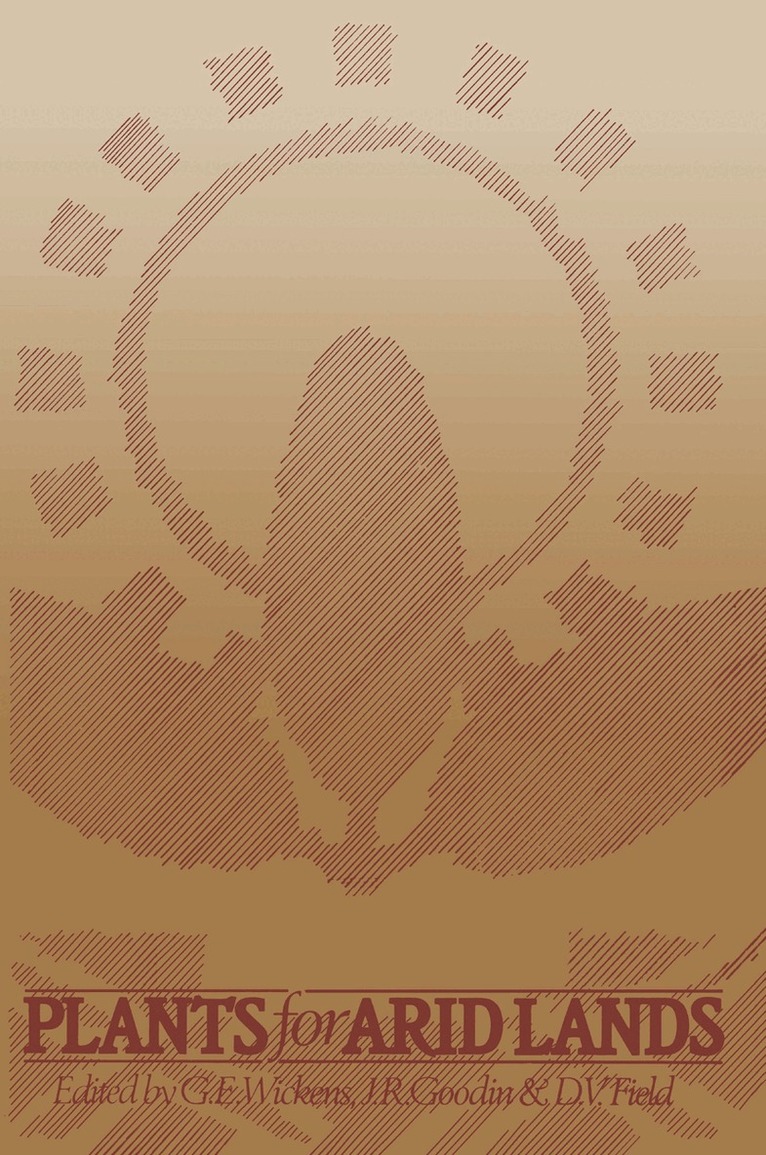
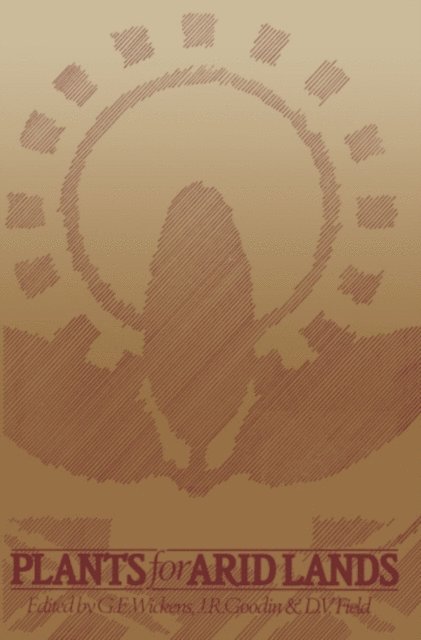
Plants for Arid Lands
Proceedings of the Kew International Conference on Economic Plants for Arid Lands held in the Jodrell Laboratory, Royal Botanic Gardens, Kew, England, 23–27 July 1984
Av G.E. Wickens, David. V. Field m. fl.
Häftad, 1989
1096 kr
Lägg i varukorg
Economic plants have been defined by SEPASAT as those plants that are utilised either directly or indirectly for the benefit of Man. Indirect usage includes the needs of Man's livestock and the maintenance of the environment; the benefits may be domestic, commercial or aesthetic. Economic plants …
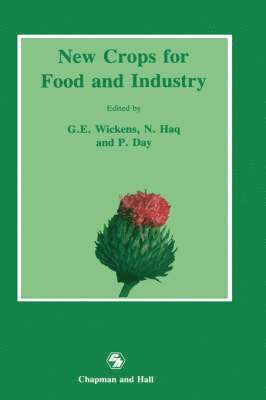
New Crops for Food and Industry
Av G.E. Wickens, N. Haq m. fl.
Inbunden, 1989
2185 kr
Lägg i varukorg
Since plants not only provide food for man and his domestic animals but also pharmaceutical products and raw materials for industry, the development of new crops is of great importance. However, many plant species remain unexploited or are only utilized at a local level. This book provides …
Economic Botany
Principles and Practices
Av G.E. Wickens
Inbunden, 2001
2185 kr
Lägg i varukorg
The strength of this book is that it is written by someone who has spent a lifetime devoted to the science of economic botany. The author has brought together his vast experience in the field in Africa with his studies of arid land plants at the Royal Botanic Gardens, Kew. The result is an …
Economic Botany
Principles and Practices
Av G.E. Wickens
Häftad, 2004
2185 kr
Lägg i varukorg
The strength of this book is that it is written by someone who has spent a lifetime devoted to the science of economic botany. The author has brought together his vast experience in the field in Africa with his studies of arid land plants at the Royal Botanic Gardens, Kew. The result is an …
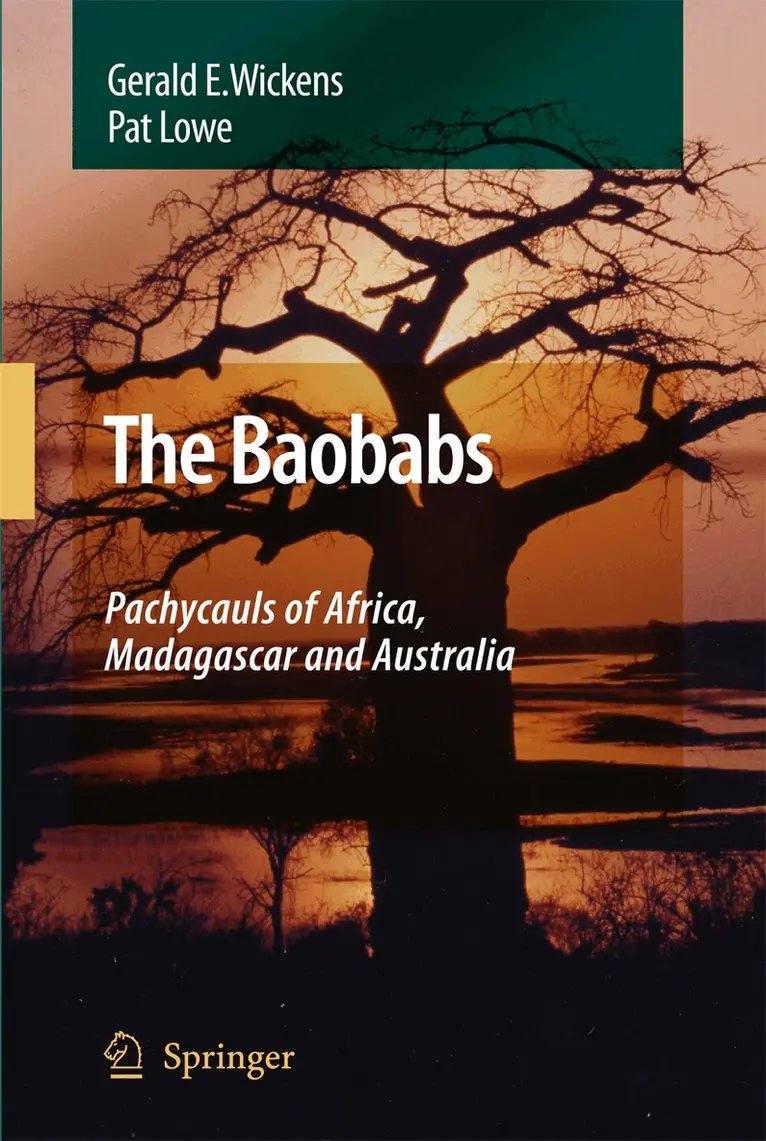
Baobabs: Pachycauls of Africa, Madagascar and Australia
Av G.E. Wickens
Inbunden, 2008
3601 kr
Lägg i varukorg
Although Alexander von Humboldt never saw a baobab, he wrote: ‘Among organic creatures, this tree [Dracaena draco (dragon tree)] is undoubtedly, together with the Adansonia or baobab of Senegal, one of the oldest inhabitants of our planet’ (Humboldt 1852). With their enormous size, distinctive and …
Baobabs: Pachycauls of Africa, Madagascar and Australia
Av G.E. Wickens
E-bok, 2008
4555 kr
Lägg i varukorg
Although Alexander von Humboldt never saw a baobab, he wrote: ‘Among organic creatures, this tree [Dracaena draco (dragon tree)] is undoubtedly, together with the Adansonia or baobab of Senegal, one of the oldest inhabitants of our planet’ (Humboldt 1852). With their enormous size, distinctive and …
Baobabs: Pachycauls of Africa, Madagascar and Australia
Av G.E. Wickens
Häftad, 2010
3601 kr
Lägg i varukorg
Although Alexander von Humboldt never saw a baobab, he wrote: ‘Among organic creatures, this tree [Dracaena draco (dragon tree)] is undoubtedly, together with the Adansonia or baobab of Senegal, one of the oldest inhabitants of our planet’ (Humboldt 1852). With their enormous size, distinctive and …
Economic Botany
Principles and Practices
Av G.E. Wickens
E-bok, 2012
2925 kr
Lägg i varukorg
The strength of this book is that it is written by someone who has spent a lifetime devoted to the science of economic botany. The author has brought together his vast experience in the field in Africa with his studies of arid land plants at the Royal Botanic Gardens, Kew. The result is an …
Plants for Arid Lands
Proceedings of the Kew International Conference on Economic Plants for Arid Lands held in the Jodrell Laboratory, Royal Botanic Gardens, Kew, England, 23–27 July 1984
Av Joe R. Goodin, David. V. Field m. fl.
E-bok, 2012
1459 kr
Lägg i varukorg
Economic plants have been defined by SEPASAT as those plants that are utilised either directly or indirectly for the benefit of Man. Indirect usage includes the needs of Man''s livestock and the maintenance of the environment; the benefits may be domestic, commercial or aesthetic. Economic plants …