George J. Borjas – författare
Visar alla böcker från författaren George J. Borjas. Handla med fri frakt och snabb leverans.
17 produkter
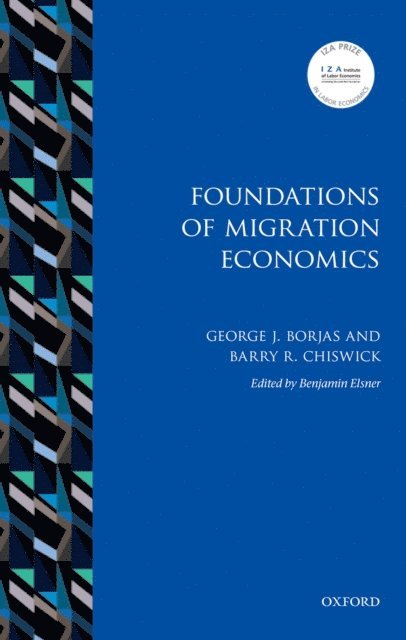
Foundations of Migration Economics
Av Barry R. Chiswick, George J. Borjas m. fl.
E-bok, 2019
1613 kr
Lägg i varukorg
This book presents a series of research articles written over the past four decades by leading economists George J. Borjas and Barry R. Chiswick. Borjas and Chiswick are leading experts on the adjustment of immigrants in their destination country and their impact on the economy. Although they …
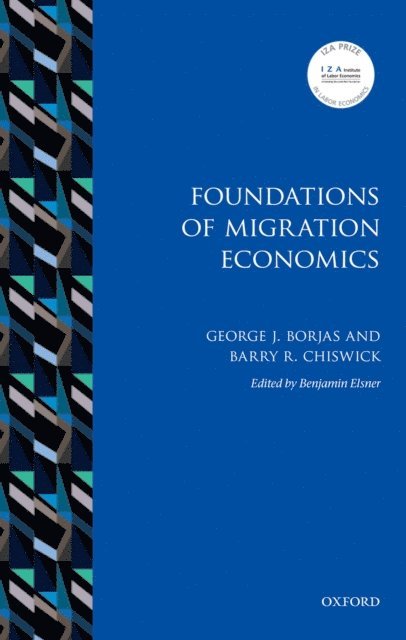
Foundations of Migration Economics
Av Barry R. Chiswick, George J. Borjas m. fl.
E-bok, 2019
1613 kr
Lägg i varukorg
This book presents a series of research articles written over the past four decades by leading economists George J. Borjas and Barry R. Chiswick. Borjas and Chiswick are leading experts on the adjustment of immigrants in their destination country and their impact on the economy. Although they …
Foundations of Migration Economics
Av George J. Borjas, Barry R. Chiswick m. fl.
Inbunden, 2019
1786 kr
Lägg i varukorg
This book presents a series of research articles written over the past four decades by leading economists George J. Borjas and Barry R. Chiswick. Borjas and Chiswick are leading experts on the adjustment of immigrants in their destination country and their impact on the economy. Although they …
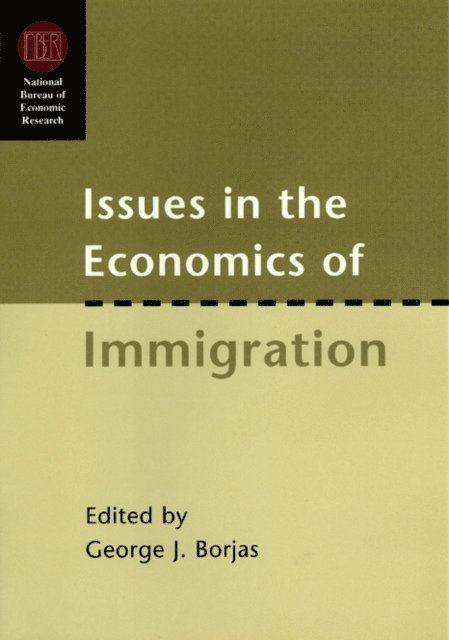
Issues in the Economics of Immigration
E-bok, 2008
3770 kr
Lägg i varukorg
The United States is now admitting nearly one million legal immigrants per year, while the flow of illegal aliens into the country continues to increase steadily. The debate over immigration policy has typically focused on three fundamental questions: How do immigrants perform economically relative …
Mexican Immigration to the United States
E-bok, 2007
1697 kr
Lägg i varukorg
From debates on Capitol Hill to the popular media, Mexican immigrants are the subject of widespread controversy. By 2003, their growing numbers accounted for 28.3 percent of all foreign-born inhabitants of the United States. Mexican Immigration to the United States analyzes the astonishing economic …
Immigration and the Work Force
Economic Consequences for the United States and Source Areas
Av Richard B. Freeman, George J. Borjas
E-bok, 2007
1781 kr
Lägg i varukorg
Since the 1970s, the striking increase in immigration to the United States has been accompanied by a marked change in the composition of the immigrant community, with a much higher percentage of foreign-born workers coming from Latin America and Asia and a dramatically lower percentage from Europe. …
We Wanted Workers
Unraveling the Immigration Narrative
Inbunden, 2016
571 kr
Lägg i varukorg
We are a nation of immigrants, and we have always been concerned about immigration. As early as 1645, the Massachusetts Bay Colony began to prohibit the entry of "paupers." Today, however, the notion that immigration is universally beneficial has become pervasive. To many modern economists, …
Economics of Labor
2014
20517 kr
Lägg i varukorg
The branch of economics concerned with the allocation of resources in the labor market addresses some of the most difficult issues facing governments and policy-makers at the beginning of the twenty-first century. The range of dizzying questions it seeks to answer include: what is the impact of …
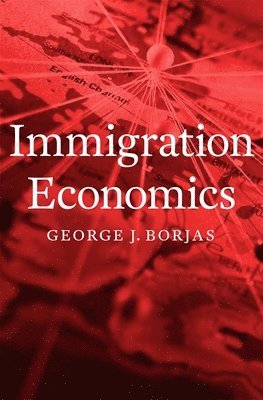
Immigration Economics
Inbunden, 2014
600 kr
Lägg i varukorg
Millions of people—nearly 3 percent of the world’s population—no longer live in the country where they were born. Every day, migrants enter not only the United States but also developed countries without much of a history of immigration. Some of these nations have switched in a short span of time …
Heaven's Door
Immigration Policy and the American Economy
Häftad, 2001
548 kr
Lägg i varukorg
The U.S. took in more than a million immigrants per year in the late 1990s, more than at any other time in history. For humanitarian and many other reasons, this may be good news. But as George Borjas shows in Heaven's Door, it's decidedly mixed news for the American economy--and positively bad …
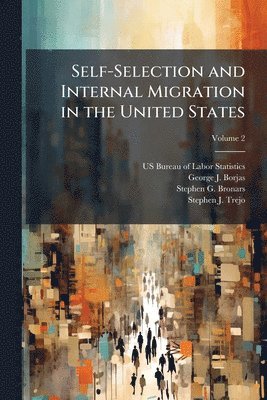
Self-Selection and Internal Migration in the United States; Volume 2
Av George J Borjas, Stephen G Bronars
Häftad, 2015
252 kr
Lägg i varukorg
Heaven's Door
Immigration Policy and the American Economy
E-bok, 2011
764 kr
Lägg i varukorg
The U.S. took in more than a million immigrants per year in the late 1990s, more than at any other time in history. For humanitarian and many other reasons, this may be good news. But as George Borjas shows in Heaven''s Door , it''s decidedly mixed news for the American economy--and positively bad …
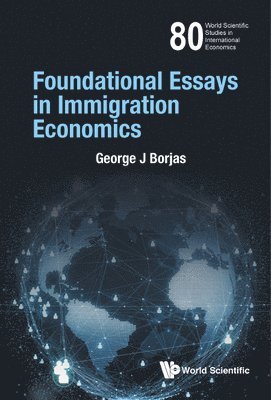
FOUNDATIONAL ESSAYS IN IMMIGRATION ECONOMICS
Inbunden, 2021
2260 kr
Lägg i varukorg
This book collects the main papers written by George Borjas on the economics of immigration during a decades-long career. Although there was little interest in immigration issues among economists before the 1980s, the literature has exploded since. The essays collected in this book represent some …
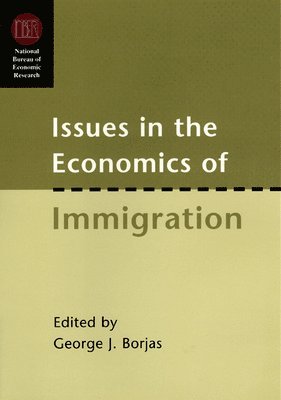
Issues in the Economics of Immigration
Inbunden, 2000
907 kr
Tillfälligt slut
The United States is now admitting nearly one million legal immigrants per year, while the flow of illegal aliens into the country continues to increase steadily. The debate over immigration policy has typically focused on three fundamental questions: How do immigrants peform economically relative …
Mexican Immigration to the United States
Inbunden, 2007
754 kr
Tillfälligt slut
From debates on Capitol Hill to the popular media, Mexican immigrants are the subject of widespread controversy. By 2003, their growing numbers accounted for 28.3 percent of all foreign-born inhabitants of the United States. "Mexican Immigration to the United States" analyzes the astonishing …
Immigration and the Work Force
Economic Consequences for the United States and Source Areas
Av George J. Borjas, Richard B. Freeman
Inbunden, 1992
838 kr
Tillfälligt slut
Since the 1970s, the striking increase in immigration to the United States has been accompanied by a marked change in the composition of the immigrant community, with a much higher percentage of foreign-born workers coming from Latin America and Asia and a dramatically lower percentage from Europe. …