George Miles - Böcker
Visar alla böcker från författaren George Miles. Handla med fri frakt och snabb leverans.
3 produkter
3 produkter
258 kr
Skickas
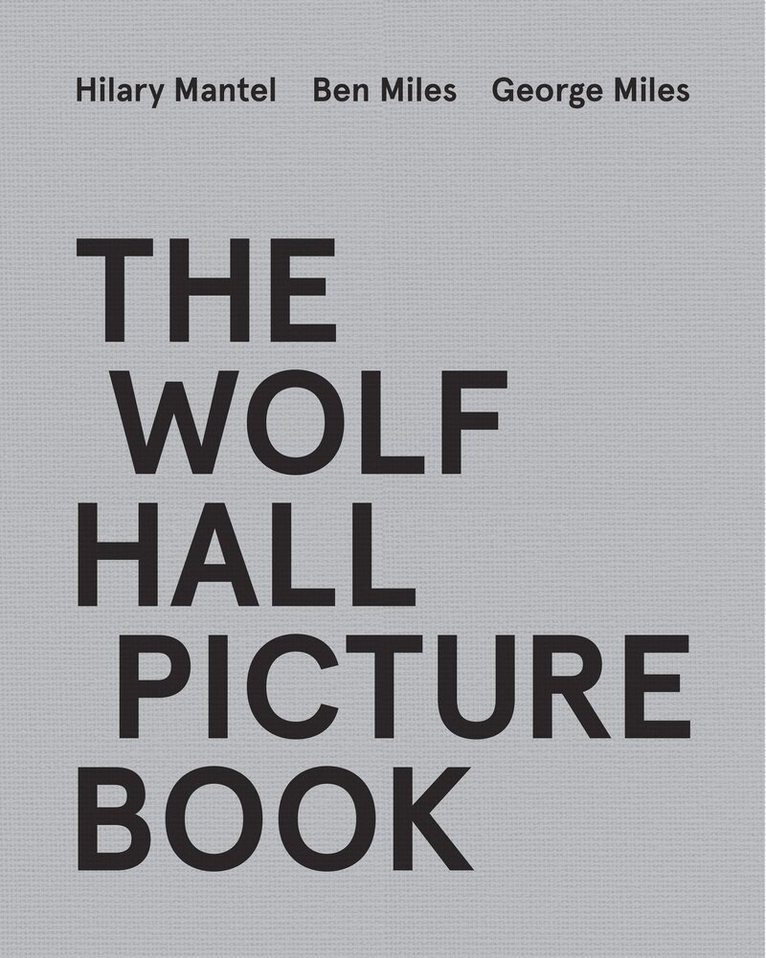
A photography book that is a vital accompaniment to the many fans of Hilary Mantel’s bestselling Wolf Hall Trilogy, now a major TV series ‘At the very beginning of the twentieth century, Zola said, ‘’In my view you cannot claim to have really seen something till you have photographed it.’’ The act of photographing, at least for a moment, distinguishes its object and estranges it from its context . . . Every stroke of the pen releases a thousand pictures inside the writer’s head. This book has made some of them visible.’ Hilary MantelHilary Mantel, Ben Miles, the stage’s celebrated Thomas Cromwell, and his brother, photographer George Miles, spent many years exploring the locations we know Thomas Cromwell visited and inhabited – Putney, Austin Friars, Wolf Hall, the Tower of London – to capture the faint traces of Tudor England and his extraordinary life. Accompanied with extracts from The Wolf Hall Trilogy, some of them published here for the first time, and including a stunning new essay by its author, these photographs reveal a world that is shadowy, frightening, sometimes whimsical – a portrait of a country in conversation with its past. ‘The present rubs up against the past, accompanied by excerpts from the novels, some taken from deleted scenes that, thrillingly for Mantel fans, have never before been released. Among other things, it is an interrogation of the way we interact with history; of the gaps in the record; its elusive nature; and its unexpected resonances with our contemporary lives’ Guardian
535 kr
Tillfälligt slut
308 kr
Skickas inom 5-8 vardagar
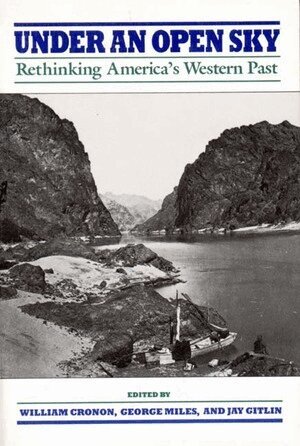
The history of the American West is being transformed by exciting new ideas, new questions, new scholarship. For many years this field was dominated by popular images of the lone cowboy and the savage Indian, and by Frederick Jackson Turner's concept of the frontier as a steadily advancing source of democracy and social renewal. But now historians and even the merchants of popular culture are reshaping our views of the frontier and the West by taking up a rich array of new subjects, including the stories of diverse peoples as well as the history of the land itself. A new generation of scholars is reformulating the broader questions also: What was the significance of the frontier in American history? What are the bases of western identity? What themes connect the twentieth-century West to its more distant past? The transformation of western history continues to be an open-ended, turbulent process. The original essays in this volume are reports from the frontier of change. In their diverging assumptions and conclusions, they reflect the vitality of this field. They succeed when they make the case for new questions and suggest possible answers. They advocate no single agenda. But taken together they well represent the passion and high craft with which scholars are creating a new western history.